Blog
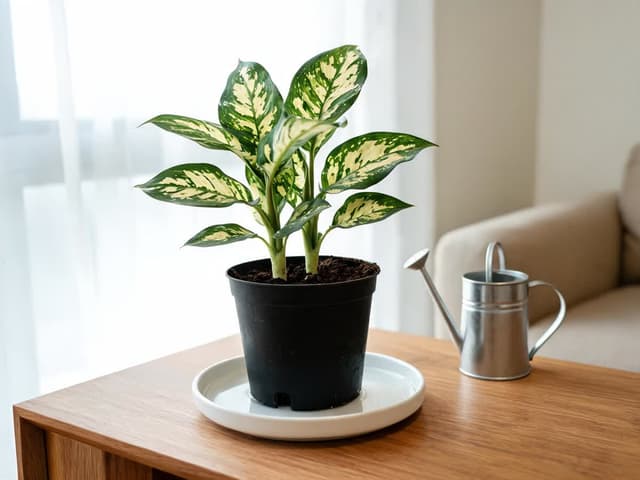
How Often to Water Dumb Cane: The Soil Test That Decides
Water your dumb cane when the top inch of soil feels dry, soaking it until water drains out the bottom. University extensions avoid giving a set number of days. Here is the exact test, how to spot overwatering versus thirst, and why misting does not work.
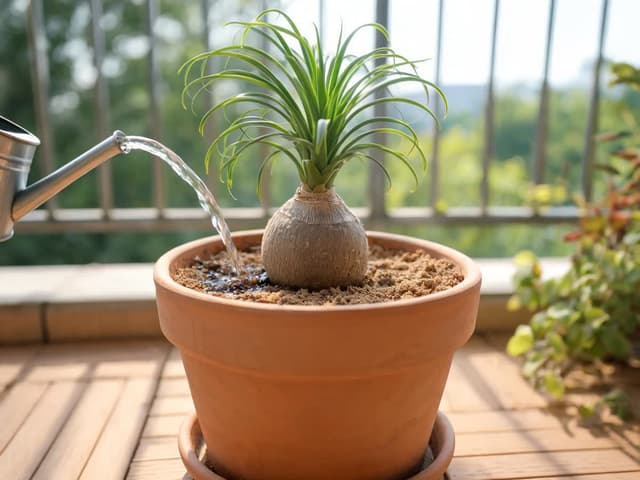
How Often to Water a Ponytail Palm: The Soil and Trunk Test
A ponytail palm has no fixed watering schedule. It drinks when the soil is completely dry to the bottom and its swollen base feels firm. Here is how to test both, how to water properly, winter care adjustments, and what to do if the trunk goes soft.
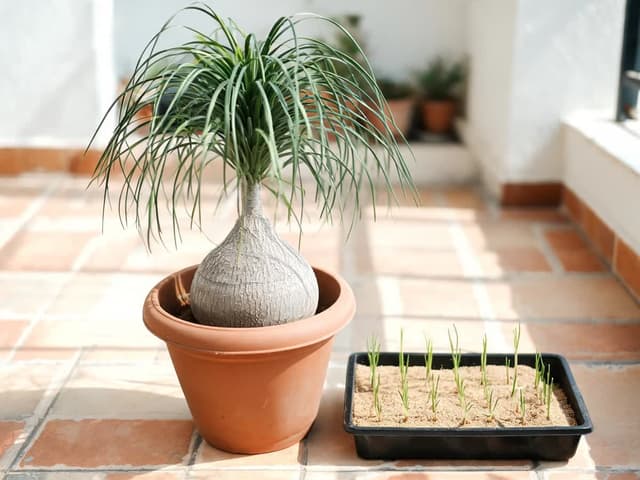
How to Propagate a Ponytail Palm: Seeds, Offshoots, and What Fails
Growing from seed is the only reliable way to get a ponytail palm with a swollen trunk base. Here is what experts say about base pups, stem cuttings, and sowing at home.
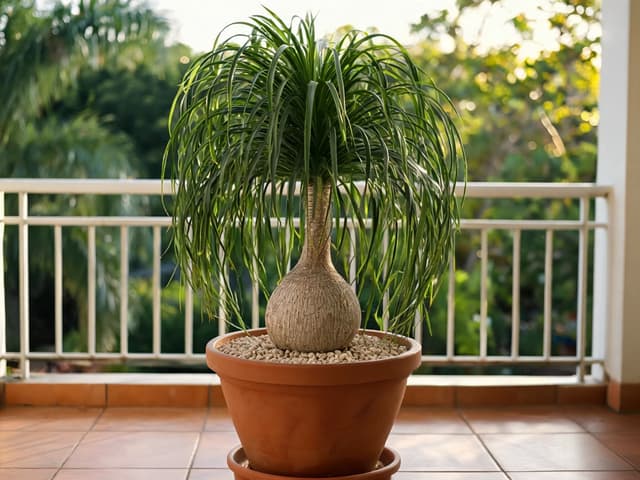
How to Care for a Ponytail Palm: Sun, Water, and the Trunk Test
Ponytail palms want full sun, deep watering only when the soil goes dry, and a small pot with drainage. The swollen base stores water, so squeezing it tells you whether the plant is thriving or starting to rot.
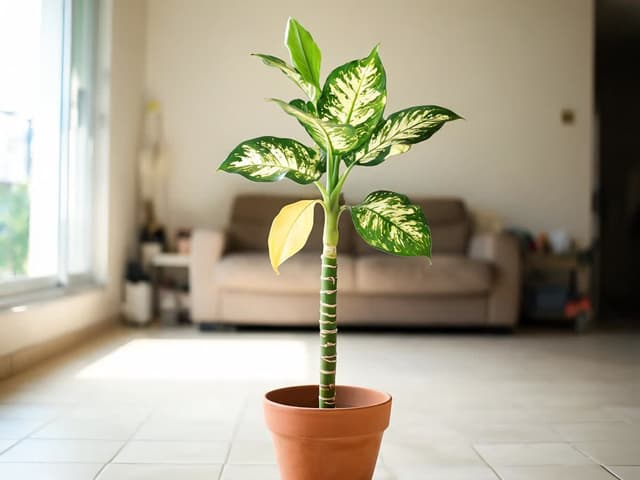
Dieffenbachia Leaves Turning Yellow: Normal Aging, Cold, or Stem Rot?
One or two lower leaves yellowing while a new one unfurls up top is completely normal for a dumb cane. Multiple yellow leaves at once mean it is time to check the stem base, recent cold drafts, and the soil.
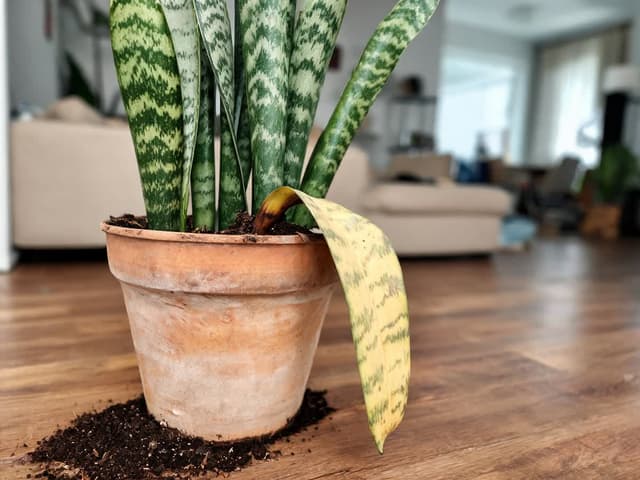
Snake Plant Turning Yellow: Feel the Base to Find the Cause
Is your snake plant turning yellow? Give the base of the leaf a gentle squeeze. If it feels mushy and the soil is damp, you are dealing with root rot from overwatering. If it feels firm, it could be cold damage from weeks ago, sunburn, crown rot, or just the natural yellow edge of the variety.
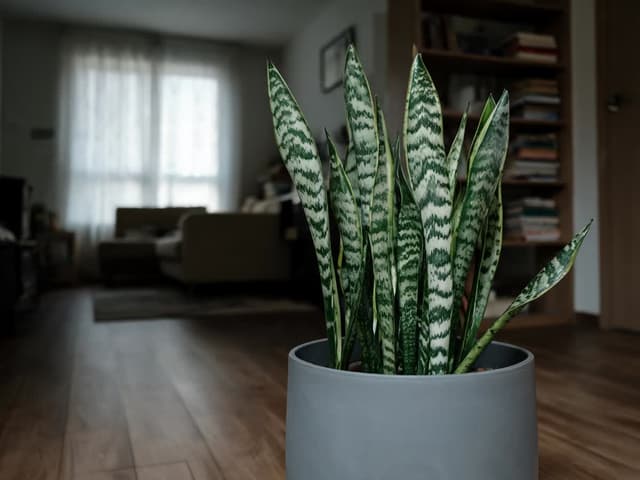
Snake Plants in Low Light: Surviving, Stalling, and Drinking Less
Snake plants can survive in low light between 25 and 75 foot-candles (roughly 270 to 800 lux), but growth stalls and their water needs plummet. Here are the exact numbers, window placements, and watering habits that keep their rhizomes from rotting in dark corners.
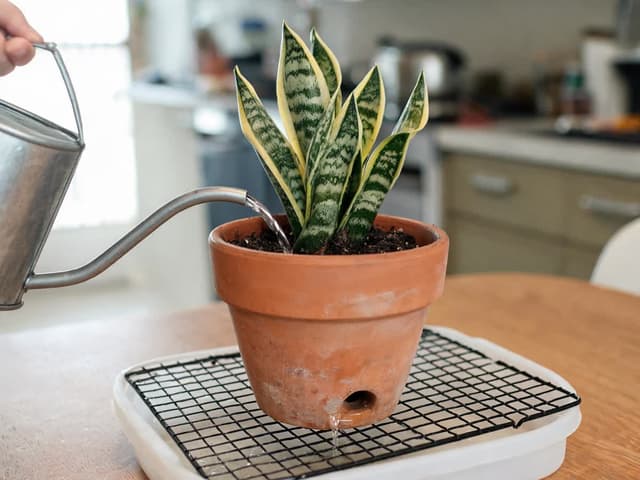
How Much Water a Snake Plant Needs: Where to Pour It and What to Do With the Saucer
Water the snake plant directly on the soil, near the edge of the pot, until water starts coming out of the drainage hole. The center of the leaves stays dry, and the saucer is emptied after 15 minutes. See how much that amounts to for your pot and what to do with cachepots, bottom watering, and overly dry soil.
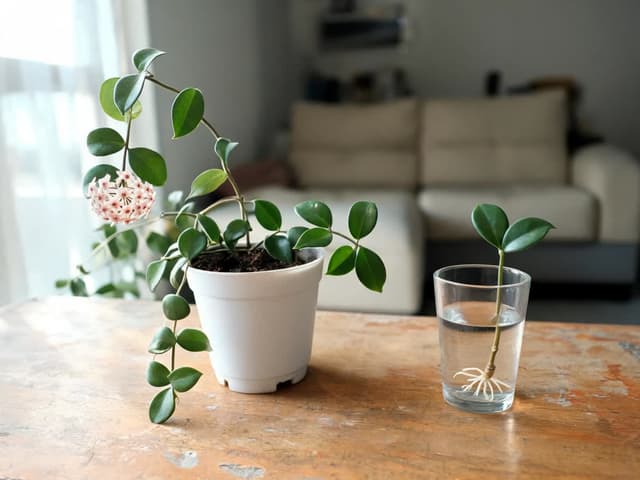
How to Propagate Hoya: Where to Cut and How Long It Takes
Take a 2-node cutting, root it in water or soil, and see why a single sweetheart hoya leaf grows roots but never turns into a vine. Here is where to cut without hurting the mother plant and how long new leaves take to appear.

How to Propagate Watermelon Peperomia: Growing New Plants from a Leaf
A single leaf is all you need to propagate a watermelon peperomia. The leaf itself doesn't turn into a plant; tiny new shoots grow right from the base of the buried leaf stalk. Here is where to cut, why roots show up long before the first leaves, and what to do during the six-to-eight-week wait.

Why Your Poinsettia Is Dropping Leaves: 6 Causes and Exactly What to Do
Before reaching for the watering can, check these six root causes. The plastic sleeve around your pot triggers leaf drop through a specific chemical reaction, and watering right after is usually what finishes the plant off.

How Often to Water a Peperomia: Volume, Method, and Winter Adjustments
There is no fixed schedule for watering a peperomia, and looking for a specific number of days usually leads to trouble. What matters is how much water goes in, how you apply it, and making sure it drains completely. Here is how to tell underwatering from overwatering, pick the right water, and adjust for winter.