500 Best Plants for Anderson County | 2026 Guide - Page 8
Discover the 500 ideal plants for Anderson County's climate. Average temp: 15°C, Humidity: 69.8%.
Top 500 Plants for Anderson County
Showing 253-288 of 500
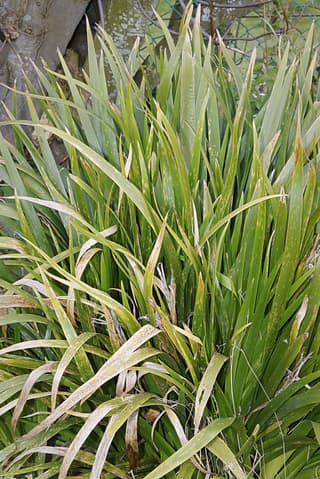
Stinking Iris
Iris foetidissima
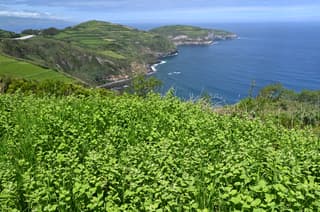
Pineapple Mint
Mentha suaveolens
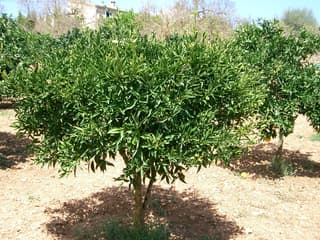
Willowleaf Mandarin
Citrus × aurantium f. deliciosa
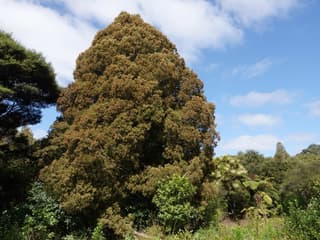
Kahikatea
Dacrycarpus dacrydioides
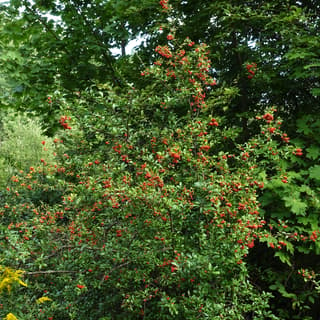
Scarlet Firethorn
Pyracantha coccinea
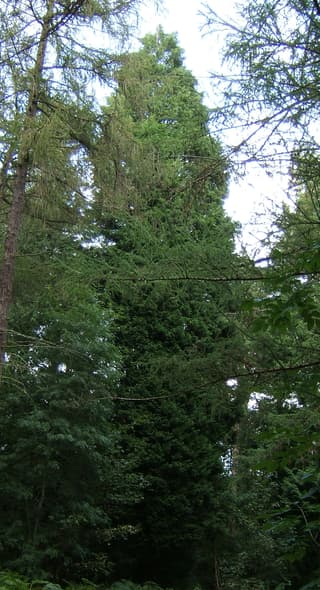
Leyland Cypress
× Hesperotropsis leylandii
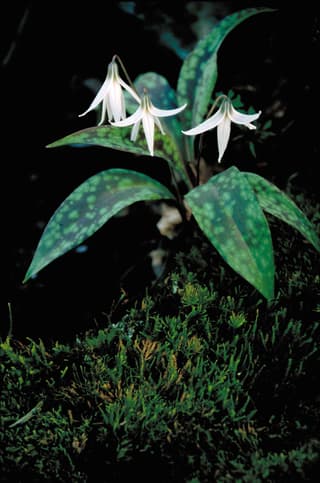
Trout Lily
Erythronium
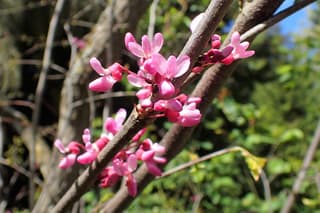
Chinese Redbud
Cercis chinensis
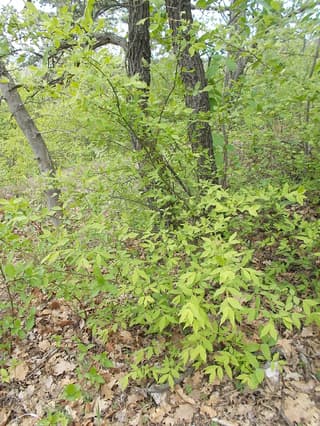
Common Dogwood
Cornus sanguinea
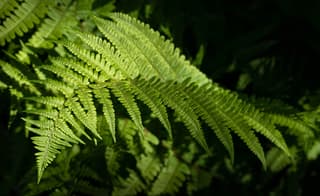
Lady Fern
Athyrium
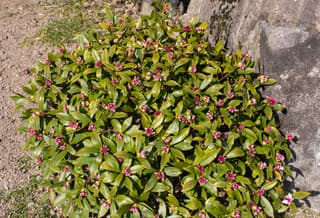
Winter daphne
Daphne odora
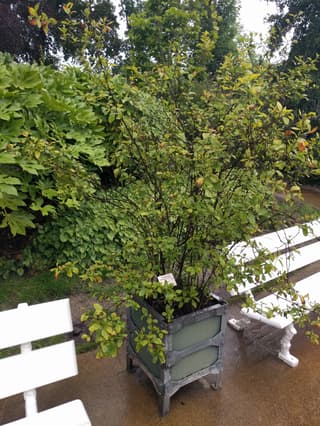
Cape Leadwort
Plumbago auriculata
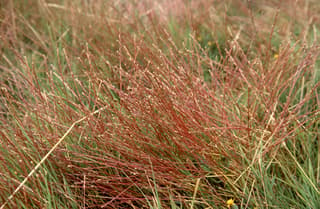
Sea Hard-grass
Parapholis strigosa
Maritime sunburst lichen
Xanthoria parietina
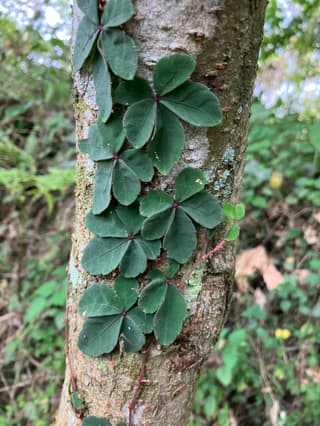
Lizard Vine
Tetrastigma obtectum
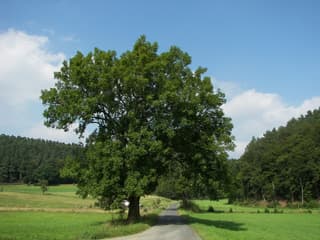
European Ash
Fraxinus excelsior
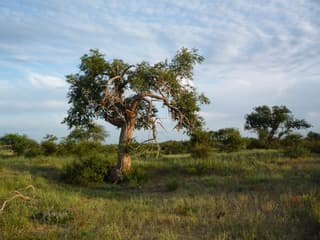
Siberian Elm
Ulmus pumila
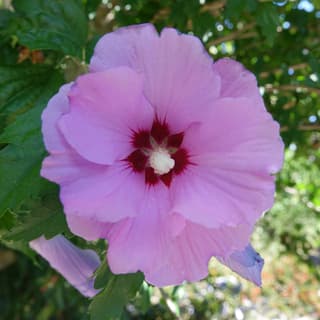
Rose of Sharon
Hibiscus syriacus
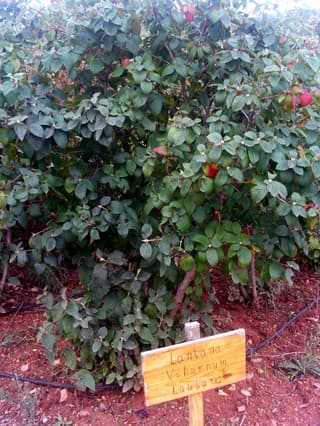
Wayfaring Tree
Viburnum lantana
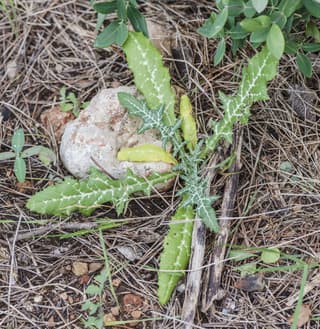
Common Sowthistle
Sonchus oleraceus
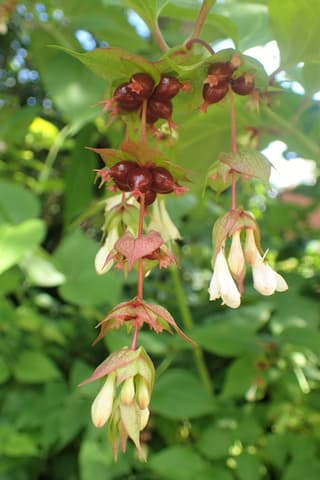
Himalayan honeysuckle
Leycesteria formosa
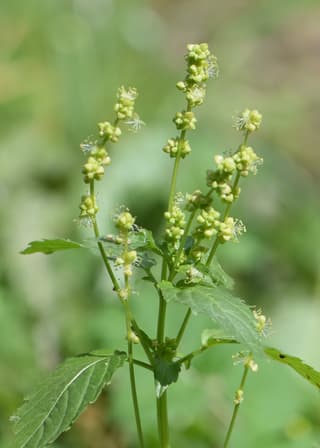
Annual mercury
Mercurialis annua
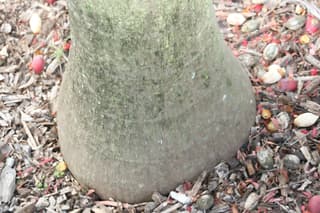
Montgomery Palm
Veitchia arecina

Muriel's Bamboo
Fargesia murielae

Silver Birch
Betula pendula
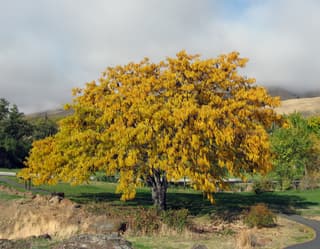
Honey Locust
Gleditsia triacanthos
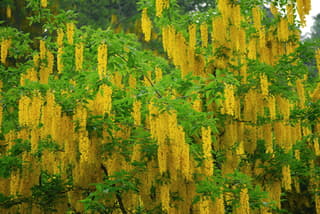
Scotch laburnum
Laburnum alpinum
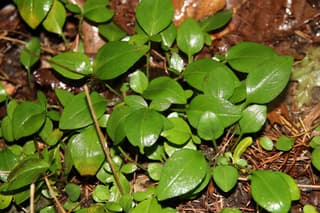
Shrubby St. John's Wort
Hypericum prolificum
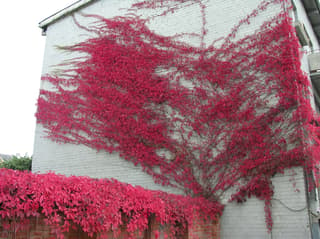
Woodbine
Parthenocissus
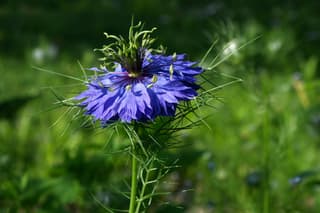
Love-in-a-mist
Nigella damascena
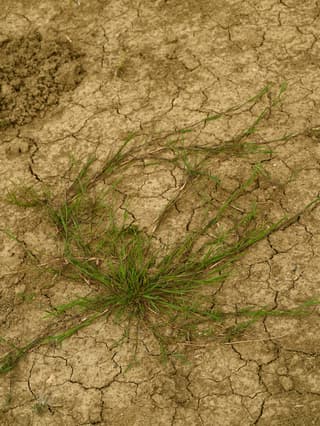
Creeping bentgrass
Agrostis stolonifera
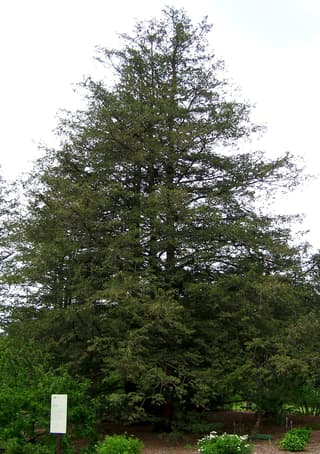
Sawara cypress
Chamaecyparis pisifera
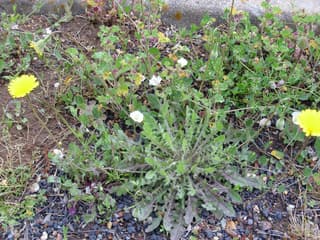
Rough Hawkbit
Leontodon hispidus
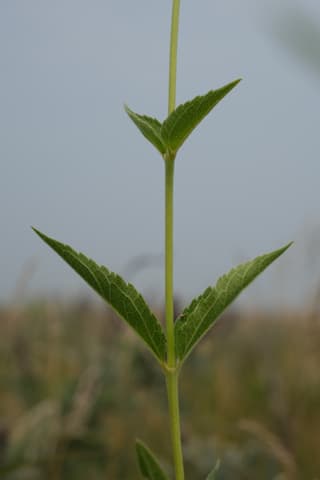
False Sunflower
Heliopsis helianthoides
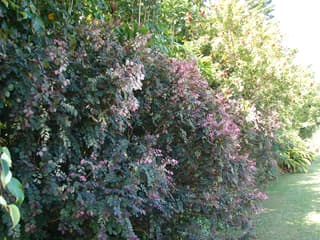
Snowbush
Breynia disticha
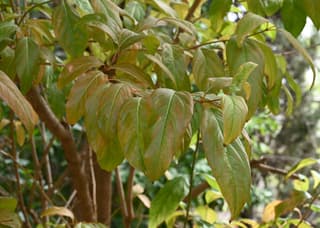
Fiddlewood
Citharexylum spinosum
Anderson County Climate for Plant Growing
Anderson County has a climate with an average annual temperature of 15°C and average relative humidity of 69.8%. These climate conditions are ideal for various species of ornamental and fruit plants.
Tips for Growing Plants in Anderson County
To succeed in growing plants in Anderson County, consider the average temperature of 15°C when choosing your species. Protect cold-sensitive plants during winter. Moderate humidity is ideal for most plants.
Why Choose Plants Adapted to the Local Climate?
Plants adapted to Anderson County's climate require less care, consume less water, and are more likely to thrive. Our selection considers the compatibility between each species' needs and local climate conditions, including temperature (15°C) and humidity (69.8%).