500 Best Pet Safe for Area A (Salmon River/Lakes) | 2026 Guide - Page 7
The 500 best pet safe to grow in Area A (Salmon River/Lakes). Ideal climate: 5.6°C, 70.8% humidity.
500 Pet Safe for Area A (Salmon River/Lakes)
Showing 217-252 of 500
Speedwell
Veronica
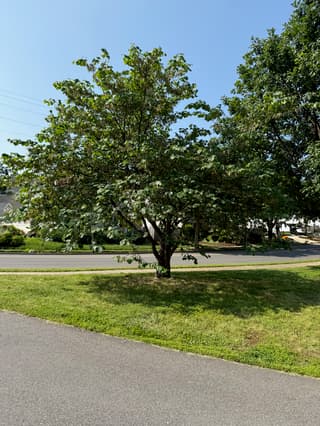
Eastern Redbud
Cercis canadensis
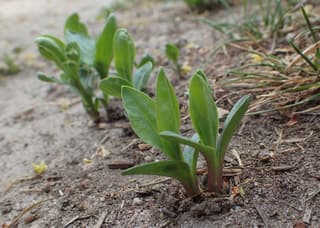
Soapwort
Saponaria officinalis
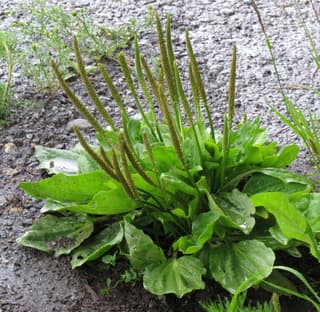
Broadleaf Plantain
Plantago major
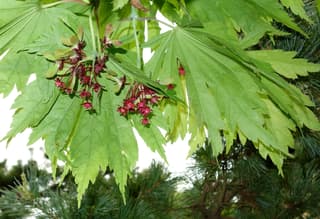
Fullmoon Maple
Acer japonicum
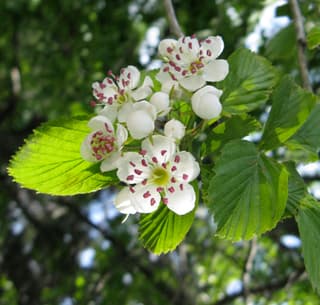
Dotted Hawthorn
Crataegus punctata
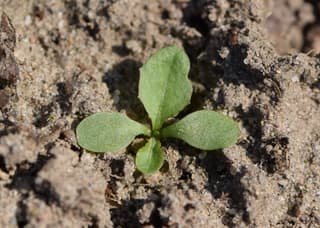
Autumn Hawkbit
Scorzoneroides autumnalis
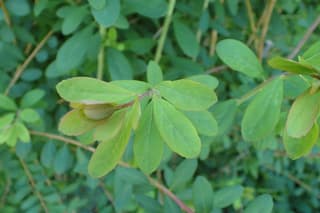
Japanese Spiraea
Spiraea japonica
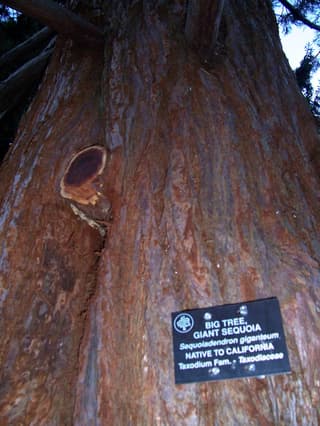
Giant Sequoia
Sequoiadendron giganteum
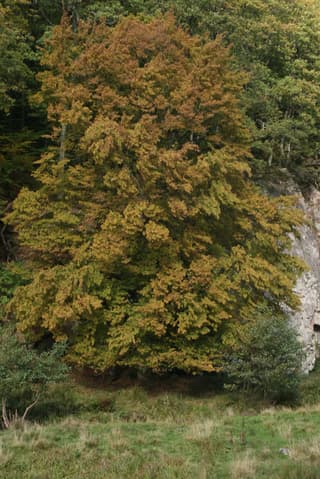
European Hornbeam
Carpinus betulus
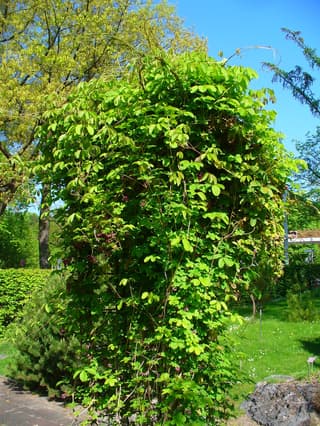
Chocolate Vine
Akebia quinata
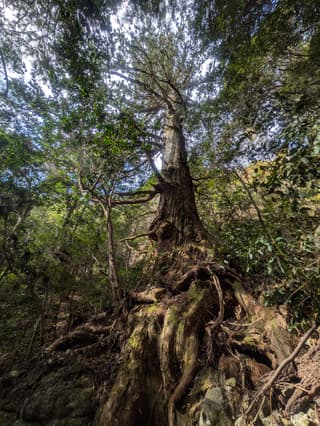
Japanese Cedar
Cryptomeria japonica
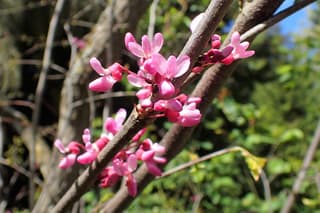
Chinese Redbud
Cercis chinensis
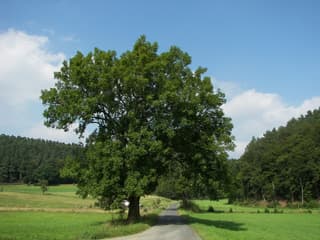
European Ash
Fraxinus excelsior
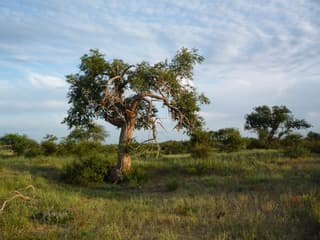
Siberian Elm
Ulmus pumila
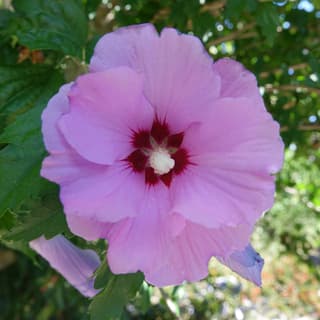
Rose of Sharon
Hibiscus syriacus
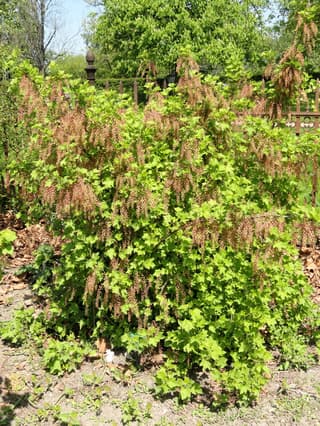
Downy Currant
Ribes spicatum
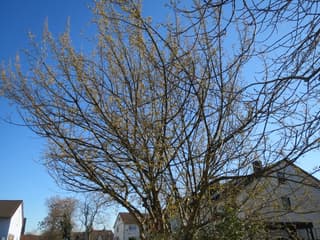
Cornelian Cherry
Cornus mas
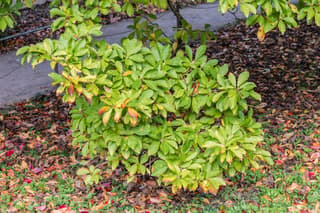
Kobus Magnolia
Magnolia kobus
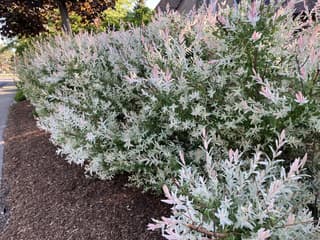
Dappled Willow
Salix integra
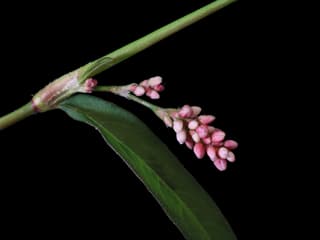
Smartweed
Persicaria
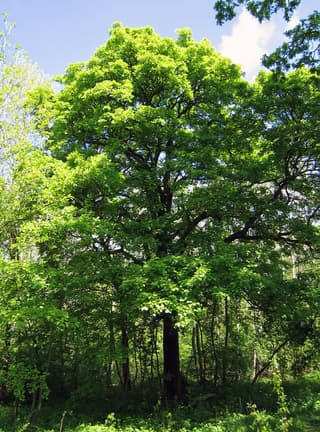
Wild Service Tree
Torminalis glaberrima
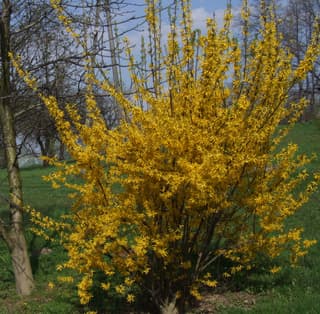
Border Forsythia
Forsythia x intermedia
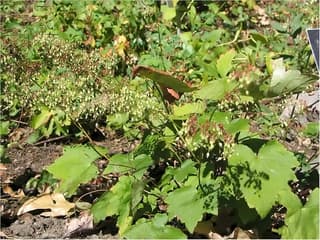
Hairy Alumroot
Heuchera villosa
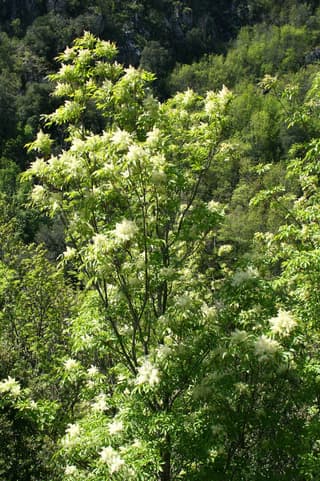
Manna Ash
Fraxinus ornus
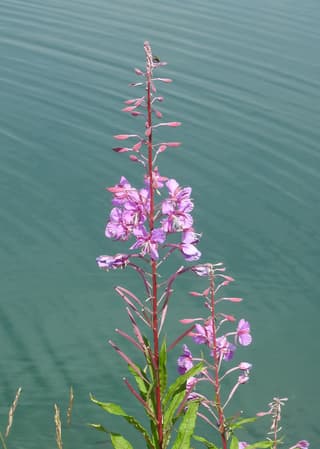
Willowherb / Fireweed (genus)
Epilobium
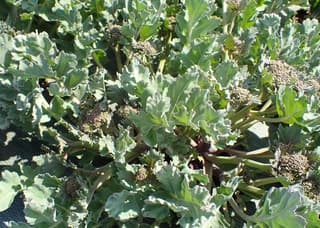
Sea Kale
Crambe
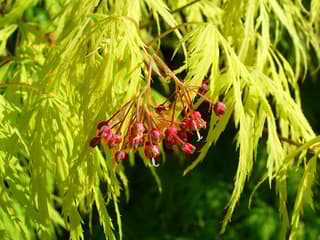
Japanese Maple
Acer palmatum
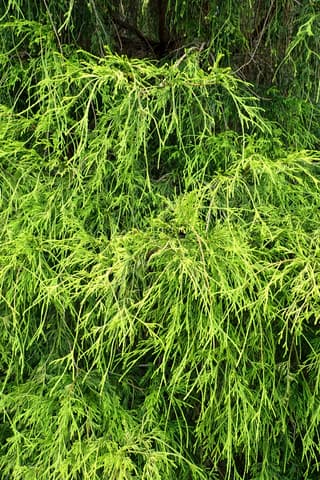
Golden Thread Cypress
Chamaecyparis pisifera filifera aurea
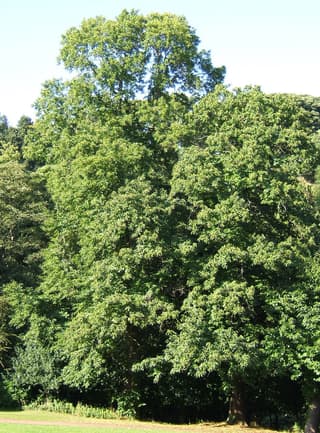
Sweet Chestnut
Castanea sativa
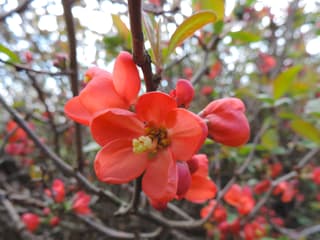
Flowering Quince
Chaenomeles speciosa
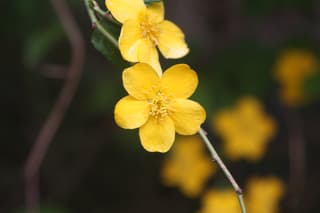
Japanese Kerria
Kerria japonica
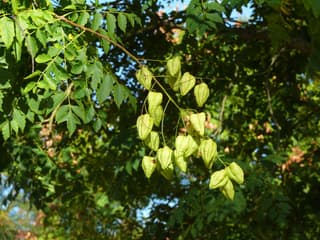
Golden Rain Tree
Koelreuteria paniculata
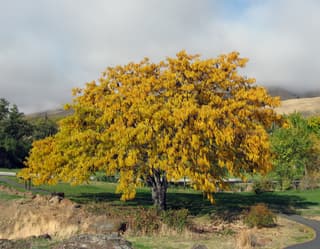
Honey Locust
Gleditsia triacanthos
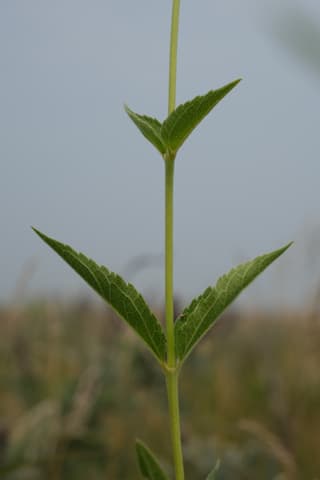
False Sunflower
Heliopsis helianthoides
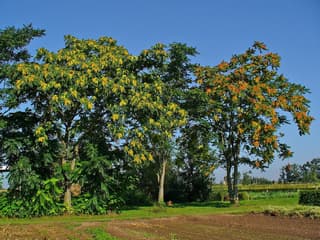
Tree of Heaven
Ailanthus
Ideal Pet Safe for Area A (Salmon River/Lakes)'s Climate
Area A (Salmon River/Lakes) has an average temperature of 5.6°C and humidity of 70.8%, conditions that directly influence which pet safe best adapt to the local environment.
How to Grow Pet Safe in Area A (Salmon River/Lakes)
To successfully grow pet safe in Area A (Salmon River/Lakes), consider that the average temperature of 5.6°C and humidity of 70.8% create a specific microclimate. High humidity favors tropical species, but requires attention to ventilation to prevent fungal issues.
Advantages of Choosing Adapted Pet Safe
Pet Safe adapted to Area A (Salmon River/Lakes)'s climate show greater resistance, healthy growth, and less need for interventions.