500 Best Pet Safe for Buckinghamshire | 2026 Guide - Page 12
The 500 best pet safe to grow in Buckinghamshire. Ideal climate: 11.4°C, 80.7% humidity.
500 Pet Safe for Buckinghamshire
Showing 397-432 of 500
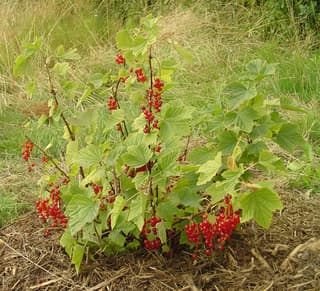
Redcurrant
Ribes rubrum
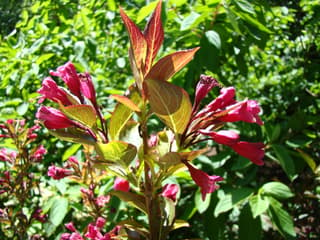
Old Fashioned Weigela
Weigela florida
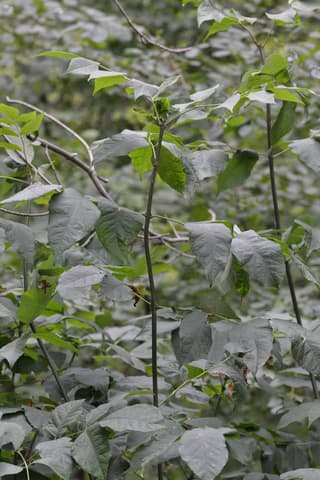
Green Ash
Fraxinus pennsylvanica
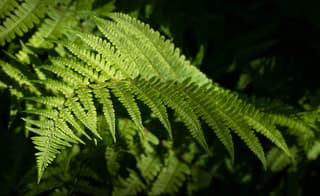
Lady Fern
Athyrium filix-femina
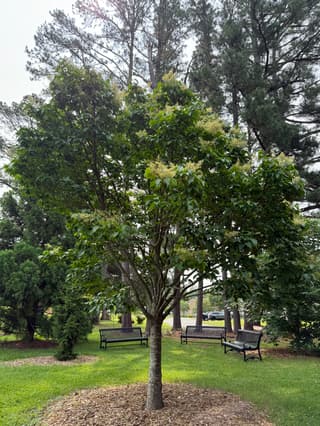
Japanese Tree Lilac
Syringa reticulata
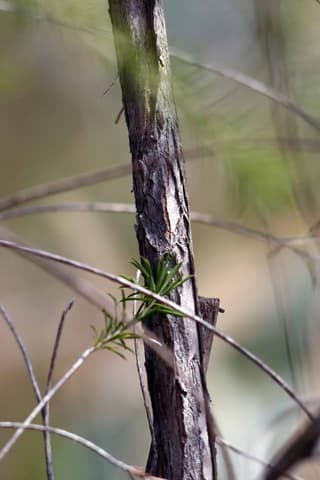
Bracelet Honey Myrtle
Melaleuca armillaris

Holly Fern
Polystichum
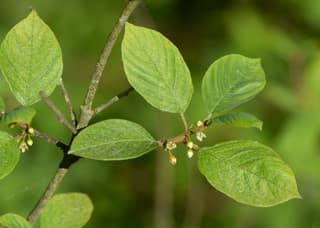
Buckthorn
Frangula
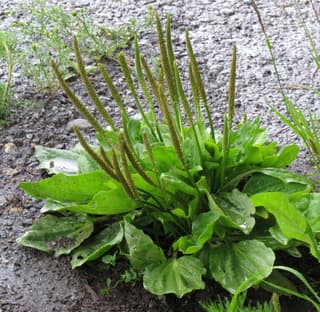
Broadleaf Plantain
Plantago major
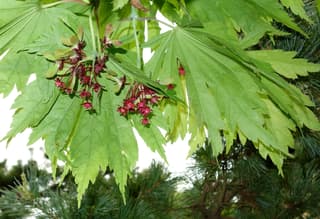
Fullmoon Maple
Acer japonicum
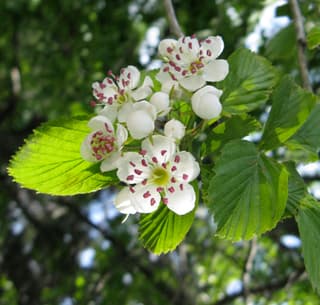
Dotted Hawthorn
Crataegus punctata
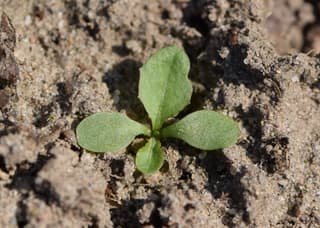
Autumn Hawkbit
Scorzoneroides autumnalis
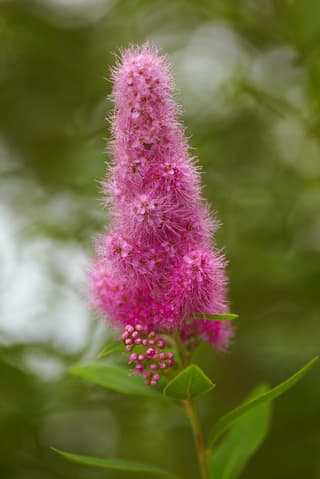
Billard Spiraea
Spiraea billardii
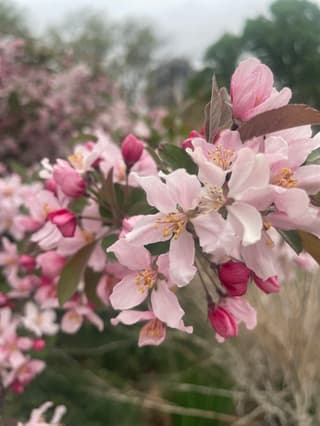
Japanese Flowering Crabapple
Malus × floribunda
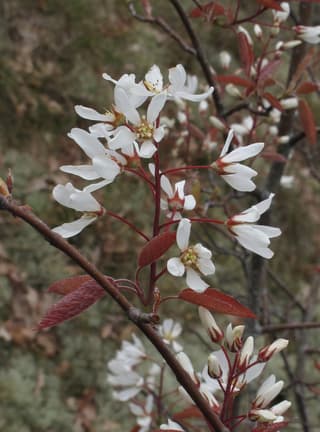
Serviceberry
Amelanchier
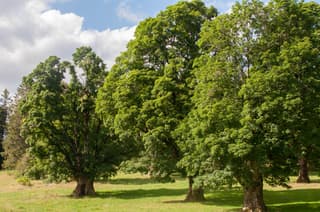
Sycamore Maple
Acer pseudoplatanus
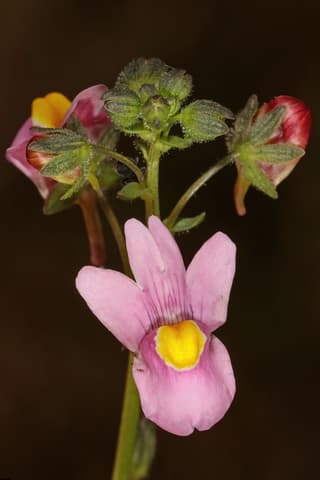
Mauve Nemesia
Nemesia fruticans
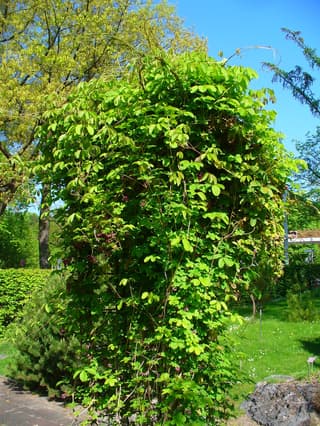
Chocolate Vine
Akebia quinata
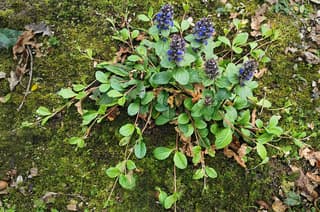
Bugleweed
Ajuga
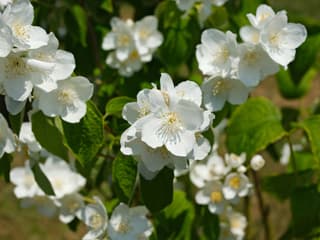
Scentless Mock Orange
Philadelphus inodorus
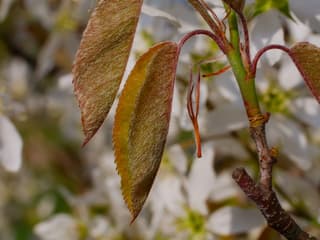
Juneberry
Amelanchier × lamarckii
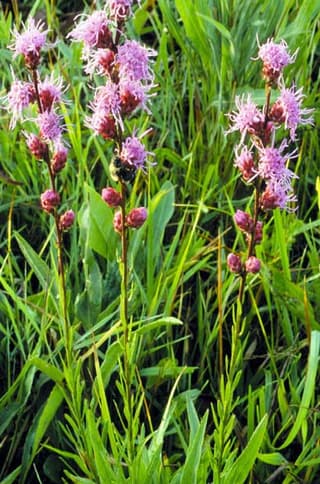
Rough Blazing Star
Liatris aspera
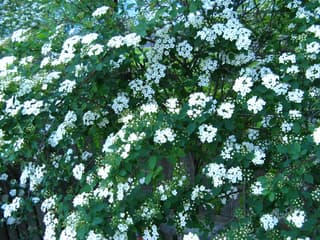
Vanhoutte Spirea
Spiraea × vanhouttei
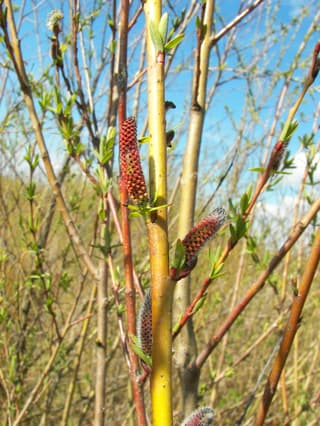
Purple Willow
Salix purpurea
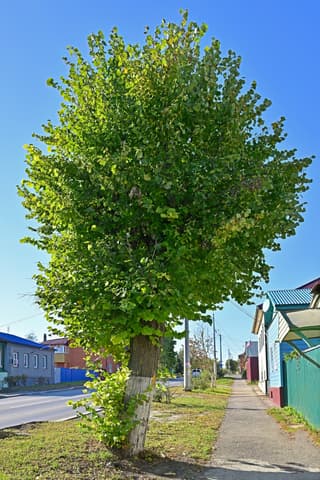
Little-leaf Linden
Tilia cordata
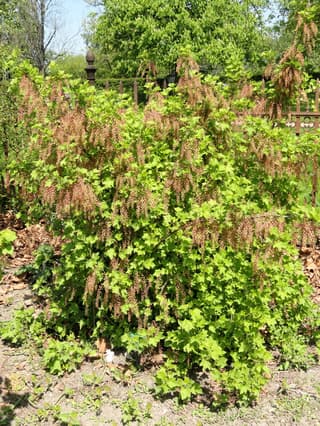
Downy Currant
Ribes spicatum
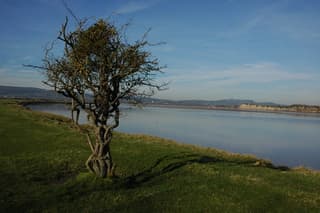
Hawthorn
Crataegus
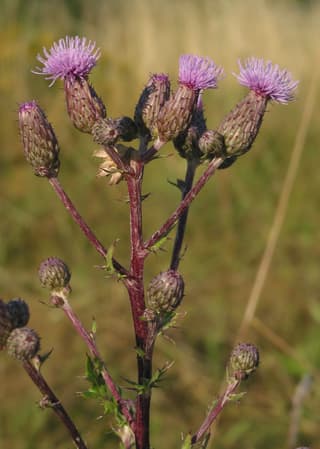
Creeping Thistle
Cirsium arvense
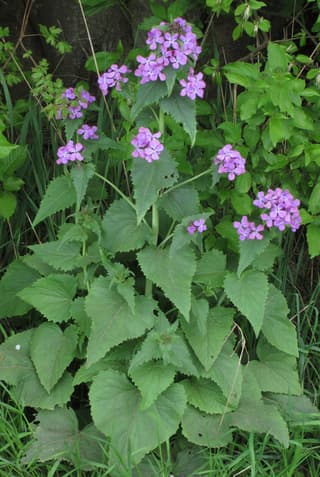
Honesty
Lunaria annua
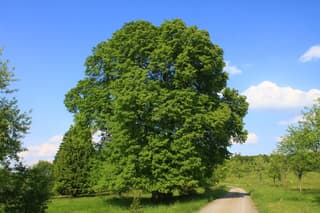
Large-leaved Lime
Tilia platyphyllos
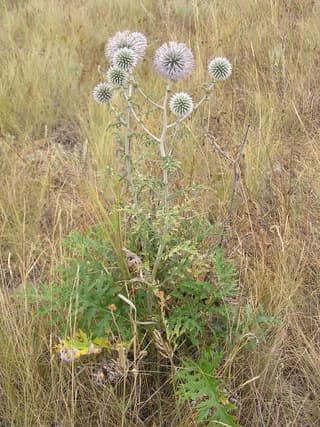
Globe thistle
Echinops sphaerocephalus
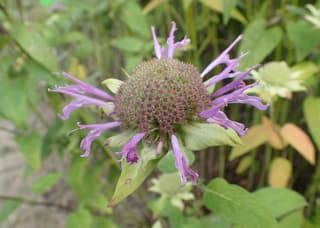
Scarlet Bee Balm
Monarda didyma
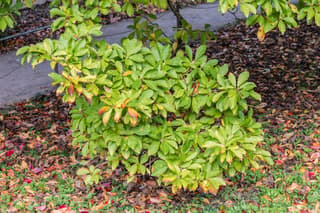
Kobus Magnolia
Magnolia kobus
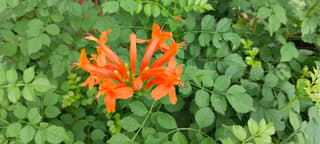
Cape Honeysuckle
Tecoma capensis
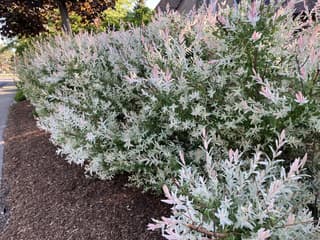
Dappled Willow
Salix integra
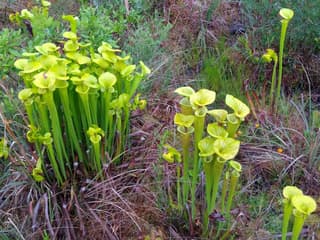
Yellow Pitcher Plant
Sarracenia flava
Ideal Pet Safe for Buckinghamshire's Climate
Buckinghamshire has an average temperature of 11.4°C and humidity of 80.7%, conditions that directly influence which pet safe best adapt to the local environment.
How to Grow Pet Safe in Buckinghamshire
To successfully grow pet safe in Buckinghamshire, consider that the average temperature of 11.4°C and humidity of 80.7% create a specific microclimate. High humidity favors tropical species, but requires attention to ventilation to prevent fungal issues.
Advantages of Choosing Adapted Pet Safe
Pet Safe adapted to Buckinghamshire's climate show greater resistance, healthy growth, and less need for interventions.