500 Best Pet Safe for Castiglione delle Stiviere | 2026 Guide - Page 13
The 500 best pet safe to grow in Castiglione delle Stiviere. Ideal climate: 14.6°C, 76% humidity.
500 Pet Safe for Castiglione delle Stiviere
Showing 433-468 of 500
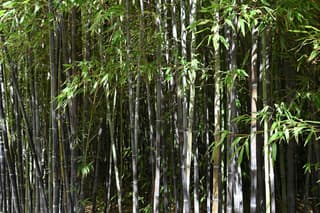
Black bamboo
Phyllostachys nigra
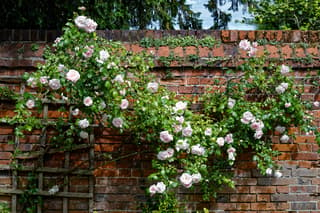
Nice Day Rose
Rosa 'CHEWNICEBELL'
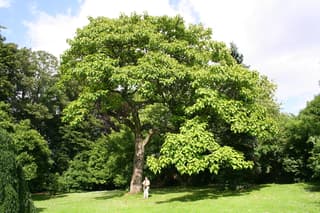
Empress Tree / Princess Tree (genus)
Paulownia
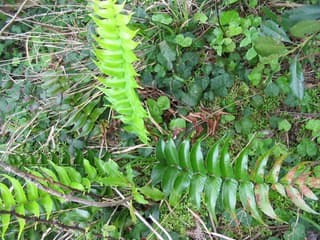
Japanese Holly Fern
Cyrtomium falcatum
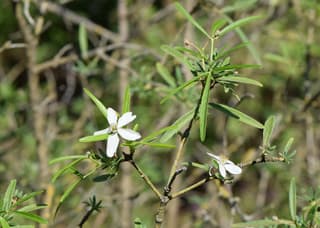
Mexican Orange Blossom (genus)
Choisya
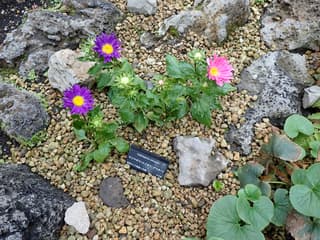
China Aster
Callistephus chinensis
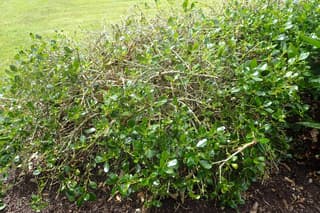
Mirror Plant
Coprosma repens
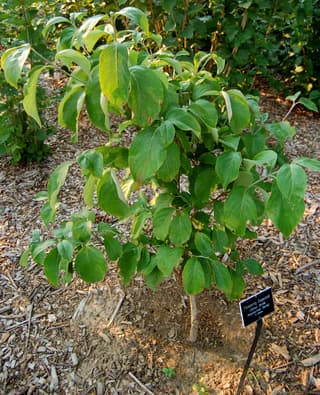
Flowering Dogwood
Cornus florida
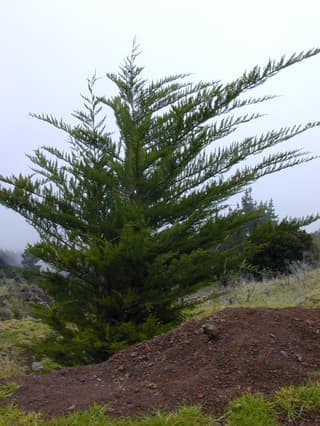
Monterey Cypress
Cupressus macrocarpa
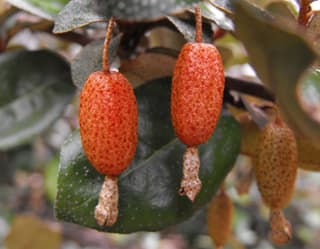
Thorny Olive
Elaeagnus pungens
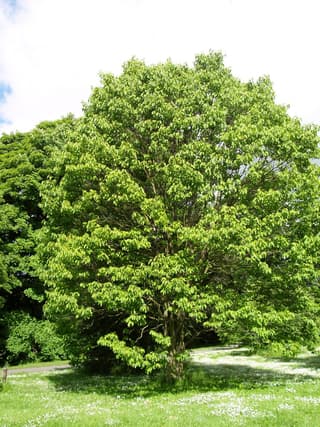
Japanese Raisin Tree
Hovenia dulcis
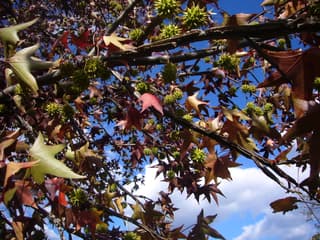
Sweetgum
Liquidambar styraciflua

Field Maple
Acer campestre
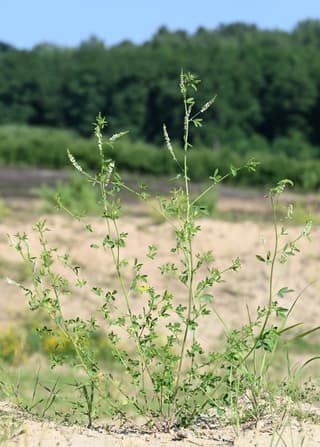
White sweet clover
Melilotus albus
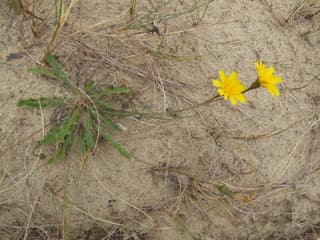
Lesser Hawkbit
Leontodon saxatilis
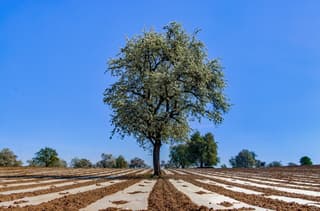
Pear
Pyrus
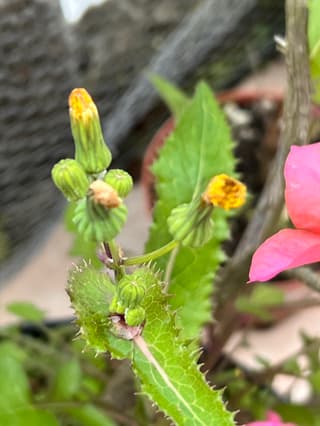
Sow Thistle
Sonchus
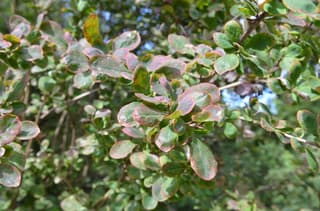
Ottawa Barberry
Berberis × ottawensis
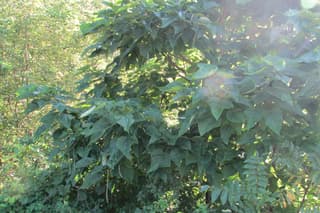
Northern Catalpa
Catalpa speciosa
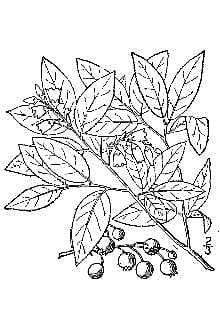
Hillside Blueberry
Vaccinium pallidum
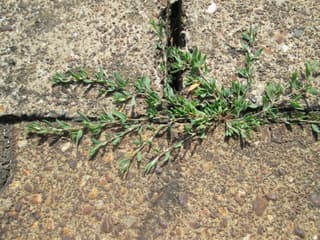
Oval-leaf Knotweed
Polygonum arenastrum
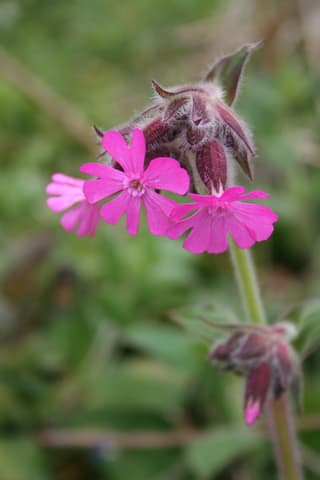
Campion
Silene
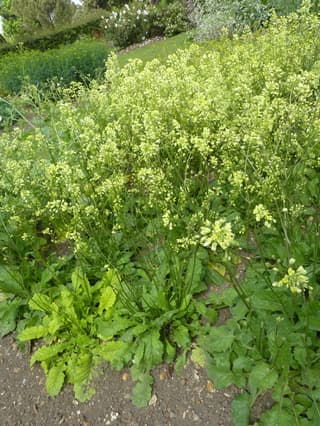
Brassica
Brassica
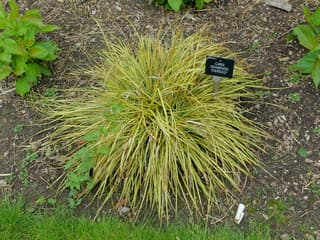
Evergold Sedge
Carex oshimensis 'Evergold'
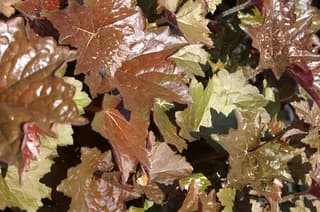
Crevice Alumroot
Heuchera micrantha
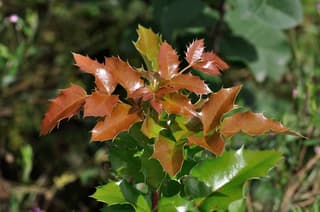
Oregon Grape
Berberis aquifolium
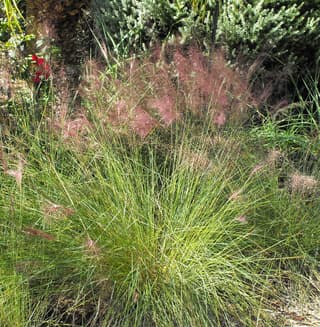
Pink Muhly Grass
Muhlenbergia capillaris
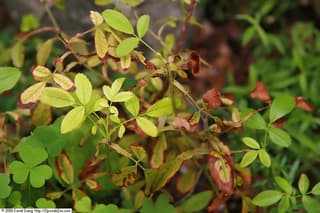
Carolina rose
Rosa carolina
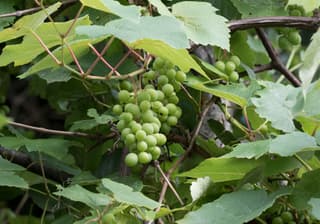
Fox Grape
Vitis labrusca
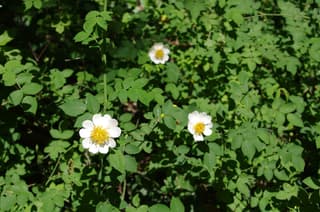
Field Rose
Rosa arvensis
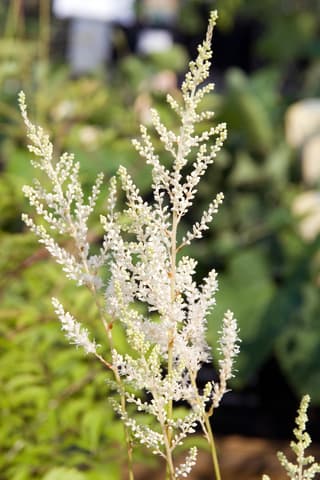
Japanese Astilbe
Astilbe japonica
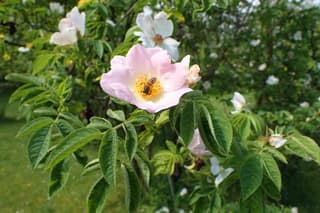
Corymb rose
Rosa corymbifera
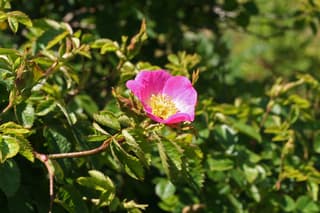
Sweet Briar
Rosa rubiginosa
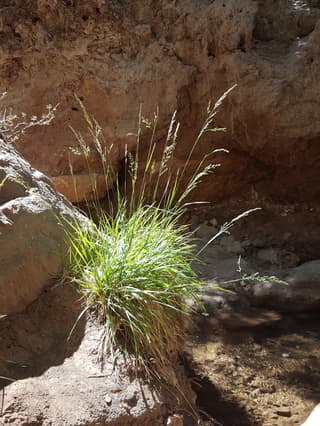
Tall Fescue
Lolium arundinaceum
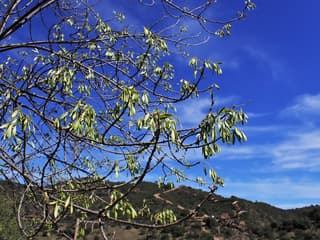
Narrow-leaved Ash
Fraxinus angustifolia
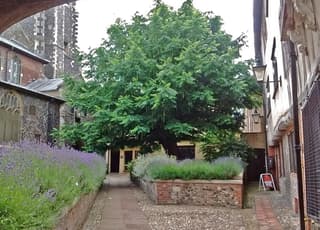
Caucasian Wingnut
Pterocarya fraxinifolia
Ideal Pet Safe for Castiglione delle Stiviere's Climate
Castiglione delle Stiviere has an average temperature of 14.6°C and humidity of 76%, conditions that directly influence which pet safe best adapt to the local environment.
How to Grow Pet Safe in Castiglione delle Stiviere
To successfully grow pet safe in Castiglione delle Stiviere, consider that the average temperature of 14.6°C and humidity of 76% create a specific microclimate. High humidity favors tropical species, but requires attention to ventilation to prevent fungal issues.
Advantages of Choosing Adapted Pet Safe
Pet Safe adapted to Castiglione delle Stiviere's climate show greater resistance, healthy growth, and less need for interventions.