500 Best Pet Safe for Chatham-Kent | 2026 Guide - Page 4
The 500 best pet safe to grow in Chatham-Kent. Ideal climate: 10.4°C, 73.9% humidity.
500 Pet Safe for Chatham-Kent
Showing 109-144 of 500

Basket Willow
Salix viminalis
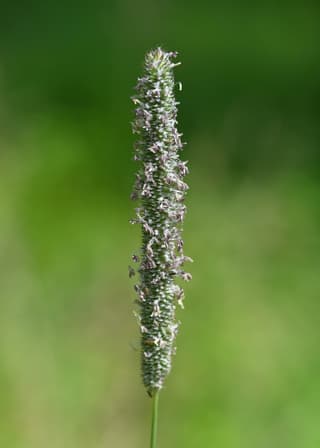
Timothy-grass
Phleum pratense
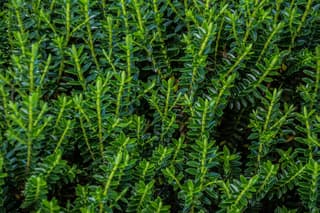
Fragrant Hebe
Hebe odora
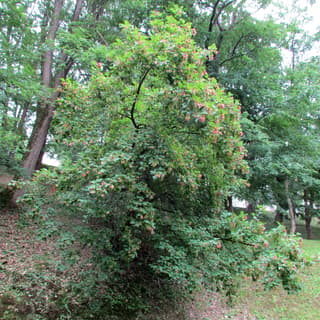
Tatarian Maple
Acer tataricum

Knotweed
Reynoutria
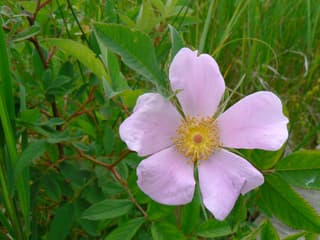
Virginia Rose
Rosa virginiana
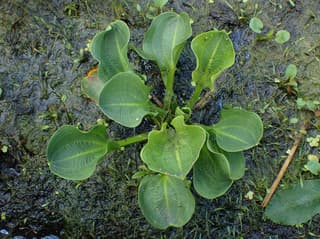
American water plantain
Alisma subcordatum
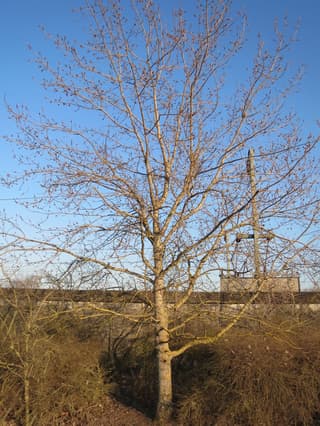
Poplar
Populus
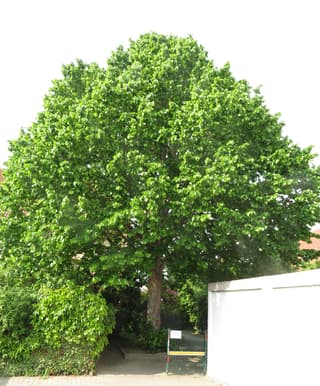
Common Hazel
Corylus avellana
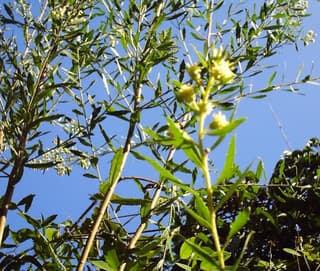
Field Rosemary
Baccharis dracunculifolia
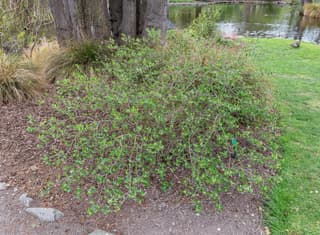
Black chokeberry
Aronia melanocarpa
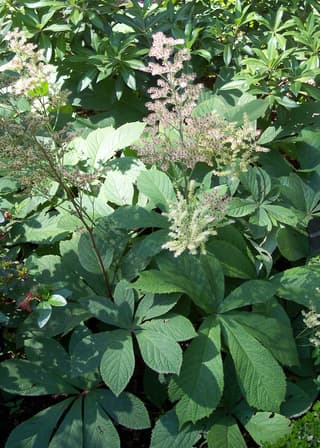
Chestnut-leaf Rodgersia
Rodgersia aesculifolia
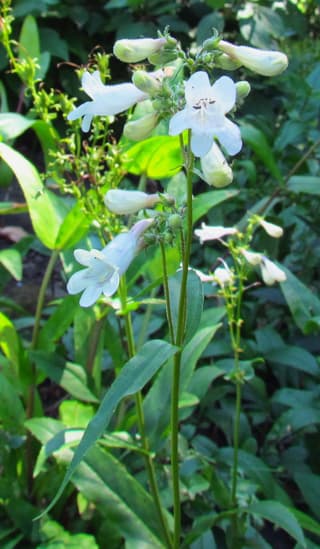
Foxglove Beardtongue
Penstemon digitalis
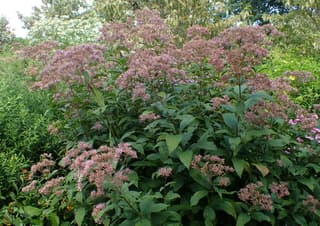
Spotted Joe-Pye Weed
Eutrochium maculatum
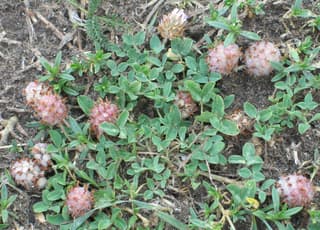
Strawberry Clover
Trifolium fragiferum
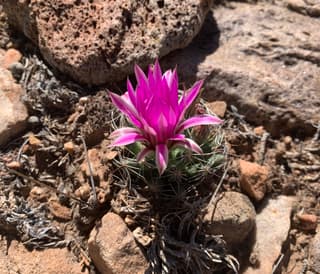
Wright's Fishhook Cactus
Cochemiea wrightii
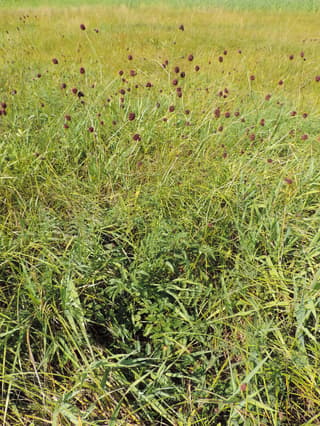
Great burnet
Sanguisorba officinalis
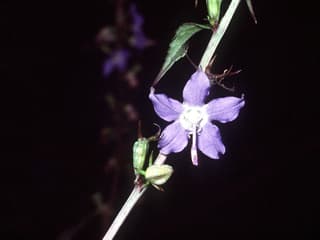
Tall Bellflower
Campanulastrum americanum

Dawn Redwood
Metasequoia glyptostroboides
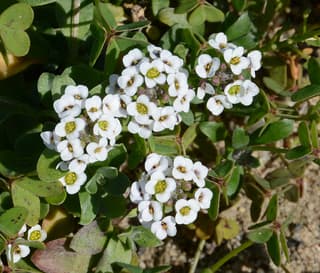
Sweet Alyssum
Lobularia maritima
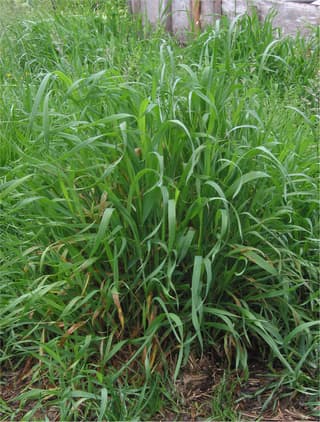
Quackgrass
Elymus repens
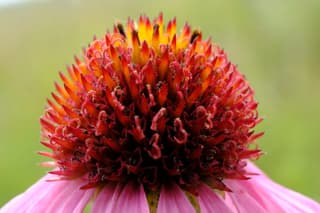
Narrow-leaf Coneflower
Echinacea angustifolia
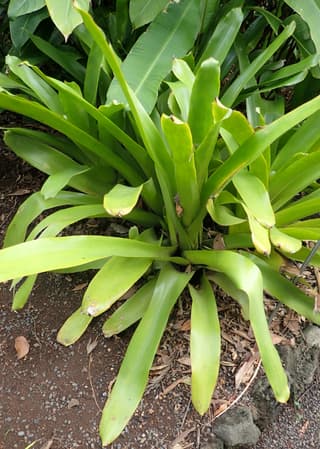
Orange Bromeliad
Aechmea blanchetiana
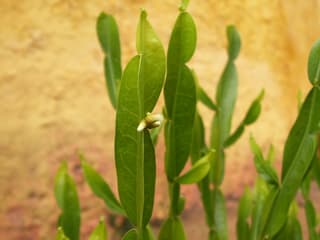
Carqueja
Baccharis trimera
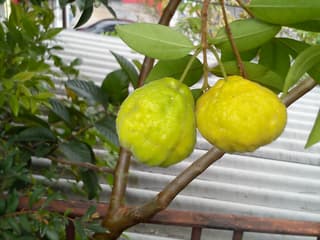
Uvaia
Eugenia pyriformis
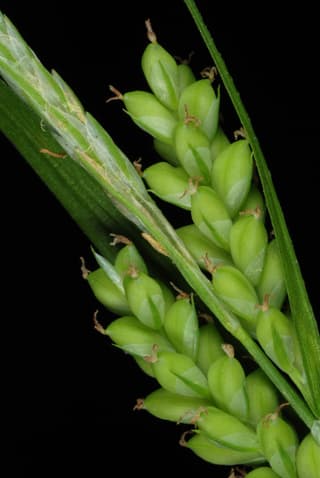
Eastern Woodland Sedge
Carex blanda

Silver Birch
Betula pendula
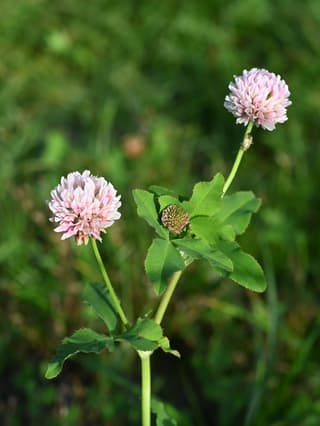
Alsike Clover
Trifolium hybridum
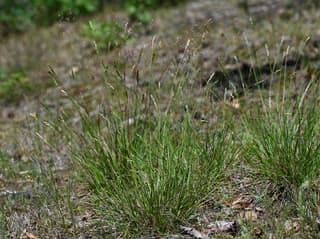
Heath-grass
Danthonia decumbens
Deceiver
Laccaria laccata
Larch bolete
Suillus grevillei
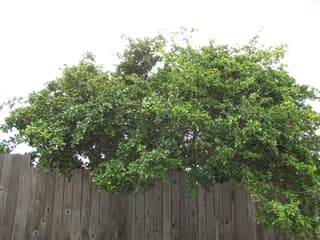
Barbados cherry
Malpighia emarginata
Cedar Cup
Geopora sumneriana
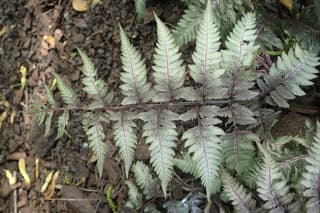
Japanese Painted Fern
Athyrium niponicum

Subalpine Fir
Abies lasiocarpa
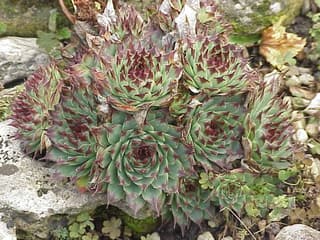
Limestone Houseleek
Sempervivum calcareum
Ideal Pet Safe for Chatham-Kent's Climate
Chatham-Kent has an average temperature of 10.4°C and humidity of 73.9%, conditions that directly influence which pet safe best adapt to the local environment.
How to Grow Pet Safe in Chatham-Kent
To successfully grow pet safe in Chatham-Kent, consider that the average temperature of 10.4°C and humidity of 73.9% create a specific microclimate. High humidity favors tropical species, but requires attention to ventilation to prevent fungal issues.
Advantages of Choosing Adapted Pet Safe
Pet Safe adapted to Chatham-Kent's climate show greater resistance, healthy growth, and less need for interventions.