500 Best Plants for Cheshire East | 2026 Guide - Page 12
Discover the 500 ideal plants for Cheshire East's climate. Average temp: 10.1°C, Humidity: 83.1%.
Top 500 Plants for Cheshire East
Showing 397-432 of 500
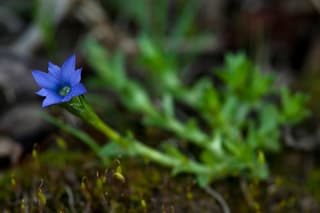
Pygmy Gentian
Gentiana prostrata
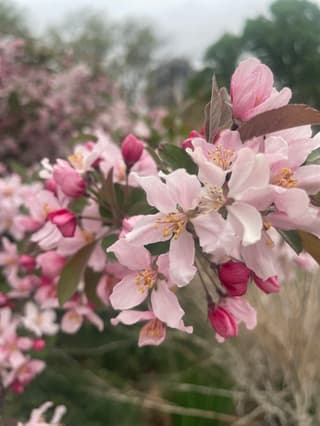
Japanese Flowering Crabapple
Malus × floribunda
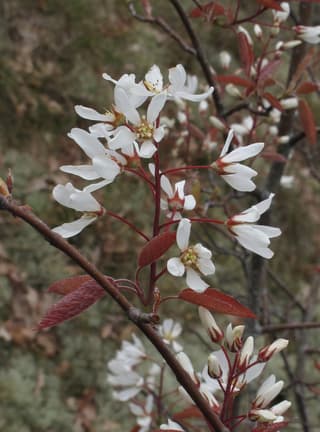
Serviceberry
Amelanchier
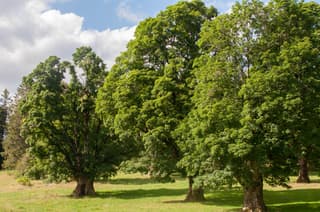
Sycamore Maple
Acer pseudoplatanus
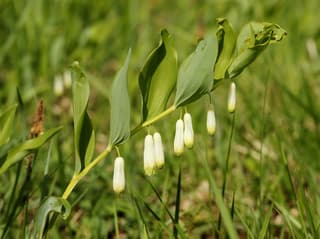
Fragrant Solomon's Seal
Polygonatum odoratum
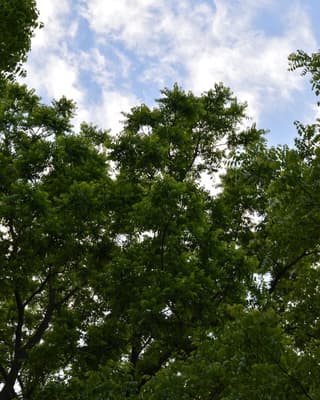
Eastern Black Walnut
Juglans nigra
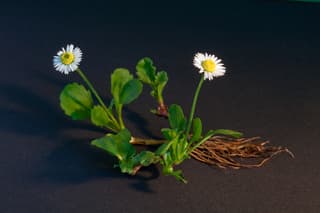
English Daisy
Bellis perennis
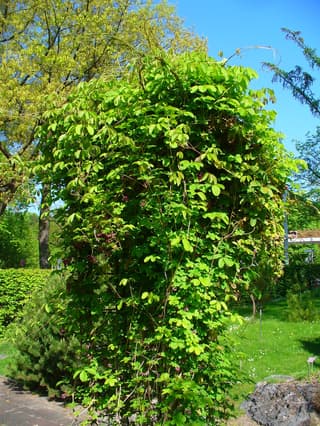
Chocolate Vine
Akebia quinata
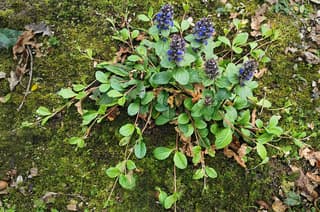
Bugleweed
Ajuga
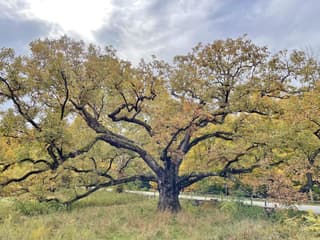
White Oak
Quercus alba
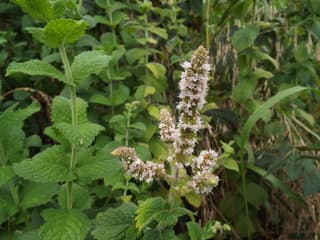
Apple Mint
Mentha × rotundifolia
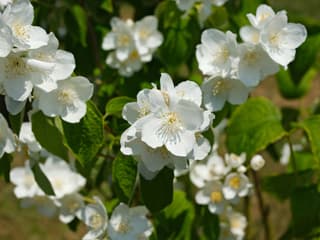
Scentless Mock Orange
Philadelphus inodorus
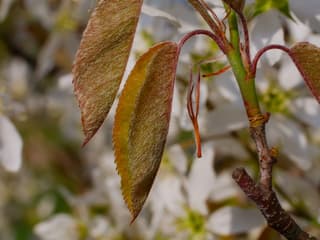
Juneberry
Amelanchier × lamarckii
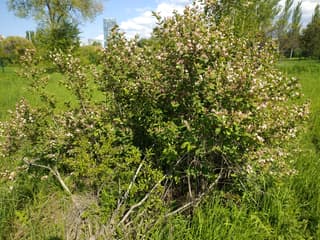
Tatarian Honeysuckle
Lonicera tatarica
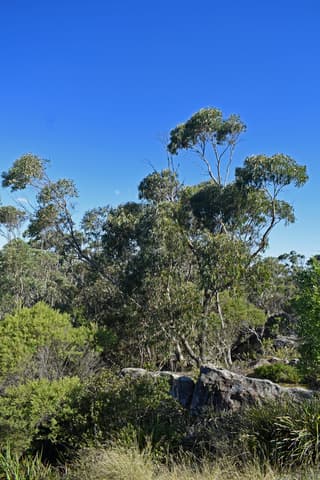
Tasmanian Blue Gum
Eucalyptus globulus
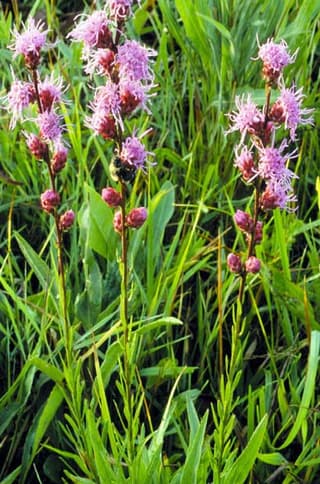
Rough Blazing Star
Liatris aspera
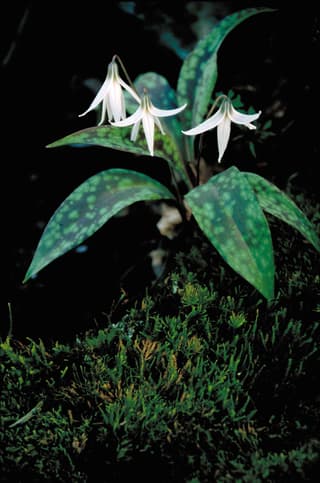
Trout Lily
Erythronium
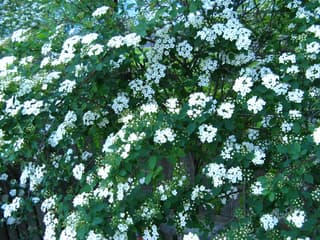
Vanhoutte Spirea
Spiraea × vanhouttei
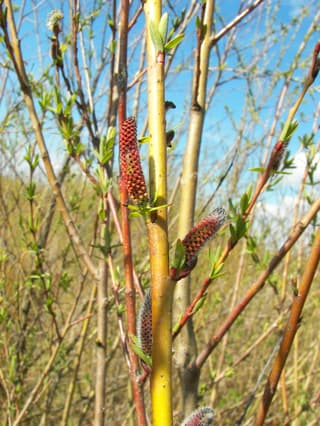
Purple Willow
Salix purpurea
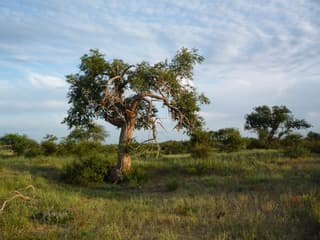
Siberian Elm
Ulmus pumila
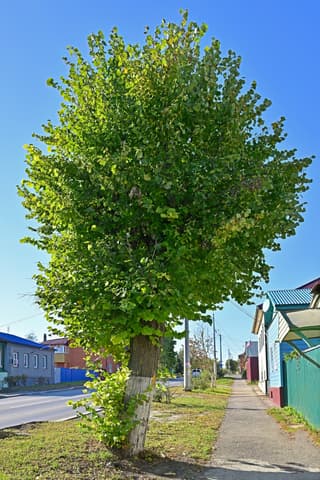
Little-leaf Linden
Tilia cordata
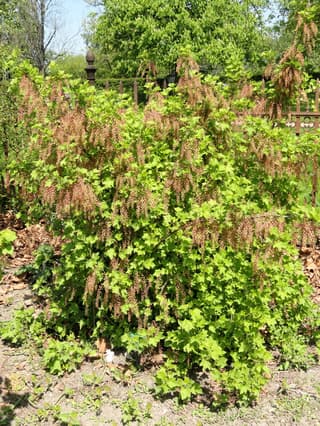
Downy Currant
Ribes spicatum
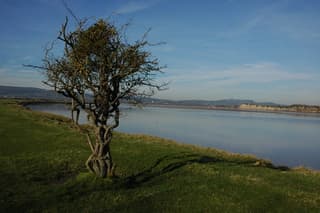
Hawthorn
Crataegus
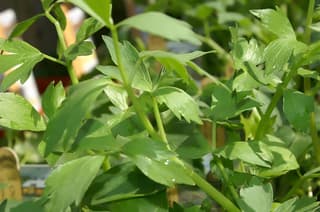
Lovage
Levisticum officinale
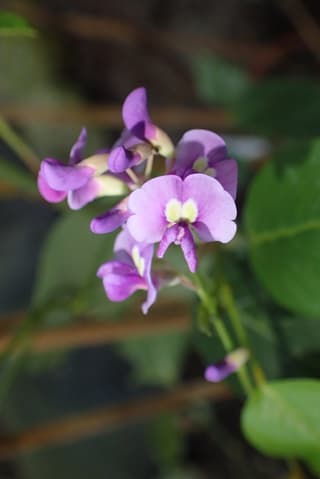
Purple Coral Pea
Hardenbergia violacea

Bougainvillea
Bougainvillea peruviana
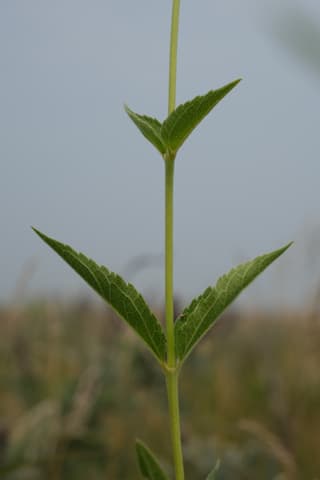
False Sunflower
Heliopsis helianthoides
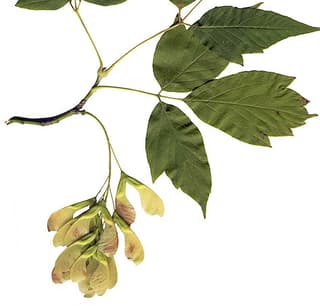
Boxelder
Acer negundo
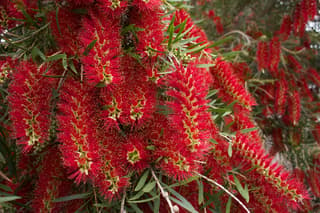
Weeping Bottlebrush
Melaleuca viminalis
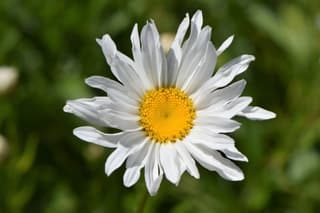
Max Chrysanthemum
Leucanthemum maximum
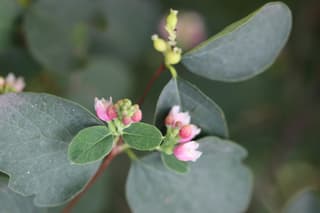
Common Snowberry
Symphoricarpos albus
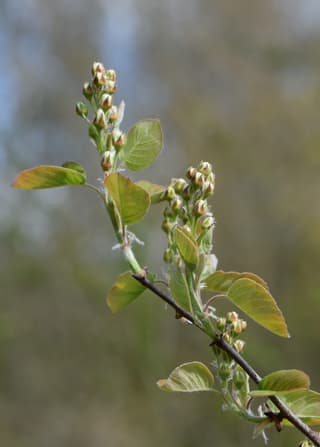
Saskatoon Serviceberry
Amelanchier alnifolia
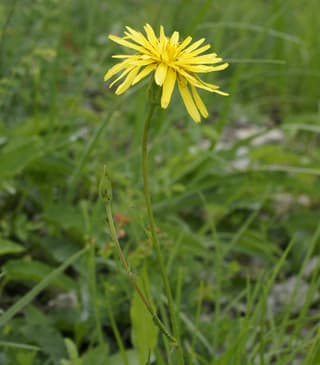
Black Salsify
Scorzonera
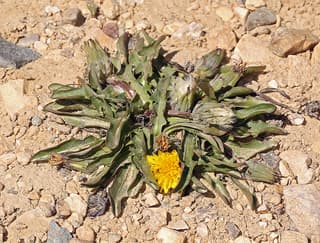
Horned Dandelion
Taraxacum ceratophorum
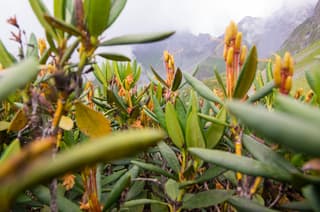
Caucasian Snow Rose
Rhododendron caucasicum
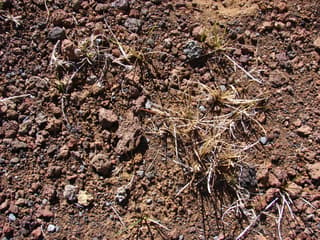
Kentucky bluegrass
Poa pratensis
Cheshire East Climate for Plant Growing
Cheshire East has a climate with an average annual temperature of 10.1°C and average relative humidity of 83.1%. These climate conditions are ideal for various species of ornamental and fruit plants.
Tips for Growing Plants in Cheshire East
To succeed in growing plants in Cheshire East, consider the average temperature of 10.1°C when choosing your species. Protect cold-sensitive plants during winter. High humidity favors tropical plants, but watch for fungal issues.
Why Choose Plants Adapted to the Local Climate?
Plants adapted to Cheshire East's climate require less care, consume less water, and are more likely to thrive. Our selection considers the compatibility between each species' needs and local climate conditions, including temperature (10.1°C) and humidity (83.1%).