500 Best Plants for Clark County | 2026 Guide - Page 5
Discover the 500 ideal plants for Clark County's climate. Average temp: 20.2°C, Humidity: 29.7%.
Top 500 Plants for Clark County
Showing 145-180 of 500
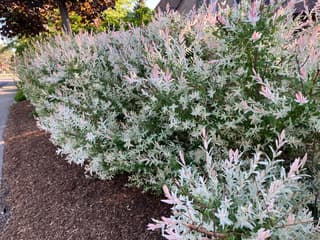
Dappled Willow 'Hakuro Nishiki'
Salix integra 'Hakuro Nishiki'
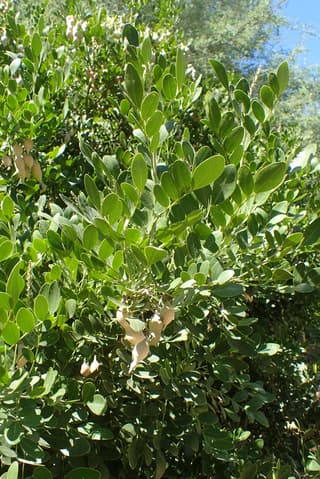
Texas mountain laurel
Dermatophyllum secundiflorum
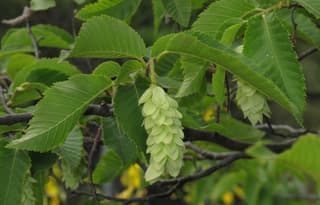
European hop-hornbeam
Ostrya carpinifolia
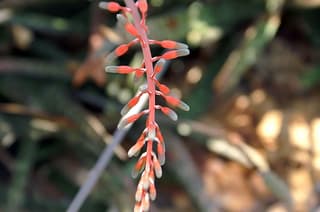
Ox tongue
Gasteria bicolor
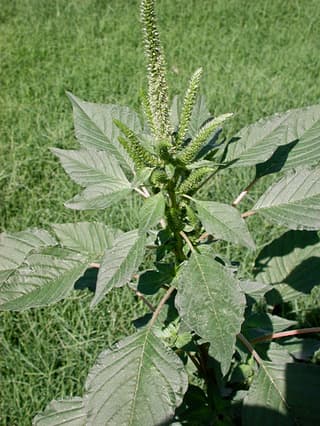
Palmer amaranth
Amaranthus palmeri
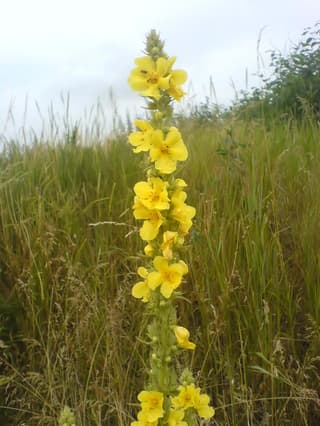
Denseflower Mullein
Verbascum densiflorum
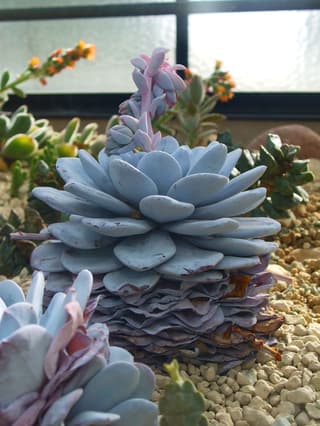
Lau's Echeveria
Echeveria laui
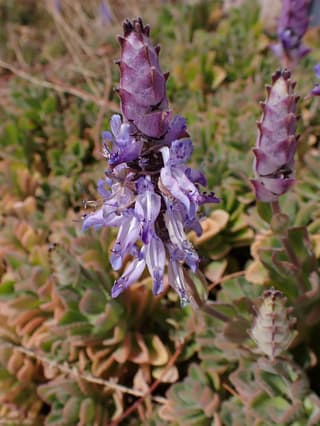
Scaredy Cat Plant
Coleus caninus
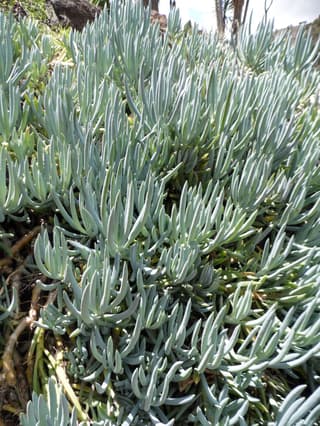
Blue Chalksticks
Curio talinoides
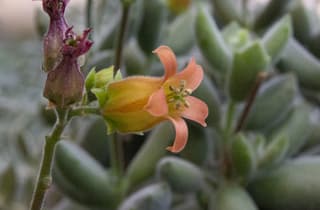
Bear's Paw
Cotyledon tomentosa

Dove's-foot Crane's-bill
Geranium molle
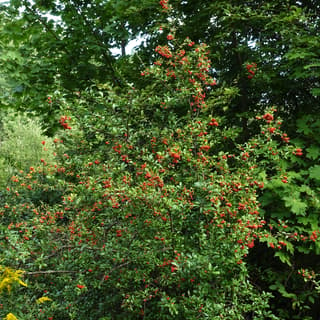
Scarlet Firethorn
Pyracantha coccinea
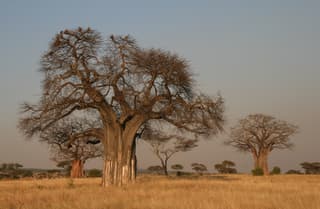
Baobab
Adansonia
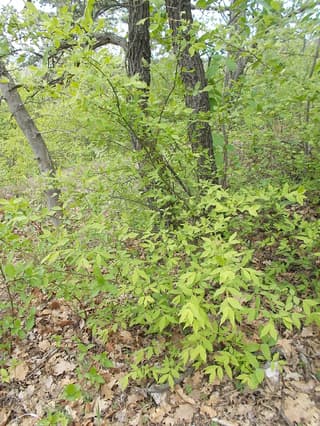
Common Dogwood
Cornus sanguinea
Maritime sunburst lichen
Xanthoria parietina
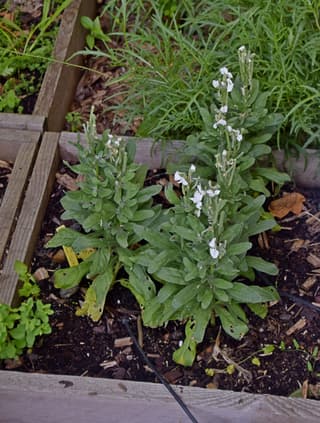
Stock
Matthiola
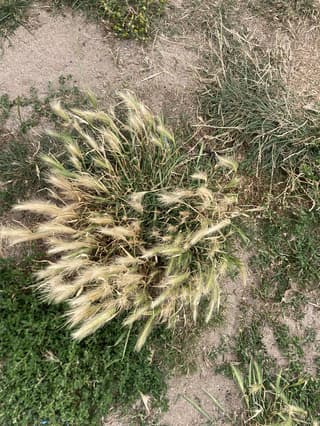
Wall barley
Hordeum murinum
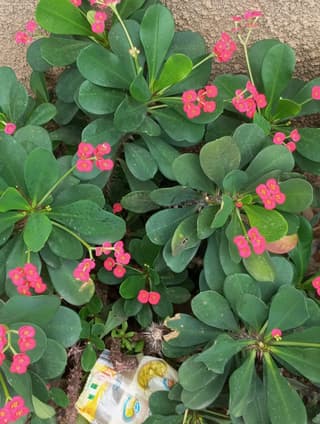
Giant crown of thorns
Euphorbia × lomii
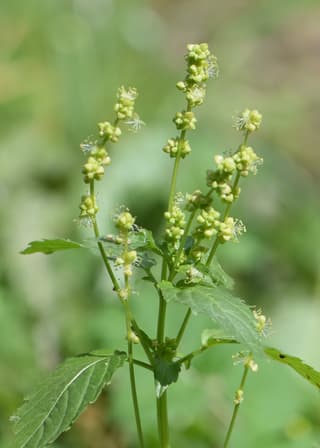
Annual mercury
Mercurialis annua
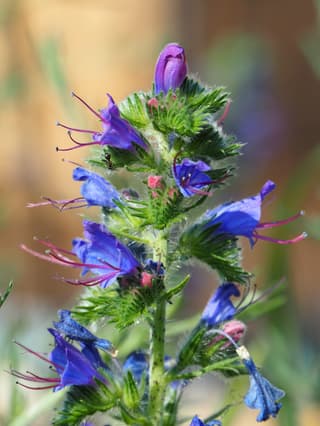
Viper's Bugloss
Echium vulgare
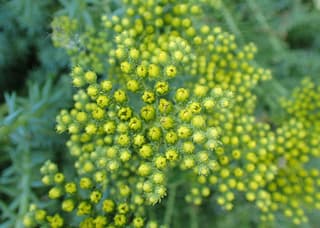
Stonecrop
Petrosedum
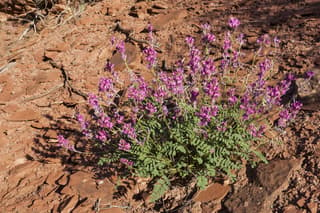
Boreal Sweet-vetch
Hedysarum boreale
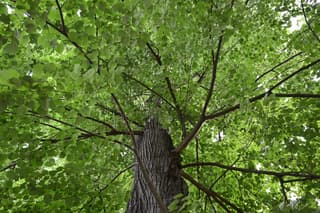
Silver Linden
Tilia tomentosa
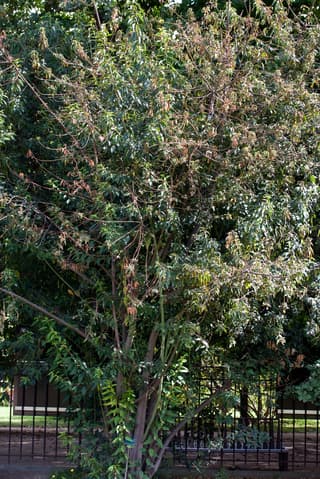
Maqui berry
Aristotelia chilensis
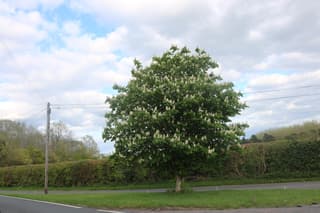
Horse Chestnut
Aesculus hippocastanum
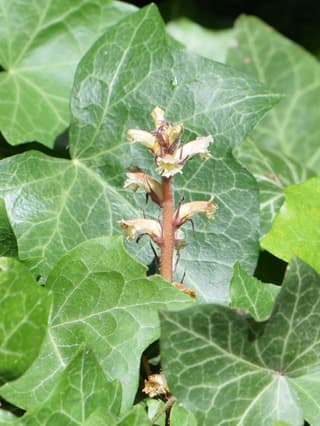
Ivy Broomrape
Orobanche hederae
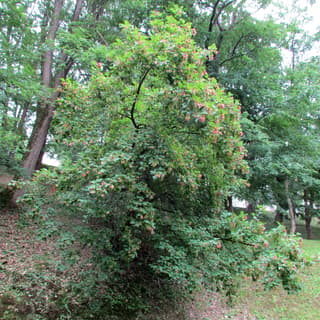
Tatarian Maple
Acer tataricum
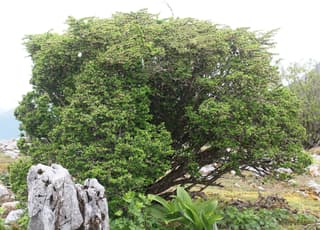
Japanese Barberry
Berberis thunbergii
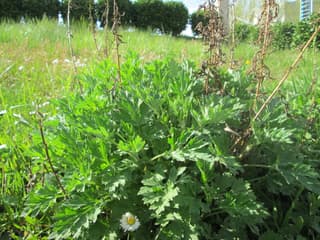
Mugwort
Artemisia vulgaris
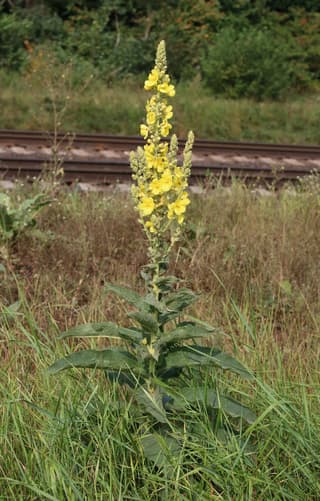
Orange Mullein
Verbascum phlomoides
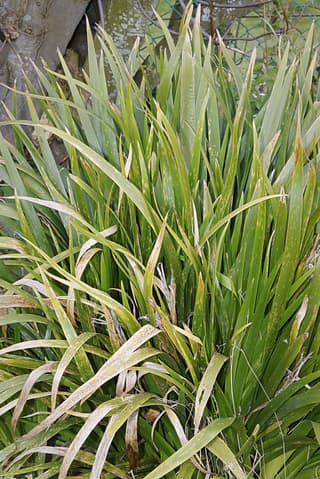
Stinking Iris
Iris foetidissima
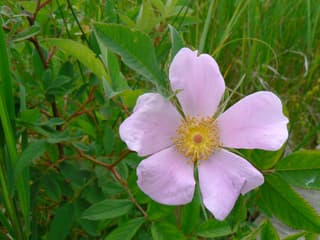
Virginia Rose
Rosa virginiana
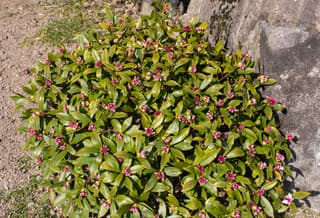
Winter daphne
Daphne odora
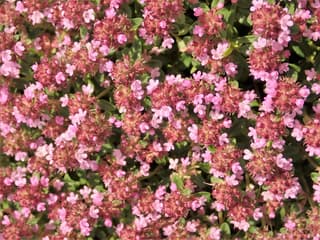
Wild Thyme
Thymus serpyllum
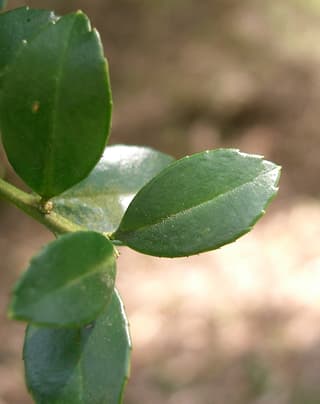
Japanese Holly 'Helleri'
Ilex crenata 'Helleri'
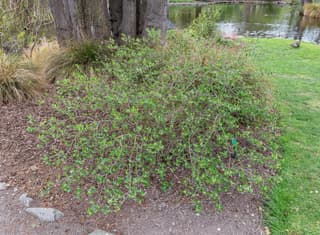
Black chokeberry
Aronia melanocarpa
Clark County Climate for Plant Growing
Clark County has a climate with an average annual temperature of 20.2°C and average relative humidity of 29.7%. These climate conditions are ideal for various species of ornamental and fruit plants.
Tips for Growing Plants in Clark County
To succeed in growing plants in Clark County, consider the average temperature of 20.2°C when choosing your species. The temperate climate allows you to grow a wide variety of species. Water more frequently due to low humidity.
Why Choose Plants Adapted to the Local Climate?
Plants adapted to Clark County's climate require less care, consume less water, and are more likely to thrive. Our selection considers the compatibility between each species' needs and local climate conditions, including temperature (20.2°C) and humidity (29.7%).