500 Best Pet Safe for Coité do Nóia | 2026 Guide - Page 6
The 500 best pet safe to grow in Coité do Nóia. Ideal climate: 24.6°C, 78.7% humidity.
500 Pet Safe for Coité do Nóia
Showing 181-216 of 500
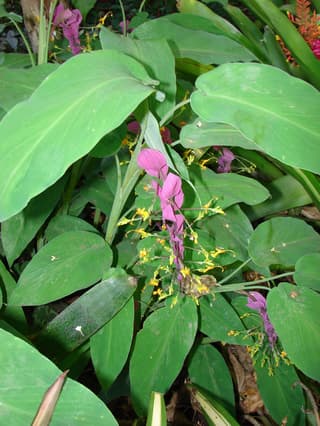
Dancing Lady Ginger
Globba winitii
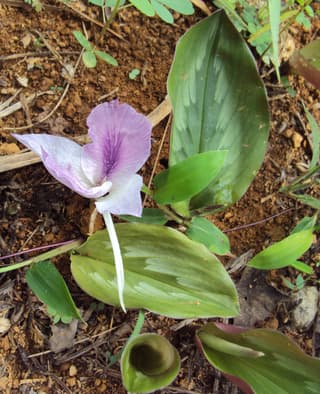
Resurrection Lily
Kaempferia rotunda
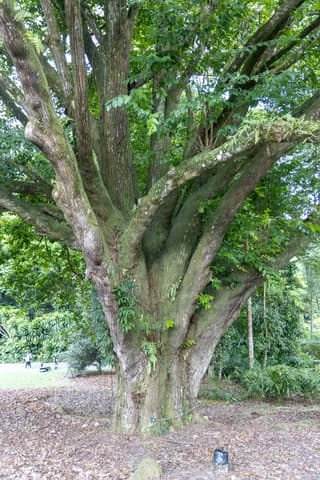
Paradise Nut
Lecythis pisonis
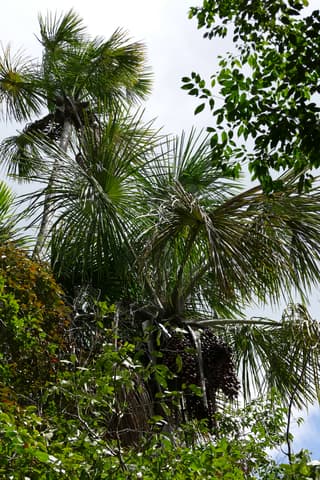
Moriche Palm
Mauritia flexuosa
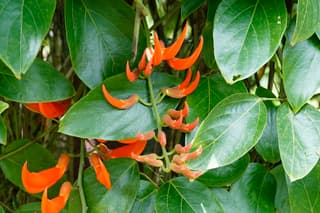
New Guinea Creeper
Mucuna bennettii
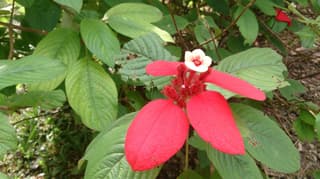
Ashanti Blood
Mussaenda erythrophylla
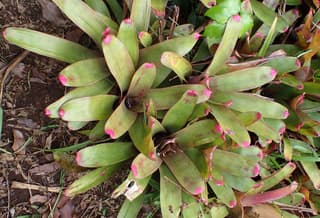
Blushing Bromeliad
Neoregelia sp
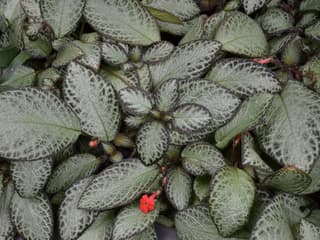
Flame Violet
Episcia reptans
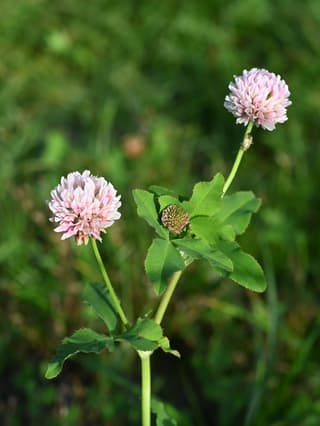
Alsike Clover
Trifolium hybridum
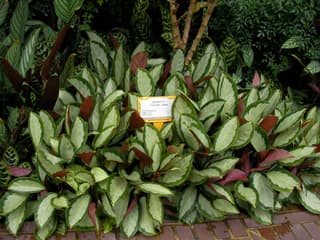
Calathea Picturata
Goeppertia picturata
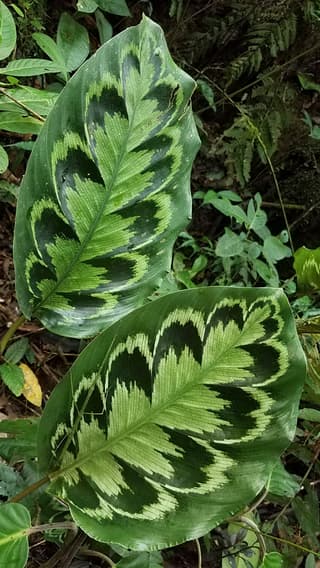
Medallion Calathea
Goeppertia veitchiana
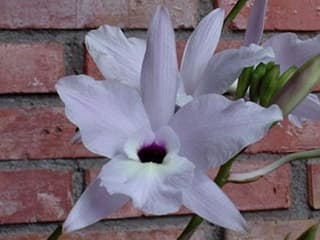
Rosy Tinted Laelia
Laelia rubescens
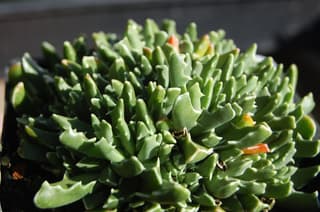
Tiger's Jaws
Faucaria bosscheana
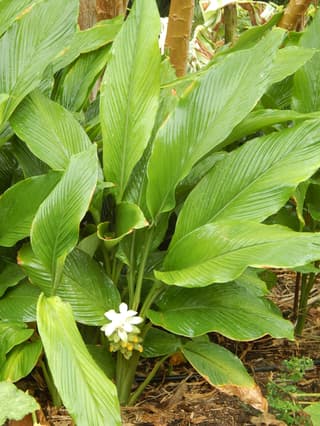
Turmeric
Curcuma longa
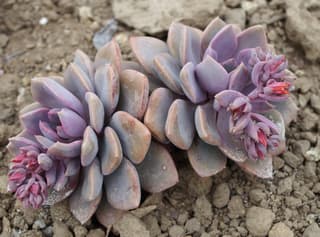
Graptoveria
× Graptoveria
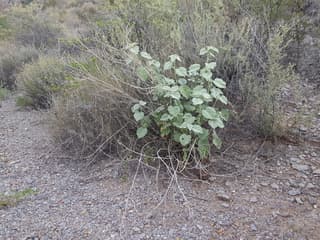
Abutilon Hybrid
Abutilon
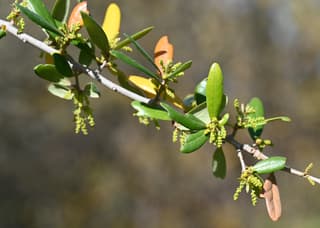
Southern Live Oak
Quercus virginiana
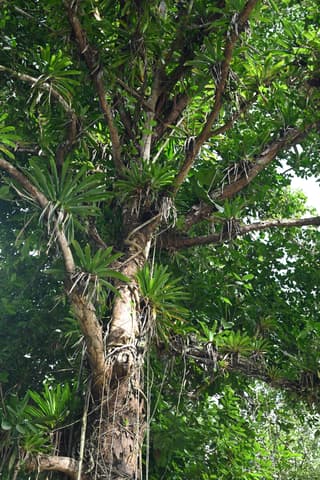
Guzmania
Guzmania
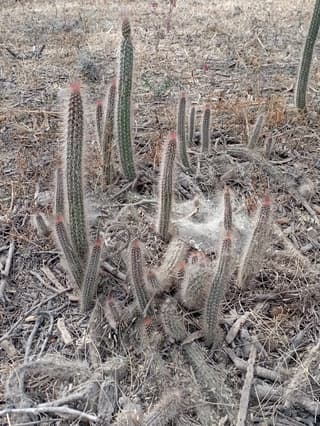
Snake Cactus, Junco, Queen of the Night
Nyctocereus serpentinus
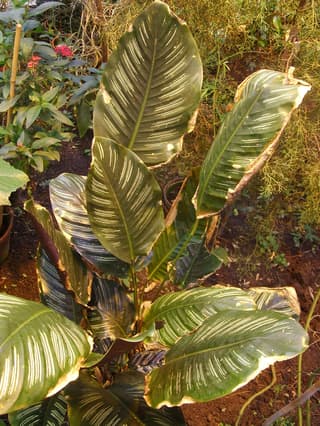
White Star Calathea
Goeppertia majestica
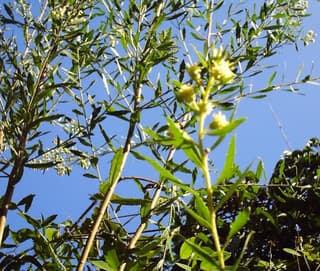
Field Rosemary
Baccharis dracunculifolia
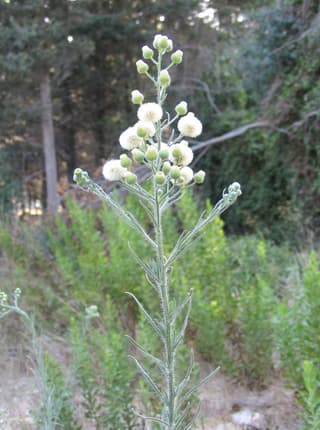
Argentine fleabane
Conyza bonariensis
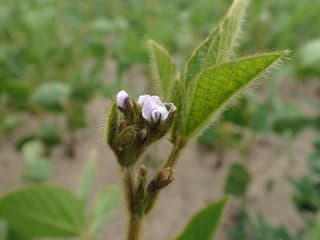
Soybean
Glycine max
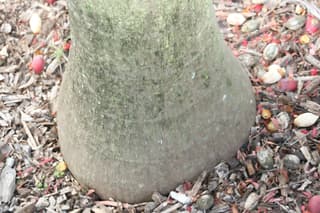
Montgomery Palm
Veitchia arecina
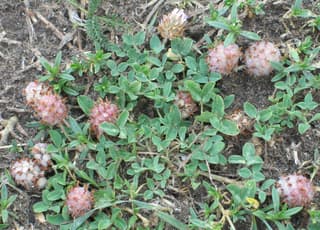
Strawberry Clover
Trifolium fragiferum
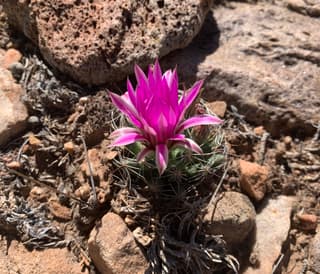
Wright's Fishhook Cactus
Cochemiea wrightii
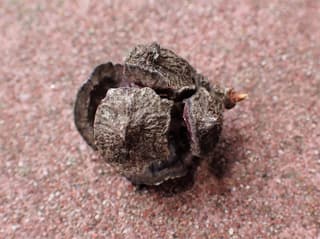
Mexican Cypress
Cupressus lusitanica
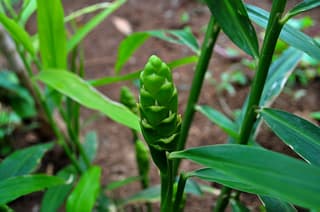
Ginger
Zingiber officinale
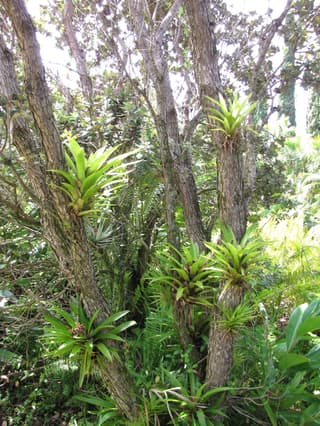
West Indian Tufted Airplant
Guzmania monostachia
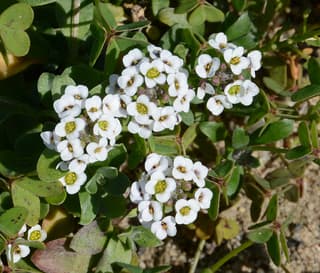
Sweet Alyssum
Lobularia maritima
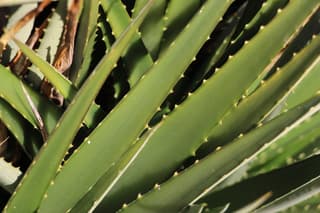
Sawblade Dyckia
Dyckia brevifolia
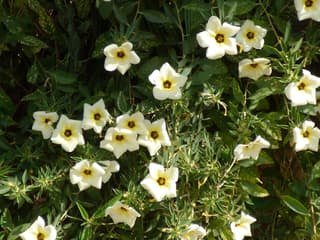
White Buttercup
Turnera subulata
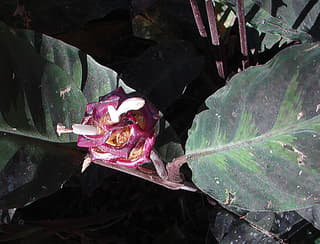
Jungle Velvet Calathea
Goeppertia warszewiczii
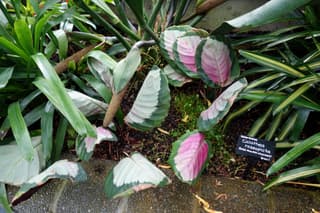
Rose Painted Calathea
Calathea roseopicta
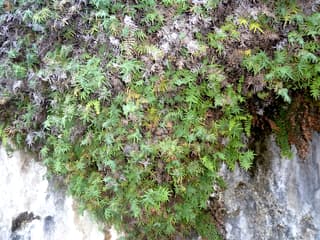
Coral Fern
Gleichenia polypodioides
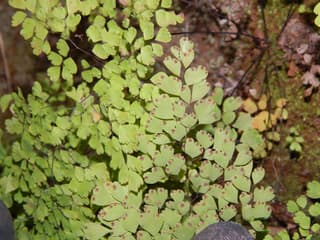
Delta Maidenhair Fern
Adiantum raddianum
Ideal Pet Safe for Coité do Nóia's Climate
Coité do Nóia has an average temperature of 24.6°C and humidity of 78.7%, conditions that directly influence which pet safe best adapt to the local environment.
How to Grow Pet Safe in Coité do Nóia
To successfully grow pet safe in Coité do Nóia, consider that the average temperature of 24.6°C and humidity of 78.7% create a specific microclimate. High humidity favors tropical species, but requires attention to ventilation to prevent fungal issues.
Advantages of Choosing Adapted Pet Safe
Pet Safe adapted to Coité do Nóia's climate show greater resistance, healthy growth, and less need for interventions.