500 Best Plants for Fargo | 2026 Guide - Page 10
Discover the 500 ideal plants for Fargo's climate. Average temp: 7.5°C, Humidity: 70.4%.
Top 500 Plants for Fargo
Showing 325-360 of 500
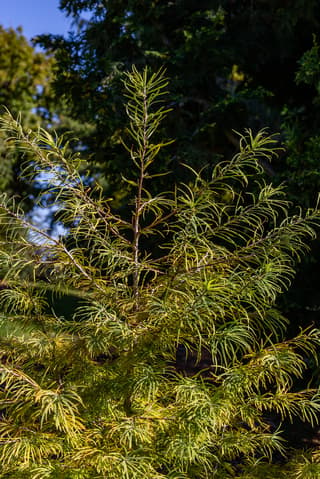
Golden Larch
Pseudolarix amabilis
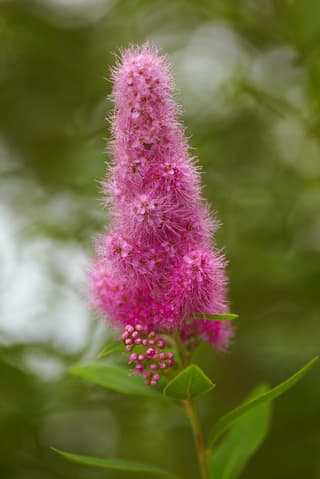
Billard Spiraea
Spiraea billardii
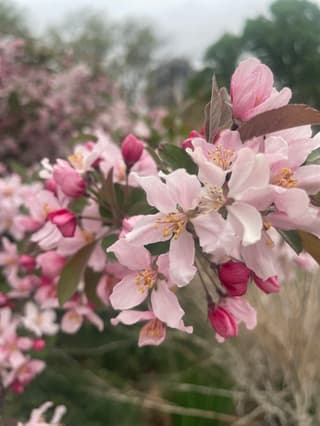
Japanese Flowering Crabapple
Malus × floribunda
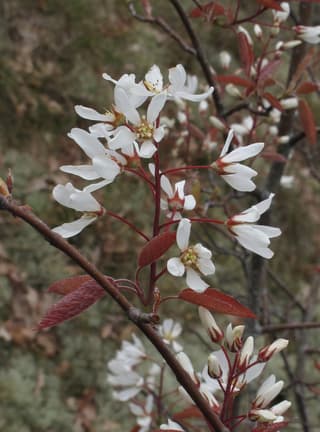
Serviceberry
Amelanchier
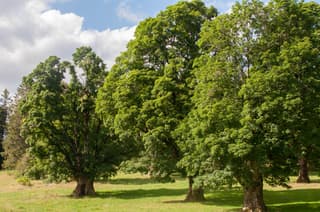
Sycamore Maple
Acer pseudoplatanus
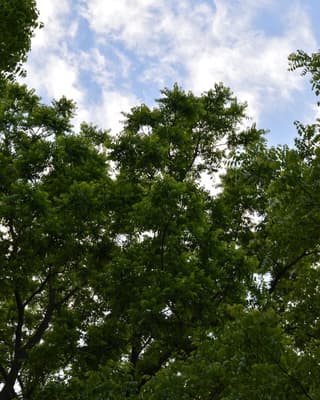
Eastern Black Walnut
Juglans nigra
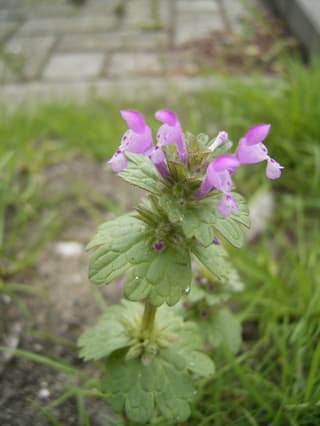
Henbit Dead-nettle
Lamium amplexicaule
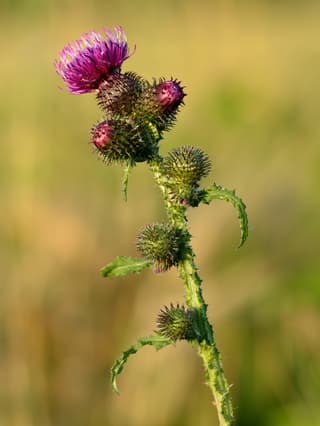
Thistle
Carduus
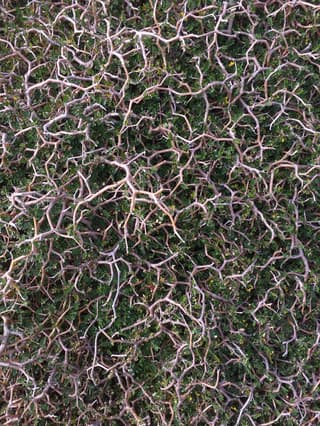
Dwarf Kowhai
Sophora prostrata
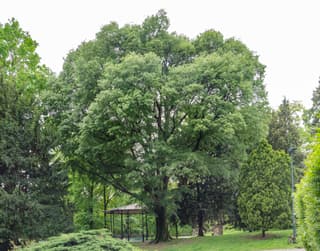
European Nettle Tree
Celtis australis
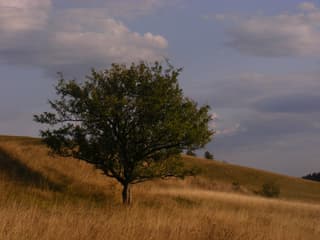
European Crab Apple
Malus sylvestris
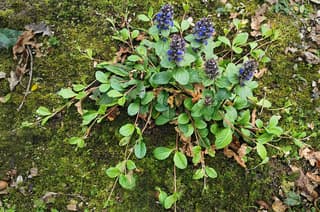
Bugleweed
Ajuga
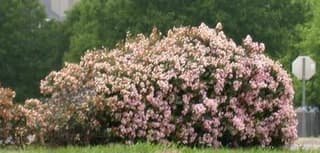
Indian Hawthorn
Rhaphiolepis indica
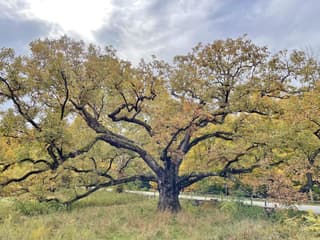
White Oak
Quercus alba
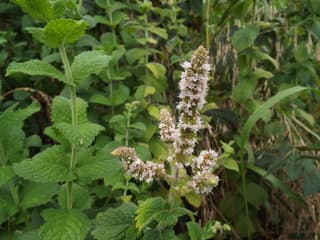
Apple Mint
Mentha × rotundifolia
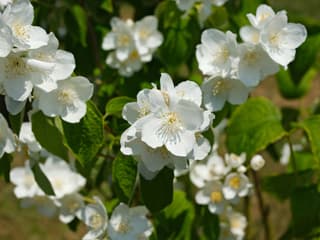
Scentless Mock Orange
Philadelphus inodorus
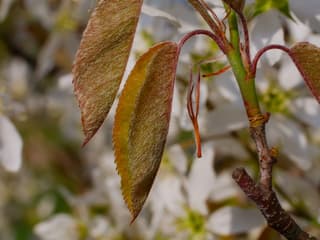
Juneberry
Amelanchier × lamarckii
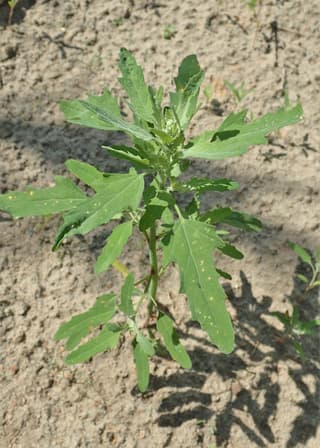
Fig-leaved Goosefoot
Chenopodium ficifolium
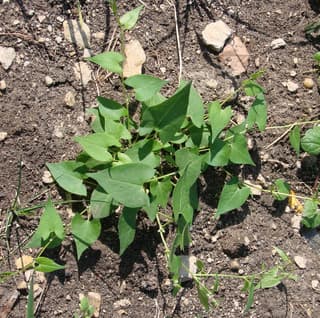
Black bindweed
Fallopia convolvulus
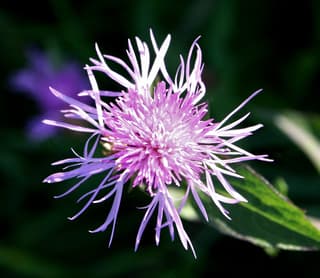
Tyrol Knapweed
Centaurea nigrescens
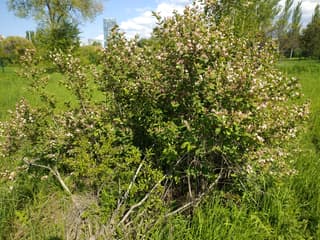
Tatarian Honeysuckle
Lonicera tatarica
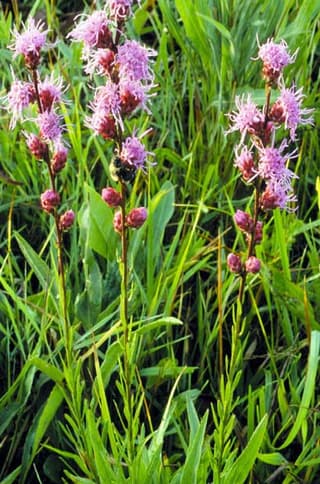
Rough Blazing Star
Liatris aspera
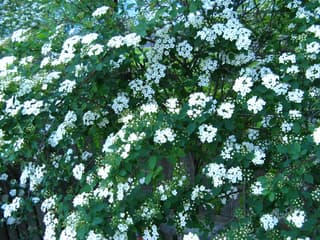
Vanhoutte Spirea
Spiraea × vanhouttei
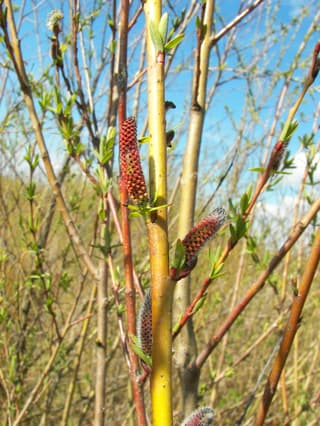
Purple Willow
Salix purpurea
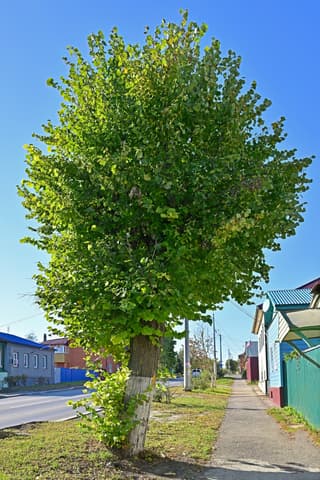
Little-leaf Linden
Tilia cordata

Hawthorn
Crataegus
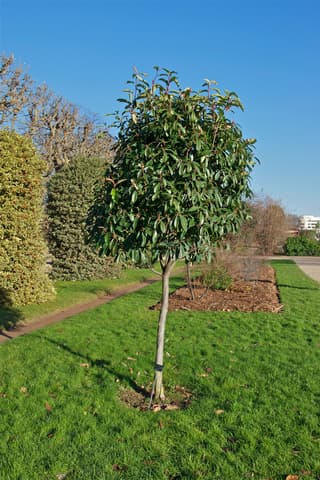
Chinese Photinia
Photinia serratifolia
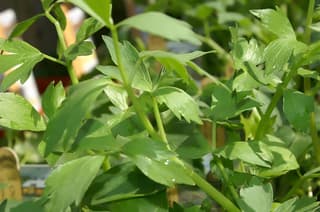
Lovage
Levisticum officinale
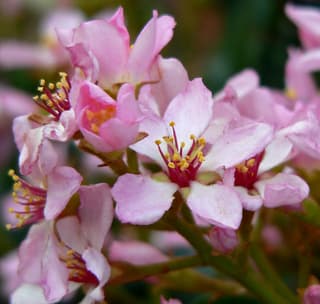
Indian Hawthorn
Rhaphiolepis
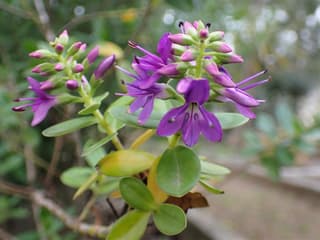
Franciscan Hebe
Veronica × franciscana
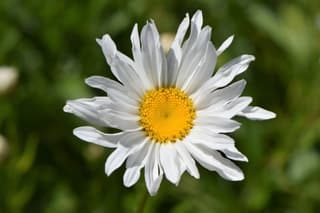
Max Chrysanthemum
Leucanthemum maximum
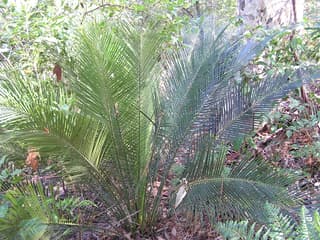
Burrawang
Macrozamia
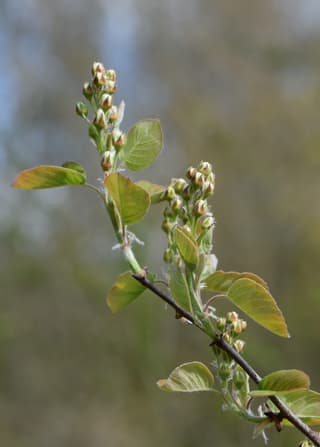
Saskatoon Serviceberry
Amelanchier alnifolia
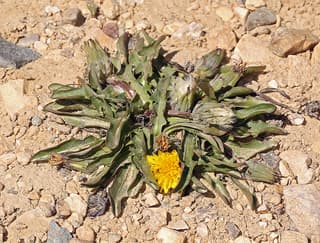
Horned Dandelion
Taraxacum ceratophorum
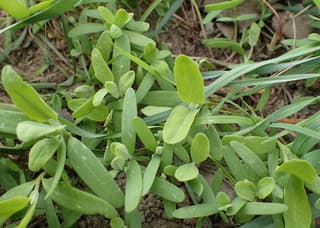
Common Orache
Atriplex patula
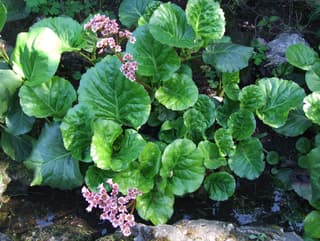
Heart-leaved Bergenia
Bergenia crassifolia
Fargo Climate for Plant Growing
Fargo has a climate with an average annual temperature of 7.5°C and average relative humidity of 70.4%. These climate conditions are ideal for various species of ornamental and fruit plants.
Tips for Growing Plants in Fargo
To succeed in growing plants in Fargo, consider the average temperature of 7.5°C when choosing your species. Protect cold-sensitive plants during winter. High humidity favors tropical plants, but watch for fungal issues.
Why Choose Plants Adapted to the Local Climate?
Plants adapted to Fargo's climate require less care, consume less water, and are more likely to thrive. Our selection considers the compatibility between each species' needs and local climate conditions, including temperature (7.5°C) and humidity (70.4%).