500 Best Easy Care for Forte dei Marmi | 2026 Guide - Page 11
The 500 best easy care to grow in Forte dei Marmi. Ideal climate: 15.8°C, 74.9% humidity.
500 Easy Care for Forte dei Marmi
Showing 361-396 of 500
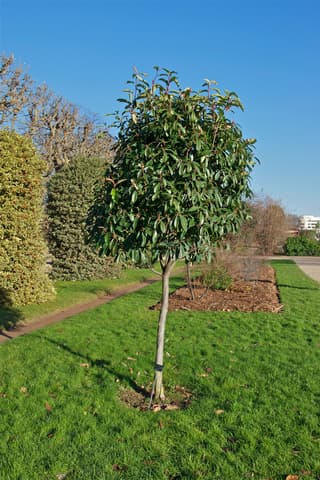
Chinese Photinia
Photinia serratifolia
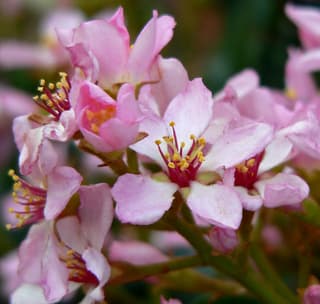
Indian Hawthorn
Rhaphiolepis
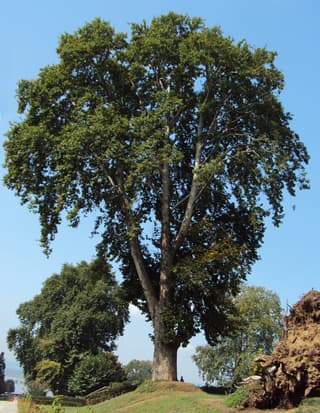
Oriental Plane
Platanus orientalis

Arugula
Eruca vesicaria
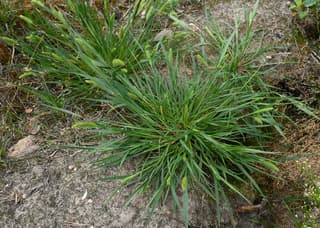
Green Foxtail
Setaria viridis
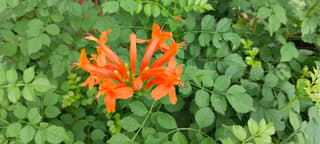
Cape Honeysuckle
Tecoma capensis
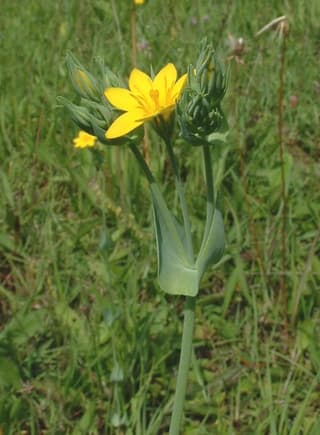
Yellow-wort
Blackstonia perfoliata
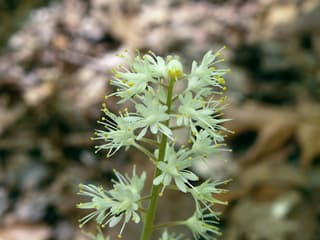
Foamflower
Tiarella cordifolia
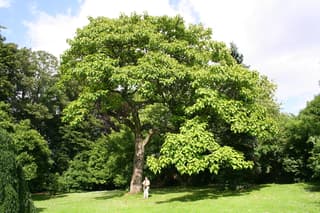
Empress Tree / Princess Tree (genus)
Paulownia
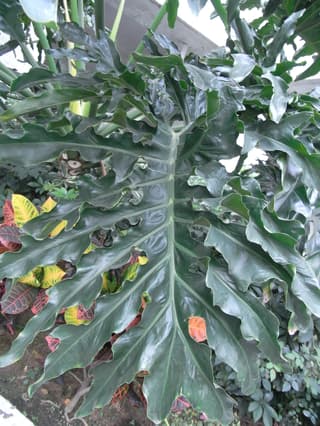
Tree Philodendron
Philodendron bipinnatifidum
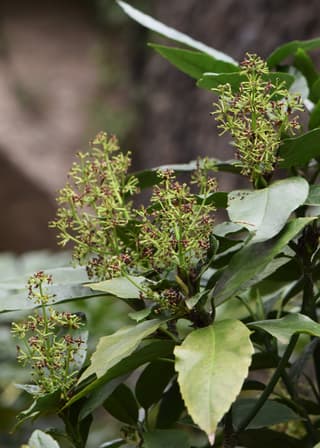
Japanese Laurel / Spotted Laurel (genus)
Aucuba
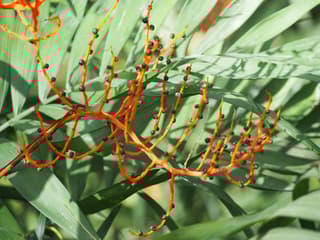
Parlor Palm
Chamaedorea elegans
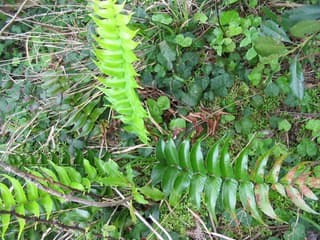
Japanese Holly Fern
Cyrtomium falcatum
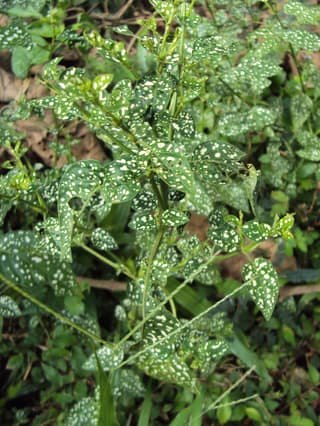
Polka Dot Plant
Hypoestes phyllostachya
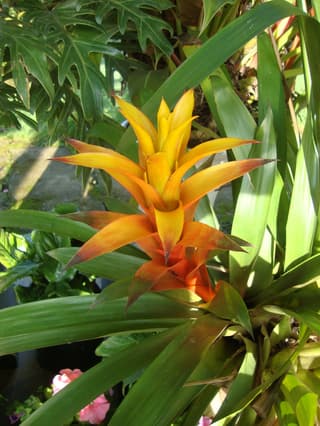
Scarlet Star
Guzmania lingulata
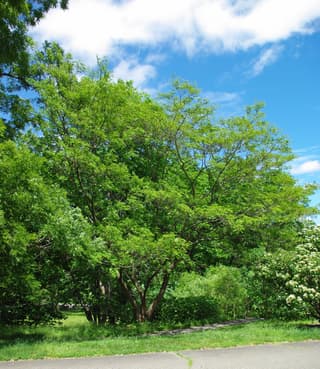
Silk Tree
Albizia julibrissin
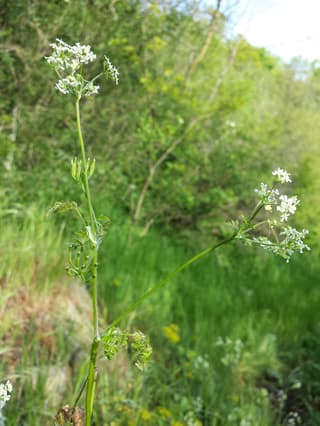
Chervil
Anthriscus cerefolium
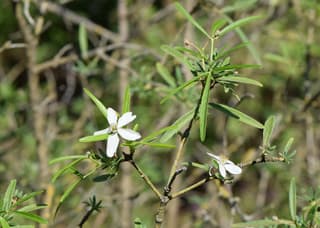
Mexican Orange Blossom (genus)
Choisya
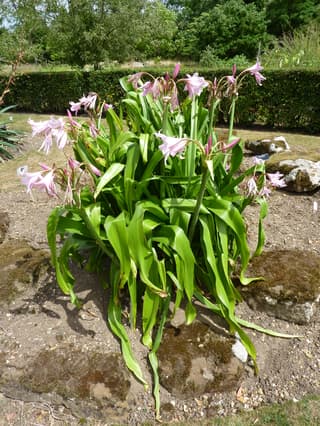
Powell's Crinum Lily
Crinum x powellii
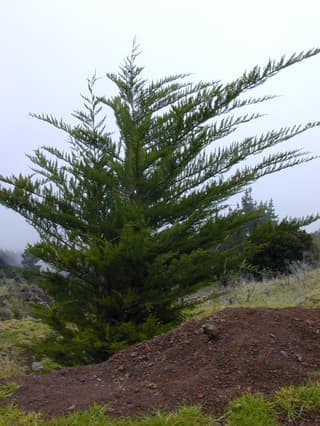
Monterey Cypress
Cupressus macrocarpa
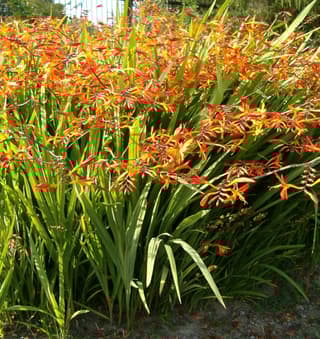
Montbretia
Crocosmia crocosmiiflora
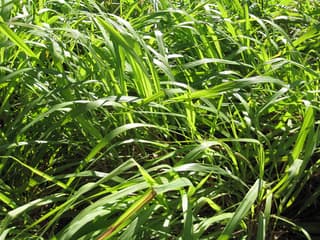
Java Citronella
Cymbopogon winterianus
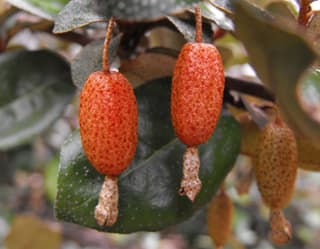
Thorny Olive
Elaeagnus pungens
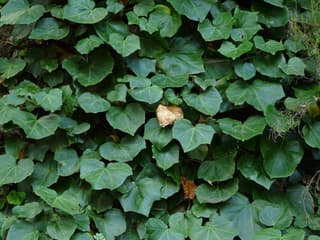
Algerian Ivy
Hedera canariensis
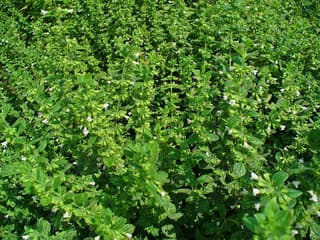
Lemon Balm
Melissa officinalis
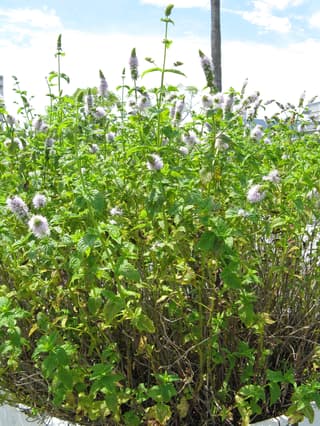
Mint
Mentha sp

Field Maple
Acer campestre
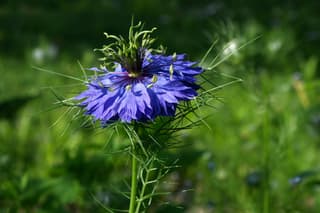
Love-in-a-mist
Nigella damascena
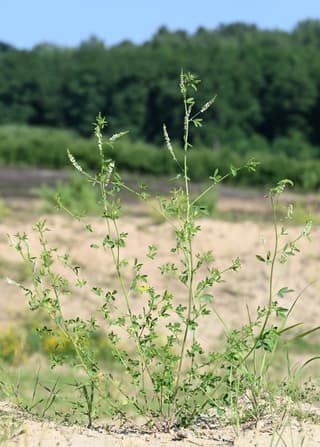
White sweet clover
Melilotus albus
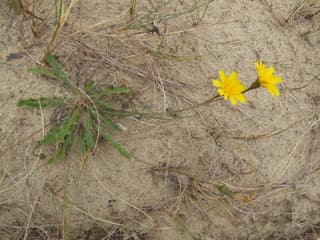
Lesser Hawkbit
Leontodon saxatilis
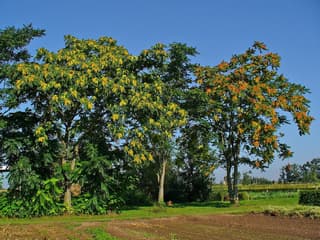
Tree of Heaven
Ailanthus
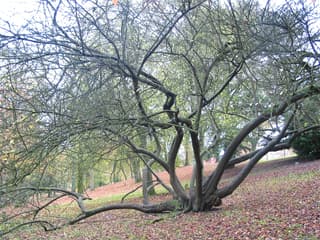
Cherry Plum
Prunus cerasifera
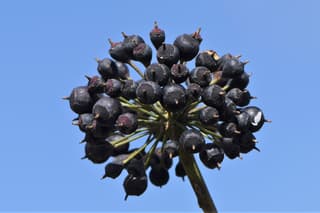
Atlantic Ivy
Hedera hibernica
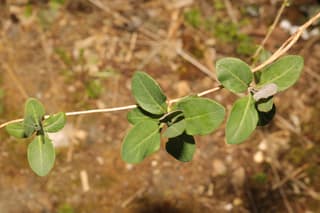
Honeysuckle
Lonicera
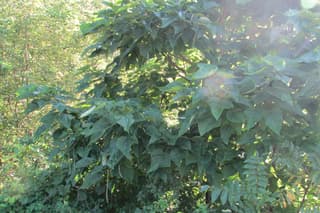
Northern Catalpa
Catalpa speciosa
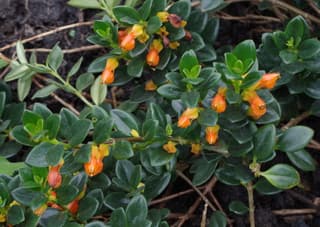
Goldfish Plant
Nematanthus gregarius
Ideal Easy Care for Forte dei Marmi's Climate
Forte dei Marmi has an average temperature of 15.8°C and humidity of 74.9%, conditions that directly influence which easy care best adapt to the local environment.
How to Grow Easy Care in Forte dei Marmi
To successfully grow easy care in Forte dei Marmi, consider that the average temperature of 15.8°C and humidity of 74.9% create a specific microclimate. High humidity favors tropical species, but requires attention to ventilation to prevent fungal issues.
Advantages of Choosing Adapted Easy Care
Easy Care adapted to Forte dei Marmi's climate show greater resistance, healthy growth, and less need for interventions.