210 Best Foliage Plants for Grand Island | 2026 Guide
The 210 best foliage plants to grow in Grand Island. Ideal climate: 11.6°C, 63.2% humidity.
210 Foliage Plants for Grand Island
Showing 1-36 of 210
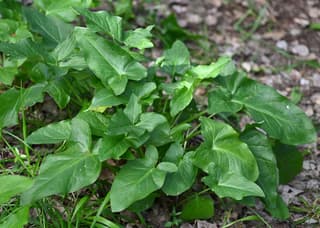
Italian Arum
Arum italicum
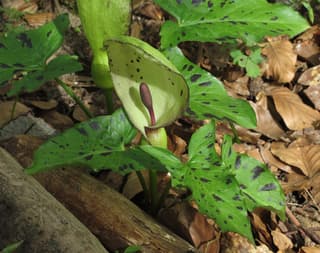
Lords-and-Ladies
Arum maculatum
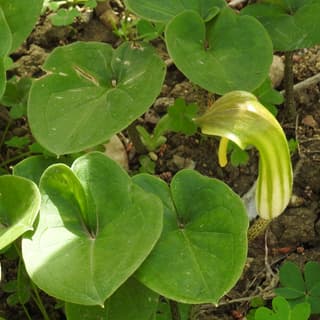
Friar's Cowl
Arisarum vulgare
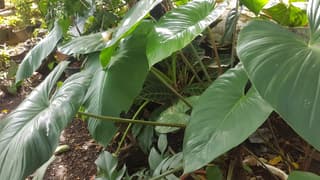
Schismatoglottis
Schismatoglottis calyptrata
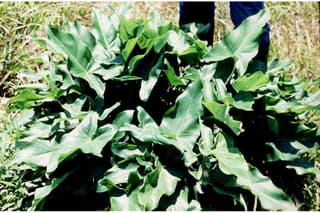
Green Arrow Arum
Peltandra virginica
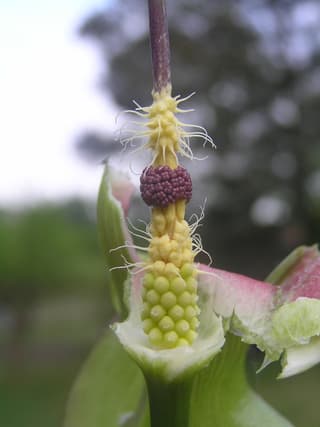
Danish Arum
Arum cylindraceum
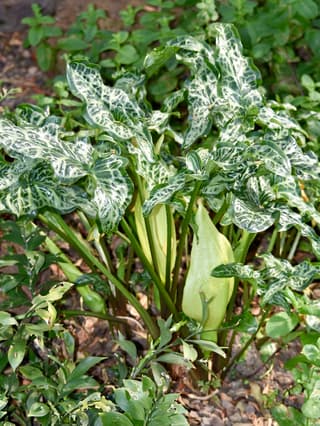
Arum / Cuckoo Pint (genus)
Arum
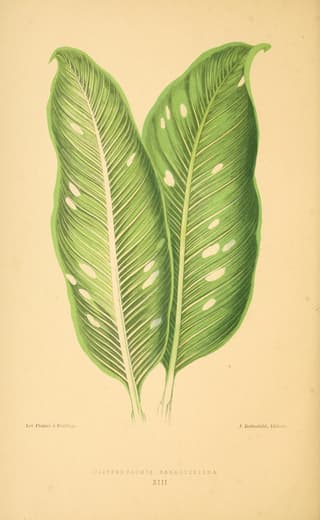
Dumb Cane
Dieffenbachia seguine
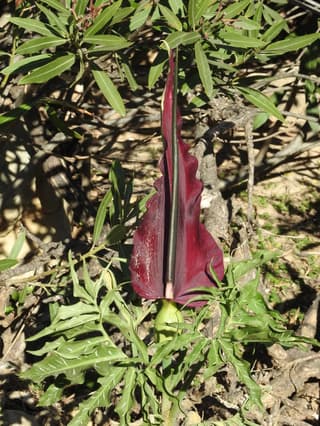
Dragon Lily
Dracunculus vulgaris
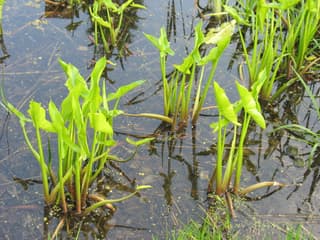
Arrow Arum
Peltandra
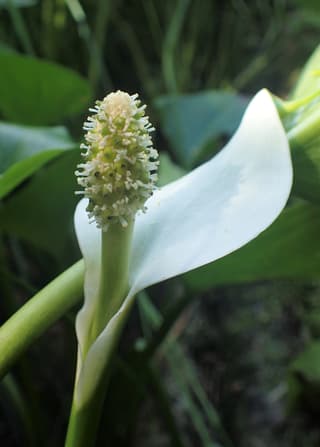
Bog Arum
Calla
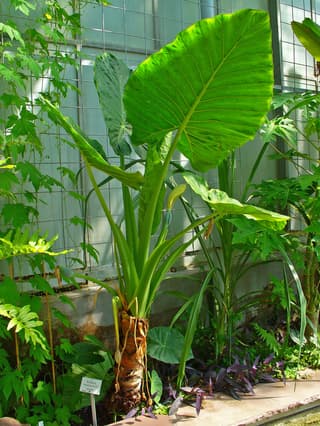
Giant Taro
Alocasia macrorrhizos
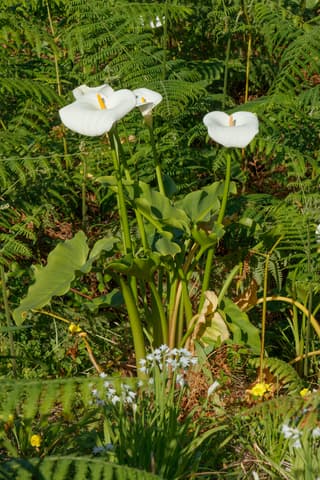
Calla Lily
Zantedeschia aethiopica
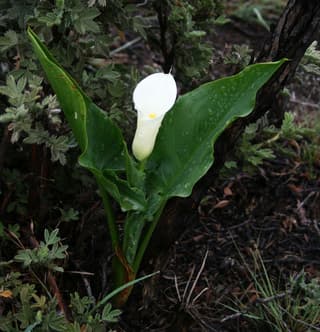
Spotted Calla Lily
Zantedeschia albomaculata
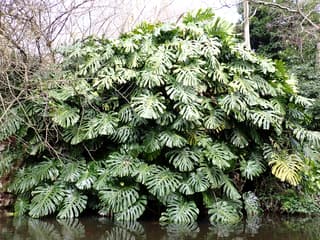
Swiss Cheese Plant
Monstera
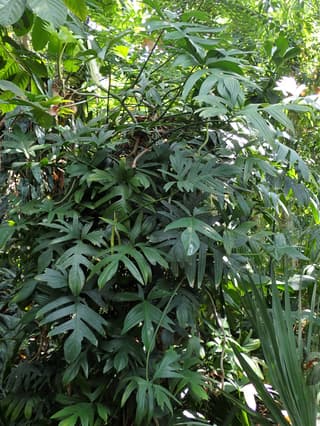
Oak Leaf Philodendron
Philodendron pedatum
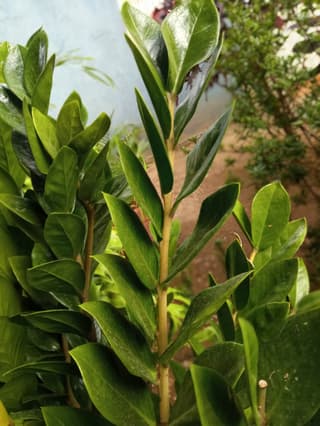
ZZ Plant
Zamioculcas
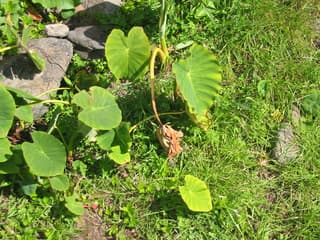
Taro
Colocasia
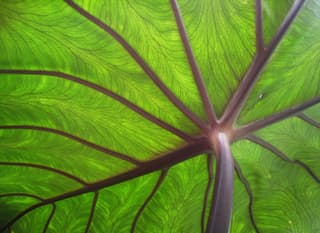
Taro
Colocasia esculenta
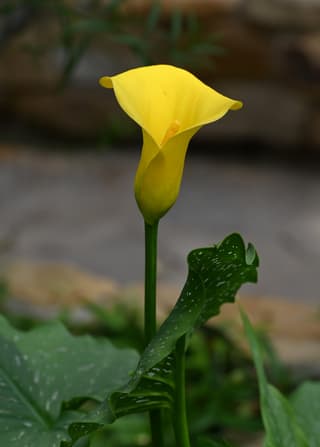
Golden Arum Lily
Zantedeschia elliottiana
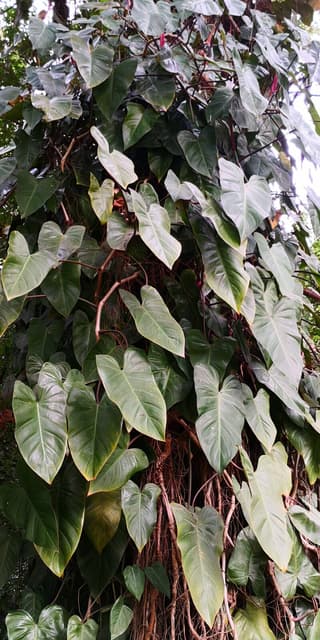
Imperial Green Philodendron
Philodendron 'Imperial Green'
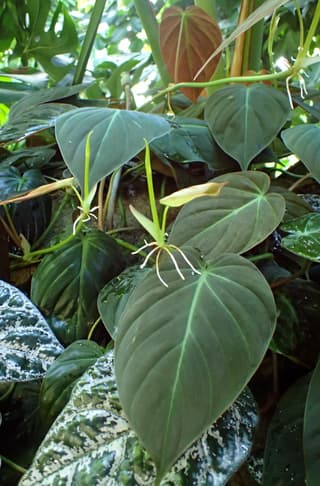
Philodendron
Philodendron
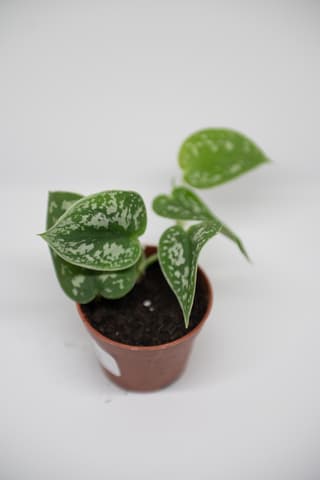
Heartleaf Philodendron
Philodendron scandens
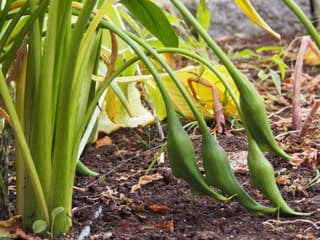
Pink Calla Lily
Zantedeschia rehmannii
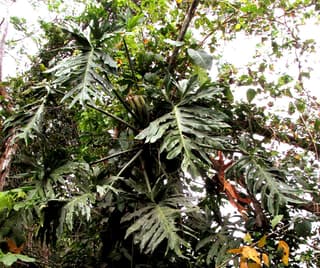
Split-leaf Philodendron
Philodendron radiatum
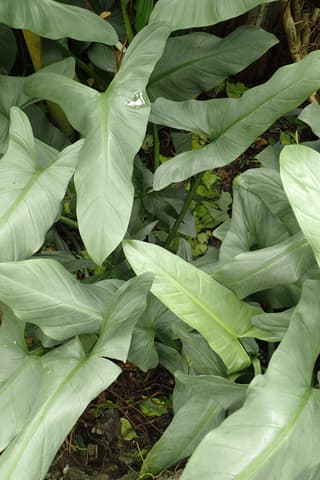
Spadeleaf Philodendron
Philodendron domesticum
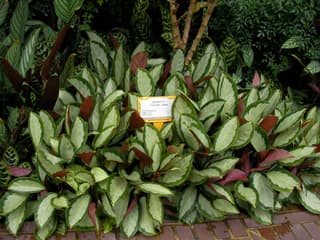
Calathea Picturata
Goeppertia picturata
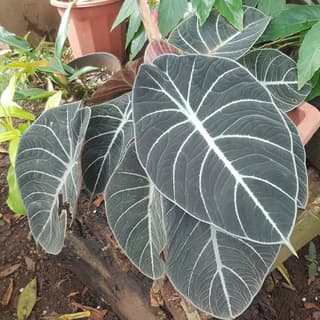
Black Velvet Alocasia
Alocasia reginula
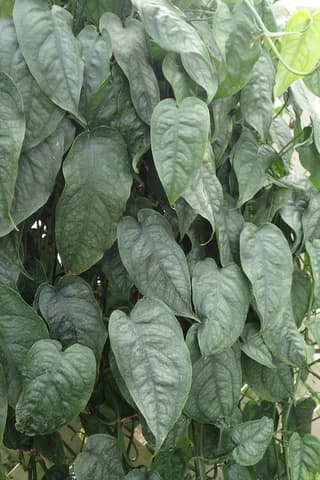
Silver Monstera
Monstera siltepecana
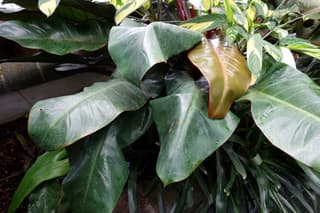
Blushing Philodendron
Philodendron erubescens
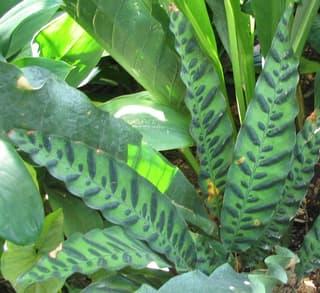
Rattlesnake Plant
Calathea lancifolia
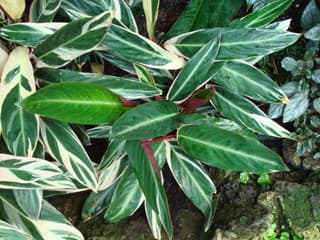
Never Never Plant
Ctenanthe oppenheimiana
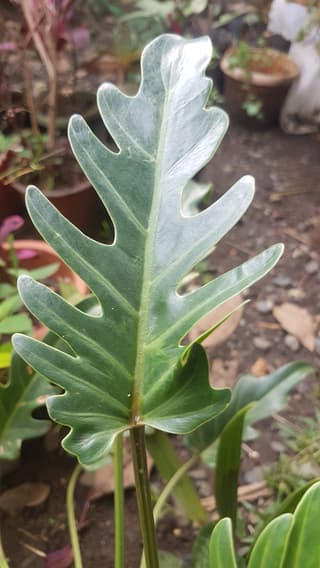
Xanadu Philodendron
Thaumatophyllum xanadu
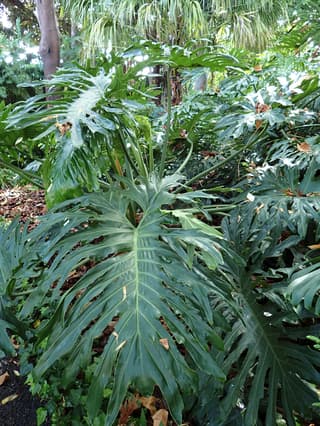
Tree Philodendron
Thaumatophyllum
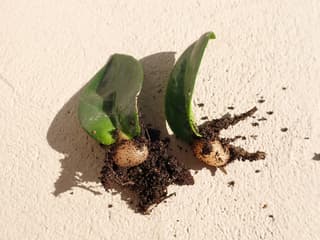
Dwarf ZZ Plant
Zamioculcas zamiifolia 'Zenzi'
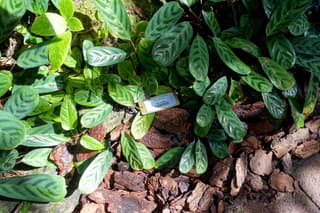
Never Never Plant
Ctenanthe
Ideal Foliage Plants for Grand Island's Climate
Grand Island has an average temperature of 11.6°C and humidity of 63.2%, conditions that directly influence which foliage plants best adapt to the local environment.
How to Grow Foliage Plants in Grand Island
To successfully grow foliage plants in Grand Island, consider that the average temperature of 11.6°C and humidity of 63.2% create a specific microclimate. Moderate humidity is favorable for most species in this category.
Advantages of Choosing Adapted Foliage Plants
Foliage Plants adapted to Grand Island's climate show greater resistance, healthy growth, and less need for interventions.