351 Best Succulents for Kyle | 2026 Guide - Page 2
The 351 best succulents to grow in Kyle. Ideal climate: 21.7°C, 65.4% humidity.
351 Succulents for Kyle
Showing 37-72 of 351
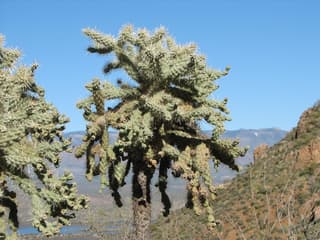
Cholla
Cylindropuntia
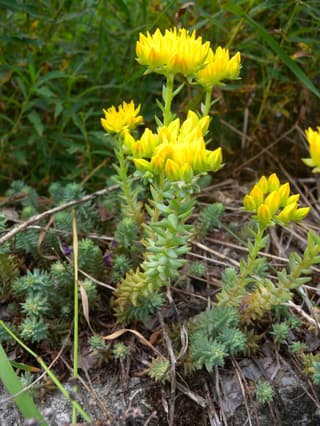
Jenny's Stonecrop
Sedum rupestre
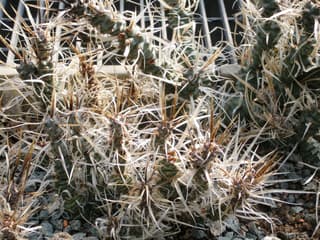
Paper spine cactus
Tephrocactus articulatus var. papyracanthus
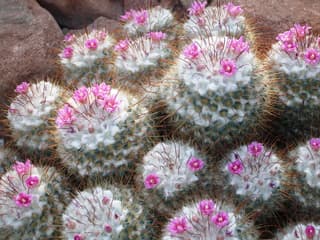
Silken pincushion cactus
Mammillaria bombycina
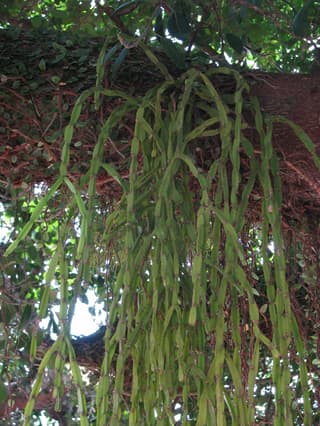
Chain cactus
Rhipsalis paradoxa
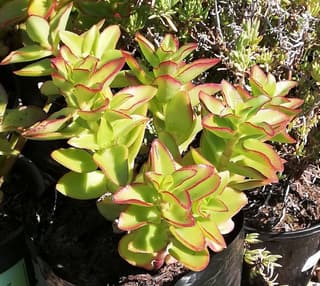
Showy trailing jade
Crassula sarmentosa
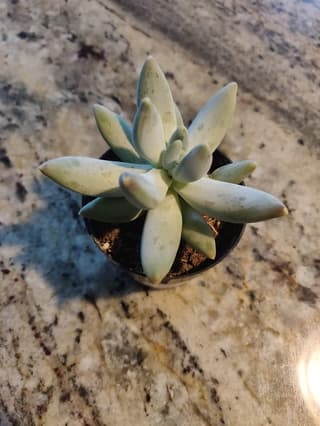
Silver bracts
Pachyphytum bracteosum
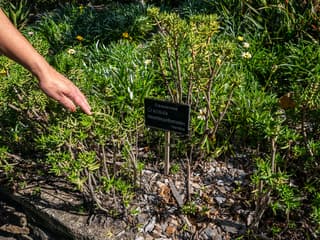
Crassula mesembryanthemoides
Crassula mesembryanthemoides
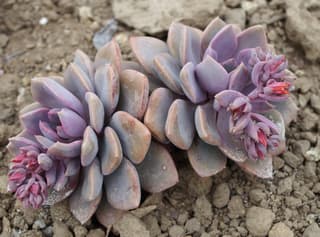
Graptoveria
× Graptoveria
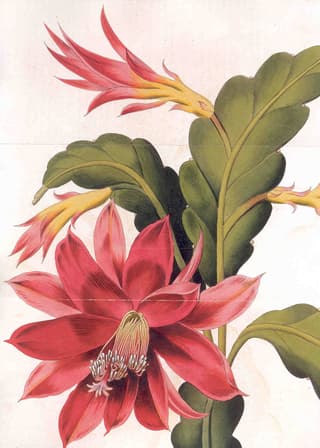
Red Orchid Cactus
Disocactus ackermannii

Bride Cactus
Rhipsalis elliptica
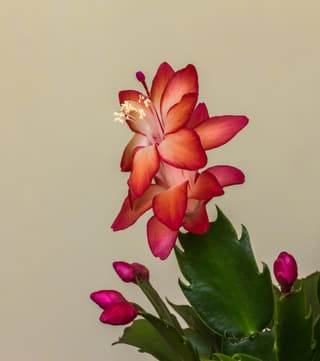
Christmas Cactus
Schlumbergera
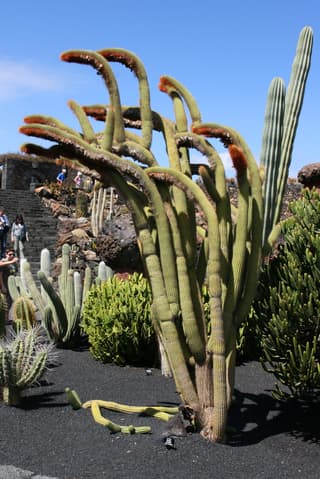
Espostoa guentheri
Espostoa guentheri
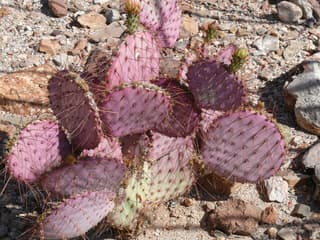
Violet Prickly Pear
Opuntia gosseliniana
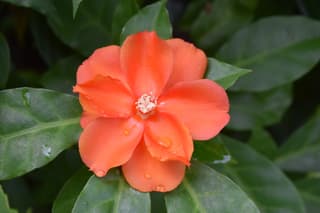
Leaf Cactus
Leuenbergeria
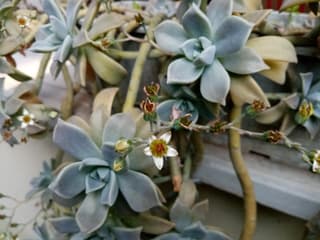
Ghost Plant
Graptopetalum
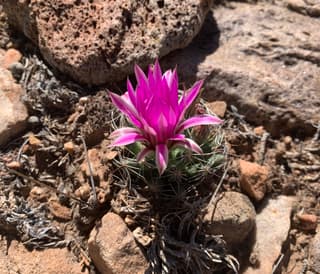
Wright's Fishhook Cactus
Cochemiea wrightii
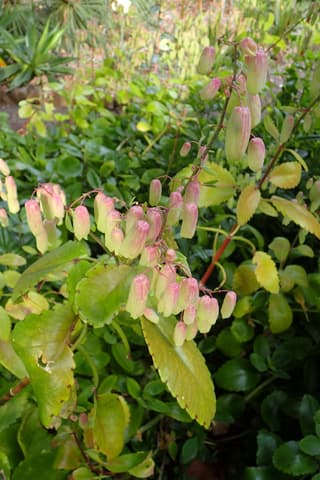
Cathedral Bells
Kalanchoe pinnata
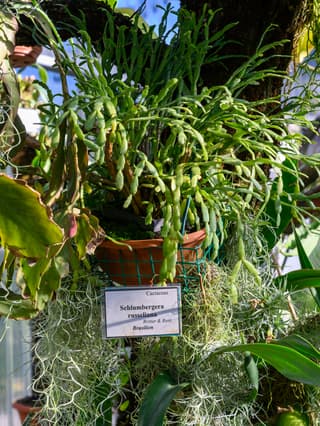
Christmas Cactus
Schlumbergera russelliana
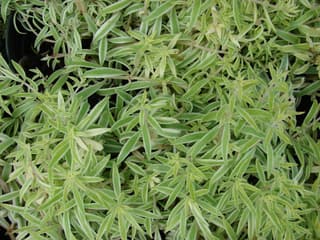
Needle Stonecrop
Sedum lineare
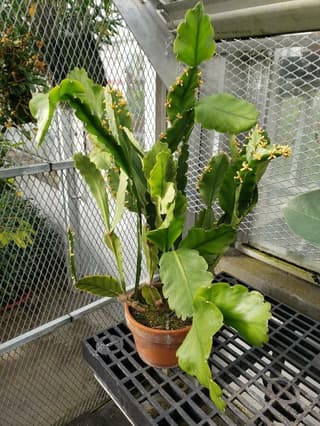
Jungle Cactus
Rhipsalis pachyptera
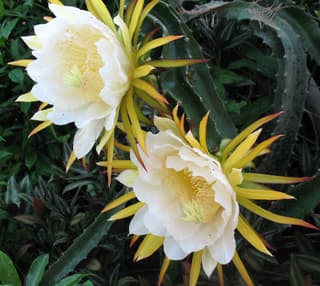
Red Pitaya
Hylocereus costaricensis
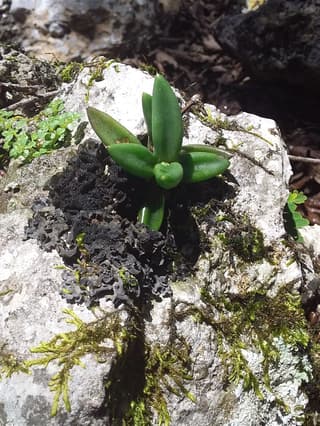
Lenophyllum acutifolium
Lenophyllum acutifolium
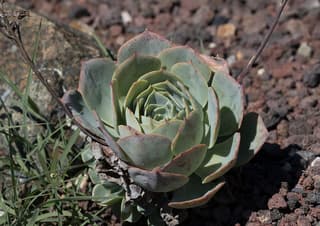
Echeveria Dionysos
Echeveria 'Dionysos'
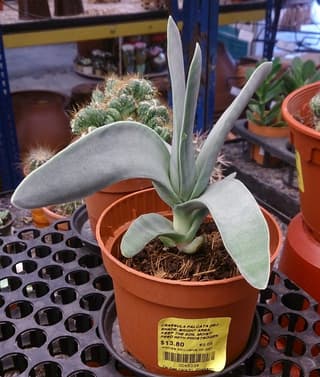
Propeller Plant
Crassula perfoliata
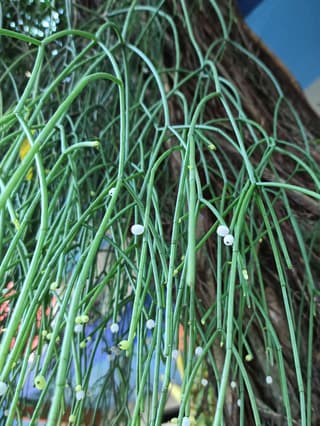
Mistletoe Cactus
Rhipsalis
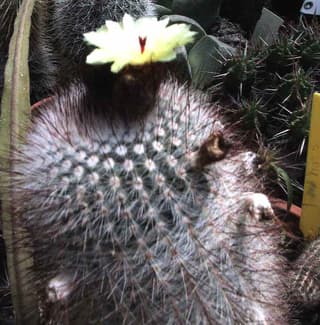
Silver Ball Cactus
Parodia scopa
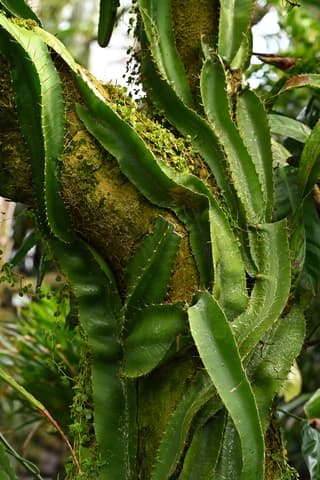
Climbing Cactus
Epiphyllum phyllanthus
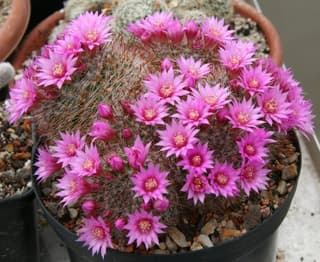
Rose Pincushion Cactus
Mammillaria zeilmanniana
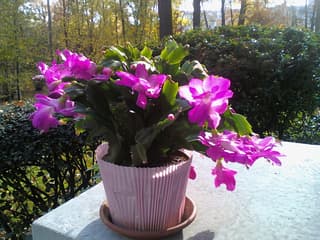
Thanksgiving Cactus
Schlumbergera truncata
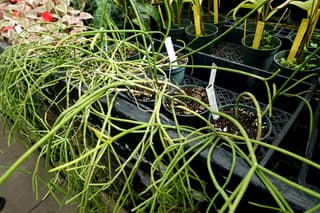
Mistletoe cactus
Rhipsalis baccifera
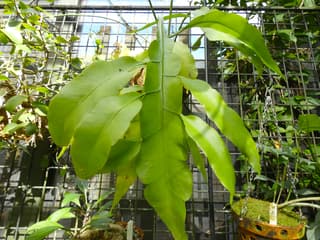
Queen of the Night
Epiphyllum oxypetalum
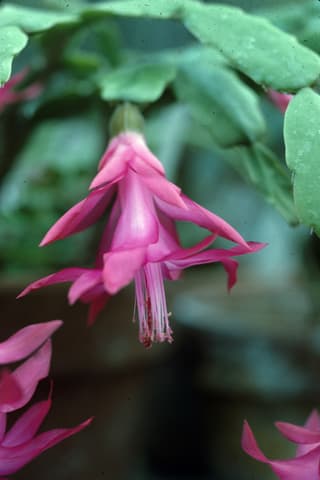
Christmas Cactus
Schlumbergera × buckleyi
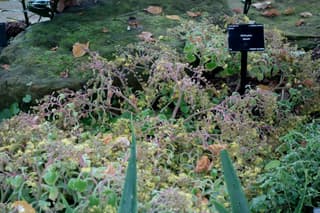
Tree of Love
Aichryson laxum
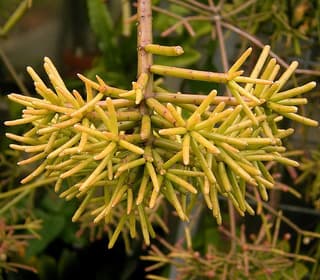
Mistletoe Cactus
Rhipsalis teres
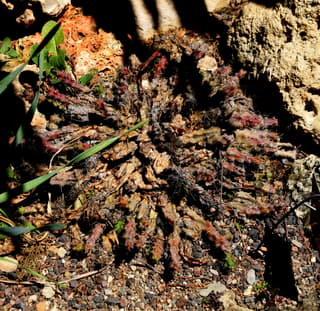
Ladyfinger Cactus
Echinocereus pentalophus
Ideal Succulents for Kyle's Climate
Kyle has an average temperature of 21.7°C and humidity of 65.4%, conditions that directly influence which succulents best adapt to the local environment.
How to Grow Succulents in Kyle
To successfully grow succulents in Kyle, consider that the average temperature of 21.7°C and humidity of 65.4% create a specific microclimate. Moderate humidity is favorable for most species in this category.
Advantages of Choosing Adapted Succulents
Succulents adapted to Kyle's climate show greater resistance, healthy growth, and less need for interventions.