500 Best Plants for Les Allues | 2026 Guide - Page 3
Discover the 500 ideal plants for Les Allues's climate. Average temp: 3.9°C, Humidity: 76.3%.
Top 500 Plants for Les Allues
Showing 73-108 of 500
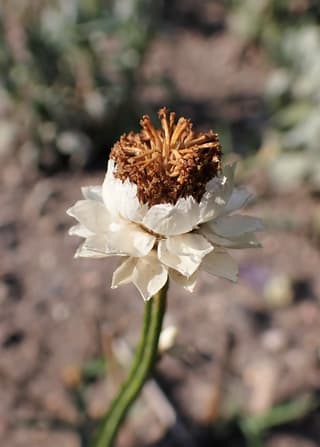
Winged Everlasting
Ammobium alatum
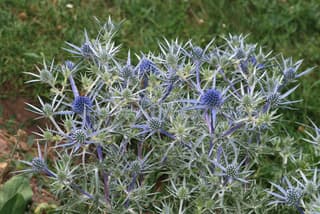
Sea Holly
Eryngium
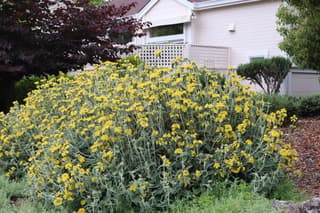
Jerusalem sage
Phlomis
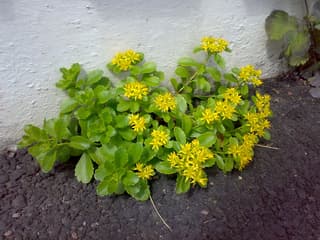
Siberian Stonecrop
Phedimus hybridus
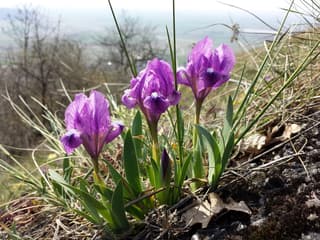
Dwarf Bearded Iris
Iris pumila
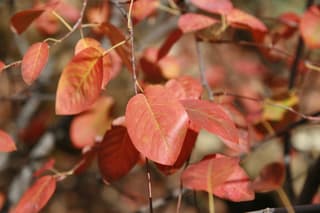
Serviceberry
Amelanchier canadensis
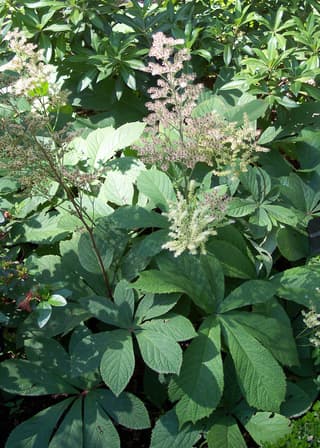
Chestnut-leaf Rodgersia
Rodgersia aesculifolia
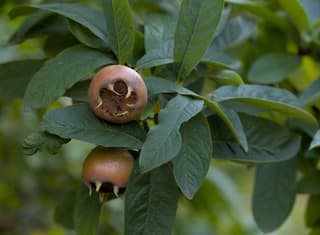
Medlar
Mespilus germanica
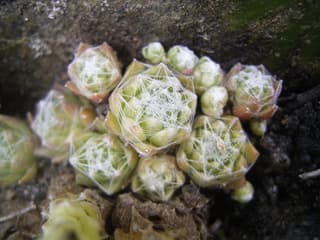
Cobweb Houseleek
Sempervivum arachnoideum
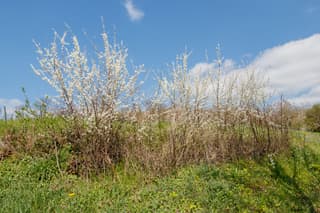
Blackthorn
Prunus spinosa
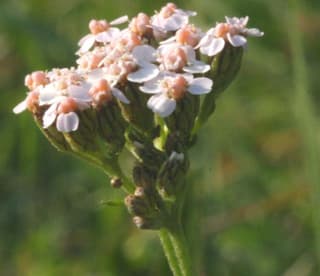
Pink Yarrow
Achillea × roseoalba

Muriel's Bamboo
Fargesia murielae

Silver Birch
Betula pendula
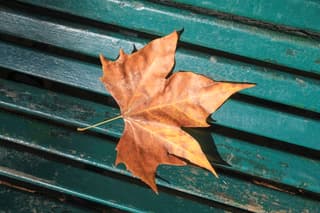
London plane
Platanus × hispanica
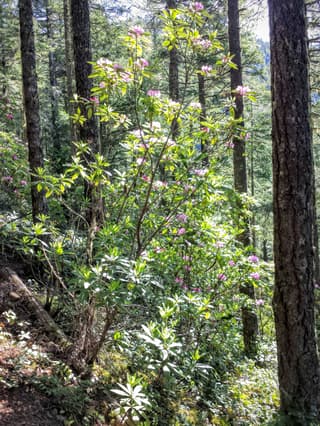
Pacific Rhododendron
Rhododendron macrophyllum
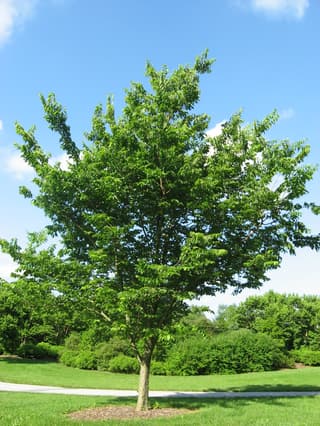
Common hackberry
Celtis occidentalis
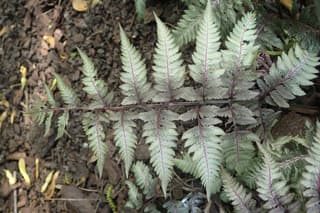
Japanese Painted Fern
Athyrium niponicum
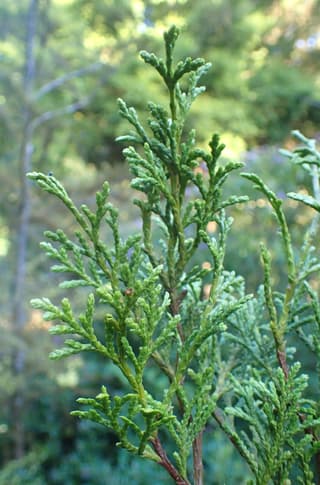
New Zealand Cedar
Libocedrus bidwillii
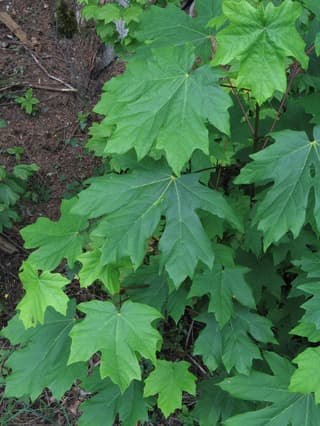
Bigleaf maple
Acer macrophyllum
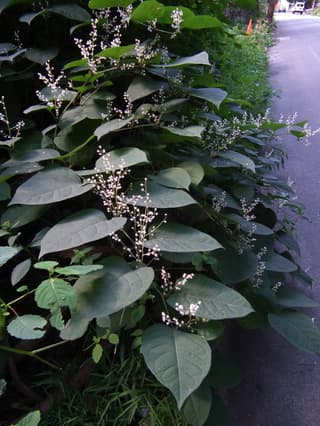
Bohemian knotweed
Reynoutria × bohemica
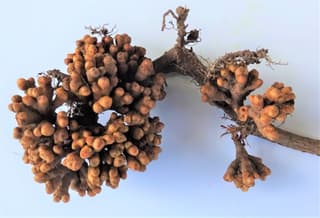
Alder
Alnus
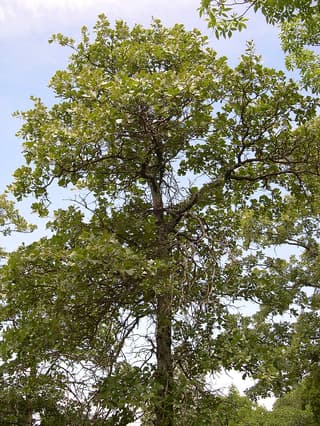
Blackjack Oak
Quercus marilandica
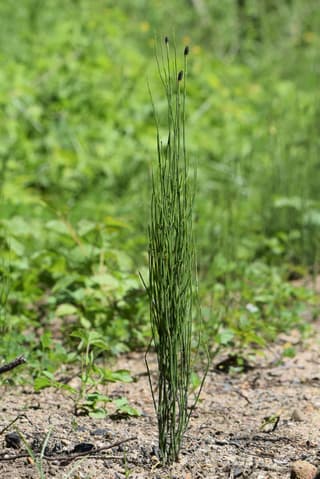
Marsh Horsetail
Equisetum palustre
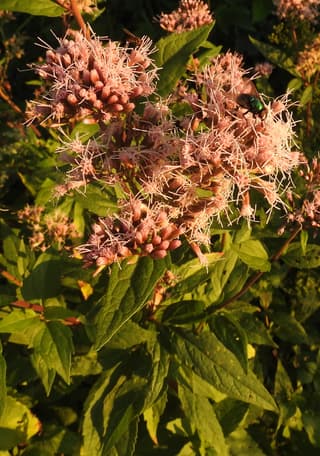
Boneset
Eupatorium
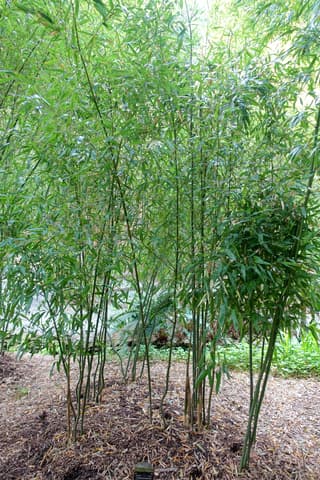
Yellow Groove Bamboo
Phyllostachys aureosulcata
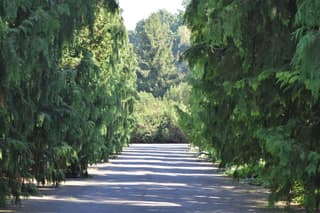
Lawson's Cypress
Chamaecyparis lawsoniana
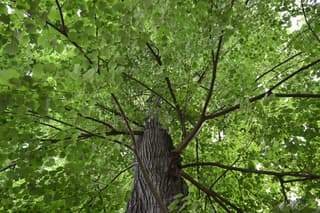
Silver Linden
Tilia tomentosa
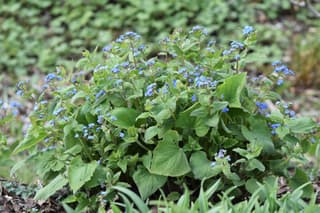
Siberian Bugloss
Brunnera macrophylla
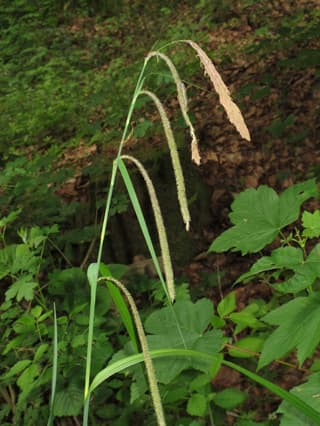
Pendulous Sedge
Carex pendula
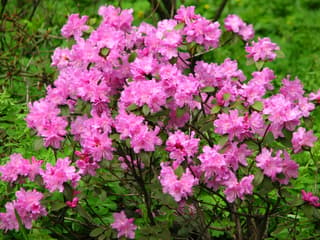
Rhododendron
Rhododendron
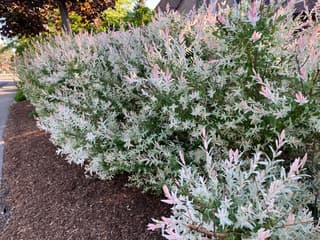
Dappled Willow 'Hakuro Nishiki'
Salix integra 'Hakuro Nishiki'
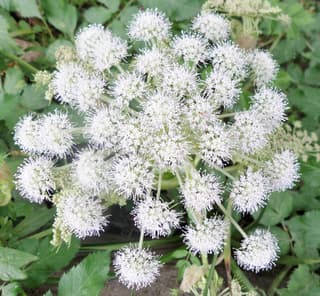
Wild Angelica
Angelica sylvestris
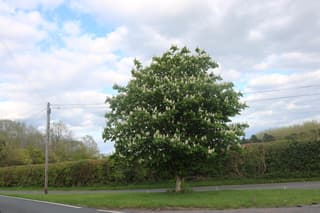
Horse Chestnut
Aesculus hippocastanum
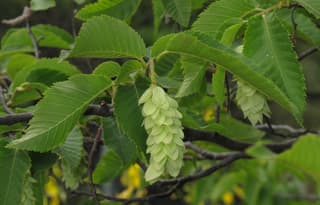
European hop-hornbeam
Ostrya carpinifolia
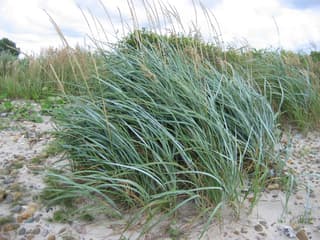
Sea Lyme Grass
Leymus arenarius
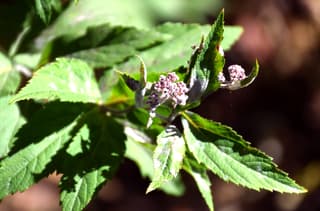
Willowleaf Spiraea
Spiraea salicifolia
Les Allues Climate for Plant Growing
Les Allues has a climate with an average annual temperature of 3.9°C and average relative humidity of 76.3%. These climate conditions are ideal for various species of ornamental and fruit plants.
Tips for Growing Plants in Les Allues
To succeed in growing plants in Les Allues, consider the average temperature of 3.9°C when choosing your species. Protect cold-sensitive plants during winter. High humidity favors tropical plants, but watch for fungal issues.
Why Choose Plants Adapted to the Local Climate?
Plants adapted to Les Allues's climate require less care, consume less water, and are more likely to thrive. Our selection considers the compatibility between each species' needs and local climate conditions, including temperature (3.9°C) and humidity (76.3%).