500 Best Pet Safe for Luzilândia | 2026 Guide - Page 8
The 500 best pet safe to grow in Luzilândia. Ideal climate: 28.1°C, 71.2% humidity.
500 Pet Safe for Luzilândia
Showing 253-288 of 500
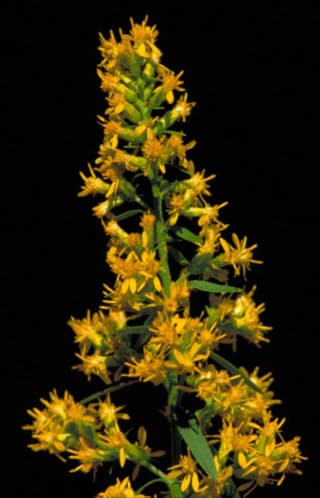
Goldenrod
Solidago
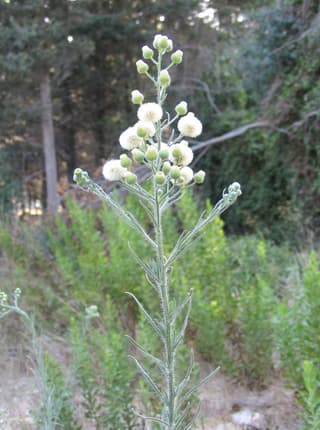
Argentine fleabane
Conyza bonariensis
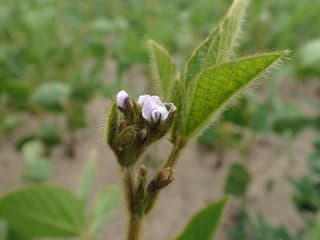
Soybean
Glycine max
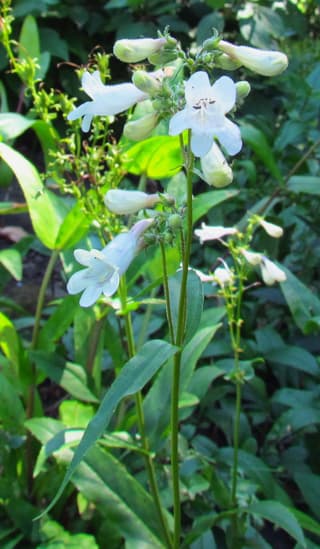
Foxglove Beardtongue
Penstemon digitalis
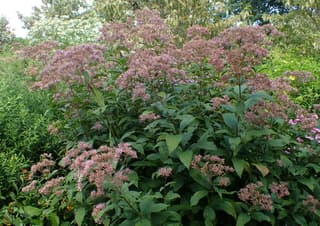
Spotted Joe-Pye Weed
Eutrochium maculatum
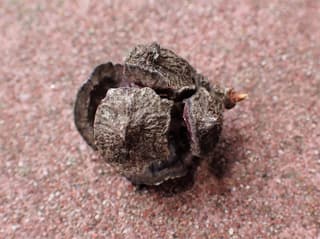
Mexican Cypress
Cupressus lusitanica
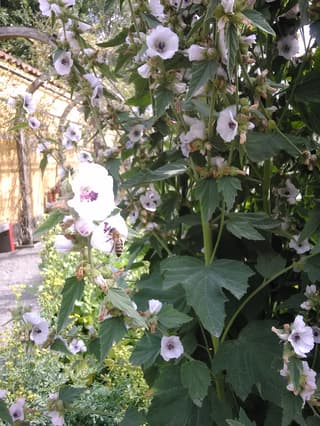
Marshmallow
Althaea officinalis
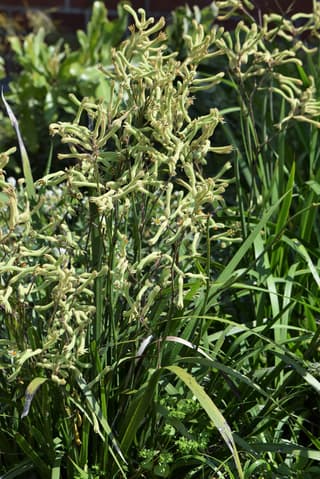
Tall Kangaroo Paw
Anigozanthos flavidus
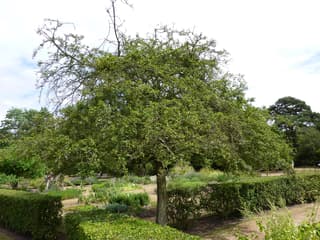
Midland Hawthorn
Crataegus laevigata
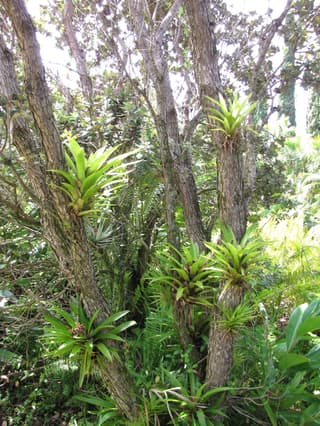
West Indian Tufted Airplant
Guzmania monostachia
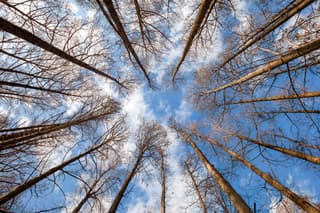
Dawn Redwood
Metasequoia glyptostroboides
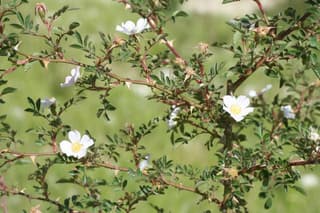
Small-leaved Sweet-briar
Rosa agrestis
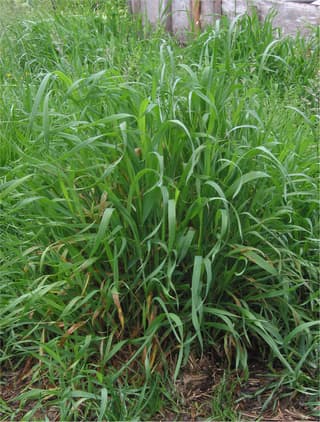
Quackgrass
Elymus repens
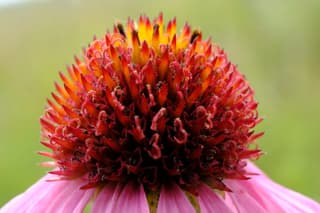
Narrow-leaf Coneflower
Echinacea angustifolia
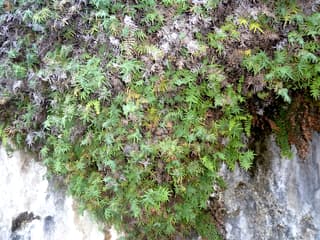
Coral Fern
Gleichenia polypodioides
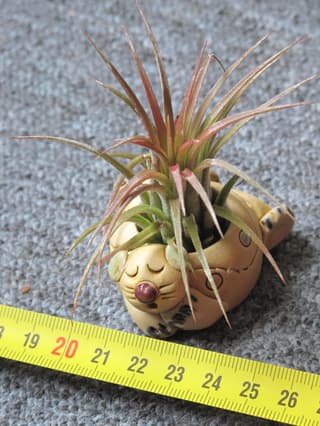
Sky Plant
Tillandsia ionantha
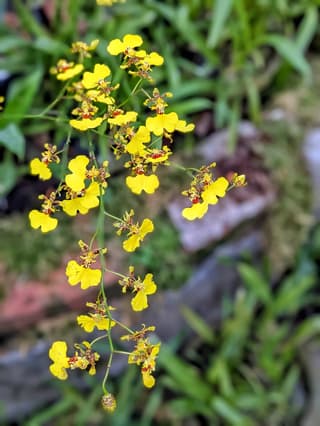
Golden Shower Orchid
Oncidium varicosum
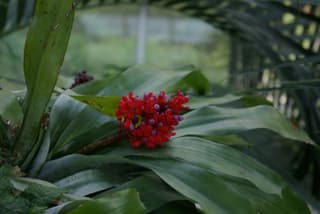
Coral Berry Bromeliad
Aechmea fulgens
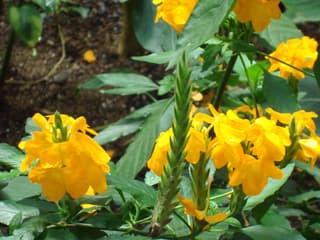
Firecracker Flower
Crossandra infundibuliformis
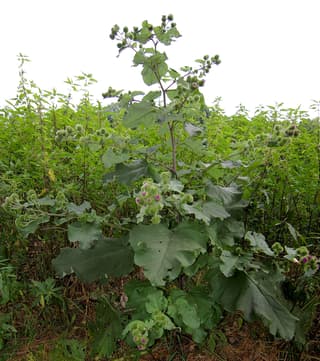
Burdock
Arctium lappa
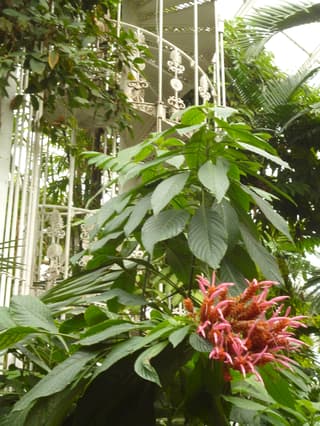
Coral Aphelandra
Aphelandra sinclairiana
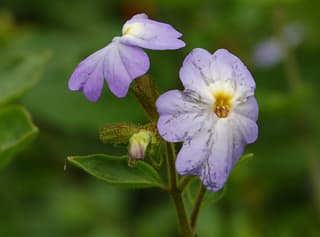
Jamaican Forget-Me-Not
Browallia americana
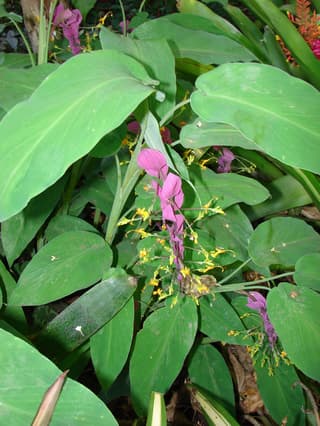
Dancing Lady Ginger
Globba winitii
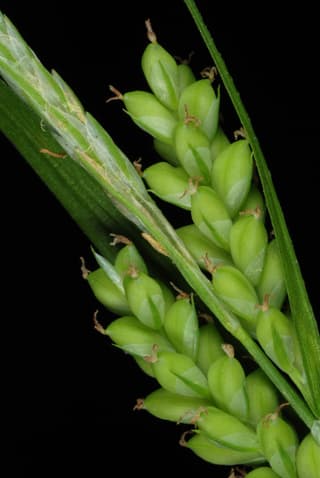
Eastern Woodland Sedge
Carex blanda
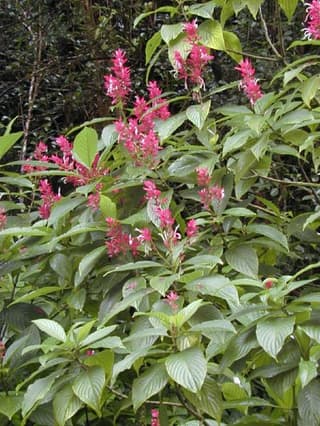
Brazilian Red Cloak
Megaskepasma erythrochlamys
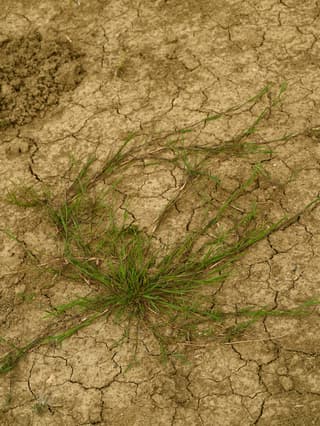
Creeping bentgrass
Agrostis stolonifera
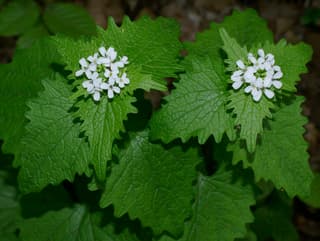
Garlic Mustard
Alliaria petiolata
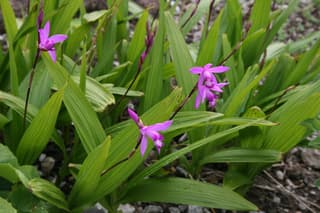
Chinese Ground Orchid
Bletilla striata
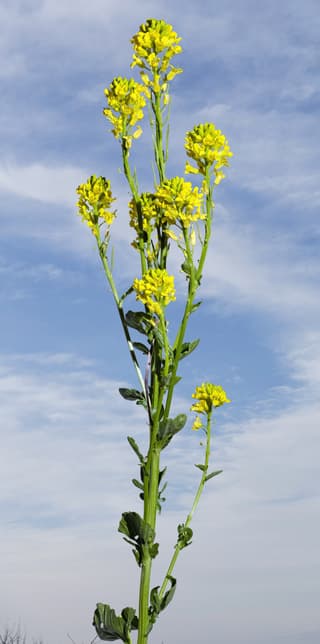
Wintercress
Barbarea vulgaris
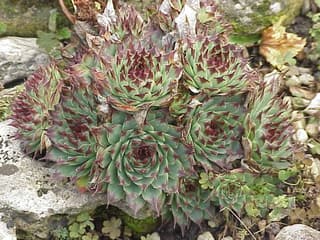
Limestone Houseleek
Sempervivum calcareum
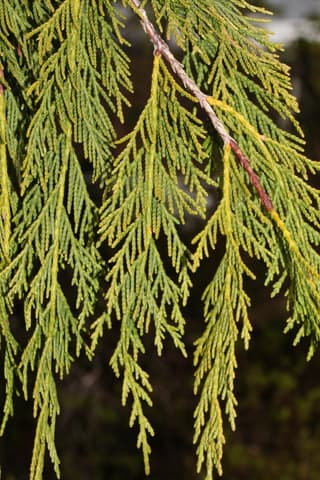
Nootka Cypress
Callitropsis nootkatensis
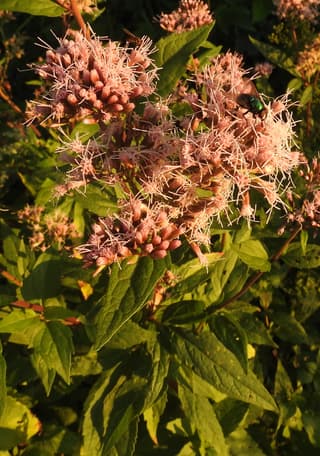
Boneset
Eupatorium
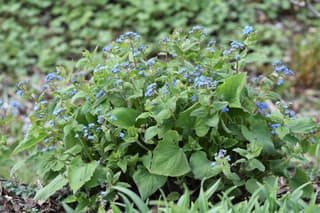
Siberian Bugloss
Brunnera macrophylla
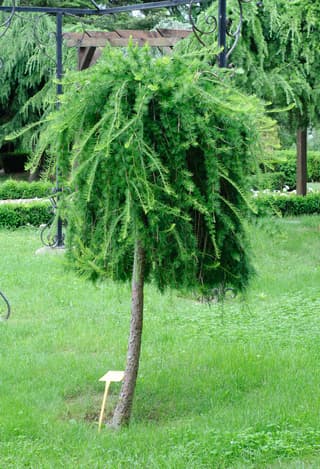
European Larch
Larix decidua
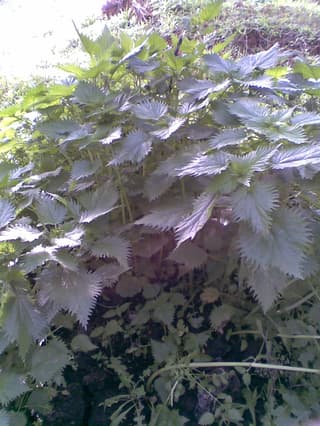
Stinging Nettle
Urtica dioica

Basket Willow
Salix viminalis
Ideal Pet Safe for Luzilândia's Climate
Luzilândia has an average temperature of 28.1°C and humidity of 71.2%, conditions that directly influence which pet safe best adapt to the local environment.
How to Grow Pet Safe in Luzilândia
To successfully grow pet safe in Luzilândia, consider that the average temperature of 28.1°C and humidity of 71.2% create a specific microclimate. High humidity favors tropical species, but requires attention to ventilation to prevent fungal issues.
Advantages of Choosing Adapted Pet Safe
Pet Safe adapted to Luzilândia's climate show greater resistance, healthy growth, and less need for interventions.