500 Best Plants for Municipio de Viedma | 2026 Guide - Page 9
Discover the 500 ideal plants for Municipio de Viedma's climate. Average temp: 15.3°C, Humidity: 56.3%.
Top 500 Plants for Municipio de Viedma
Showing 289-324 of 500
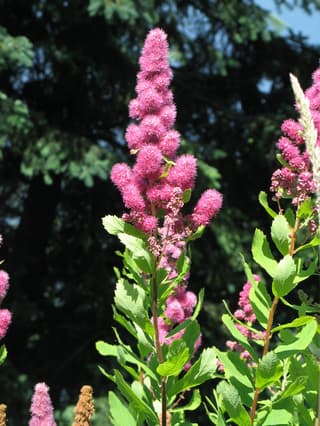
Douglas Spirea
Spiraea douglasii
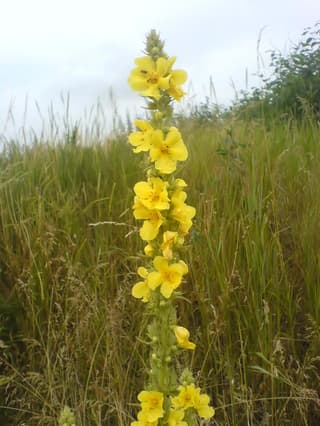
Denseflower Mullein
Verbascum densiflorum
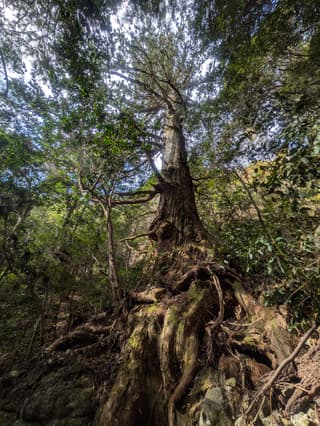
Japanese Cedar
Cryptomeria japonica
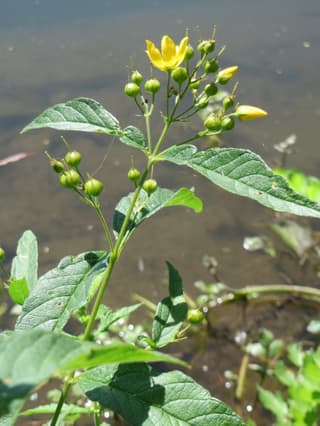
Loosestrife
Lysimachia
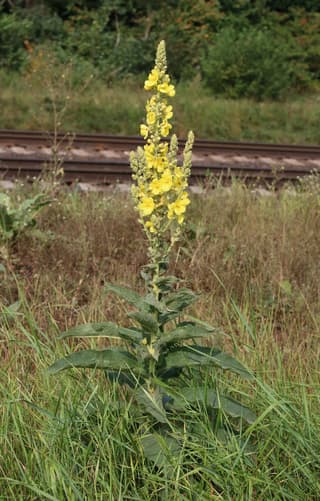
Orange Mullein
Verbascum phlomoides
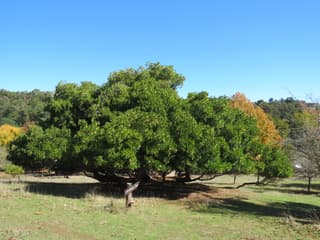
Strawberry Tree
Arbutus unedo
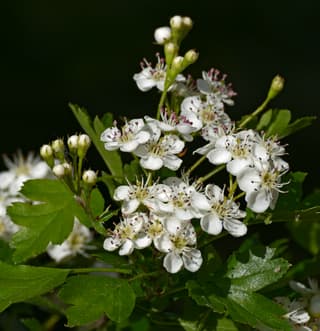
Common Hawthorn
Crataegus monogyna
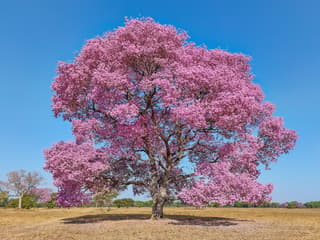
Trumpet Tree
Handroanthus
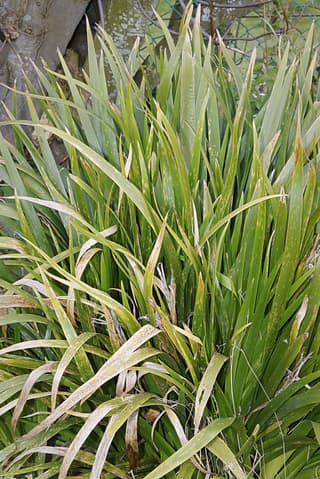
Stinking Iris
Iris foetidissima

Dove's-foot Crane's-bill
Geranium molle
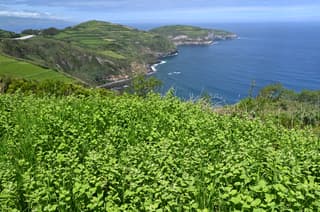
Pineapple Mint
Mentha suaveolens
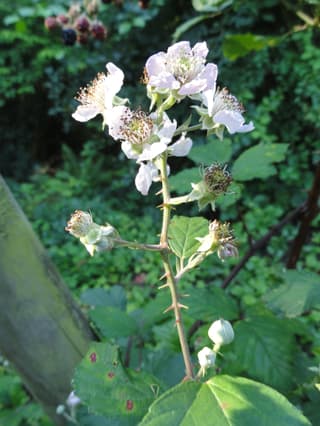
Himalayan Blackberry
Rubus bifrons
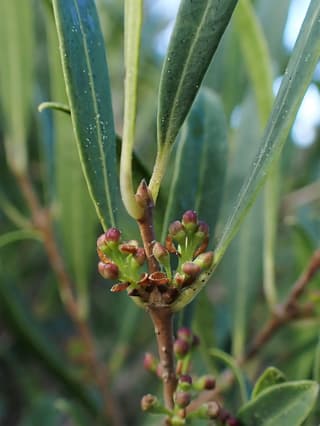
Narrow-leaved Phillyrea
Phillyrea angustifolia
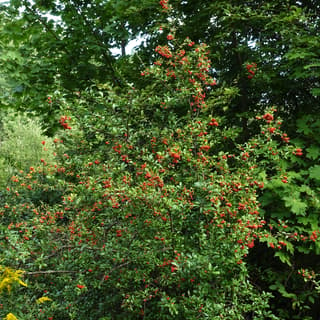
Scarlet Firethorn
Pyracantha coccinea
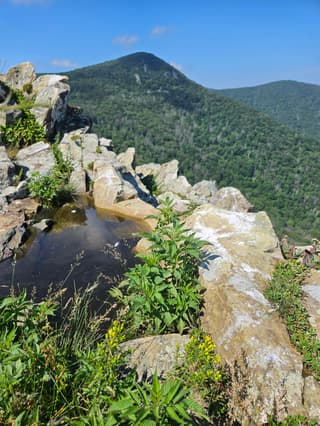
Devil's Beggarticks
Bidens frondosa
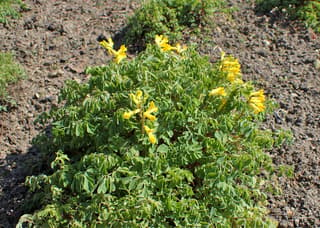
Yellow Corydalis
Pseudofumaria lutea
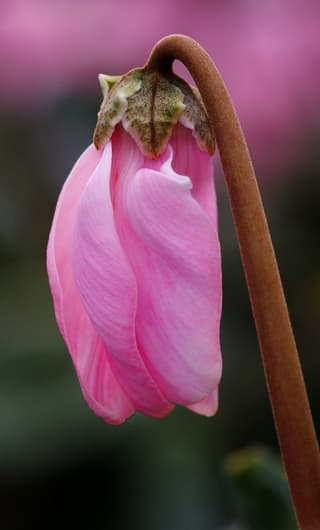
Cyclamen
Cyclamen
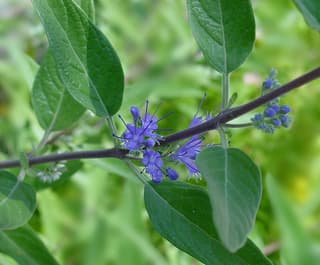
Bluebeard
Caryopteris × clandonensis
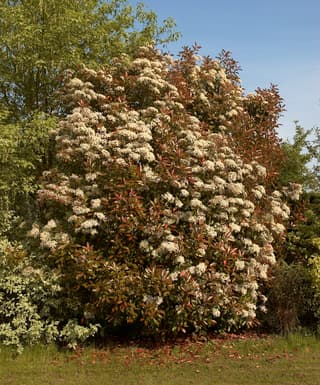
Red Tip Photinia
Photinia × fraseri
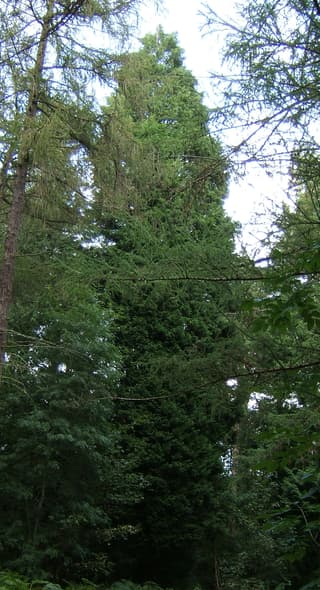
Leyland Cypress
× Hesperotropsis leylandii
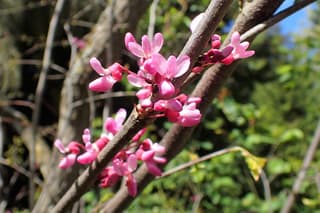
Chinese Redbud
Cercis chinensis
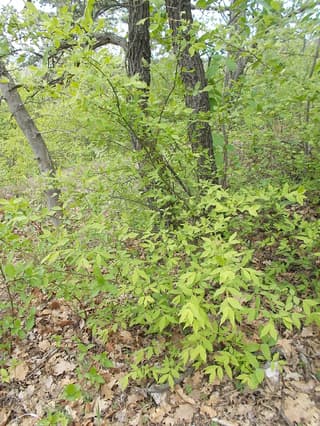
Common Dogwood
Cornus sanguinea
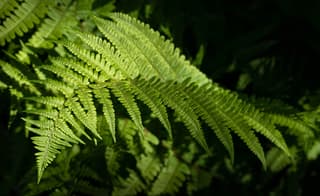
Lady Fern
Athyrium
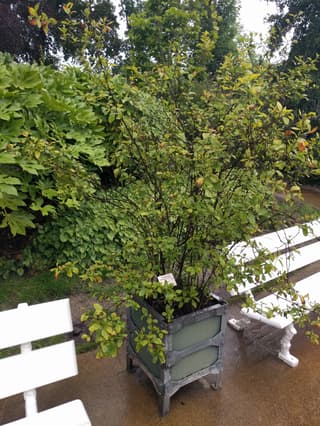
Cape Leadwort
Plumbago auriculata
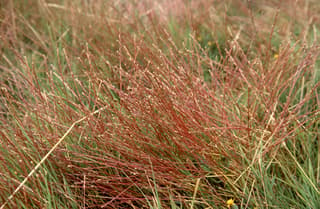
Sea Hard-grass
Parapholis strigosa
Maritime sunburst lichen
Xanthoria parietina
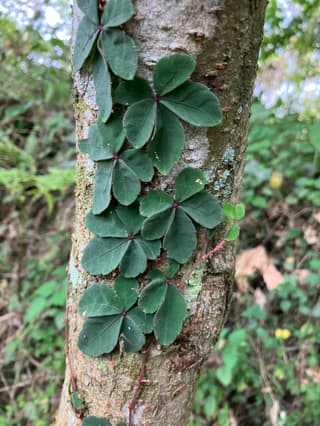
Lizard Vine
Tetrastigma obtectum
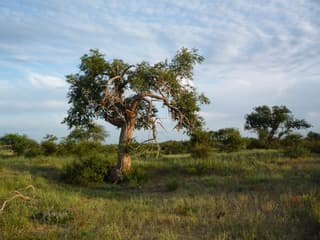
Siberian Elm
Ulmus pumila
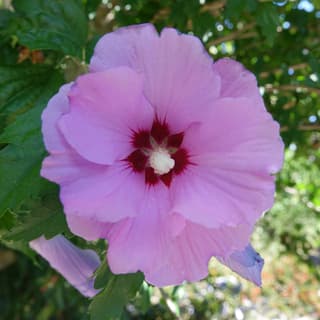
Rose of Sharon
Hibiscus syriacus
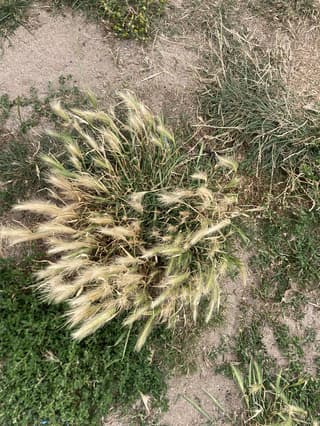
Wall barley
Hordeum murinum
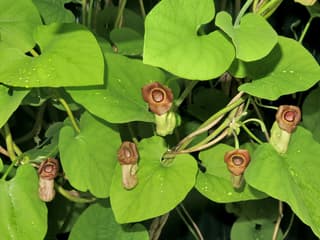
Dutchman's Pipe
Aristolochia
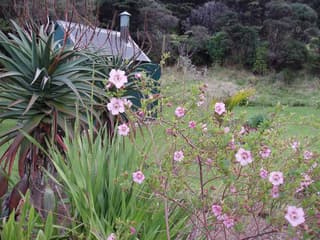
Cape Mallow
Anisodontea capensis
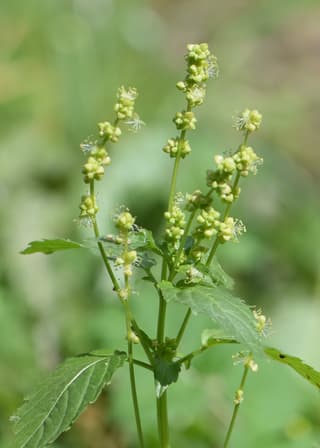
Annual mercury
Mercurialis annua
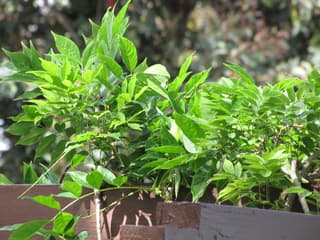
Japanese Wisteria
Wisteria floribunda

Cape Primrose
Streptocarpus
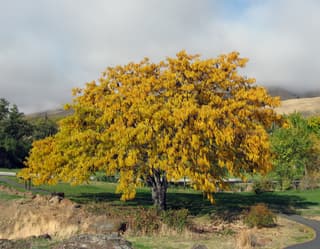
Honey Locust
Gleditsia triacanthos
Municipio de Viedma Climate for Plant Growing
Municipio de Viedma has a climate with an average annual temperature of 15.3°C and average relative humidity of 56.3%. These climate conditions are ideal for various species of ornamental and fruit plants.
Tips for Growing Plants in Municipio de Viedma
To succeed in growing plants in Municipio de Viedma, consider the average temperature of 15.3°C when choosing your species. Protect cold-sensitive plants during winter. Moderate humidity is ideal for most plants.
Why Choose Plants Adapted to the Local Climate?
Plants adapted to Municipio de Viedma's climate require less care, consume less water, and are more likely to thrive. Our selection considers the compatibility between each species' needs and local climate conditions, including temperature (15.3°C) and humidity (56.3%).