500 Best Pet Safe for Muscle Shoals | 2026 Guide - Page 8
The 500 best pet safe to grow in Muscle Shoals. Ideal climate: 17.3°C, 71.2% humidity.
500 Pet Safe for Muscle Shoals
Showing 253-288 of 500
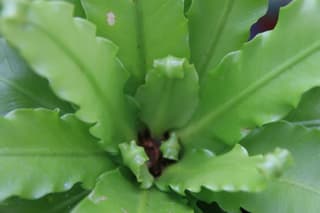
Japanese Bird's Nest Fern
Asplenium antiquum
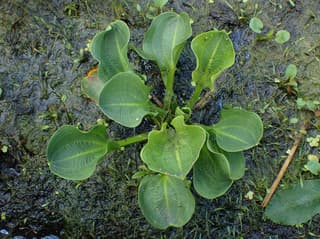
American water plantain
Alisma subcordatum
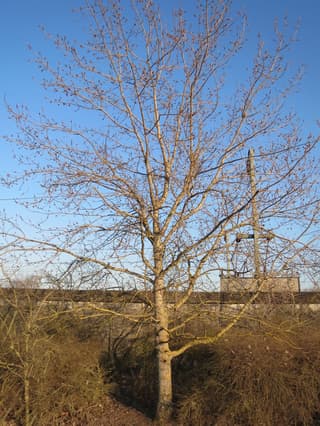
Poplar
Populus
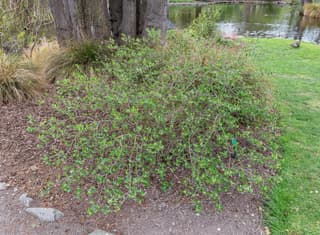
Black chokeberry
Aronia melanocarpa
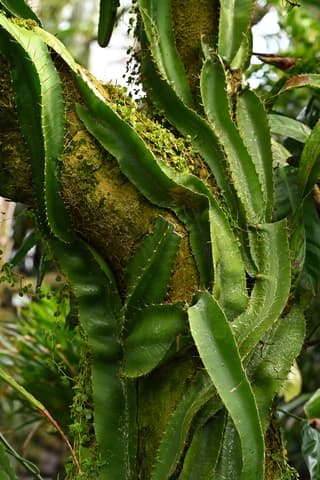
Climbing Cactus
Epiphyllum phyllanthus
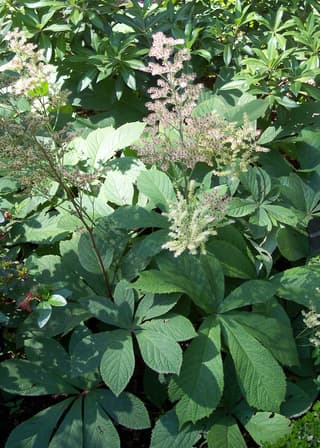
Chestnut-leaf Rodgersia
Rodgersia aesculifolia
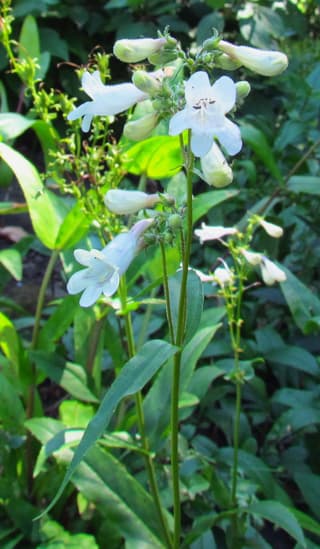
Foxglove Beardtongue
Penstemon digitalis
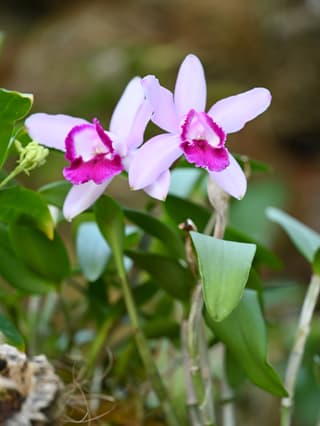
Easter Cattleya
Cattleya intermedia
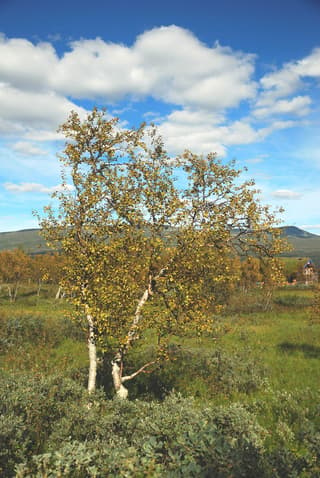
Downy Birch
Betula pubescens
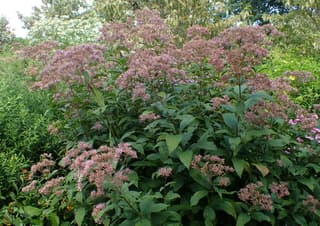
Spotted Joe-Pye Weed
Eutrochium maculatum
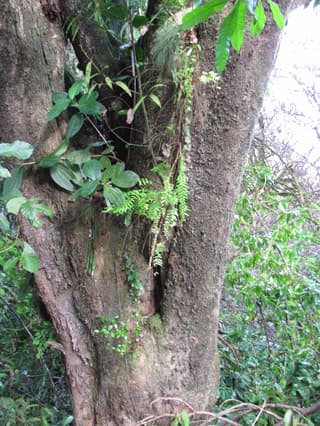
Fishtail Fern
Nephrolepis falcata
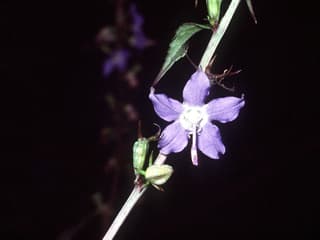
Tall Bellflower
Campanulastrum americanum
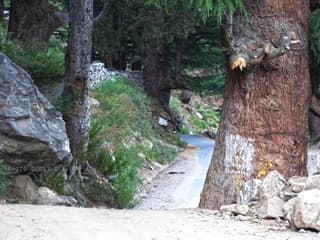
Deodar Cedar
Cedrus deodara
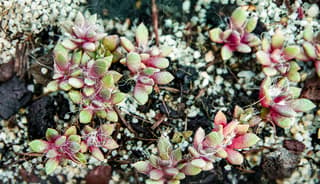
Sand rose
Anacampseros rufescens
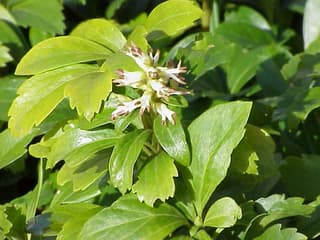
Japanese spurge
Pachysandra terminalis
Pyronema omphalodes
Pyronema omphalodes
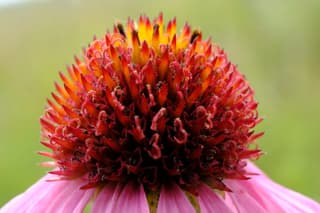
Narrow-leaf Coneflower
Echinacea angustifolia
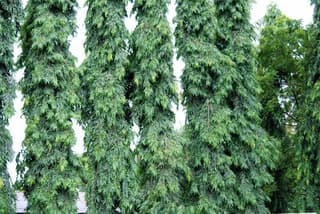
Mast Tree
Polyalthia longifolia
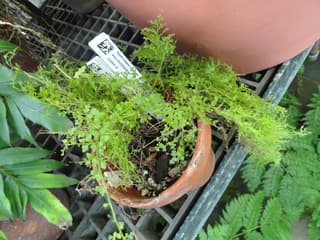
Boston Fern
Nephrolepis exaltata
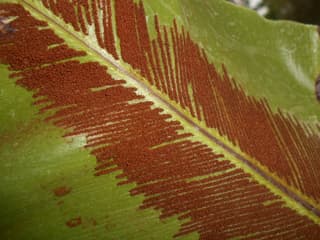
Bird's Nest Fern
Asplenium nidus
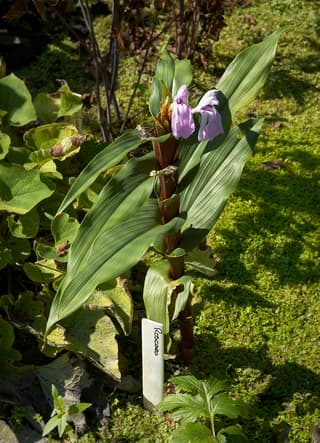
Purple Roscoea
Roscoea purpurea
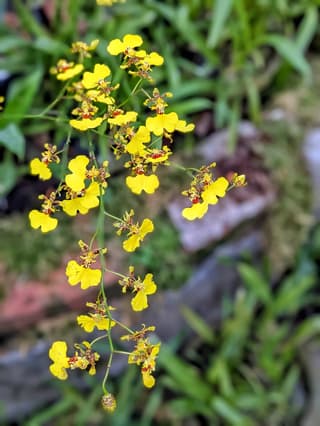
Golden Shower Orchid
Oncidium varicosum
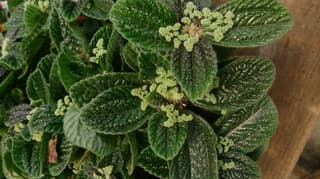
Friendship Plant
Pilea involucrata
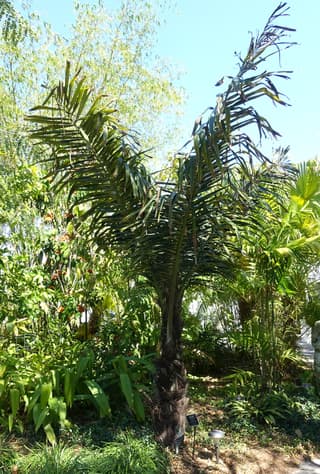
Sugar Palm
Arenga pinnata
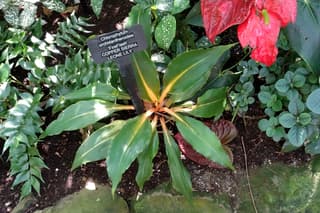
Mandarin Plant
Chlorophytum orchidastrum
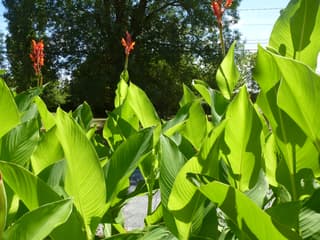
Wild Canna
Canna limbata
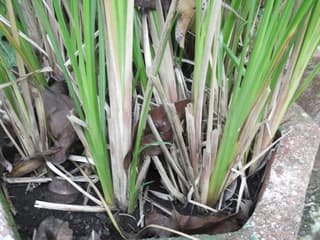
Vetiver
Chrysopogon zizanioides
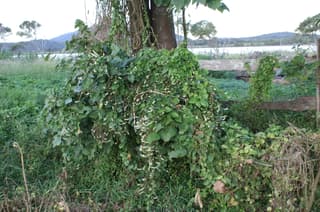
Madeira Vine
Anredera cordifolia
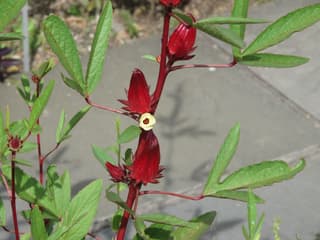
Roselle
Hibiscus sabdariffa
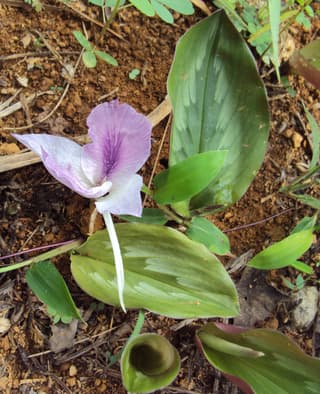
Resurrection Lily
Kaempferia rotunda
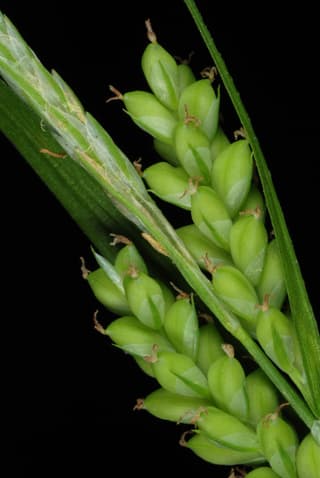
Eastern Woodland Sedge
Carex blanda
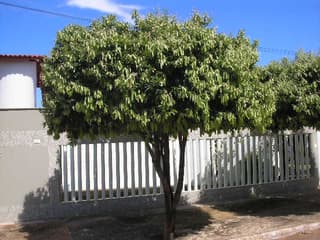
Oiti Tree
Licania tomentosa
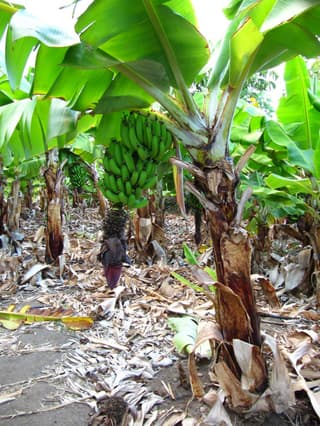
Banana Plant
Musa sp
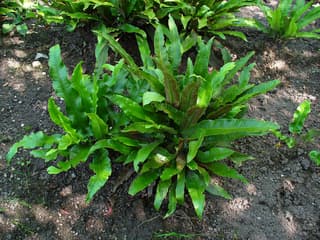
Hart's-tongue Fern
Asplenium scolopendrium
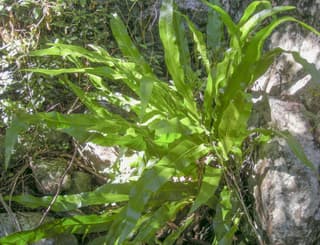
Fishtail Fern
Microsorum punctatum
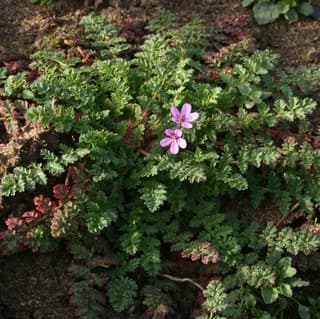
Redstem Filaree
Erodium cicutarium
Ideal Pet Safe for Muscle Shoals's Climate
Muscle Shoals has an average temperature of 17.3°C and humidity of 71.2%, conditions that directly influence which pet safe best adapt to the local environment.
How to Grow Pet Safe in Muscle Shoals
To successfully grow pet safe in Muscle Shoals, consider that the average temperature of 17.3°C and humidity of 71.2% create a specific microclimate. High humidity favors tropical species, but requires attention to ventilation to prevent fungal issues.
Advantages of Choosing Adapted Pet Safe
Pet Safe adapted to Muscle Shoals's climate show greater resistance, healthy growth, and less need for interventions.