500 Best Plants for Pima County | 2026 Guide - Page 4
Discover the 500 ideal plants for Pima County's climate. Average temp: 22.5°C, Humidity: 33.1%.
Top 500 Plants for Pima County
Showing 109-144 of 500
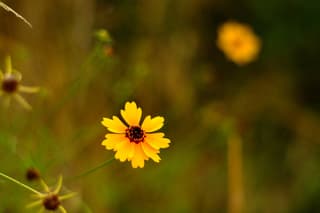
Stiff Greenthread
Thelesperma filifolium
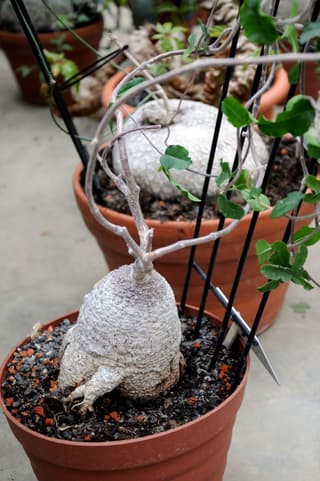
Fockea
Fockea
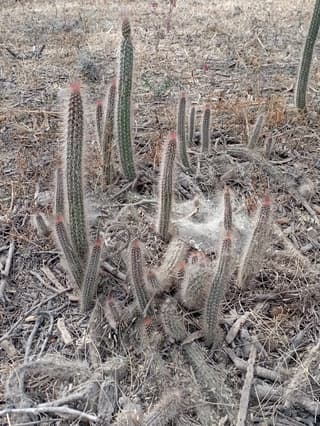
Snake Cactus, Junco, Queen of the Night
Nyctocereus serpentinus
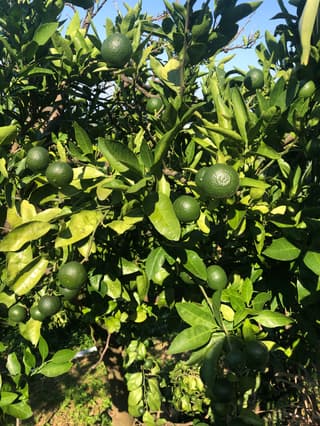
Key Lime
Citrus × aurantiifolia
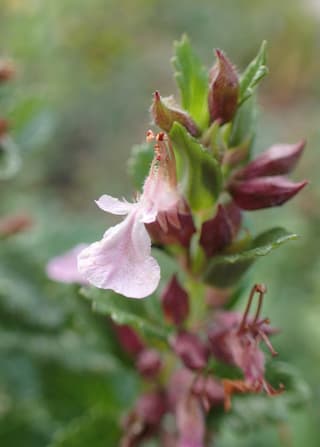
Germander
Teucrium
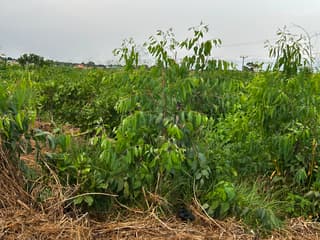
Eucalyptus
Eucalyptus
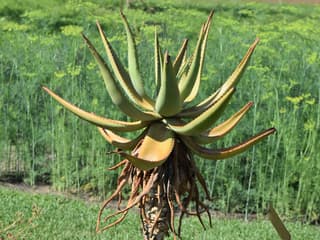
Bitter Aloe
Aloe ferox
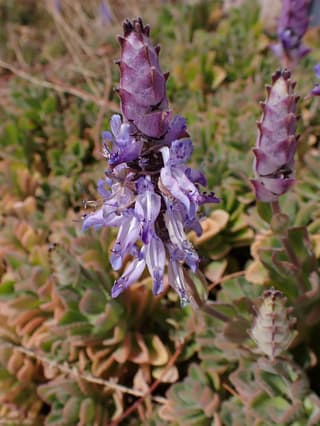
Scaredy Cat Plant
Coleus caninus
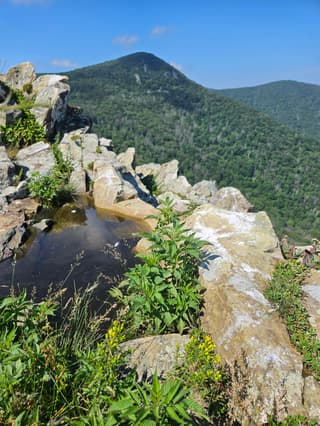
Devil's Beggarticks
Bidens frondosa
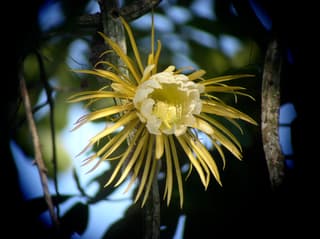
Night-Blooming Cereus
Selenicereus grandiflorus
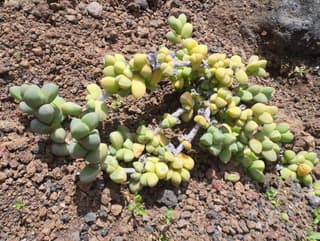
Ice Plant
Corpuscularia lehmannii
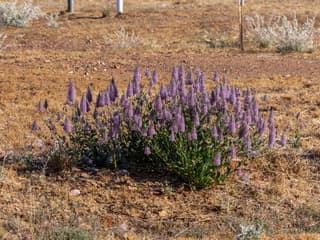
Pink Mulla Mulla
Ptilotus exaltatus
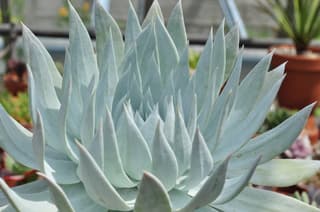
Liveforever
Dudleya
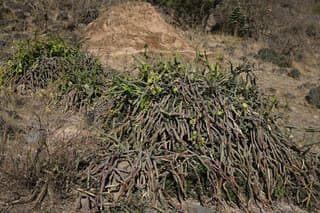
Veldt Grape
Cissus quadrangularis
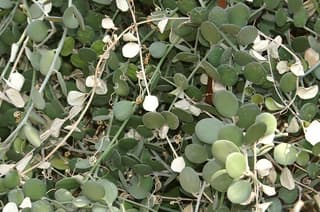
Silver Dollar Vine
Xerosicyos danguyi

Sea Squill
Drimia maritima
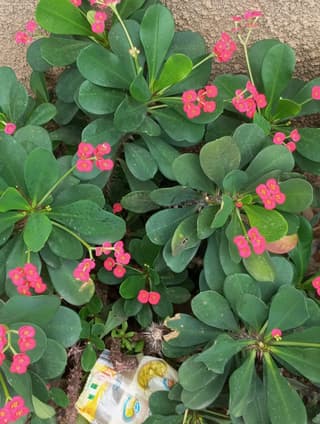
Giant crown of thorns
Euphorbia × lomii
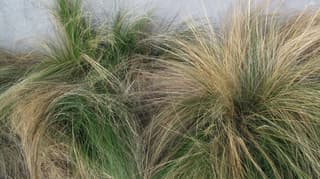
Mexican feather grass
Nassella tenuissima
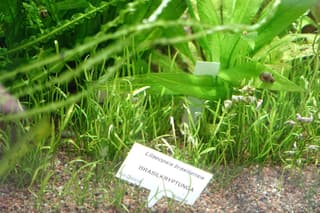
Micro Sword
Lilaeopsis brasiliensis
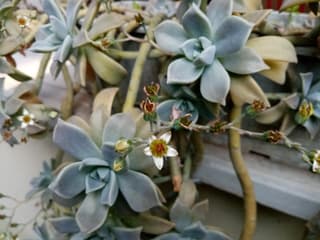
Ghost Plant
Graptopetalum

Chilean Cacti
Eriosyce
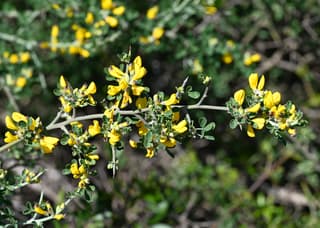
Hairy Thorny Broom
Calicotome villosa
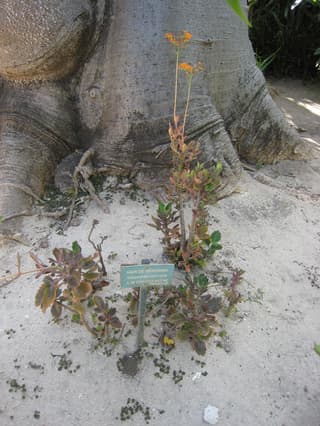
Christmas Tree Plant
Kalanchoe laciniata
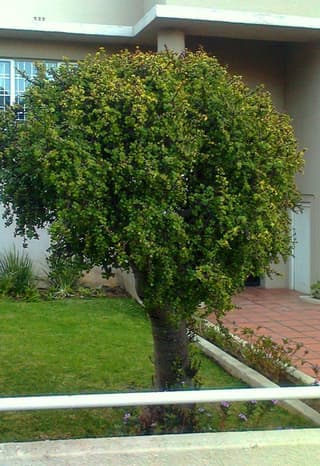
Spekboom
Portulacaria
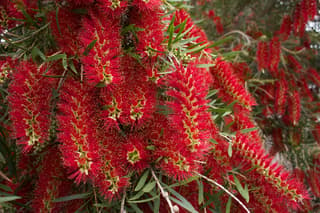
Weeping Bottlebrush
Melaleuca viminalis
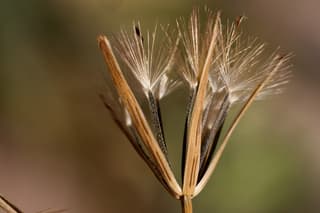
Papalo
Porophyllum ruderale
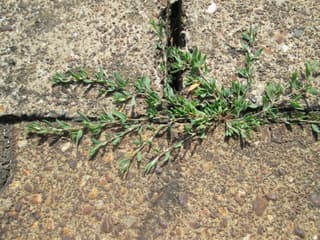
Oval-leaf Knotweed
Polygonum arenastrum
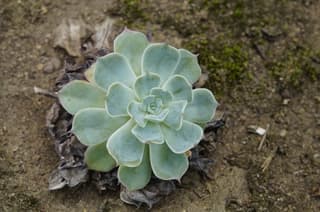
Blue Echeveria
Echeveria secunda
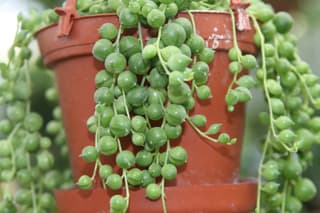
String of Watermelons
Curio herreanus
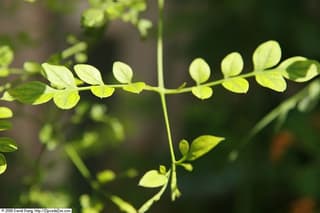
Common Jasmine
Jasminum officinale
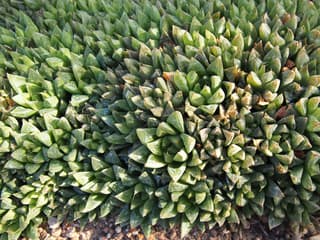
Cathedral Window Haworthia
Haworthia cymbiformis
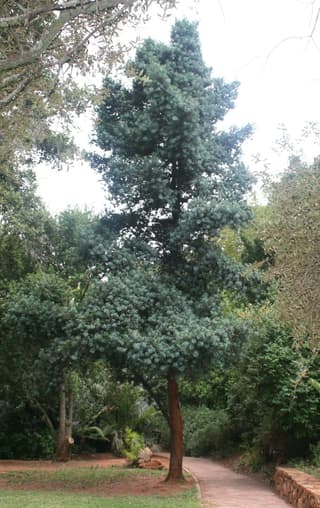
Breede River Yellowwood
Podocarpus elongatus
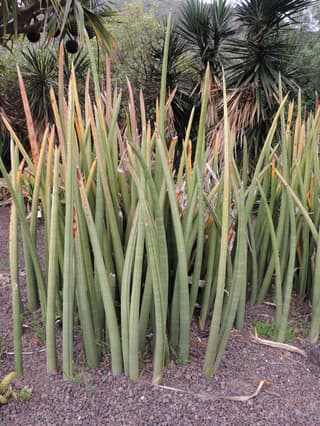
Elephant Tusk
Sansevieria stuckyi
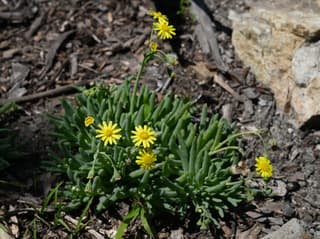
Little Pickles
Crassothonna capensis
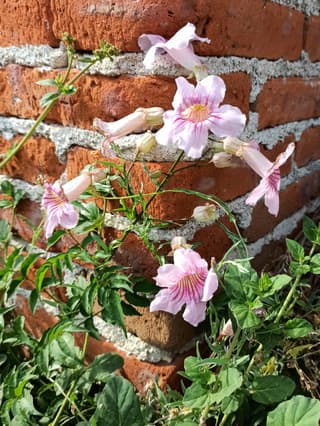
Pink Trumpet Vine
Podranea ricasoliana
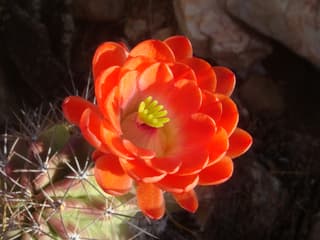
Scarlet Hedgehog Cactus
Echinocereus coccineus
Pima County Climate for Plant Growing
Pima County has a climate with an average annual temperature of 22.5°C and average relative humidity of 33.1%. These climate conditions are ideal for various species of ornamental and fruit plants.
Tips for Growing Plants in Pima County
To succeed in growing plants in Pima County, consider the average temperature of 22.5°C when choosing your species. The temperate climate allows you to grow a wide variety of species. Water more frequently due to low humidity.
Why Choose Plants Adapted to the Local Climate?
Plants adapted to Pima County's climate require less care, consume less water, and are more likely to thrive. Our selection considers the compatibility between each species' needs and local climate conditions, including temperature (22.5°C) and humidity (33.1%).