113 Best Orchids for Prescott Valley | 2026 Guide - Page 2
The 113 best orchids to grow in Prescott Valley. Ideal climate: 13.7°C, 40.5% humidity.
113 Orchids for Prescott Valley
Showing 37-72 of 113
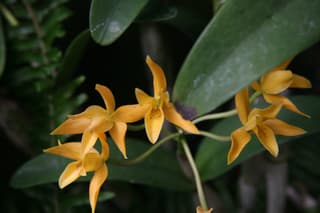
Orange Cattleya
Guarianthe aurantiaca
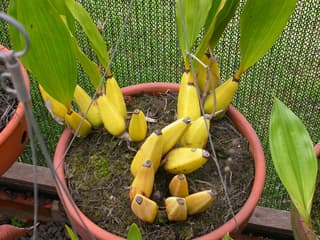
Harrison's Bifrenaria
Bifrenaria harrisoniae
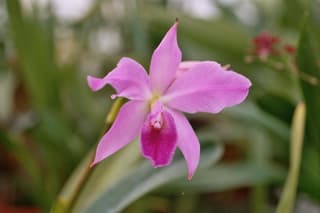
Cattleya Orchid
Cattleya spp
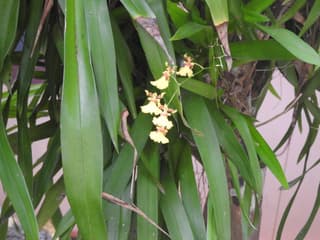
Tall Oncidium
Oncidium altissimum
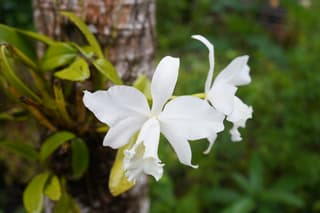
Corsage Orchid
Cattleya
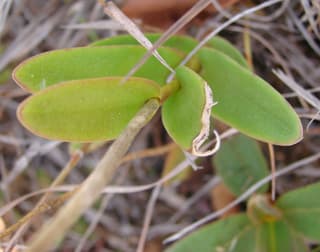
Crucifix Orchid
Epidendrum secundum
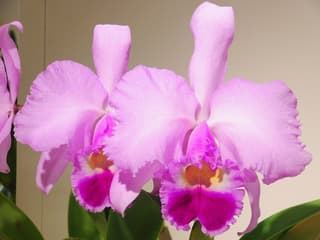
Christmas Orchid
Cattleya trianae
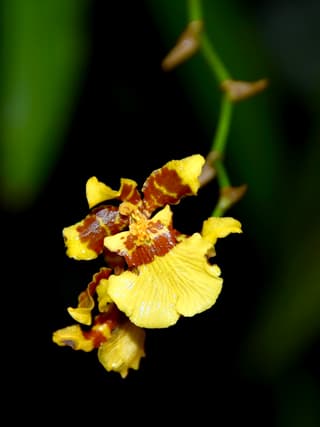
Golden Shower Orchid
Oncidium sphacelatum
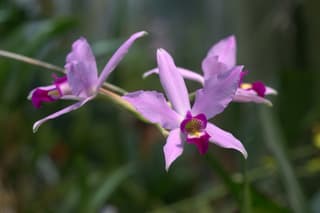
Laelia Orchid
Laelia
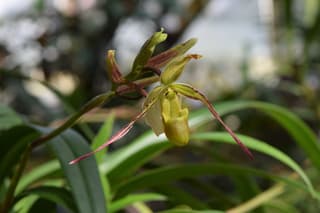
South American Slipper Orchid
Phragmipedium
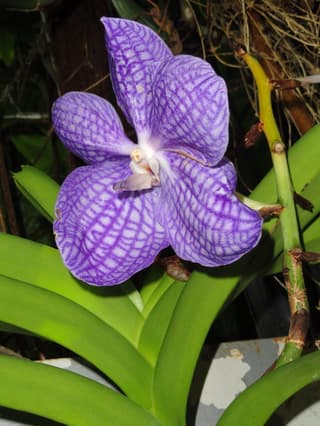
Blue Vanda Orchid
Vanda coerulea

Grasshopper orchid
Lycaste locusta
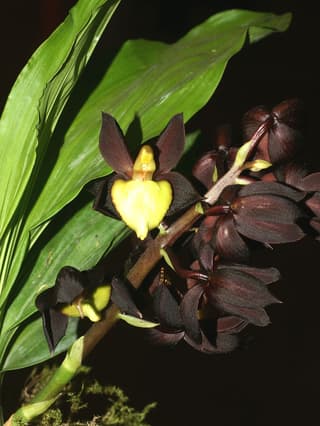
Catasetum
Catasetum
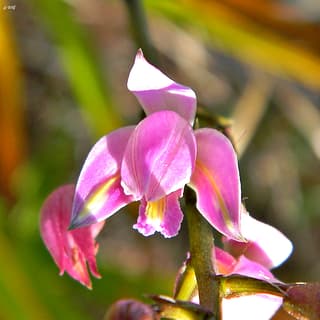
Pine-pink Orchid
Bletia purpurea
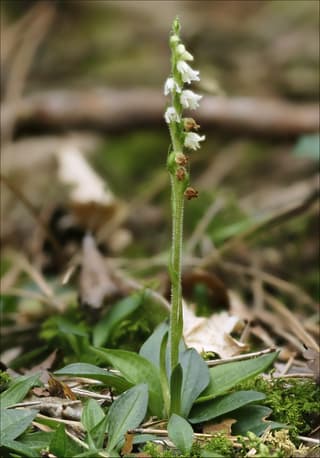
Creeping lady's-tresses
Goodyera repens
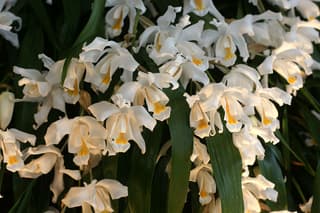
Snow Queen Orchid
Coelogyne cristata
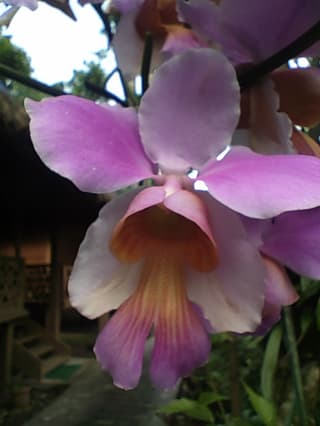
Terete Vanda
Papilionanthe teres
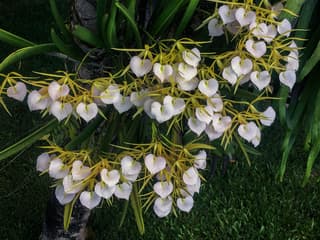
Lady of the Night
Brassavola nodosa
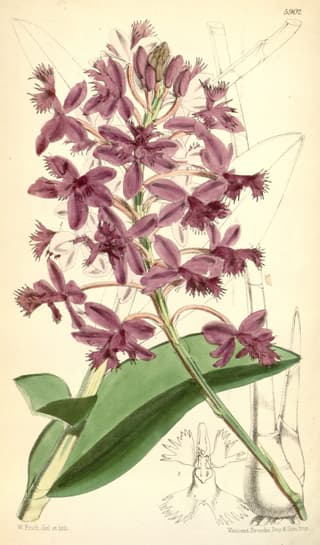
Jamieson's Epidendrum
Epidendrum jamiesonis
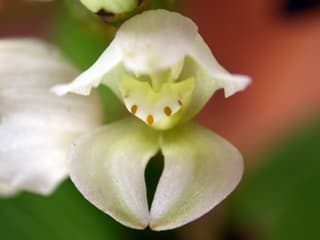
Govenia
Govenia
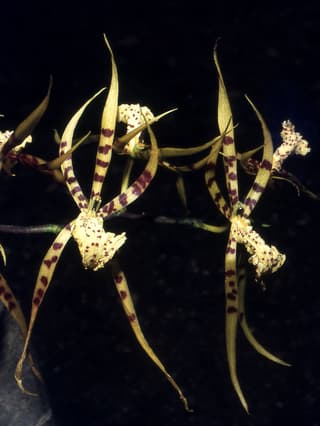
Spider Orchid
Brassia arachnoidea
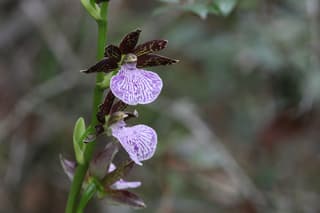
Spotted Zygopetalum
Zygopetalum maculatum
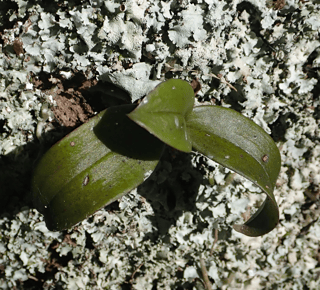
Green Fleshy Tree Orchid
Drymoanthus adversus
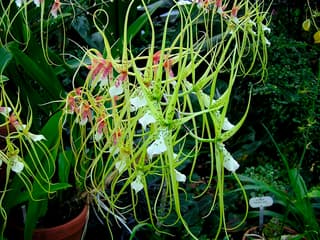
Spider Orchid
Brassia
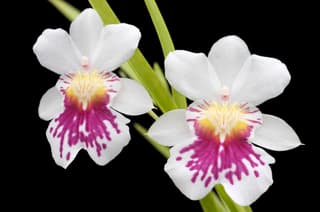
Pansy Orchid
Miltoniopsis phalaenopsis

Fragrant Encyclia
Encyclia fragrans
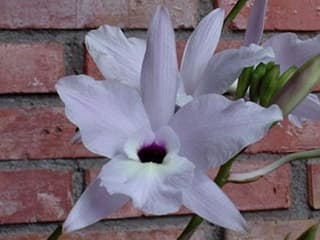
Rosy Tinted Laelia
Laelia rubescens
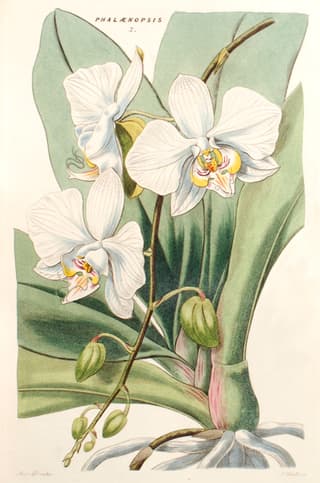
Moon Orchid
Phalaenopsis amabilis
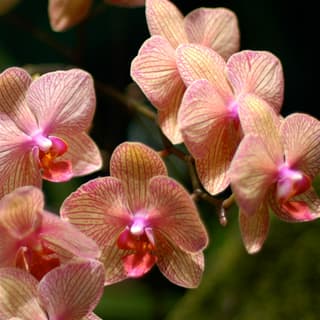
Phalaenopsis Hybrid Orchid
Phalaenopsis x hybridus
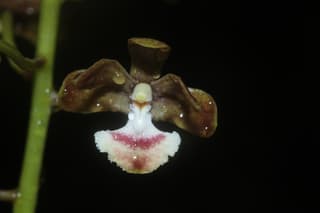
Virot's Dendrobium
Dendrobium virotii
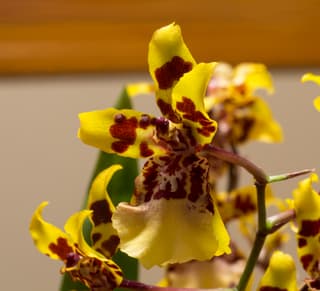
Dancing Lady Orchid (genus)
Oncidium
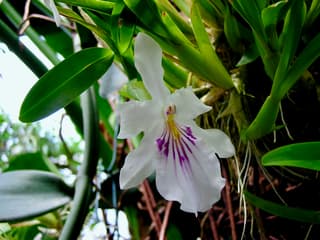
Miltonia Orchid (genus)
Miltonia
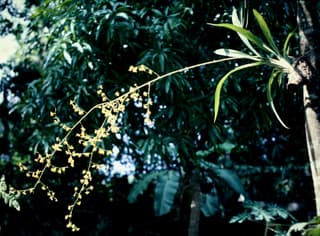
Bauer's Dancing Lady Orchid
Oncidium baueri
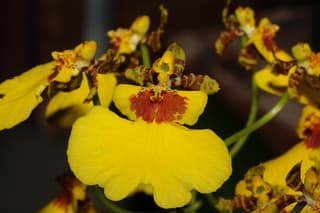
Dancing Lady Orchid
Oncidium Celtic Sun x Burgundian
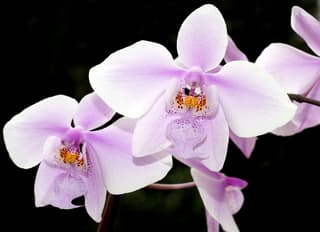
Schiller's Moth Orchid
Phalaenopsis schilleriana
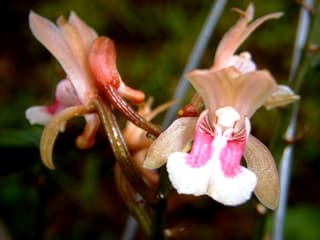
Monk Orchid
Oeceoclades maculata
Ideal Orchids for Prescott Valley's Climate
Prescott Valley has an average temperature of 13.7°C and humidity of 40.5%, conditions that directly influence which orchids best adapt to the local environment.
How to Grow Orchids in Prescott Valley
To successfully grow orchids in Prescott Valley, consider that the average temperature of 13.7°C and humidity of 40.5% create a specific microclimate. Lower humidity requires more frequent watering and use of drip trays.
Advantages of Choosing Adapted Orchids
Orchids adapted to Prescott Valley's climate show greater resistance, healthy growth, and less need for interventions.