500 Best Plants for Rio das Ostras | 2026 Guide - Page 5
Discover the 500 ideal plants for Rio das Ostras's climate. Average temp: 24°C, Humidity: 79%.
Top 500 Plants for Rio das Ostras
Showing 145-180 of 500
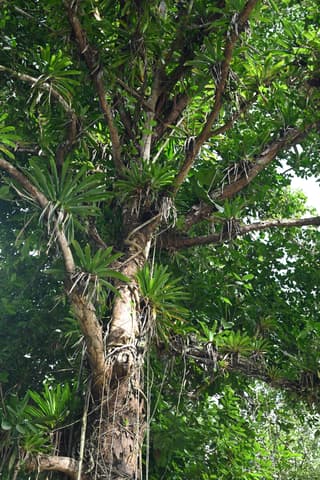
Guzmania
Guzmania
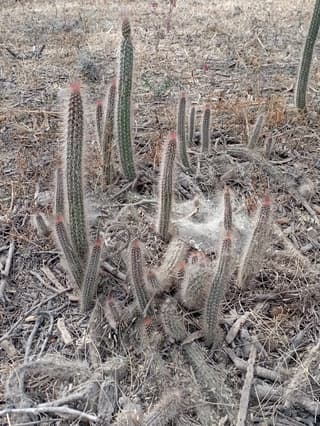
Snake Cactus, Junco, Queen of the Night
Nyctocereus serpentinus
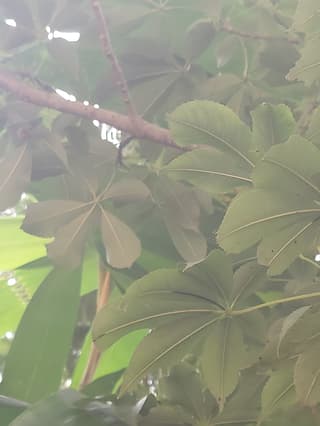
Kapok Tree
Ceiba pentandra
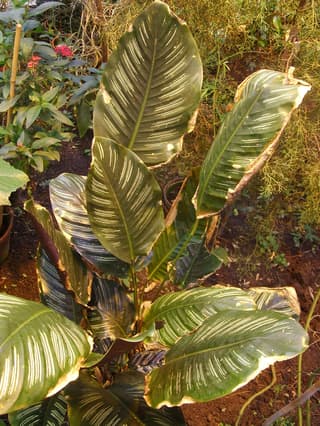
White Star Calathea
Goeppertia majestica
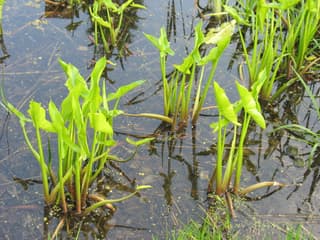
Arrow Arum
Peltandra
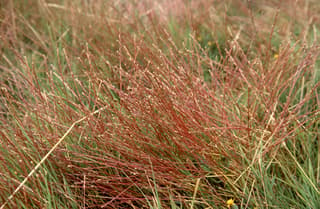
Sea Hard-grass
Parapholis strigosa
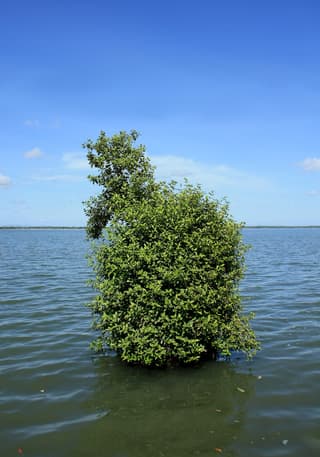
gray mangrove
Avicennia marina
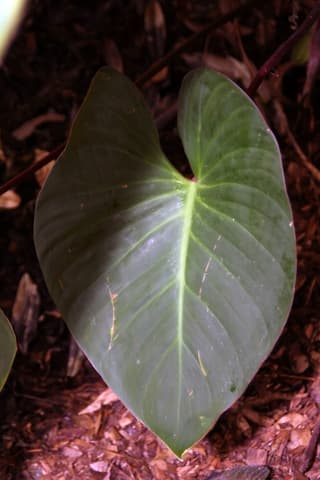
Homalomena
Homalomena
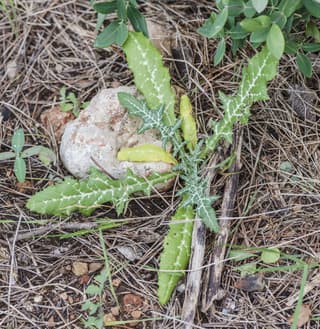
Common Sowthistle
Sonchus oleraceus
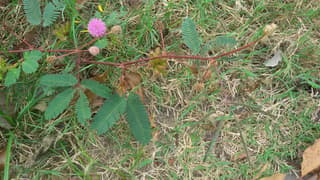
Sensitive Plant
Mimosa pudica
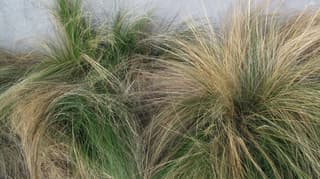
Mexican feather grass
Nassella tenuissima
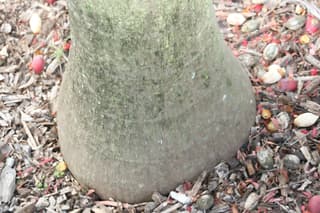
Montgomery Palm
Veitchia arecina
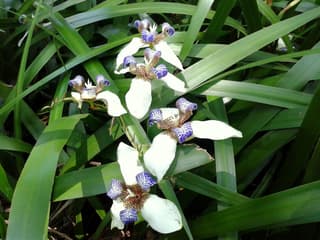
White Walking Iris
Neomarica candida
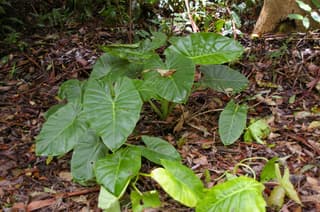
Cunjevoi
Alocasia brisbanensis
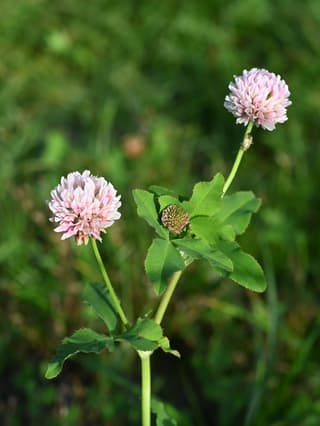
Alsike Clover
Trifolium hybridum
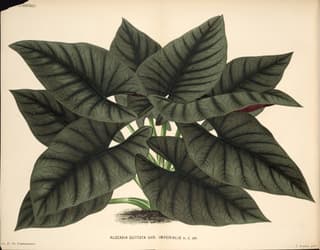
Alocasia Nebula
Alocasia nebula
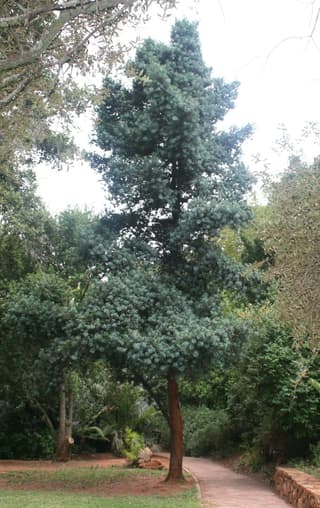
Breede River Yellowwood
Podocarpus elongatus
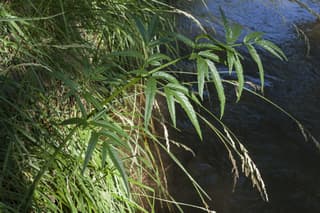
Water Hemlock
Cicuta
Stinking Squid
Pseudocolus fusiformis
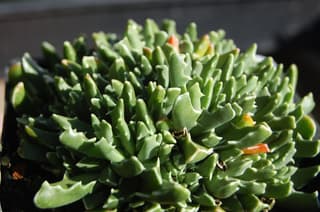
Tiger's Jaws
Faucaria bosscheana
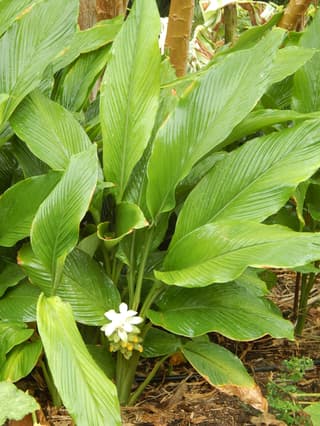
Turmeric
Curcuma longa
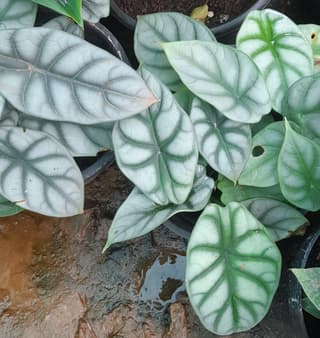
Dragon Scale Alocasia
Alocasia baginda
Lantern Stinkhorn
Lysurus mokusin
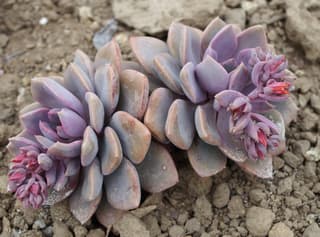
Graptoveria
× Graptoveria
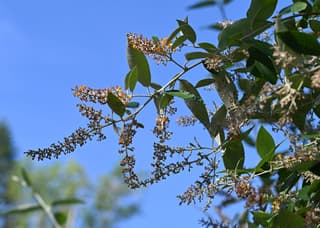
Madagascar Butterfly Bush
Buddleja madagascariensis
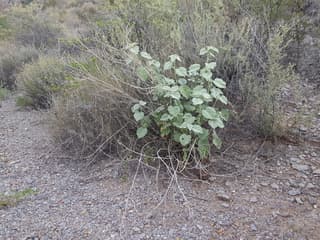
Abutilon Hybrid
Abutilon
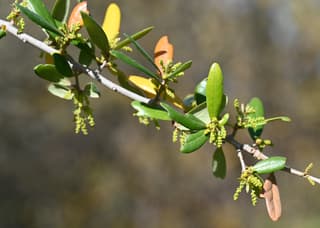
Southern Live Oak
Quercus virginiana
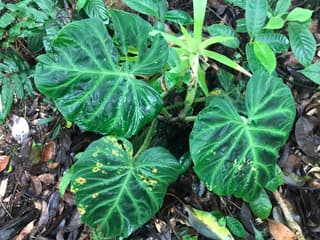
Ecuador Philodendron
Philodendron verrucosum
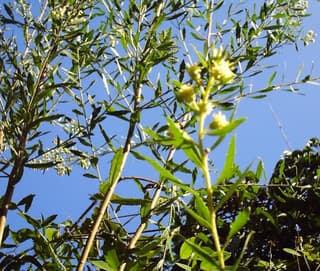
Field Rosemary
Baccharis dracunculifolia
Pleated Inkcap
Parasola
Lattice Stinkhorn
Clathrus crispatus
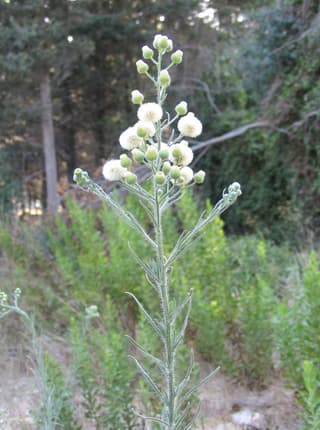
Argentine fleabane
Conyza bonariensis
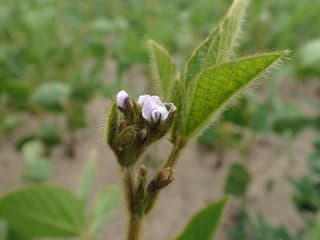
Soybean
Glycine max
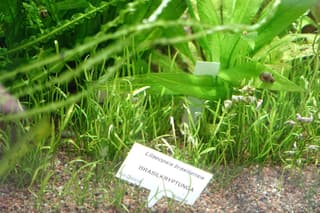
Micro Sword
Lilaeopsis brasiliensis
Common Fieldcap
Agrocybe pediades
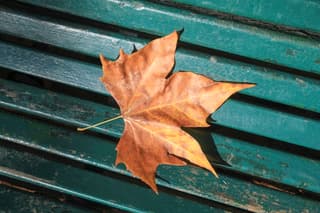
London plane
Platanus × hispanica
Rio das Ostras Climate for Plant Growing
Rio das Ostras has a climate with an average annual temperature of 24°C and average relative humidity of 79%. These climate conditions are ideal for various species of ornamental and fruit plants.
Tips for Growing Plants in Rio das Ostras
To succeed in growing plants in Rio das Ostras, consider the average temperature of 24°C when choosing your species. The temperate climate allows you to grow a wide variety of species. High humidity favors tropical plants, but watch for fungal issues.
Why Choose Plants Adapted to the Local Climate?
Plants adapted to Rio das Ostras's climate require less care, consume less water, and are more likely to thrive. Our selection considers the compatibility between each species' needs and local climate conditions, including temperature (24°C) and humidity (79%).