500 Best Pet Safe for San Bartolomé de Tirajana | 2026 Guide - Page 14
The 500 best pet safe to grow in San Bartolomé de Tirajana. Ideal climate: 23.1°C, 56.3% humidity.
500 Pet Safe for San Bartolomé de Tirajana
Showing 469-500 of 500
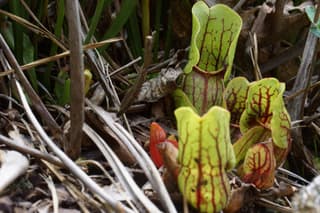
Purple Pitcher Plant
Sarracenia purpurea
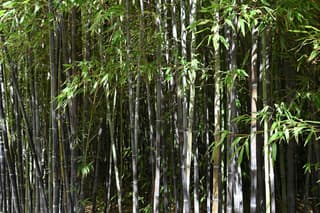
Black bamboo
Phyllostachys nigra
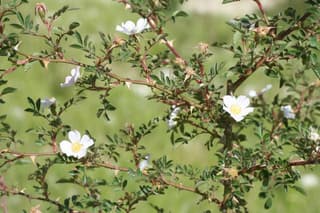
Small-leaved Sweet-briar
Rosa agrestis
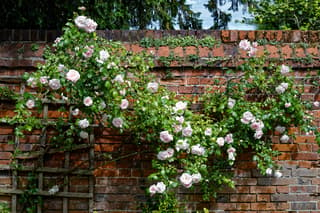
Nice Day Rose
Rosa 'CHEWNICEBELL'
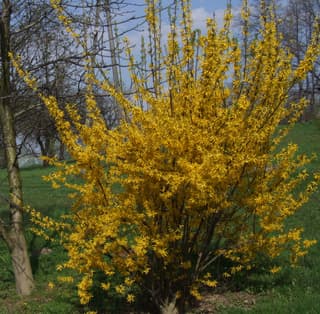
Border Forsythia
Forsythia x intermedia
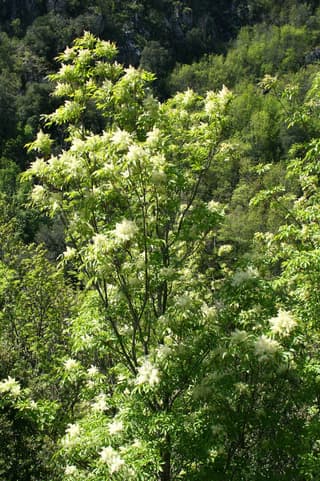
Manna Ash
Fraxinus ornus
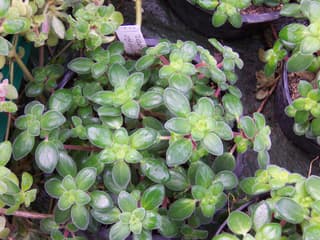
Baby Rubber Plant
Peperomia obtusifolia
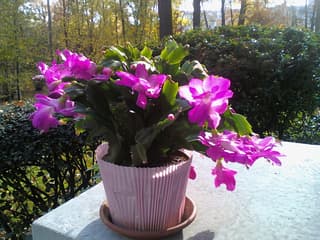
Thanksgiving Cactus
Schlumbergera truncata
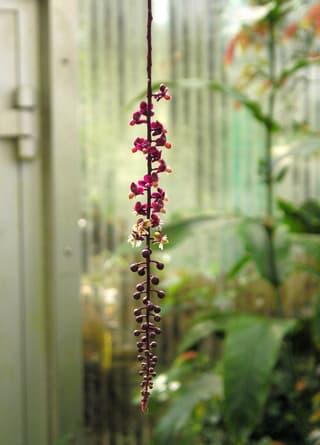
Peacock Plant
Calathea makoyana
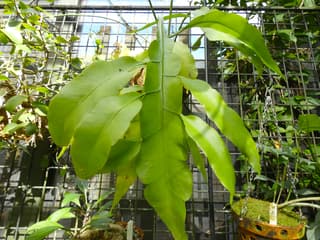
Queen of the Night
Epiphyllum oxypetalum

Noble Dendrobium
Dendrobium nobile
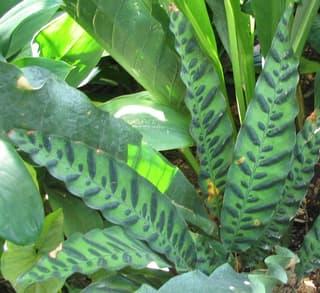
Rattlesnake Plant
Calathea lancifolia
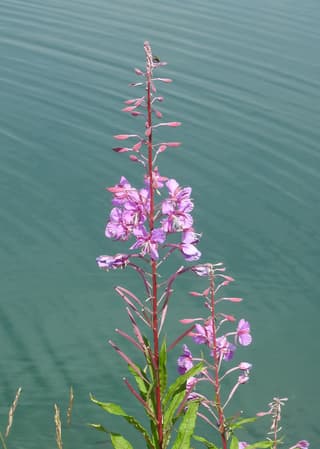
Willowherb / Fireweed (genus)
Epilobium
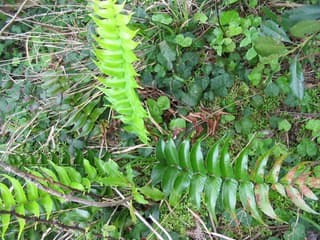
Japanese Holly Fern
Cyrtomium falcatum
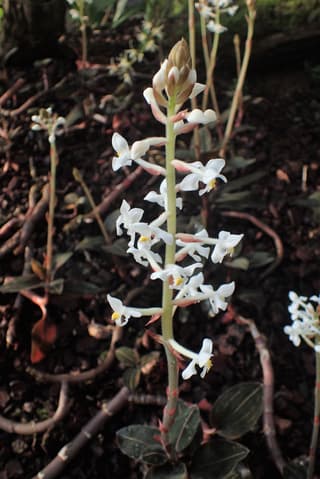
Jewel Orchid
Ludisia discolor
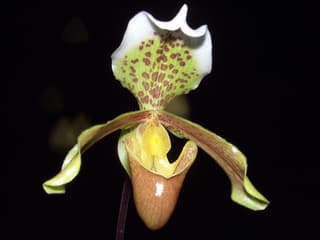
Lady Slipper Orchid
Paphiopedilum insigne
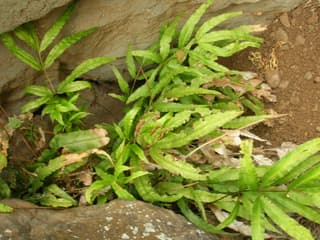
Cretan Brake Fern
Pteris cretica
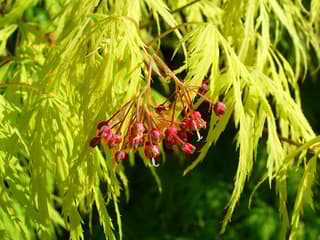
Japanese Maple
Acer palmatum
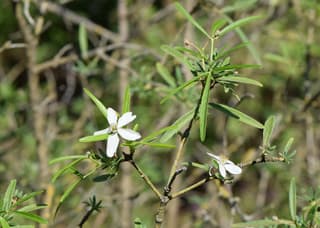
Mexican Orange Blossom (genus)
Choisya
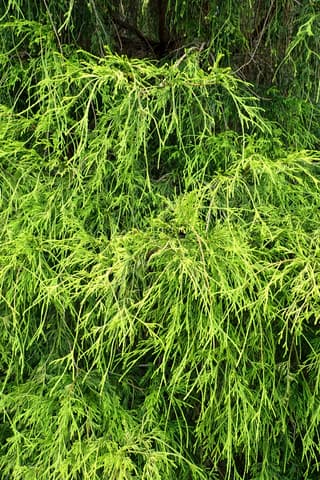
Golden Thread Cypress
Chamaecyparis pisifera filifera aurea
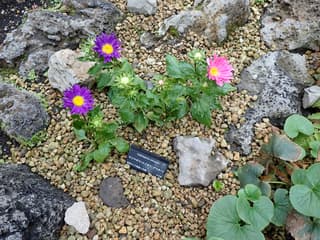
China Aster
Callistephus chinensis
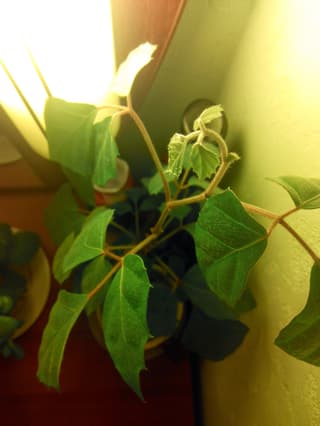
Grape Ivy
Cissus rhombifolia
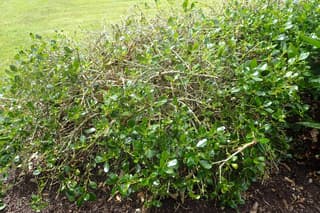
Mirror Plant
Coprosma repens
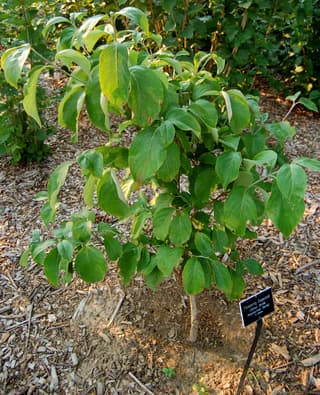
Flowering Dogwood
Cornus florida
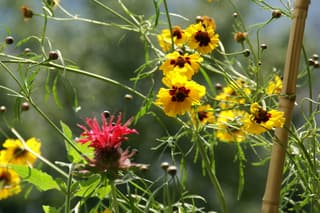
Plains Coreopsis
Coreopsis tinctoria
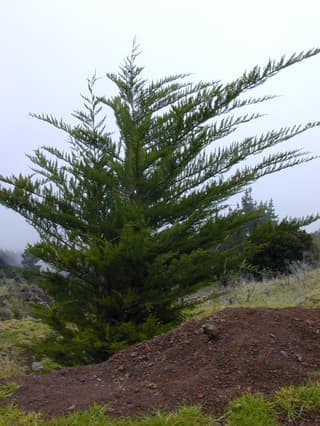
Monterey Cypress
Cupressus macrocarpa
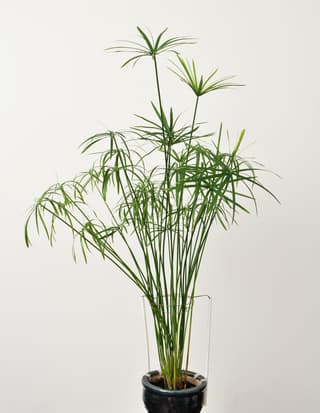
Umbrella Papyrus
Cyperus alternifolius
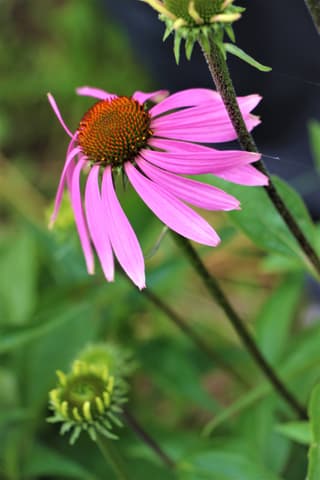
Purple Coneflower
Echinacea purpurea
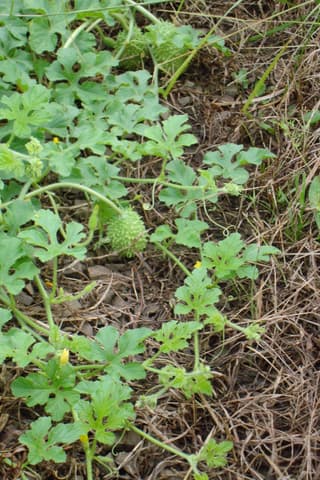
West Indian Gherkin
Cucumis anguria
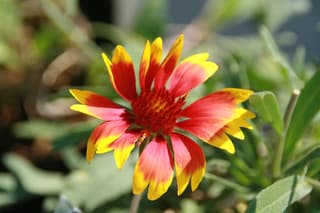
Blanket Flower
Gaillardia x grandiflora
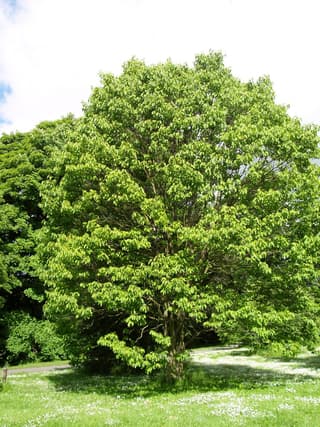
Japanese Raisin Tree
Hovenia dulcis
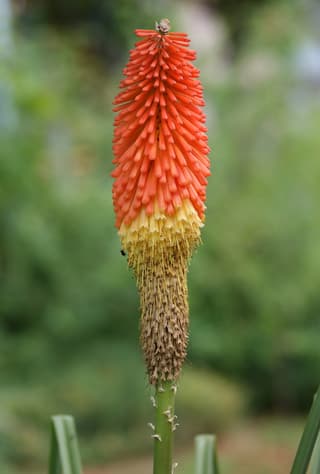
Red Hot Poker
Kniphofia uvaria
Ideal Pet Safe for San Bartolomé de Tirajana's Climate
San Bartolomé de Tirajana has an average temperature of 23.1°C and humidity of 56.3%, conditions that directly influence which pet safe best adapt to the local environment.
How to Grow Pet Safe in San Bartolomé de Tirajana
To successfully grow pet safe in San Bartolomé de Tirajana, consider that the average temperature of 23.1°C and humidity of 56.3% create a specific microclimate. Moderate humidity is favorable for most species in this category.
Advantages of Choosing Adapted Pet Safe
Pet Safe adapted to San Bartolomé de Tirajana's climate show greater resistance, healthy growth, and less need for interventions.