500 Best Pet Safe for São José do Rio Preto | 2026 Guide - Page 8
The 500 best pet safe to grow in São José do Rio Preto. Ideal climate: 23.9°C, 66.4% humidity.
500 Pet Safe for São José do Rio Preto
Showing 253-288 of 500
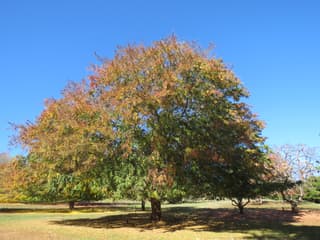
Chinese Elm
Ulmus parvifolia
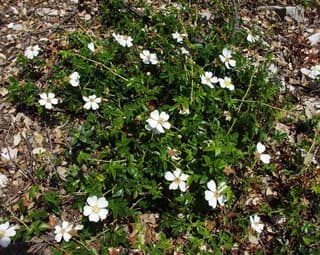
Evergreen Rose
Rosa sempervirens
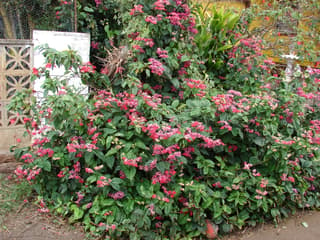
Red Bleeding Heart Vine
Clerodendrum × speciosum
Common Orache
Atriplex patula
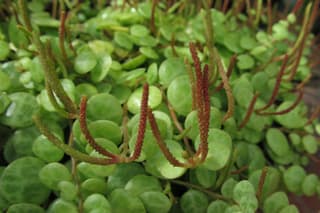
String of Turtles
Peperomia prostrata
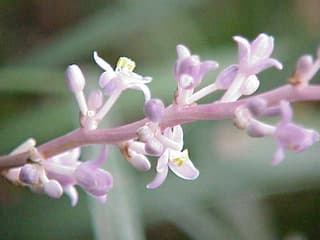
White Lilyturf
Ophiopogon jaburan
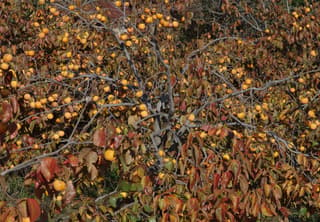
Japanese Persimmon
Diospyros kaki
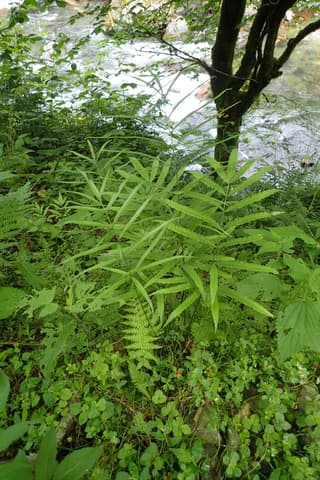
Brake Fern
Pteris
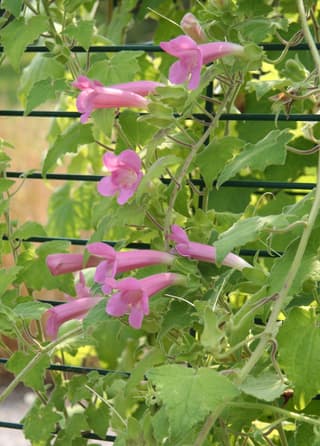
Climbing Snapdragon
Lophospermum erubescens
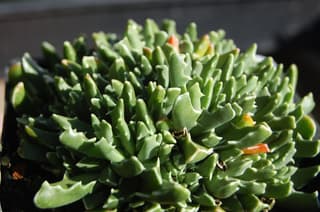
Tiger's Jaws
Faucaria bosscheana
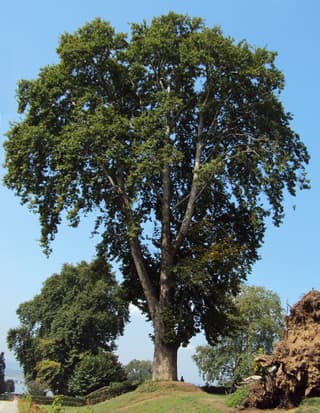
Plane Tree
Platanus
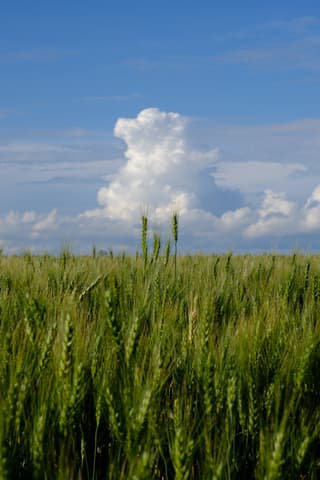
Common wheat
Triticum aestivum
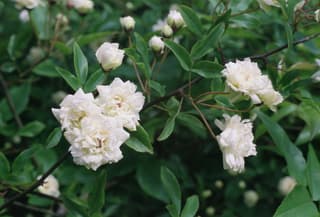
Lady Banks' Rose
Rosa banksiae
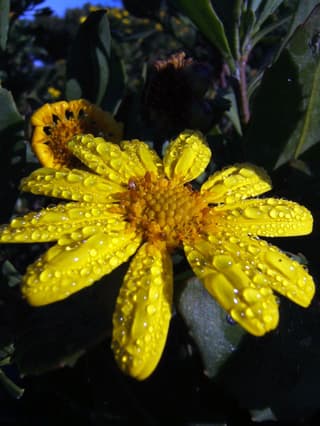
Bietou
Osteospermum moniliferum
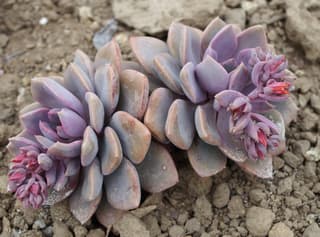
Graptoveria
× Graptoveria
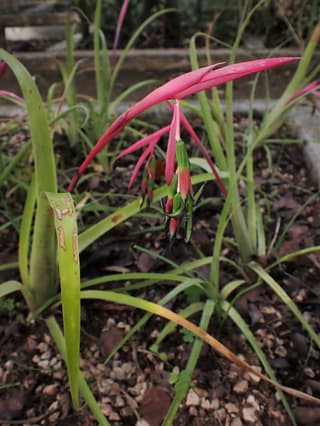
Queen's Tears
Billbergia nutans
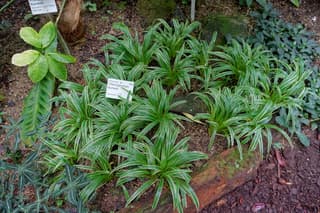
Zebra Grass Spider Plant
Chlorophytum laxum
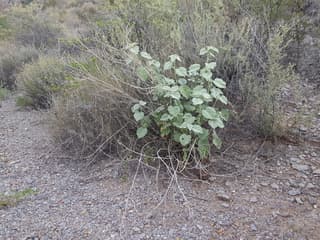
Abutilon Hybrid
Abutilon
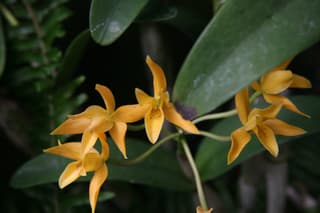
Orange Cattleya
Guarianthe aurantiaca
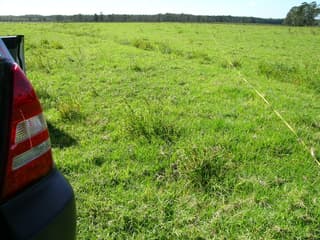
Kikuyu Grass
Cenchrus clandestinus
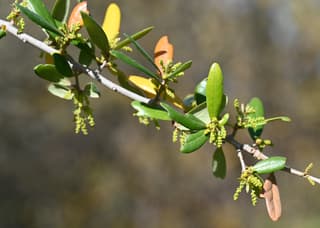
Southern Live Oak
Quercus virginiana
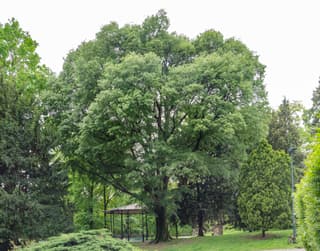
European Nettle Tree
Celtis australis
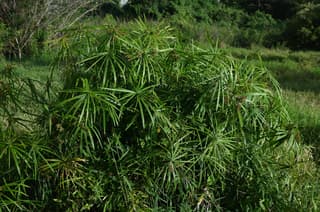
Umbrella Sedge
Cyperus
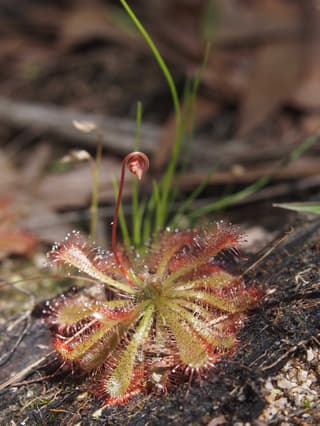
Spoon-leaved sundew
Drosera spatulata
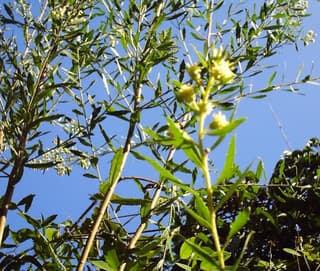
Field Rosemary
Baccharis dracunculifolia
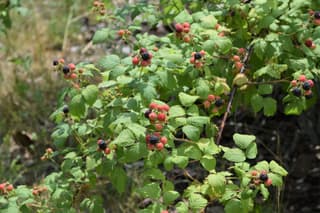
Black Raspberry
Rubus occidentalis
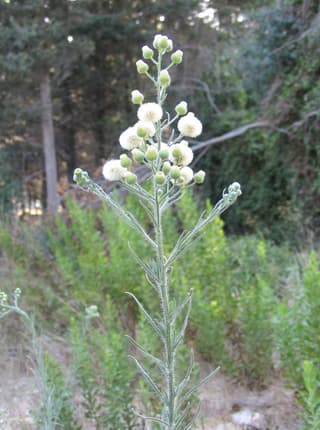
Argentine fleabane
Conyza bonariensis
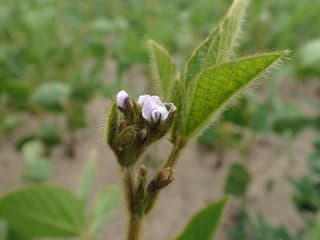
Soybean
Glycine max
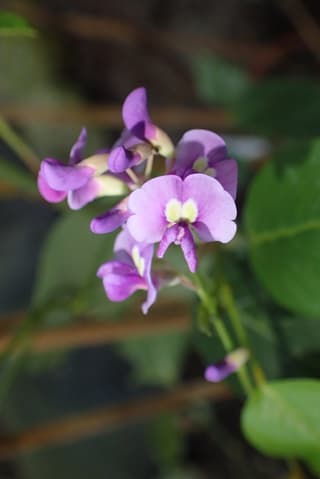
Purple Coral Pea
Hardenbergia violacea
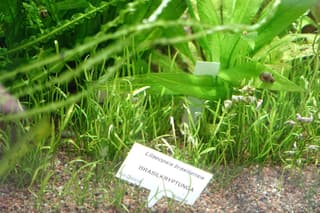
Micro Sword
Lilaeopsis brasiliensis
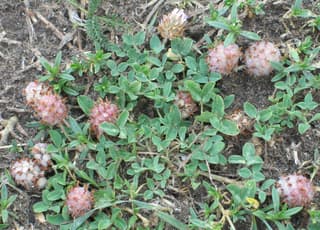
Strawberry Clover
Trifolium fragiferum
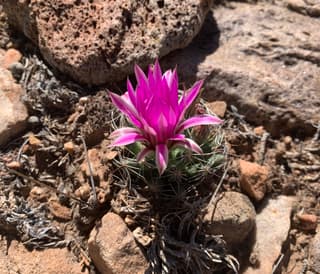
Wright's Fishhook Cactus
Cochemiea wrightii
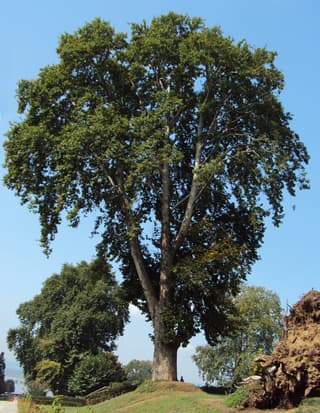
Oriental Plane
Platanus orientalis
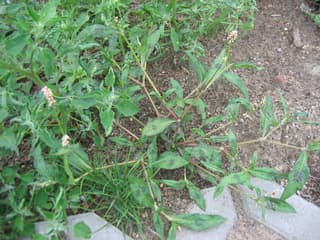
Lady's Thumb
Persicaria maculosa
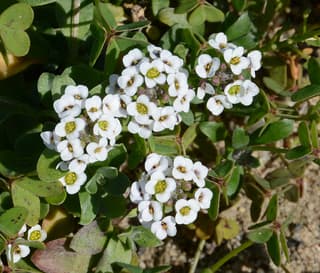
Sweet Alyssum
Lobularia maritima
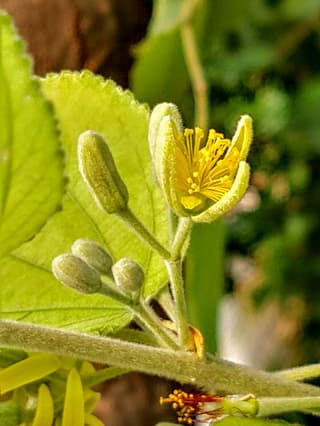
Phalsa
Grewia asiatica
Ideal Pet Safe for São José do Rio Preto's Climate
São José do Rio Preto has an average temperature of 23.9°C and humidity of 66.4%, conditions that directly influence which pet safe best adapt to the local environment.
How to Grow Pet Safe in São José do Rio Preto
To successfully grow pet safe in São José do Rio Preto, consider that the average temperature of 23.9°C and humidity of 66.4% create a specific microclimate. Moderate humidity is favorable for most species in this category.
Advantages of Choosing Adapted Pet Safe
Pet Safe adapted to São José do Rio Preto's climate show greater resistance, healthy growth, and less need for interventions.