1420 Easy Pet Safe | 2026 Guide - Page 10
Find 1420 easy pet safe. Complete guide for your garden.
1420 Pet Safe with easy level
Showing 325-360 of 1420
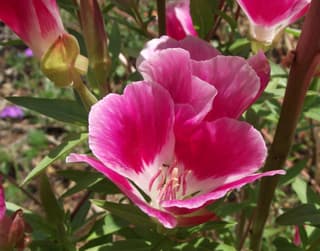
Farewell to Spring
Clarkia amoena
Clarkia amoena, commonly known as Farewell to Spring or Godetia, is a charming annual wildflower native to the coastal hills and mountains of western North America. It produces showy pink, lavender, purple, and white flowers in late spring to early summer, attracting pollinators including bees, butterflies, and hummingbirds. It thrives in full sun with well-draining soil and is relatively drought-tolerant once established.
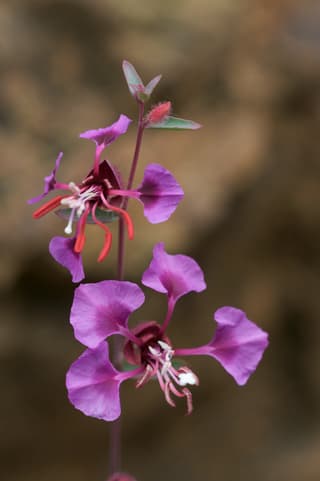
elegant clarkia
Clarkia unguiculata
Elegant clarkia (Clarkia unguiculata) is an annual flowering plant from the evening primrose family (Onagraceae), native to California, where it naturally grows in chaparral, oak woodlands, and on dry, open slopes up to approximately 1500 meters in elevation. The plant can grow up to 90 cm tall and features stately, cup-shaped flowers with characteristic narrow, claw-shaped petals (hence the species name 'unguiculata', meaning 'claw-like'). The flowers appear in pink, purple, and white, often with darker spots at the base of the petals, adorning gardens from late spring to early summer. The species is known to attract bees and other pollinating insects.
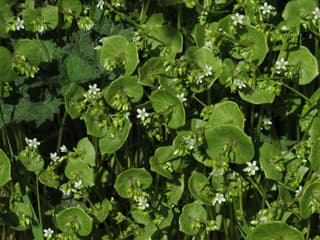
Miner's Lettuce
Claytonia perfoliata
Miner's lettuce is a low-growing, succulent-leaved annual native to the woodlands and shady slopes of western North America, from British Columbia south to California and Mexico. Its most distinctive feature is the round, saucer-like leaf that appears to be pierced by the flower stem, holding tiny clusters of white, five-petaled flowers above it. The plant earned its common name during the California Gold Rush, when miners ate its vitamin C-rich leaves to prevent scurvy. Fast-growing and freely self-seeding, it thrives in cool, damp, shady spots and is equally at home naturalized in a woodland garden or grown as an early-season salad crop.
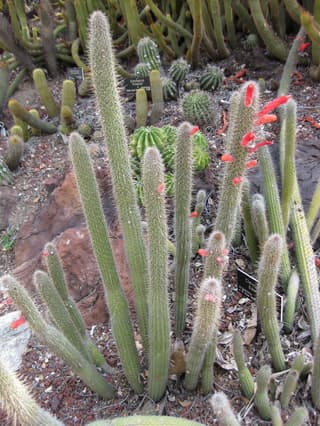
Scarlet Bugler
Cleistocactus baumannii
Cleistocactus baumannii is a columnar, shrubby cactus native to the semi-arid regions of Argentina, Bolivia, Paraguay, Uruguay and Brazil. It forms clumps of upright or arching stems, branching from the base, that can reach up to 2 meters tall and are covered in dense rows of yellowish to brown spines. Between spring and summer it produces striking tubular flowers in shades of yellow, orange and red that attract hummingbirds. It is a hardy, easy-to-grow species popular among cactus collectors for its showy blooms and low maintenance.
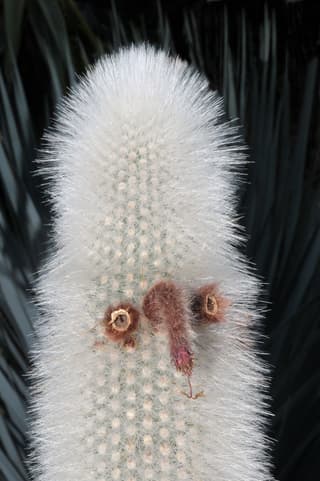
Silver Torch Cactus
Cleistocactus strausii
Cleistocactus strausii, known as the Silver Torch Cactus, is a perennial columnar cactus native to the mountainous regions of Bolivia and Argentina. It is widely appreciated for its erect stems covered in a dense layer of short white spines, which give it a distinct silvery appearance. Upon reaching maturity, it produces tubular burgundy-red flowers that do not fully open, projecting horizontally from the stems.
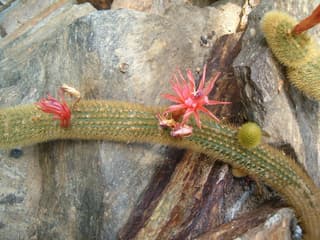
Golden Rat-tail Cactus
Cleistocactus winteri
The Golden Rat-tail Cactus (Cleistocactus winteri) is a trailing cactus native to the mountainous slopes of Bolivia. Its slender, golden-spined stems can cascade over 90 cm from a hanging basket, producing striking tubular orange to salmon-pink flowers in spring and summer. Prized as a houseplant, it is easy-going as long as its need for excellent drainage and bright light is respected.
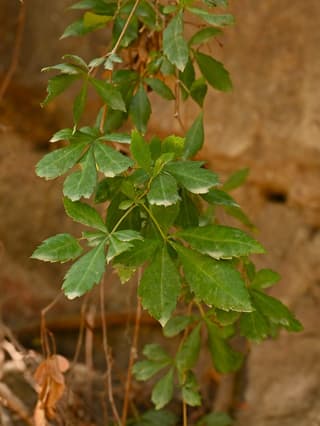
Grape Ivy
Clematicissus striata
A perennial climbing plant from the Vitaceae family, native to South America (Chile, Argentina, Brazil, Uruguay, Paraguay, Bolivia). Its slender, ribbed stems attach themselves using tendrils. The evergreen foliage, dark green and glossy, is composed of five oval, toothed leaflets arranged in a fan shape. In summer, it produces small, inconspicuous white to greenish flowers, followed by fleshy black berries that are not edible.
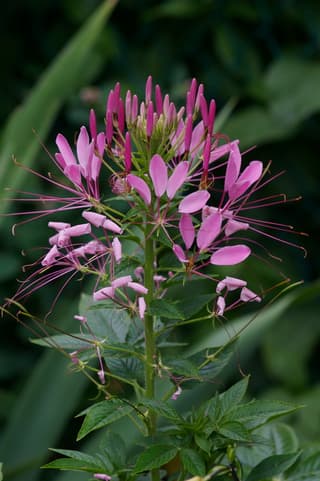
Spider Flower
Cleome houtteana
Cleome houtteana (long known as Cleome hassleriana) is a tall, bushy annual flower prized for its striking, spider-like blooms held atop long flowering stems. Native to South America, it grows rapidly from seed to form an upright plant reaching up to 1.8 m (6 ft) in height, with palmately compound leaves and clusters of pink, purple, or white flowers featuring long, whisker-like stamens. Blooming continuously from early summer until the first frost, it is a favorite for pollinator gardens, attracting bees, butterflies, hummingbirds, and moths. The stems carry small spines and the foliage has a musky scent, so gloves are recommended when handling the plant.
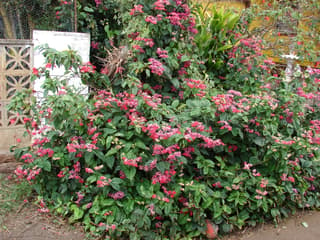
Red Bleeding Heart Vine
Clerodendrum × speciosum
Clerodendrum × speciosum, commonly known as the Red Bleeding Heart Vine, is an ornamental hybrid between the Bleeding Heart Glory Bower (Clerodendrum thomsoniae) and the Scarlet Glory Bower (Clerodendrum splendens). This vigorous scandent shrub produces dense clusters of tubular red flowers wrapped in persistent white calyces that blush pink with age, resembling a bleeding heart. Being a sterile hybrid, it produces no viable seed and is propagated only by cuttings or division.
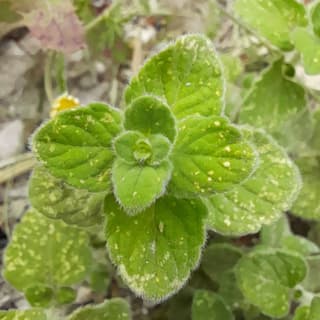
Lesser Calamint
Clinopodium nepeta
Lesser Calamint is a perennial, aromatic herb in the mint family (Lamiaceae) that forms a compact, tufted shrub with gray-green, oval leaves. The leaves possess a fresh scent of mint, oregano, and a hint of peppermint-like pennyroyal, and are widely used in Mediterranean cuisine. The plant is native to the Mediterranean region, North Africa, and parts of Central Asia, where it grows on dry, calcareous slopes and hillsides. From July to October, it bears numerous small, two-lipped flowers in white, pink, or lavender, which attract bees and butterflies. Lesser Calamint is hardy, drought-tolerant, and requires minimal care, making it a favorite for rock gardens and herb gardens.
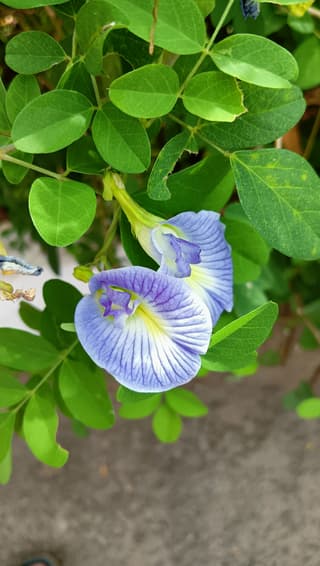
Butterfly Pea
Clitoria ternatea
Butterfly Pea (Clitoria ternatea) is a tropical climbing vine native to Southeast Asia, celebrated for its striking deep-blue butterfly-shaped flowers. It is widely grown as an ornamental, culinary, and medicinal plant. The flowers produce a natural blue pigment used in teas, foods, and beverages that turns purple when exposed to acidic ingredients. As a legume, it also fixes nitrogen, naturally enriching the soil.
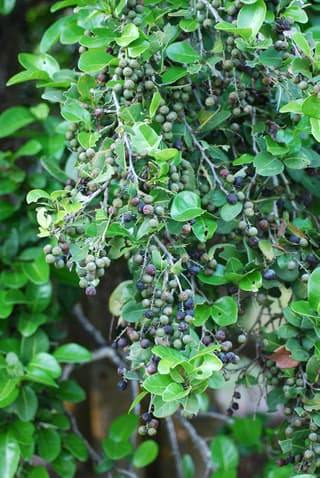
Pigeon Plum
Coccoloba diversifolia
Pigeon Plum (Coccoloba diversifolia) is a fast-growing, evergreen tropical tree native to the Caribbean, Florida, and Central America. Prized for its leathery dark-green foliage, creamy-white flower spikes, and small reddish-purple fruits loved by birds, it thrives in sandy coastal soils with outstanding drought and salt tolerance.

Sea Grape
Coccoloba uvifera
Coccoloba uvifera, commonly known as Sea Grape, is a coastal tree or large shrub native to the tropical Americas, including the Caribbean, southern Florida, Mexico, and Central and South America. It features large, round, leathery leaves up to 25 cm in diameter with distinctive reddish veins. Female trees produce hanging clusters of purple, grape-like fruits that are edible and widely used in Caribbean cuisine. The plant is highly tolerant of salt spray, wind, and sandy soils, making it a cornerstone of tropical coastal landscapes.
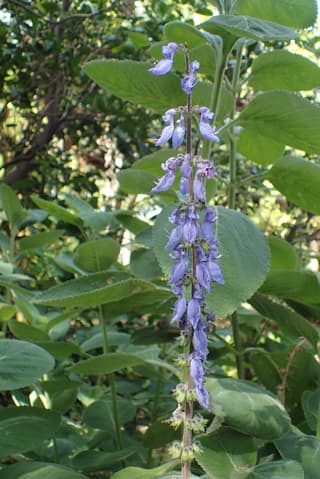
Indian Coleus
Coleus barbatus
Indian Coleus (Coleus barbatus, syn. Plectranthus barbatus) is an aromatic medicinal herb in the Lamiaceae family, native to Eastern Africa and widely naturalized in Brazil and tropical regions. It features large, velvety, fragrant leaves and produces dense spikes of blue-purple flowers. Widely cultivated for its digestive and liver-supportive properties, as well as its ornamental value.
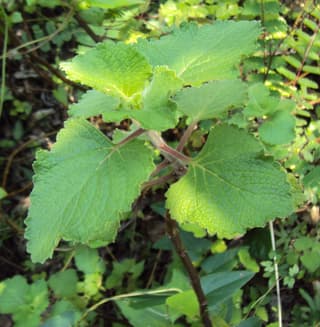
Hairy Coleus
Coleus hadiensis
Coleus hadiensis, formerly known as Plectranthus hadiensis, is a fast-growing, semi-succulent shrub native to South Africa's Eastern Cape and KwaZulu-Natal provinces, extending through eastern tropical Africa to the southern Arabian Peninsula. It forms an erect to decumbent shrub up to 1.5 m tall and 1 m wide, with soft, felted, aromatic leaves and terminal clusters of mauve to purple (occasionally white) tubular flowers that bloom from autumn into winter.
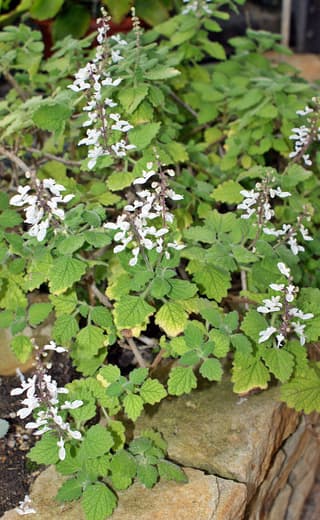
Madagascar Coleus
Coleus madagascariensis
Coleus madagascariensis, commonly known as Madagascar Coleus or Thicket Coleus, is a fast-growing aromatic perennial herb in the family Lamiaceae, native to southern and southeastern Africa. Its fleshy, variegated leaves release a refreshing mentholated fragrance when touched, earning it the nickname "Vicks Plant." This versatile species thrives both indoors and outdoors, valued for its ornamental foliage, pleasant scent, and traditional medicinal applications. In autumn it produces slender spikes of small white to mauve flowers that attract bees, butterflies, and birds.

Asiatic Dayflower
Commelina communis
Commelina communis is a fast-growing summer annual herb native to East Asia, now naturalized across eastern North America. It produces sprawling, hairless stems with lance-to-egg-shaped leaves and distinctive two-petaled blue flowers that open for a single morning before fading. The young shoots and leaves are edible with a mild, mucilaginous texture, and the plant has a long history of use in traditional Asian medicine.
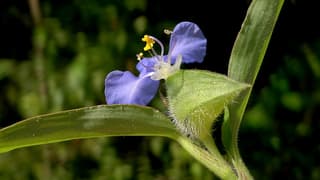
Whitemouth Dayflower
Commelina erecta
Commelina erecta, commonly known as Whitemouth Dayflower or Erect Dayflower, is a perennial herb native to the Americas. It produces vivid sky-blue flowers with a small white lower petal, each lasting only a single day. A resilient and adaptable plant, it thrives in sunny to partially shaded gardens and is valued for both its ornamental beauty and traditional medicinal uses across South America.
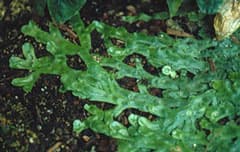
Great Scented Liverwort
Conocephalum
Conocephalum is a genus of thallose liverworts (bryophytes) in the family Conocephalaceae, best known for the distinctive hexagonal patterning on their thallus surface resembling snake scales — earning them the nickname "snakeskin liverwort." These non-vascular plants thrive in shaded, moist habitats such as stream banks, wet rocks, and forest floors. They are widely used in terrariums, vivariums, and paludariums as a lush, low-growing green carpet.
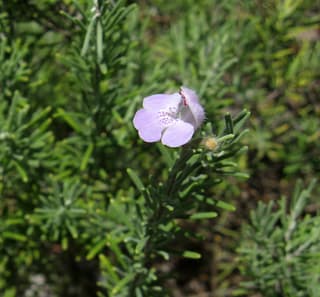
False Rosemary
Conradina
Conradina is a small genus of about seven aromatic, evergreen shrubs in the mint family (Lamiaceae), native to the sandy scrublands and coastal dunes of the southeastern United States, especially Florida. Commonly called false rosemary for its needle-like, gray-green leaves and rosemary-like scent, the plants form dense, rounded mounds 60-90 cm tall covered in small two-lipped purple, lavender, or white flowers from spring through fall. Highly drought-tolerant and adapted to poor, well-drained sandy soils, Conradina species are popular in xeriscaping, pollinator gardens, and coastal restoration plantings. Several species, including C. brevifolia, C. etonia, and C. glabra, are rare and federally protected.
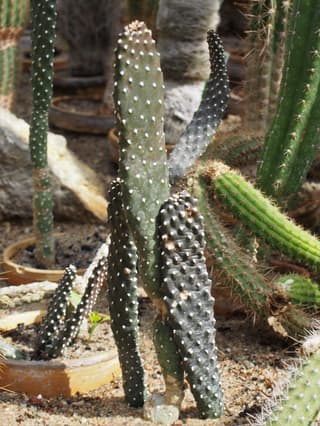
Road Kill Cactus
Consolea rubescens
Consolea rubescens is a tall, tree-like cactus from the Cactaceae family, native to the Caribbean islands (Puerto Rico, Virgin Islands, Lesser Antilles). It forms a woody trunk from which flattened, oval segments (pads) grow, taking on a reddish-purple hue in strong sunlight. In nature, it can reach up to 6 meters in height. In spring and summer, yellow-orange-red flowers appear, followed by edible, tart fruits.
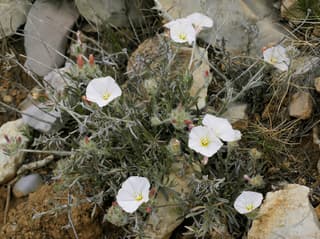
Silverbush
Convolvulus
Convolvulus is a genus in the Convolvulaceae family that ranges from climbers and ground covers to small shrubs, such as the silver-leaved silverbush (Convolvulus cneorum). They bear funnel- or trumpet-shaped flowers in white, pink and blue that open with the sun. They are prized in dry gardens, borders and containers.

Field Bindweed
Convolvulus arvensis
Field Bindweed (Convolvulus arvensis) is a fast-growing, rhizomatous perennial vine in the morning glory family. Native to Europe and Asia, it has become a widespread and highly invasive weed across temperate regions worldwide. Its funnel-shaped white or pale pink flowers open in summer, while its deep, extensive root system makes it notoriously difficult to eradicate once established.
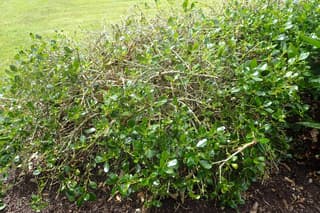
Mirror Plant
Coprosma repens
Coprosma repens, commonly known as the Mirror Plant, is a glossy-leaved evergreen shrub native to New Zealand. Its highly reflective, lacquered leaves give it the distinctive mirror-like appearance that inspired its name. It is an exceptionally tough coastal plant, tolerating salt spray, wind, and drought once established, making it a popular choice for hedging and screening in exposed gardens.
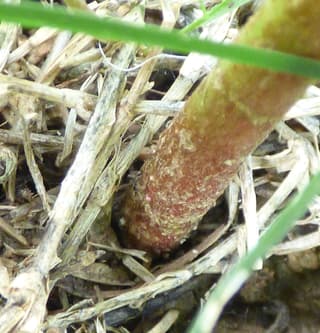
Jute Mallow
Corchorus olitorius
Corchorus olitorius is a fast-growing, erect annual herb in the mallow family (Malvaceae), prized across Africa, the Middle East, and Asia as a leafy vegetable. Left to mature it can reach 1.5-3.5 m, with slender green stems, serrated glossy leaves, and small solitary yellow flowers followed by slender ridged seed pods. Young shoots and leaves are harvested repeatedly for cooking -- most famously in Egyptian molokhia soup -- and the stem fibers can also be spun into jute-like textiles.
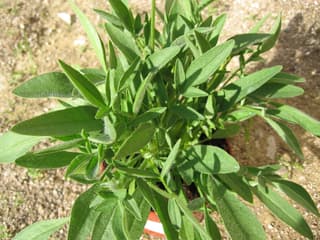
Large-flowered Tickseed
Coreopsis grandiflora
Coreopsis grandiflora, commonly known as Coreopsis or Tickseed, is a perennial plant native to North America, belonging to the Asteraceae family. Its radiant golden flowers bloom from late spring through summer, attracting pollinators such as bees and butterflies. It is an extremely hardy, drought-tolerant plant that is easy to grow.
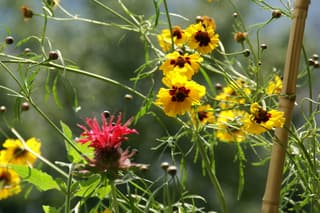
Plains Coreopsis
Coreopsis tinctoria
Plains Coreopsis (Coreopsis tinctoria) is a cheerful annual wildflower native to North America, producing masses of bright daisy-like flowers in yellow, red, burgundy, and gold from spring through fall. A staple of prairie meadows, it thrives in full sun with minimal care, making it a favorite for wildflower gardens and pollinator habitats.
Threadleaf Coreopsis
Coreopsis verticillata
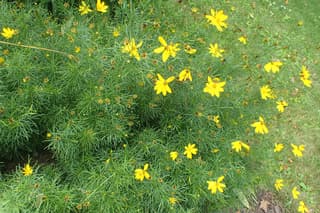
Threadleaf coreopsis is a bushy, drought-tolerant perennial prized for its fine, needle-like foliage arranged in whorls and its abundance of small, star-shaped, butter-yellow flowers. Native to the southeastern United States, it forms dense clumps 60-90 cm tall and wide, blooming profusely from late spring through fall. It is a low-maintenance garden staple, popular in borders, rock gardens, and pollinator plantings.
Coriander
Coriandrum sativum
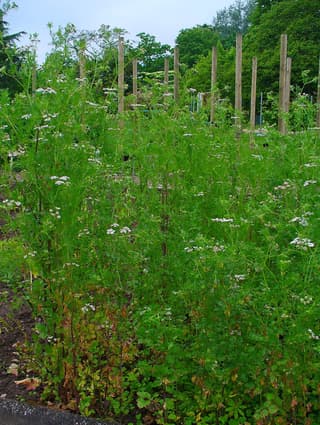
Coriander (Coriandrum sativum) is a fast-growing annual herb from the Apiaceae family, native to the Mediterranean and Middle East. Both its fresh leaves (known as cilantro) and dried seeds are widely used in cuisines across the globe. The plant grows 30–60 cm tall and produces small white or pink flowers in spring and summer before setting seed.
Cornelian Cherry
Cornus mas
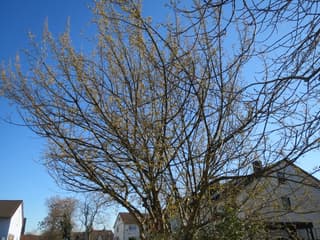
Cornelian Cherry (Cornus mas) is a deciduous shrub or small tree native to southern Europe and western Asia, belonging to the family Cornaceae. One of the earliest plants to bloom, it produces clusters of small bright yellow flowers on bare branches in late winter or early spring before the leaves emerge. The glossy red, olive-shaped fruits ripen in late summer and are edible, traditionally used in jams, syrups, sauces, and liqueurs. The plant offers multi-season ornamental interest through its exfoliating bark and reddish autumn foliage.
Common Dogwood
Cornus sanguinea
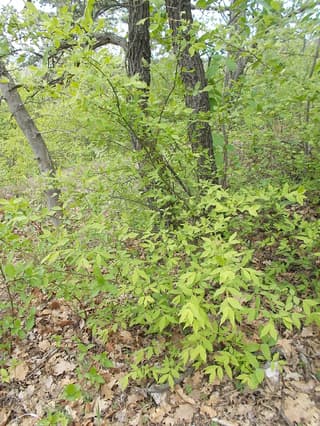
Common dogwood (Cornus sanguinea) is a hardy deciduous shrub native to Europe and western Asia, prized for its vivid red winter stems and adaptability. Clusters of small white flowers appear in late spring to summer, followed by black berries, with foliage turning red-purple in autumn.
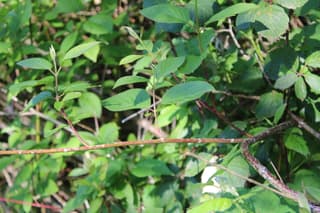
Red Osier Dogwood
Cornus sericea
The red osier dogwood is a fast-growing, multi-stemmed deciduous shrub native to much of North America, prized above all for its brilliant red winter stems. Small clusters of creamy white flowers appear in late spring, followed by white berries often tinged with blue that ripen in late summer and feed songbirds and small mammals. In fall the foliage turns shades of orange, red, and purple before dropping to reveal the shrub's fiery bark. It spreads by underground stolons and root suckers to form dense colonies, making it a popular choice for stream banks, rain gardens, and wet or boggy sites where few other shrubs thrive.
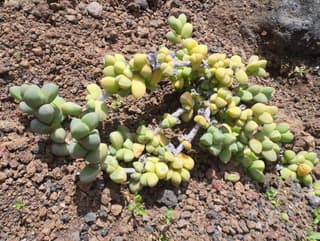
Ice Plant
Corpuscularia lehmannii
Corpuscularia lehmannii, popularly known as the Ice Plant or String of Buttons, is a compact, perennial succulent from the Aizoaceae family, native to the Western Cape region of South Africa. It forms small clusters of fleshy, cylindrical leaves that are slightly translucent at the tips, featuring a grayish-green to bluish hue that resembles grouped "fingers" or buttons. In late spring and early summer, it produces small yellow daisy-like flowers that open during the day under sunlight. It is a slow-to-moderate growing plant, highly drought-resistant and low-maintenance, making it ideal for rock gardens, shallow pots, and succulent arrangements.
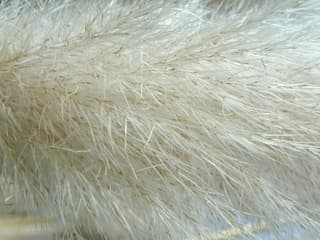
Pampas Grass
Cortaderia selloana
Pampas Grass (Cortaderia selloana) is a large, ornamental perennial grass native to the South American pampas. It forms impressive clumps of long, arching, razor-sharp leaves and produces spectacular feathery plumes in white, cream, or pink from summer through autumn, reaching up to 10 feet tall.
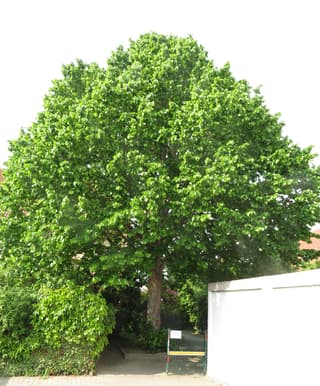
Common Hazel
Corylus avellana
Common Hazel (Corylus avellana) is a deciduous shrub or small tree native to Europe and Western Asia, from the British Isles to the Caucasus and Turkey. It typically reaches a height of 3–6 meters with a broad, multi-stemmed growth habit, forming dense thickets and hedgerows. The leaves are round to oval with doubly serrated margins and a characteristic rough texture; in autumn, they turn golden yellow. The female flowers are remarkably discreet – only the bright red stigmas are visible from the closed buds – while the male catkins hang in long, yellowish-green clusters and are a sure sign of early spring. The hazel is one of the earliest spring shrubs in the Northern European landscape. It flowers as early as January to April, before the leaves emerge, and is pollinated exclusively by wind. Its fruits are the well-known hazelnuts, which ripen in clusters with a cup-shaped involucre in September–October. The nuts are rich in fat (up to 60%), protein, and vitamin E, and have been an important food source for humans in Europe since the Stone Age. Hazel grows at forest edges, in hedgerows, scrublands, and along watercourses, and is a key species for biodiversity: its early pollen is crucial for bees, and it hosts the larvae of over 70 butterfly and moth species. The shrub is extremely hardy and adaptable; it thrives in almost all soil types, from sandy soil to clay, and from sea level to the mountains. It spreads naturally via suckers and can be effectively rejuvenated by coppicing – a traditional management method that both extends the shrub's lifespan and produces flexible, pliable wood suitable for weaving (hazel rods). In Denmark, hazel is a characteristic element of oak forests and scrublands throughout the country.

Turkish Hazel
Corylus colurna
Corylus colurna, the Turkish hazel, is a large deciduous tree native to southeastern Europe and Asia Minor. Recognized for its symmetrical pyramidal form and outstanding tolerance to urban conditions, heat, cold, and drought, it produces edible hazelnuts enclosed in distinctive hairy husks.
Easy Care Pet Safe
Our selection of 1420 easy pet safe combines the characteristics of this category with reduced care needs. Perfect for beginners who love this category.
Why Choose Easy Pet Safe?
Combining the beauty of pet safe with easy difficulty level lets you enjoy this category without excessive maintenance worries. Each plant was selected to offer the best characteristics of the category at the care level you are looking for.