Complete Plant Guide
Explore plants by difficulty, season and more. Find the perfect plant for you.
Difficulty
Categories
Plants by City
🗺️ Plants by City3454 plants found
Showing 2557-2592 of 3454
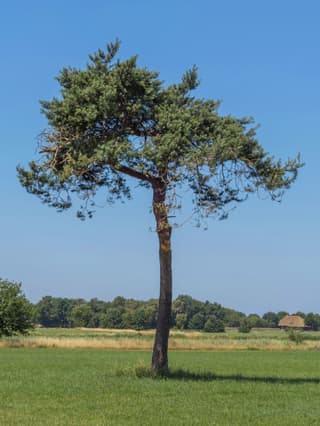
Scots Pine
Pinus sylvestris
Pinus sylvestris, known as the Scots Pine, is a majestic conifer native to Eurasia. It is easily recognizable by its bark, which becomes orange and flaky on the upper part of the trunk, and its blue-green needles arranged in pairs. It is one of the hardiest trees in the world, capable of thriving in Arctic climates and poor, sandy soils.
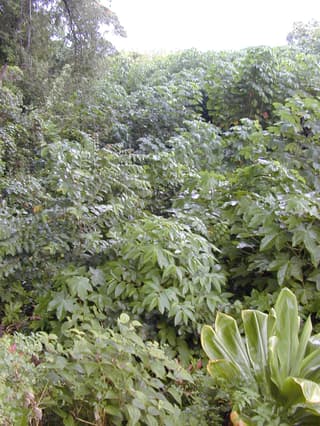
Matico
Piper aduncum
Piper aduncum, popularly known as matico or spiked pepper, is a perennial shrub or small tree native to Central and South America, common in Brazil, where it grows in secondary forests, forest edges, and riverbanks. It grows rapidly, reaching 2 to 8 meters in height, with aromatic, pungent-tasting leaves and elongated, white to pale-yellow floral spikes that can appear year-round. It is widely valued in traditional Amazonian medicine for its healing, antiseptic, and antimicrobial properties.
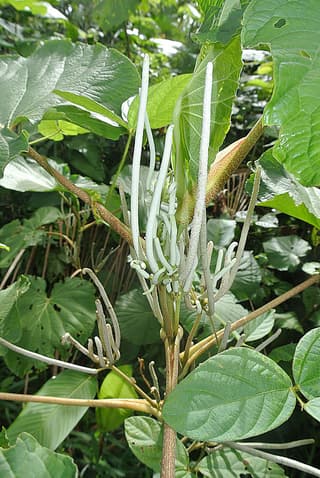
Cowfoot
Piper umbellatum
The Cowfoot (Piper umbellatum) is a perennial subshrub in the Piperaceae family, native to the tropical regions of the Americas, including nearly all of Brazil. It can reach 3 to 13 feet in height in its natural habitat, though it remains more compact when grown in pots. Its leaves are large, rounded to cordate (heart-shaped), with prominent palmate venation and long petioles that optimize light capture in shaded environments. The inflorescences appear as erect axillary spikes, yellowish-white in color, followed by brownish pyramidal fruits. It grows naturally at the edges of primary forests, secondary forests, riparian forests, and shaded riverside areas.
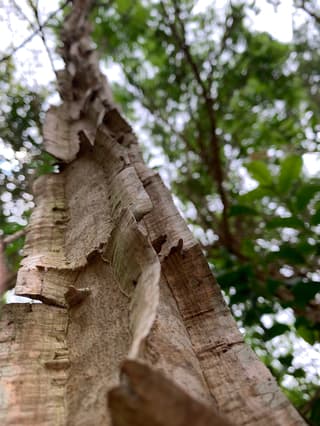
Alligator Tree
Piptadenia gonoacantha
The Alligator Tree is a native species of the Atlantic Forest, reaching 26 to 65 feet in height. It is easily recognized by its corky trunk featuring longitudinal and transverse ridges that resemble alligator skin—the origin of its common name. The leaves are bipinnate with dozens of pairs of leaflets, forming a wide and sparse canopy. Small white to cream-colored flowers gather in axillary spikes, attracting large numbers of bees during the flowering season. As a fast-growing pioneer species, it is essential for restoring degraded areas and reforestation due to its ability to fix nitrogen in the soil through bacteria associated with its roots.
Vassourão-branco
Piptocarpha angustifolia
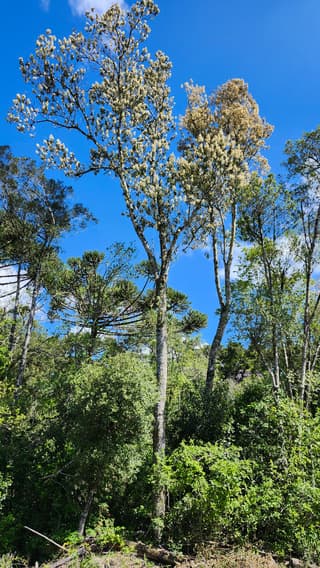
The Vassourão-branco (Piptocarpha angustifolia) is a tree native to Brazil, belonging to the Asteraceae family. It is found in the Atlantic Forest and Araucaria moist forests of the South and Southeast regions, ranging from Minas Gerais to Rio Grande do Sul. It is a pioneer, evergreen species that can reach up to 30 m in height and 60 cm in diameter at maturity, featuring a high, elongated canopy with characteristic grayish-green foliage visible from a distance. The trunk grows nearly straight, with smooth, whitish bark when young, becoming grayish, rough, and reticulated with age. Its leaves are narrow and lanceolate, and its cream-colored flowers, clustered in small heads, bloom from August to February depending on the region, serving as an important nectar source for native bees. It grows rapidly in clearings, secondary forests, and degraded areas, making it widely used in ecological restoration and soil recovery projects.
Dyeball
Pisolithus tinctorius
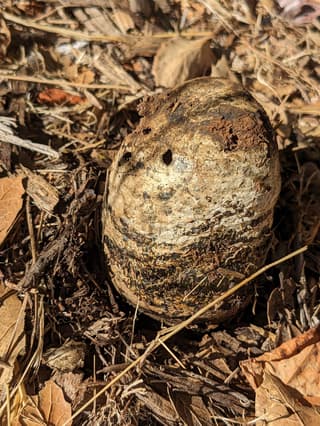
Pisolithus tinctorius is a fascinating ectomycorrhizal fungus, commonly known as the Dyeball or Dead Man's Foot. It is not a plant, but a fungus that forms a vital symbiotic relationship with the roots of trees such as pines and oaks. Its fruiting body has a globose, earthy appearance, similar to a stone or animal waste, which matures into a mass of dark brown spores. It is highly valued in forestry for its ability to help trees colonize poor, acidic, or mining-degraded soils.
Pull-and-hold
Pisonia aculeata
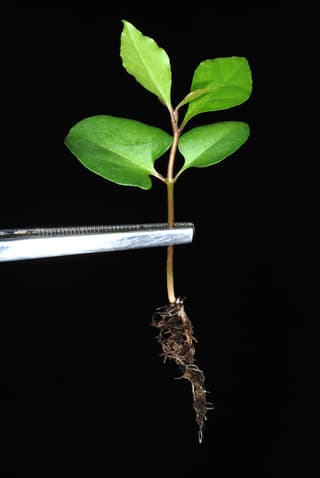
Pisonia aculeata, known as pull-and-hold or devil's claws, is a tropical thorny climber in the Nyctaginaceae family. Native to the tropical regions of the Americas and the Caribbean, this vigorous plant develops long branches armed with recurved thorns—like hooks—that cling to other plants and surfaces to climb. Its small, inconspicuous flowers appear in clusters during spring and summer, followed by sticky seeds that can trap small insects and birds. It is occasionally cultivated as an ornamental plant in tropical gardens and natural hedges.
Pistachio
Pistacia
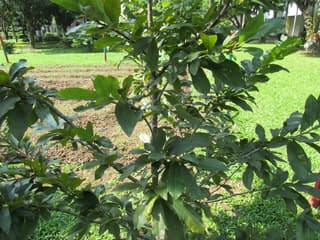
Pistacia is a genus of trees and shrubs in the family Anacardiaceae, native to Mediterranean regions, the Middle East, Central Asia, and parts of the Americas. The genus includes iconic species such as the edible pistachio (P. vera), the mastic tree (P. lentiscus), the terebinth (P. terebinthus), and the ornamental Chinese pistache (P. chinensis). Adapted to arid and semi-arid climates, Pistacia plants are celebrated for their exceptional drought tolerance, longevity, and versatile uses spanning food, medicine, and ornamentation.
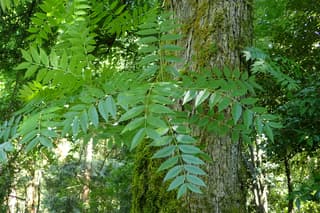
Chinese Pistache
Pistacia chinensis
Pistacia chinensis, commonly known as Chinese pistache, is a medium to large deciduous tree native to China and Taiwan. Renowned for its spectacular fiery fall foliage — turning vivid orange, red, and scarlet — it is one of the most reliable and showy ornamental trees for temperate climates. It grows 30–40 feet tall with a broad, rounded canopy, exfoliating bark that reveals salmon-colored inner layers, and small, inconspicuous spring flowers. Once established, it is exceptionally drought-tolerant, pollution-resistant, and largely pest-free, making it a low-maintenance landscape favorite.
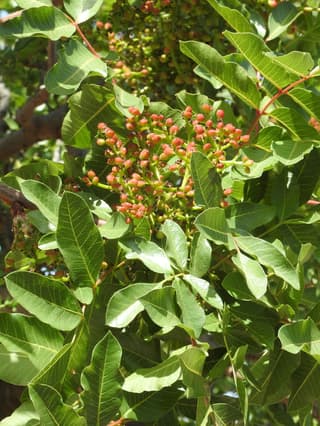
Terebinth
Pistacia terebinthus
The terebinth (Pistacia terebinthus) is a deciduous shrub or small tree in the Anacardiaceae family, native to the Mediterranean region. It thrives in rocky, calcareous soils and produces an aromatic resin historically harvested as "Chios turpentine". Reddish-purple flowers appear in spring, followed by small globose fruits that ripen from red to dark brown.
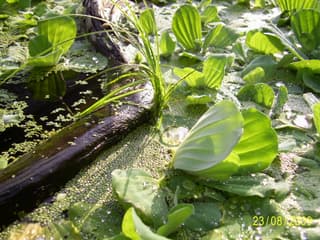
Water Lettuce
Pistia stratiotes
Water Lettuce (Pistia stratiotes) is a free-floating aquatic plant in the Araceae family, native to pantropical regions. Its velvety rosette leaves resemble a small head of lettuce, hence the common name. It is widely cultivated in ornamental ponds, aquariums, and water features where it plays a key role in natural water filtration by absorbing excess nutrients.
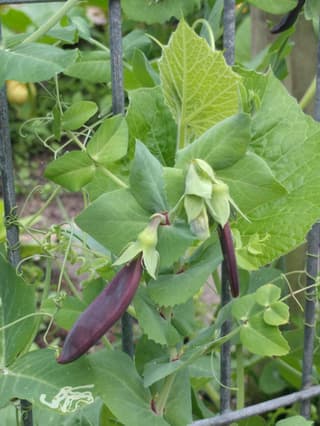
Garden pea
Pisum sativum
The garden pea (Pisum sativum) is an annual climbing herb from the legume family (Fabaceae), cultivated for thousands of years for its sweet, nutritious pods and seeds. It uses tendrils to attach itself to supports and can grow up to 2 meters in height under ideal conditions. Thanks to its ability to fix atmospheric nitrogen through Rhizobium root nodule bacteria, it enriches the soil and is a popular cover crop as well as a staple vegetable for gardeners.
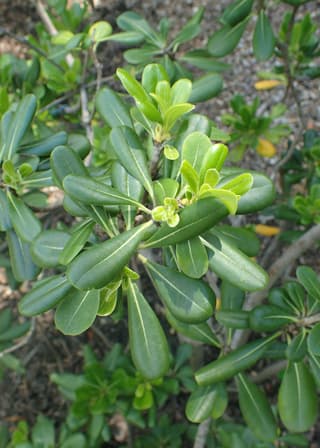
Pittosporum
Pittosporum
Pittosporum is a genus of evergreen shrubs and small trees prized for their glossy, whorled foliage and clusters of fragrant, orange-blossom-scented flowers that bloom in spring. Widely used for hedging, screening, and foundation plantings, it is tough, tolerant of coastal salt spray, and responds well to shaping, making it a staple of ornamental landscaping in mild climates.
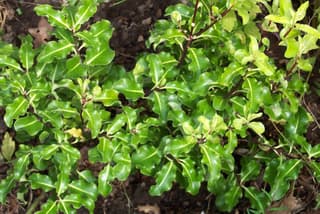
Kohuhu
Pittosporum tenuifolium
Kohuhu is a fast-growing evergreen shrub or small tree native to New Zealand, prized for its wavy-edged, glossy green leaves and near-black young stems. In late spring to early summer it bears small, honey-scented, deep purple flowers that release their fragrance most strongly in the evening. Naturally forming a dense, upright habit, it is widely planted as a windbreak, hedge, or specimen shrub in coastal and temperate gardens.
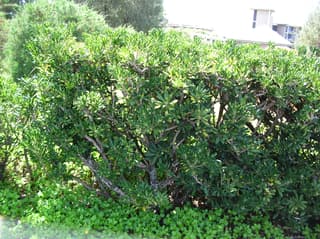
Japanese Pittosporum
Pittosporum tobira
Pittosporum tobira, commonly known as Japanese Pittosporum or Mock Orange, is an evergreen shrub native to Japan, China, and Korea. It features dense, glossy dark green foliage and produces clusters of fragrant creamy-white flowers in spring, with a scent reminiscent of orange blossoms. Highly valued for its adaptability, it thrives in coastal gardens, as hedges, privacy screens, and ornamental specimens.
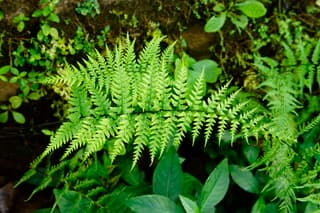
Silverback Fern
Pityrogramma calomelanos
Pityrogramma calomelanos, commonly known as the Silverback Fern, is a tropical perennial fern native to the Americas. Its most distinctive feature is the white or yellowish waxy powder coating the underside of its fronds, giving them a striking silver appearance. It thrives in warm, humid environments and adapts well to both indoor and outdoor cultivation.
Black Felt Lichen
Placynthium nigrum
Placynthium nigrum is a crustose lichen that develops on calcareous substrates. It is characterized by a granular black or dark brown thallus, often forming rosettes or extensive patches on rocky outcrops.
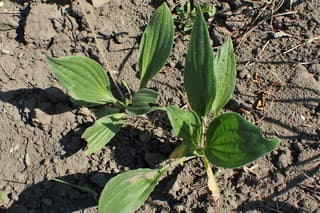
Asian Plantain
Plantago asiatica
Asian Plantain (Plantago asiatica) is a perennial herb of the Plantaginaceae family, native to East Asia — China, Japan, and Korea. It forms a basal rosette of broadly ovate to elliptic leaves measuring 4–12 cm, deep green with prominent veins. It produces erect flower spikes of 20–45 cm bearing numerous small white flowers. Exceptionally resilient, it colonizes disturbed habitats such as roadsides and vacant lots. Revered in Traditional Chinese Medicine for millennia as Cheqiancao (车前草), it possesses well-documented diuretic, anti-inflammatory, and expectorant properties.
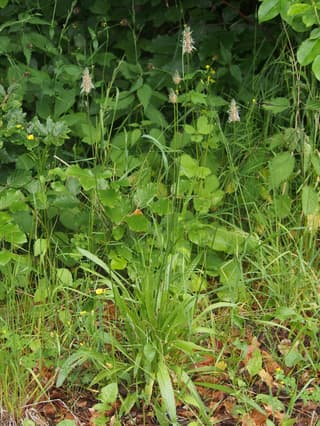
Ribwort Plantain
Plantago lanceolata
Ribwort plantain is a low-growing perennial herb native to Europe and western Asia, now naturalized worldwide. It forms a basal rosette of lance-shaped, ribbed leaves and sends up slender, leafless flower stalks topped with small brownish flower spikes from spring through summer. Extremely hardy and adaptable, it thrives in meadows, lawns, and disturbed ground, and has a long history of use as a medicinal herb.
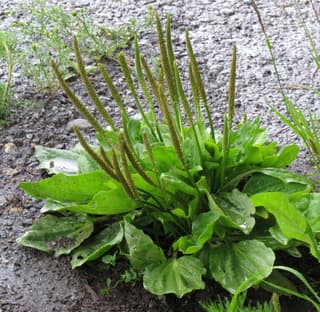
Broadleaf Plantain
Plantago major
Broadleaf Plantain (Plantago major) is a robust, perennial wild plant from the Plantain family (Plantaginaceae). It forms a flat rosette of broad, oval leaves with characteristic parallel veins and grows in meadows, pastures, roadsides, and compacted soil worldwide. From May to September, narrow, upright flower spikes appear with small, inconspicuous yellowish-green flowers. As one of the best-known medicinal herbs in folk medicine, it has been used for centuries for skin wounds, insect bites, coughs, and respiratory complaints. The young leaves are edible and rich in silicic acid, mucilage, tannins, and flavonoids.
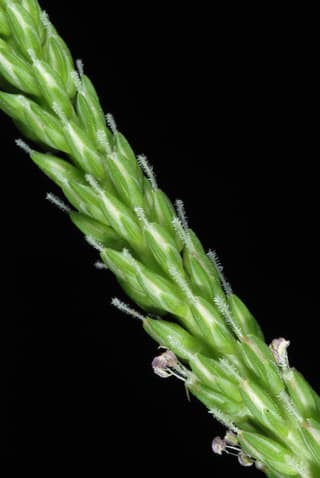
Blackseed Plantain
Plantago rugelii
Blackseed plantain (Plantago rugelii) is a hardy native perennial herb of eastern and central North America. It forms a compact basal rosette of broad, oval leaves with distinctive reddish-purple petiole bases. Often found in lawns, roadsides, and disturbed habitats, it is both a common "weed" and a valued medicinal and edible plant with a long history of traditional use.
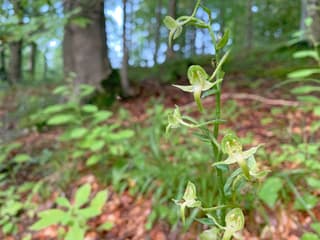
Greater Butterfly-orchid
Platanthera chlorantha
The Greater Butterfly-orchid (Platanthera chlorantha) is a tuberous orchid native to European forests, calcareous meadows, and marshy areas. Growing 30-60 cm tall, it features two shiny, elliptical basal leaves and smaller, oblong stem leaves. Its greenish-white, vanilla-scented flowers are arranged in a sparse inflorescence and feature a long spur adapted for pollination by nocturnal moths, such as noctuids and hawkmoths. Unlike the closely related Platanthera bifolia, its pollinaria attach between the pollinator's eyes rather than to the proboscis. The plant is specialized for calcareous and neutral soils and depends on mycorrhizal fungi for both germination and growth.
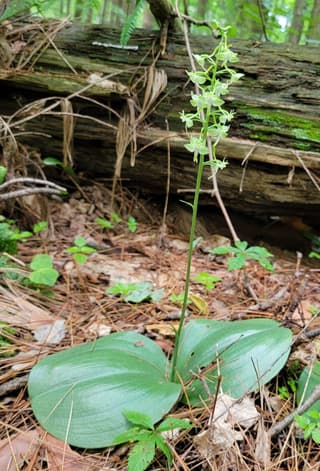
Large Round-leaved Orchid
Platanthera orbiculata
A native North American terrestrial orchid found in moist coniferous and deciduous forests from Canada down to the eastern and northern United States. Easily recognized by its pair of large, glossy, rounded basal leaves lying flat on the forest floor and a tall spike of up to 30 greenish-white flowers with long spurs, pollinated mainly by noctuid moths.
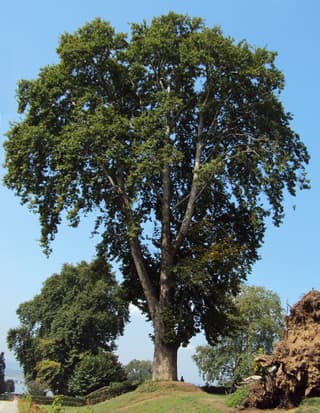
Plane Tree
Platanus
Platanus is a genus of approximately 10 species of large, deciduous trees comprising the sole living genus of the family Platanaceae. Native to the Northern Hemisphere — spanning North America, Mexico, southeastern Europe, and Asia — plane trees are instantly recognizable by their distinctive exfoliating bark that peels away in irregular patches to reveal a mosaic of cream, green, and grey tones. The broadly palmate leaves and spherical seed balls that hang on the branches through winter are equally distinctive. The London plane (Platanus × hispanica), a hybrid between the Oriental and American planes, has become one of the most widely planted ornamental trees in the world, renowned for its exceptional tolerance of urban pollution, soil compaction, and drought.
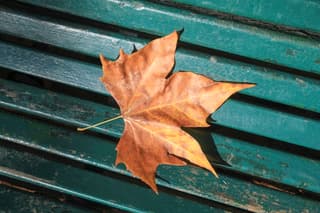
London plane
Platanus × hispanica
The London plane (Platanus × hispanica) is a large deciduous hybrid tree, a cross between the Oriental plane (P. orientalis) and the American sycamore (P. occidentalis). It is instantly recognizable by its distinctive bark that peels away in patches to reveal cream, olive, and grey mottled patterns beneath, and by its large maple-like leaves. One of the most widely planted urban trees in the world, it is prized for its exceptional tolerance of air pollution, compacted soils, and drought once established.
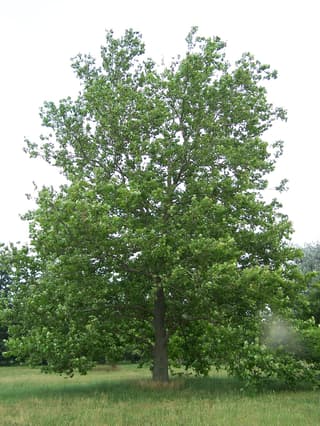
American Sycamore
Platanus occidentalis
The American sycamore is one of the largest native hardwood trees in eastern North America, commonly reaching 75-100 ft (23-30 m) tall with a broad, spreading crown. It is best known for its distinctive exfoliating bark, which sheds in irregular gray-brown plates to reveal smooth, creamy-white inner bark. Native to riverbanks, floodplains and bottomlands, it tolerates wet soils as well as periods of drought once established. Small monoecious flowers appear in early spring (green male clusters, burgundy-red female clusters), followed by distinctive ball-shaped seed heads that persist through winter.
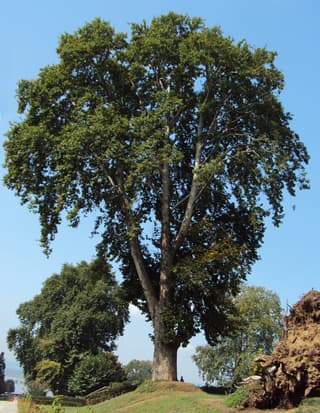
Oriental Plane
Platanus orientalis
The Oriental plane (Platanus orientalis) is a large deciduous tree native to southeastern Europe and southwestern Asia, prized for its flaking, cream-and-gray bark and deeply lobed, maple-like leaves. Long-lived and fast-growing, it can exceed 30 m in height and is historically linked to Hippocrates, who reportedly taught medicine beneath a specimen on the island of Kos.
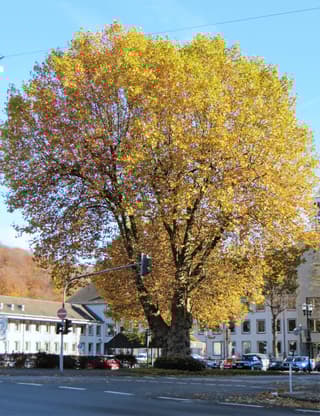
London Plane Tree
Platanus x hispanica
The London Plane Tree (Platanus x hispanica) is a magnificent hybrid deciduous tree believed to be a cross between the Oriental Plane (Platanus orientalis) and the American Sycamore (Platanus occidentalis). Originating in Europe, it has become one of the most widely planted urban trees in the world, celebrated for its extraordinary tolerance of pollution, compacted soils, and drought. Its striking exfoliating bark—revealing creamy, olive, and tan patches—makes it a year-round ornamental standout. It can grow up to 30 meters tall with a wide canopy reaching 24 meters across, providing abundant shade in parks, avenues, and urban squares.
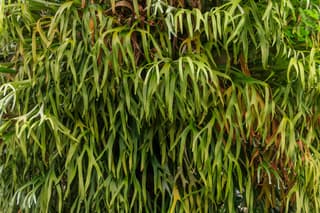
Staghorn Fern
Platycerium bifurcatum
Platycerium bifurcatum is a striking epiphytic fern native to the rainforests of Australia, Java, and New Guinea. Known for its unique antler-shaped fronds, this plant naturally grows on trees and rocks, absorbing nutrients and moisture from the air. It produces two types of fronds: sterile shield fronds that anchor the plant and fertile fronds that resemble deer antlers. With proper care, staghorn ferns can live for over 50 years and become impressive living sculptures.
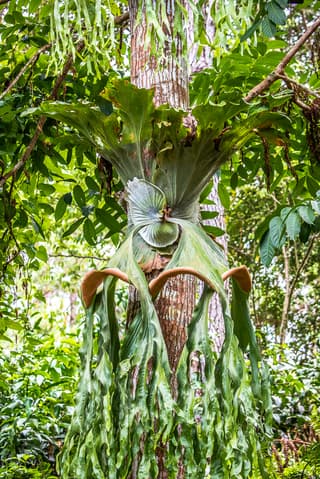
Philippine Staghorn Fern
Platycerium grande
Platycerium grande is a magnificent epiphytic fern native to the Philippines, renowned for its enormous bifurcated fronds resembling elk antlers. One of the largest species in the Platycerium genus, it can reach up to 4 feet in height. In nature, it grows on tree trunks and rocks, absorbing nutrients and moisture through its basal shield fronds.
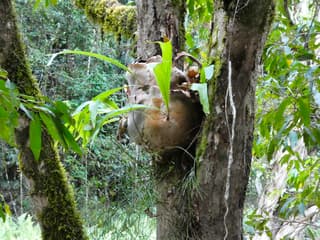
Hill's Elkhorn Fern
Platycerium hillii
Platycerium hillii, commonly known as Hill's Elkhorn Fern or Green Staghorn Fern, is an Australian epiphytic fern from the family Polypodiaceae. Native to tropical and subtropical Queensland, it grows on trees and rocks, developing two types of fronds: flat shield fronds that anchor the plant and collect nutrients, and upright antler-shaped fertile fronds that give it its distinctive staghorn appearance. It is one of the most compact Platycerium species, making it well-suited for indoor cultivation.
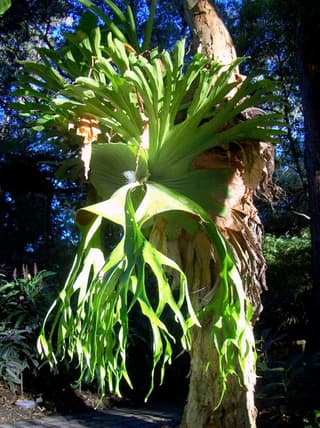
Giant Staghorn Fern
Platycerium superbum
Platycerium superbum, the Giant Staghorn Fern, is a majestic epiphytic fern native to subtropical and tropical eastern Australia. It grows anchored to tree trunks and rocks, producing spectacular antler-shaped fertile fronds up to 2 meters long and circular shield fronds reaching 1 meter across. It is one of the largest and most impressive ferns in the world.
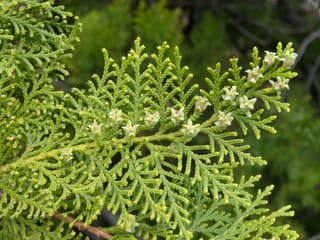
Oriental Arborvitae
Platycladus orientalis
Platycladus orientalis, commonly known as Oriental Arborvitae or Chinese Arborvitae, is an evergreen conifer in the Cupressaceae family, native to China and Korea. It grows slowly with a columnar to conical form, reaching up to 10 meters tall. Its scale-like leaves form flattened, vertical sprays of yellow-green foliage that bronze in winter. Widely used as hedges, privacy screens, and ornamental specimens. WARNING: contains thujone in leaves and seeds — toxic to pets and humans if ingested.
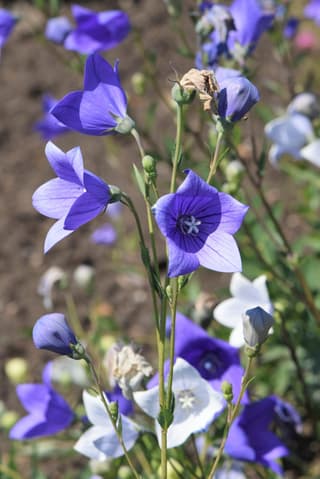
Balloon flower
Platycodon grandiflorus
The balloon flower (Platycodon grandiflorus) is a perennial herb in the bellflower family (Campanulaceae), native to East Asia—China, Korea, Japan, and Siberia. It is famous for its swollen flower buds that resemble balloons, which puff up before opening into bell-shaped, five-pointed flowers in shades of blue, purple, pink, or white. The plant grows to a height of 30–60 cm, blooms from July to October, and is popular in flower beds, rock gardens, and containers.
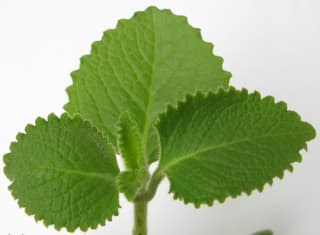
Cuban Oregano
Plectranthus amboinicus
Plectranthus amboinicus, commonly known as Cuban oregano or Indian borage, is an aromatic semi-succulent herb in the Lamiaceae family. Native to tropical Africa and widely naturalized across the tropics, it features thick, fleshy, velvety leaves with a bold oregano-mint fragrance. Widely grown as a culinary herb and medicinal plant.
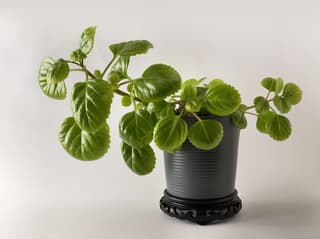
Swedish Ivy
Plectranthus australis
Swedish Ivy (Plectranthus australis) is a fast-growing, trailing houseplant native to South Africa and Australia. Beloved for its lush, round, glossy leaves and cascading stems, it is an ideal plant for hanging baskets, window sills, and outdoor ground cover in frost-free climates. Its ability to thrive with minimal care makes it a popular choice for both beginners and experienced gardeners.
Find the Perfect Plant
Our plant guide helps you find ideal species for your experience level and time of year.
Browse by Difficulty, Season & More
Use the filters below to narrow this catalog by care difficulty, season, environment, or search directly by name. Each filter leads to a focused list tailored to your specific growing conditions.