How to care for aloe vera plant: light, water, and the test to verify your plant
Soft, reddish, or rotting aloe vera is usually caused by issues with light, watering, or drainage. This guide helps you solve all three using agricultural research data.

To learn how to care for aloe vera plant properly, focus on three key things in this order: bright but filtered light, watering only when the soil in the pot is completely dry to the bottom, and a pot with a drainage hole that lets water escape in seconds. If your plant is soft and darkening at the base, the problem is trapped water, not a lack of fertilizer. If it is reddish and shriveled, it is getting too much direct sun.
Quick summary:
Aloe vera grown with 30% of full sunlight produced 27% more leaves, and leaves that were 21% longer, than the same plant grown in full sun (Páez et al., 2000).
In full sun, the plant becomes larger overall, with double the dry mass and more offsets at the base. These are two different growth results for two different goals.
The plant can survive down to -3 °C (27 °F) as an absolute minimum, and tolerate up to 2 consecutive months of temperatures at 4 °C (39 °F) or lower (Frontiers in Plant Science, 2016).
Not every plant that looks like aloe vera actually is one. Agave has sap that can irritate the skin.
What is aloe vera?
Aloe vera is a succulent with thick, fleshy leaves and no visible stem, growing in a rosette from the ground and producing offsets around its base. The accepted scientific name is Aloe vera (L.) Burm.f. You may often see it referred to as Aloe barbadensis Miller, which is simply a synonym for the same plant (Plants of the World Online, Kew).
When grown under optimal commercial conditions, each mature leaf can measure 60 to 80 cm (24 to 32 inches) long and 8 to 10 cm (3 to 4 inches) wide at the base. In an indoor pot, it will remain much smaller.
Light: why "full sun all day" is only half true
Aloe vera responds to light in two distinct ways, and your goals for the plant should dictate which environment you choose.
One study cultivated aloe vera for 12 to 18 months under three different light levels: full sun, 30% of full sun, and 10% of full sun. After a year, the plants grown under 30% of full sun had 27% more leaves, and leaves that were 21% longer, compared to those in full sun. However, the plants in full sun produced wider leaves, more offsets, and double the total dry mass. Deep shade at 10% was the worst environment overall (Páez et al., 2000, Environmental and Experimental Botany 44: 133–139).
For an indoor plant, this means: if you want plump, long leaves to harvest for gel, place the plant in morning sun or bright light filtered by a sheer curtain. If you want a large, robust plant that produces plenty of offsets, direct sun all day is the way to go. What will not work in either case is a dark corner.

A leaf that turns reddish or bronze is not diseased. This is the plant's natural protective response to intense light, and it reverses once the light levels are lowered. While turning red does not kill aloe vera, the plant will temporarily stop growing while stressed.
Watering: the mistake that kills most indoor aloe vera plants
Water only when the soil in the pot is completely dry to the very bottom, and never leave water sitting in the saucer. Insert a finger or a wooden skewer deep into the pot: if it comes out with damp soil clinging to it, the potting mix is still moist, so do not water.
Excess water fills the air pockets in the soil, depriving the roots of oxygen. Oxygen-deprived roots quickly fall prey to soil-borne fungi from the Fusarium and Verticillium genera, which rot the plant from the bottom up (Frontiers in Plant Science, 2016). This is why rot starts at the base and moves upward.
The symptoms of overwatering and underwatering can look similar at a glance, but they feel very different:
Symptom | Overwatering | Underwatering |
|---|---|---|
Leaf texture | Mushy, soggy, almost translucent | Firm but thin and shriveled |
Base of the plant | Brown or black, foul-smelling | Normal, dry |
Leaf posture | Drooping outward | Curving inward |
Color | Pale yellow spreading from the base | Dull grey-green |
Yellowing leaves can have multiple causes, but the pattern of discoloration helps isolate the issue. For a deeper look, check out our guide on yellow leaves.
Soil and pot: drainage above all else
Aloe vera grows naturally in nutrient-poor, sandy soils, so it does not require rich potting mix: it requires mix that dries quickly. Good physical drainage throughout the soil profile is crucial to prevent waterlogging and root suffocation (Frontiers in Plant Science, 2016).
An effective DIY recipe is 2 parts of standard potting soil to 1 part of coarse construction sand or perlite. Pour some water onto the dry mix before potting your plant: if the water drains through the bottom holes within seconds, the texture is correct. If it pools on the surface, add more sand or perlite.
The pot must have drainage holes. Unglazed terracotta pots are ideal because their porous walls allow moisture to evaporate, but a plastic pot with drainage holes works just as well in a fast-draining mix. Apply fertilizer sparingly, as the plant has very low nutrient needs. These guidelines apply to most succulents in your collection, and you can find a comprehensive overview in our succulent care guide.
Cold tolerance: how low can it go?
In commercial cultivation, the absolute minimum temperature limit is -3 °C (27 °F), and the plant can tolerate up to 2 consecutive months of temperatures at 4 °C (39 °F) or below without dying (Frontiers in Plant Science, 2016).
The main hazard during cold weather is combining low temperatures with wet soil. During winter, reduce your watering frequency significantly and protect the pot from frost and cold drafts. A dry, cold aloe vera will survive, while a wet, cold aloe vera will quickly rot.
Is your aloe vera actually aloe vera?
Three common plants are frequently confused with one another, and one of them can cause painful skin irritation. It is best to verify your plant before cutting any leaves.
Aloe vera (Aloe vera). A low-growing rosette that sits close to the ground with no visible woody stem. The leaves are thick, grey-green, and often show white spots when young. The teeth along the edges are soft and pale. The inside of the leaf contains a clear, thick gel.
Krantz aloe (Aloe arborescens). This is another aloe species that also contains gel, but it has a very different growth habit: it is a multi-branched shrub that can reach 2 to 3 m (6 to 10 feet) tall, with woody stems and leaves arranged in spirals along the branches (SANBI, South Africa). If your plant has a tall, woody trunk with branches, it is not true aloe vera.
Agave. This is the mix-up that can cause injury. Agave forms a very rigid rosette with a hard, sharp spine at the tip of each leaf, and the interior is highly fibrous rather than gelatinous. Agave sap contains raphides, which are needle-shaped crystals of calcium oxalate. A single drop of sap can contain 100 to 150 of these microscopic crystals, which are 30 to 500 micrometres (0.001 to 0.02 inches) long and sharp on both ends. They cause irritant contact dermatitis, which has been documented in 5 out of 6 distillery workers (Salinas et al., 2001, Contact Dermatitis). Never apply the sap of an unidentified succulent to your skin.
To test your plant, snap off a leaf tip. Aloe vera leaves break easily and yield thick gel. Agave leaves are tough, fibrous, and difficult to break.
If you are still unsure, a photo can identify your plant faster than any written description. Bloom identifies plant species from photos using Plant.id, which features a 93% accuracy rate verified by independent university tests. For other houseplants in your collection, our indoor plant identification guide covers the most common species.
How to propagate aloe vera offsets
Aloe vera propagates naturally by producing small offsets, or pups, around the base of the parent plant. Wait until the pup has at least three leaves of its own and its own small root system before separating it. Cut it close to the main stem, let the cut heal and callus over at room temperature for 2 to 3 days, then plant it in a fast-draining potting mix. Do not water it for the first week.
In commercial fields, plants grown from offsets require about 18 months before the first leaf harvest (Frontiers in Plant Science, 2016). In a home pot, expect a similar timeline for a small pup to grow into a mature plant.
Frequently asked questions
How do you care for an indoor aloe vera plant?
Use a pot with drainage holes, a fast-draining potting mix, and place the plant in bright filtered light or morning sun. Water only when the soil is dry to the very bottom, and do not let water sit in the saucer. Fertilize very sparingly.
How do you save a dying aloe vera plant?
Reduce your watering immediately. The most common cause of death is root rot from soggy soil, which suffocates the roots and invites fungus. If the base of the plant is already soft and brown, remove it from the pot, cut away the rotted sections, let the healthy parts callus, and replant in dry, well-draining soil.
Does aloe vera prefer sun or shade?
It needs bright light, but extremes should be avoided. Growing the plant in 30% of full sun produces more leaves that are longer, while full sun yields a heavier, wider plant overall. Deep shade, such as 10% of full sun, results in poor, weak growth.
What is the best fertilizer for aloe vera?
Very little, and very rarely. Aloe vera is adapted to nutrient-poor soils and does not tolerate over-fertilization well. A balanced, slow-release fertilizer applied once at the start of the spring growing season is more than enough. Saturated, poorly draining soil is far more damaging than low nutrient levels.
Where is the best place to put an aloe vera plant?
An east-facing window that provides direct morning sun and bright, indirect light for the rest of the day is ideal. A sheltered patio or balcony also works. Avoid dark corners and intense midday sun behind closed glass, which can scorch the leaves.
Summary
Aloe vera is easily killed by overwatering and deep shade, but rarely by a lack of fertilizer. Before harvesting gel from any succulent, always confirm the species to ensure you are not handling an agave.
If you are unsure what kind of plant is in your pot, take a photo to verify the species before cutting. Bloom identifies plants by photo, sets up personalized care reminders, and is available for iPhone and iPad.
References
Páez, A., Gebre, G.M., Gonzalez, M.E., Tschaplinski, T.J. (2000). Growth, soluble carbohydrates, and aloin concentration of Aloe vera plants exposed to three irradiance levels. Environmental and Experimental Botany 44(2): 133–139. PubMed 10996366
Propagation Techniques and Agronomic Requirements for the Cultivation of Barbados Aloe (Aloe vera (L.) Burm. f.): A Review. Frontiers in Plant Science, 2016. DOI 10.3389/fpls.2016.01410
Aloe vera (L.) Burm.f. Plants of the World Online, Royal Botanic Gardens, Kew
Aloe arborescens Mill. South African National Biodiversity Institute (SANBI)
Salinas, M.L., Ogura, T., Soffchi, L. (2001). Irritant contact dermatitis caused by needle-like calcium oxalate crystals, raphides, in Agave tequilana among workers in tequila distilleries and agave plantations. Contact Dermatitis 44(2): 94–96. PubMed 11205412
Related articles
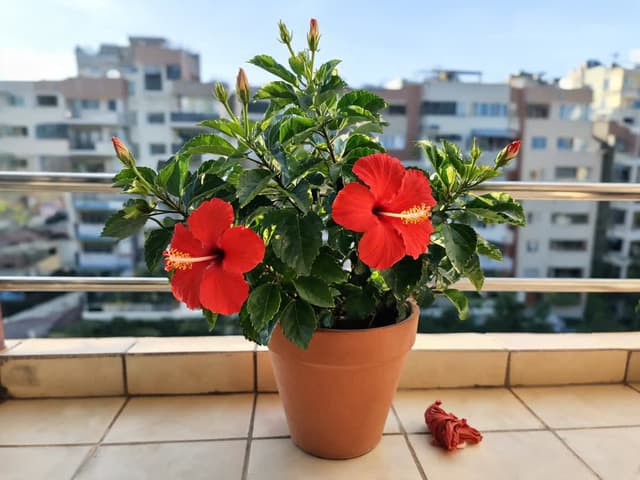
How to Care for Hibiscus: Sun, Watering, Fertilizer, and Pruning for Flowers
How to care for hibiscus: 6 hours of direct sun, evenly moist soil without waterlogging, half-strength fertilizer in spring and summer, and pruning in early spring. Find out why the flower lasts one day and why buds drop before opening.
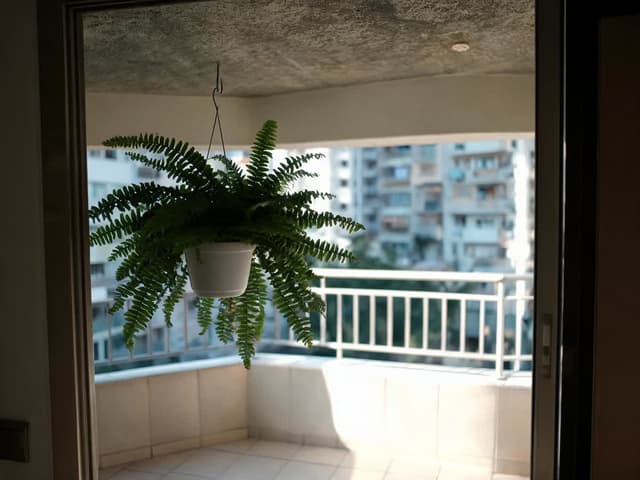
Do Ferns Like Sun or Shade? It Depends on the Type
Ferns prefer bright shade: plenty of light, but no direct sun on their fronds. Tuberous sword fern is the exception that handles sun. Here is the ideal light for each type, where to place pots, and how fronds show too much or too little light.
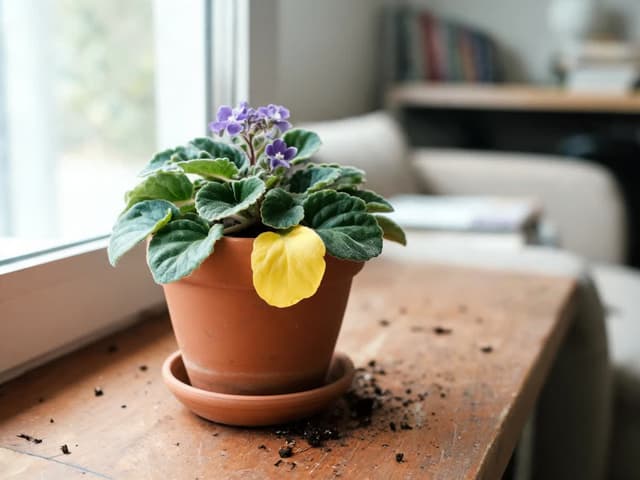
African Violet Yellow Leaves: Causes and What to Do
Yellow leaves on an African violet usually stem from overwatering, and the first place to check is the center of the plant. Losing one lower leaf at a time is normal. Identify whether age, watering, cold water, sunlight, cold drafts, or fertilizer is the culprit based on the yellowing pattern, and see what to do today.