500 Best Pet Safe for América Dourada | 2026 Guide - Page 8
The 500 best pet safe to grow in América Dourada. Ideal climate: 24.4°C, 60.2% humidity.
500 Pet Safe for América Dourada
Showing 253-288 of 500
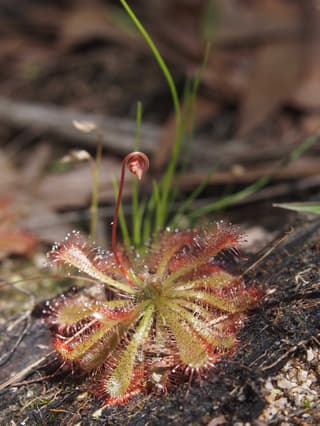
Spoon-leaved sundew
Drosera spatulata
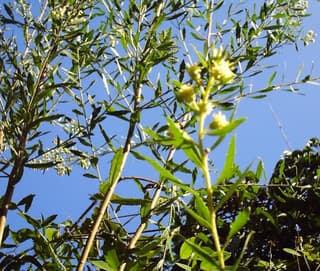
Field Rosemary
Baccharis dracunculifolia
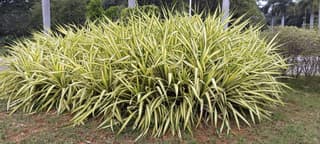
Screw Pine
Pandanus
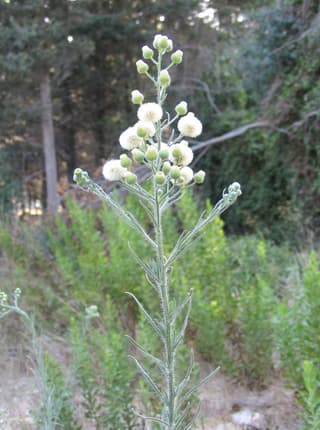
Argentine fleabane
Conyza bonariensis
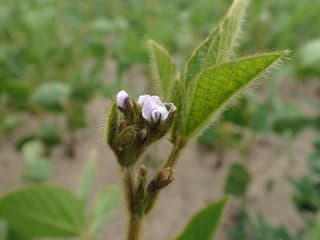
Soybean
Glycine max
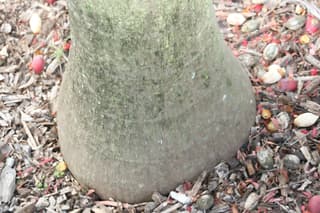
Montgomery Palm
Veitchia arecina
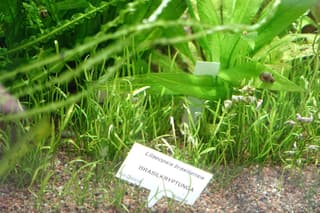
Micro Sword
Lilaeopsis brasiliensis
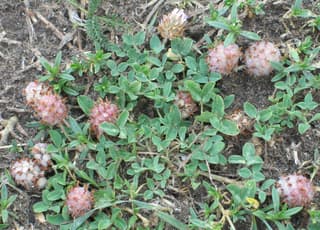
Strawberry Clover
Trifolium fragiferum
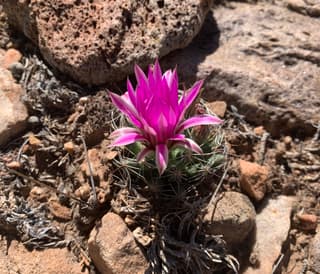
Wright's Fishhook Cactus
Cochemiea wrightii
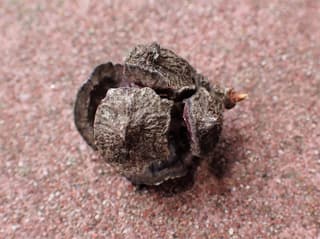
Mexican Cypress
Cupressus lusitanica
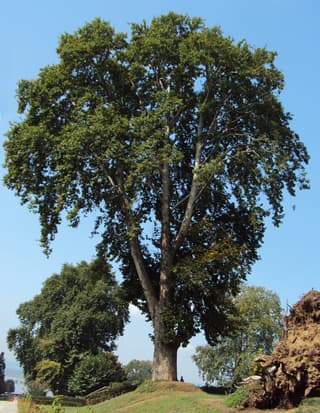
Oriental Plane
Platanus orientalis
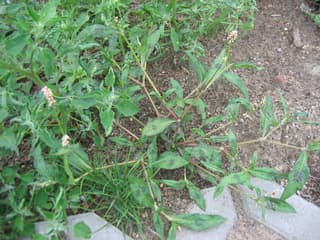
Lady's Thumb
Persicaria maculosa
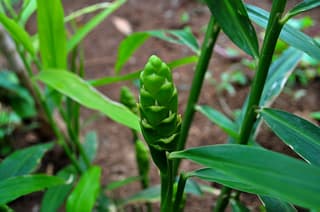
Ginger
Zingiber officinale
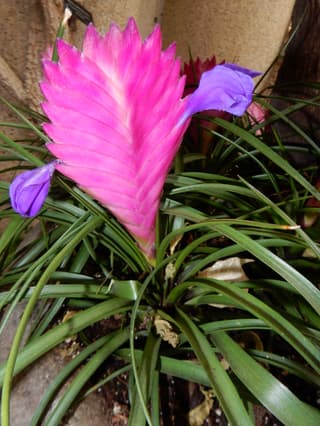
Pink quill
Wallisia cyanea
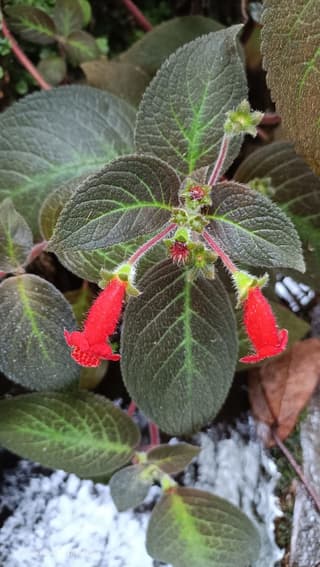
Tree Gloxinia
Kohleria amabilis
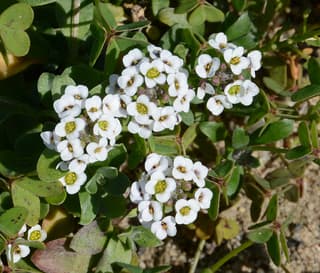
Sweet Alyssum
Lobularia maritima
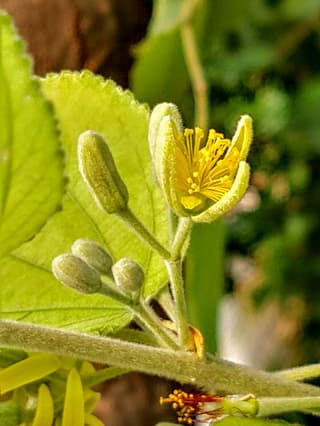
Phalsa
Grewia asiatica
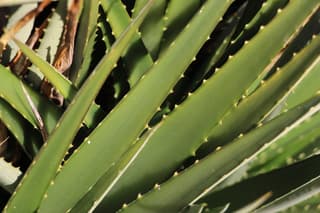
Sawblade Dyckia
Dyckia brevifolia
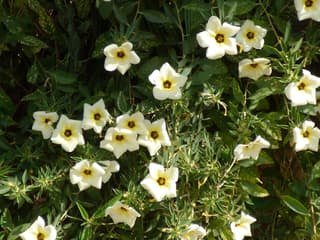
White Buttercup
Turnera subulata
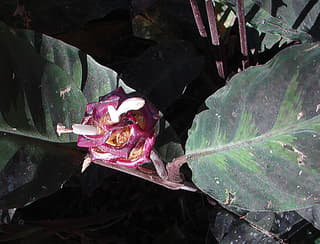
Jungle Velvet Calathea
Goeppertia warszewiczii
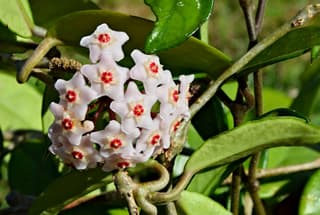
Wax Plant
Hoya carnosa
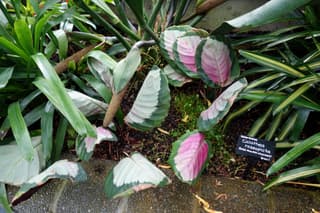
Rose Painted Calathea
Calathea roseopicta
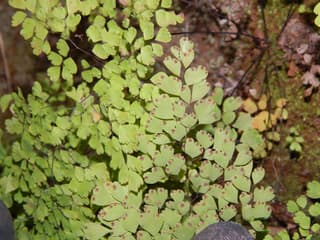
Delta Maidenhair Fern
Adiantum raddianum
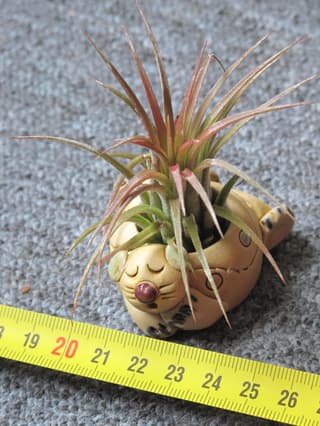
Sky Plant
Tillandsia ionantha
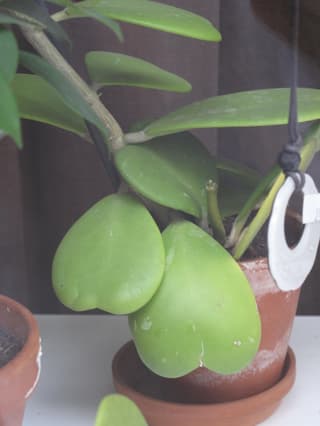
Sweetheart Hoya
Hoya kerrii
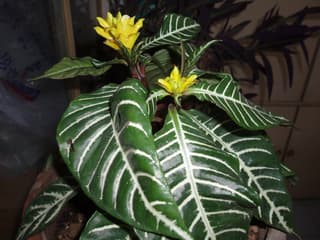
Zebra Plant
Aphelandra squarrosa
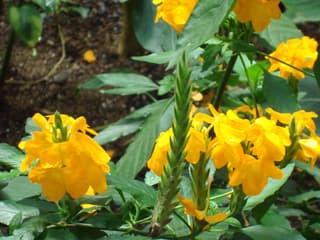
Firecracker Flower
Crossandra infundibuliformis
Glossy Abelia
Abelia x grandiflora
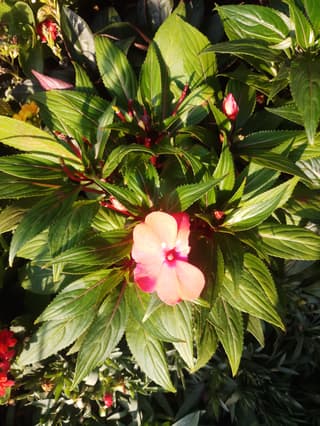
Busy Lizzie
Impatiens walleriana
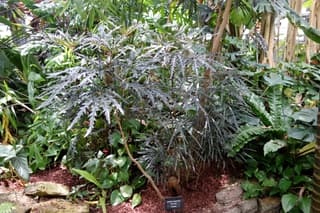
False Aralia
Plerandra elegantissima
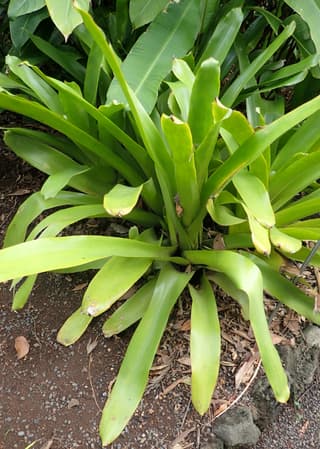
Orange Bromeliad
Aechmea blanchetiana
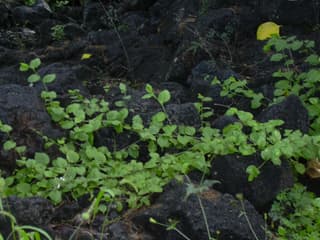
Chinese Violet
Asystasia gangetica
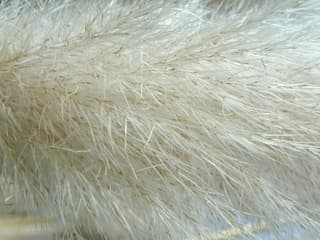
Pampas Grass
Cortaderia selloana
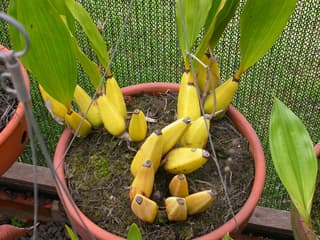
Harrison's Bifrenaria
Bifrenaria harrisoniae
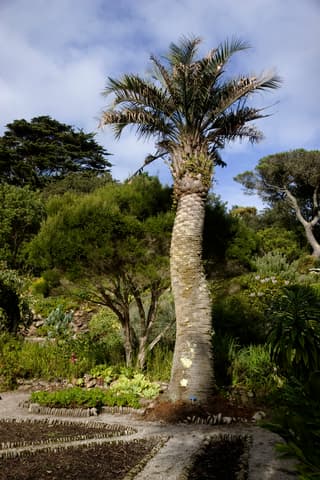
Pindo Palm
Butia capitata
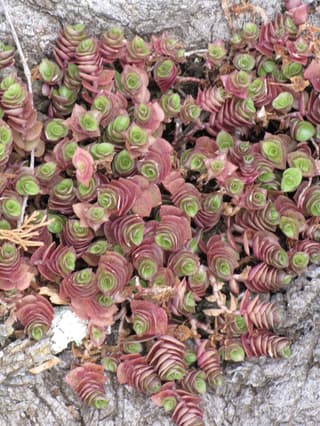
Turtle Vine
Callisia repens
Ideal Pet Safe for América Dourada's Climate
América Dourada has an average temperature of 24.4°C and humidity of 60.2%, conditions that directly influence which pet safe best adapt to the local environment.
How to Grow Pet Safe in América Dourada
To successfully grow pet safe in América Dourada, consider that the average temperature of 24.4°C and humidity of 60.2% create a specific microclimate. Moderate humidity is favorable for most species in this category.
Advantages of Choosing Adapted Pet Safe
Pet Safe adapted to América Dourada's climate show greater resistance, healthy growth, and less need for interventions.