500 Best Pet Safe for Buckeye | 2026 Guide - Page 10
The 500 best pet safe to grow in Buckeye. Ideal climate: 23.5°C, 30.9% humidity.
500 Pet Safe for Buckeye
Showing 325-360 of 500
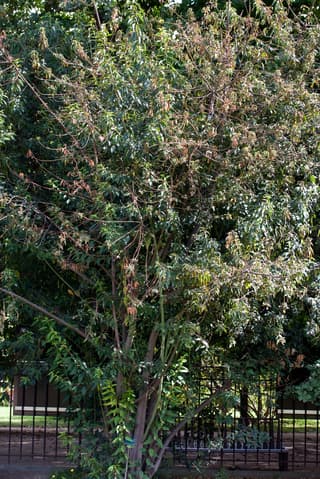
Maqui berry
Aristotelia chilensis
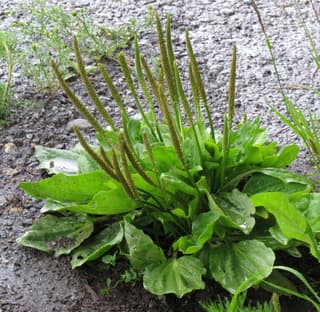
Broadleaf Plantain
Plantago major
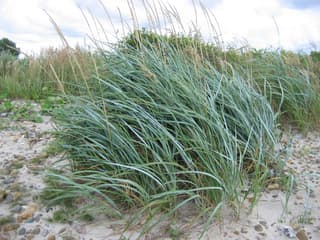
Sea Lyme Grass
Leymus arenarius
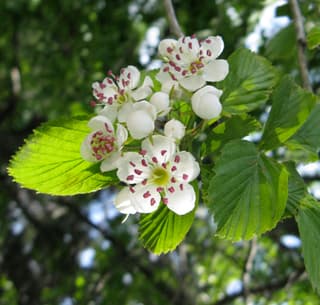
Dotted Hawthorn
Crataegus punctata
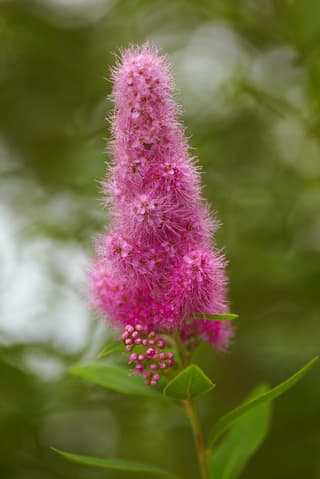
Billard Spiraea
Spiraea billardii
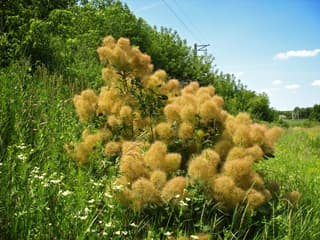
Smoke tree
Cotinus coggygria
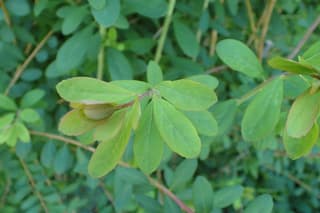
Japanese Spiraea
Spiraea japonica
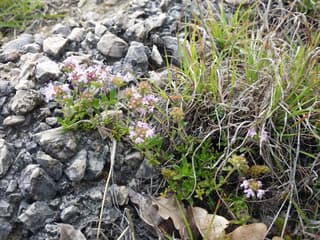
Mediterranean Thyme
Thymus longicaulis
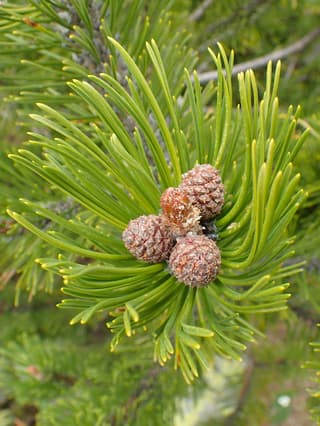
Mountain Pine
Pinus mugo
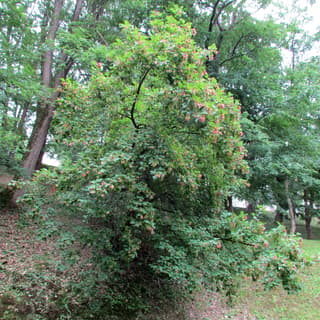
Tatarian Maple
Acer tataricum

Japanese Barberry
Berberis thunbergii
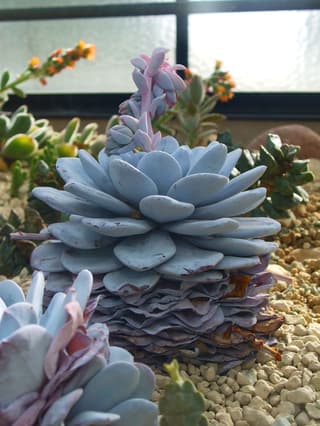
Lau's Echeveria
Echeveria laui
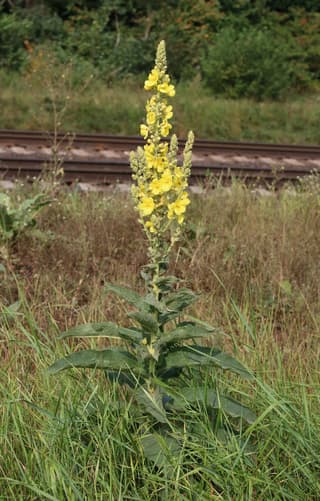
Orange Mullein
Verbascum phlomoides
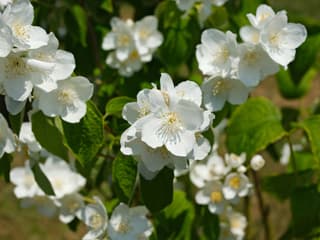
Scentless Mock Orange
Philadelphus inodorus
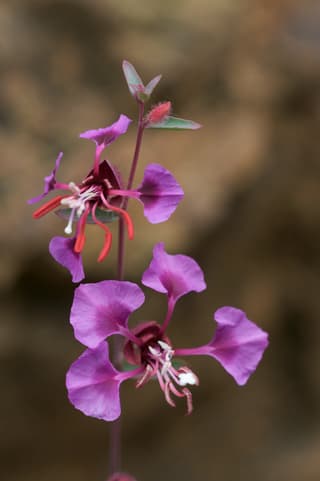
elegant clarkia
Clarkia unguiculata
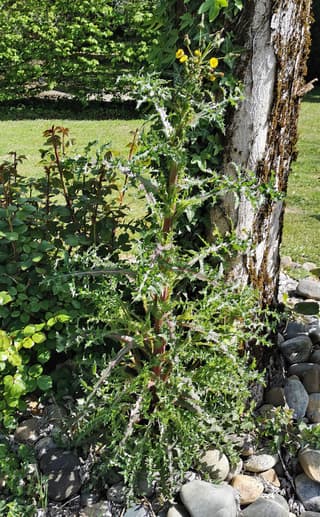
Spiny Sowthistle
Sonchus asper
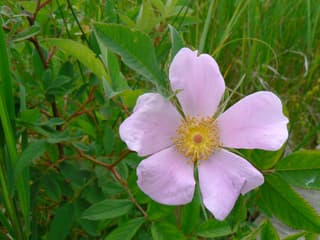
Virginia Rose
Rosa virginiana
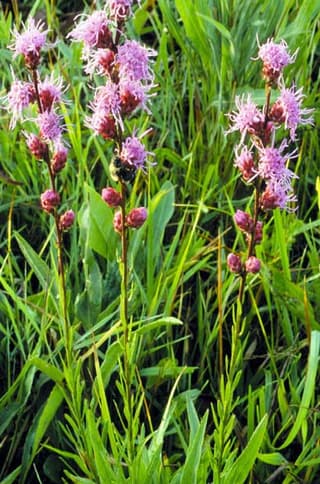
Rough Blazing Star
Liatris aspera
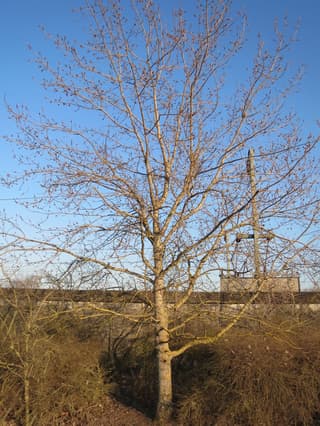
Poplar
Populus
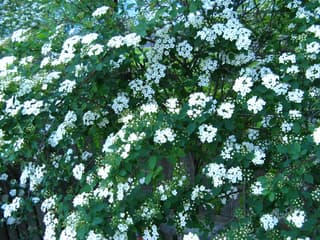
Vanhoutte Spirea
Spiraea × vanhouttei
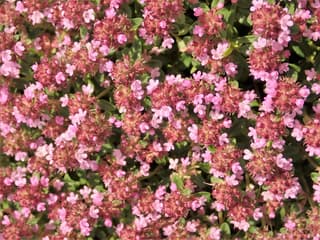
Wild Thyme
Thymus serpyllum
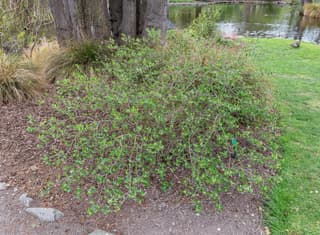
Black chokeberry
Aronia melanocarpa
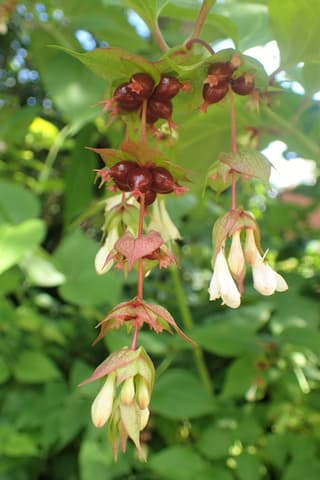
Himalayan honeysuckle
Leycesteria formosa
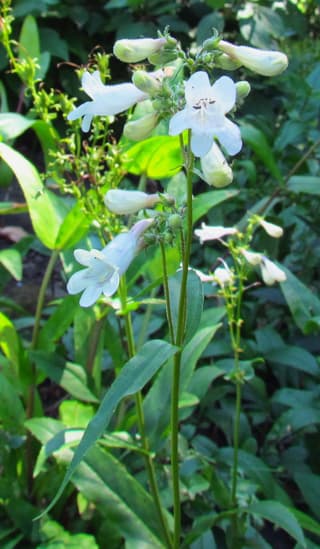
Foxglove Beardtongue
Penstemon digitalis
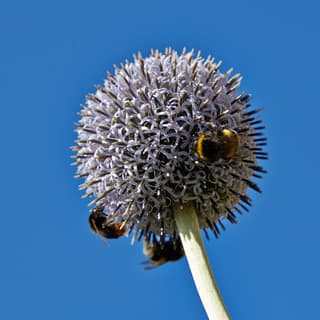
Blue globe thistle
Echinops bannaticus
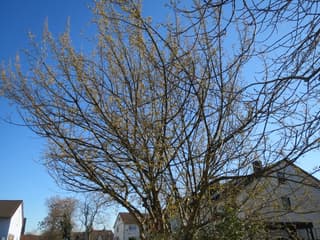
Cornelian Cherry
Cornus mas
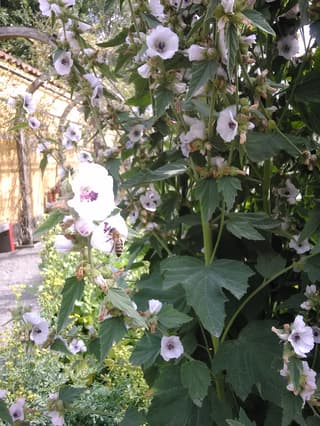
Marshmallow
Althaea officinalis
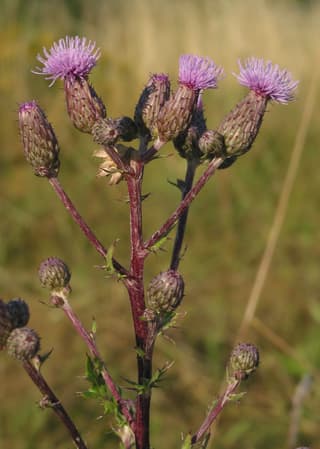
Creeping Thistle
Cirsium arvense
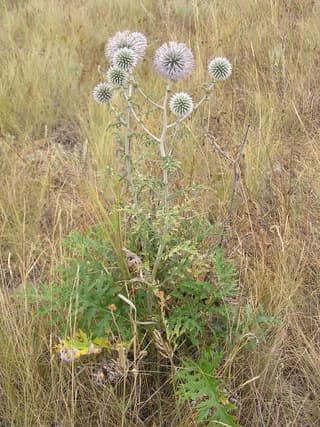
Globe thistle
Echinops sphaerocephalus
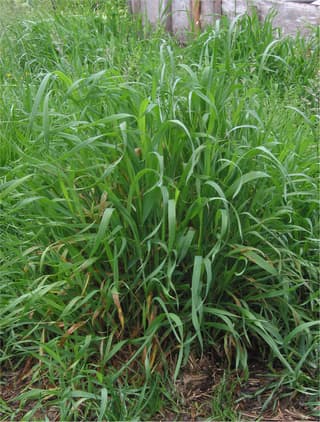
Quackgrass
Elymus repens
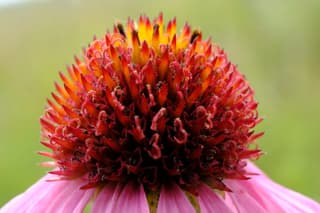
Narrow-leaf Coneflower
Echinacea angustifolia
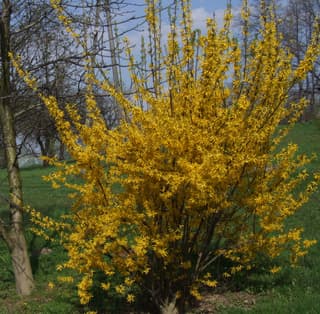
Border Forsythia
Forsythia x intermedia
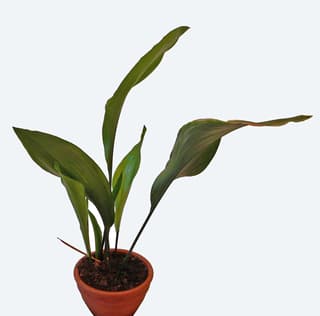
Cast Iron Plant
Aspidistra elatior
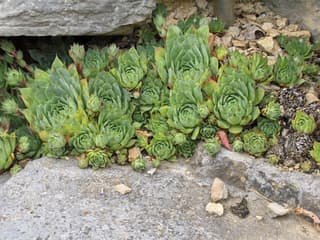
Common Houseleek
Sempervivum tectorum
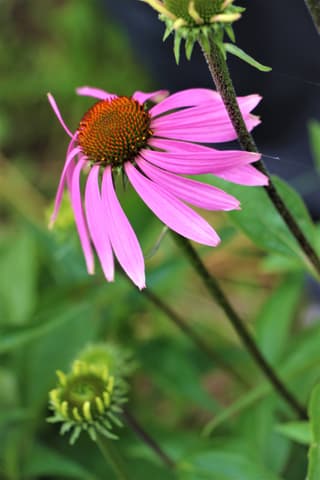
Purple Coneflower
Echinacea purpurea
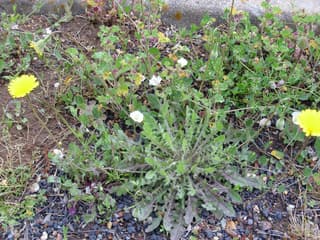
Rough Hawkbit
Leontodon hispidus
Ideal Pet Safe for Buckeye's Climate
Buckeye has an average temperature of 23.5°C and humidity of 30.9%, conditions that directly influence which pet safe best adapt to the local environment.
How to Grow Pet Safe in Buckeye
To successfully grow pet safe in Buckeye, consider that the average temperature of 23.5°C and humidity of 30.9% create a specific microclimate. Lower humidity requires more frequent watering and use of drip trays.
Advantages of Choosing Adapted Pet Safe
Pet Safe adapted to Buckeye's climate show greater resistance, healthy growth, and less need for interventions.