117 Best Orchids for Ibirama | 2026 Guide - Page 2
The 117 best orchids to grow in Ibirama. Ideal climate: 20.6°C, 86.2% humidity.
117 Orchids for Ibirama
Showing 37-72 of 117
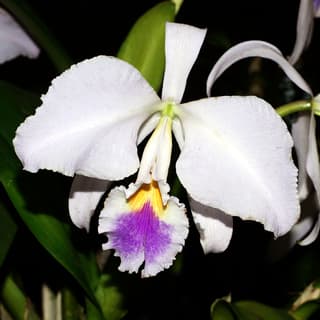
Mendel's Cattleya
Cattleya mendelii
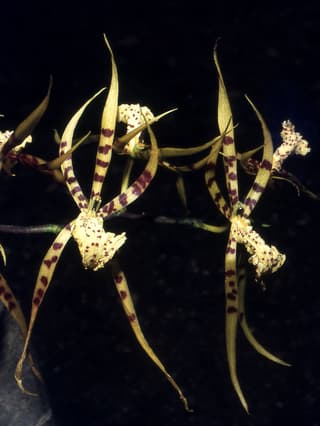
Spider Orchid
Brassia arachnoidea
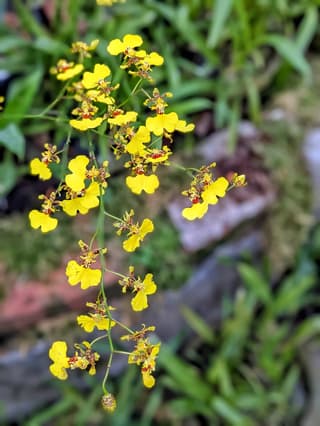
Golden Shower Orchid
Oncidium varicosum
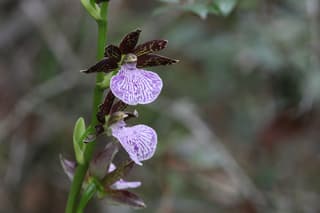
Spotted Zygopetalum
Zygopetalum maculatum
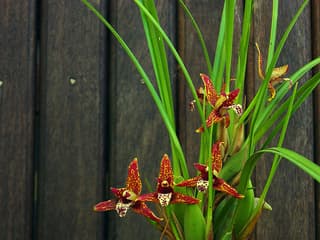
Maxillaria (genus)
Maxillaria
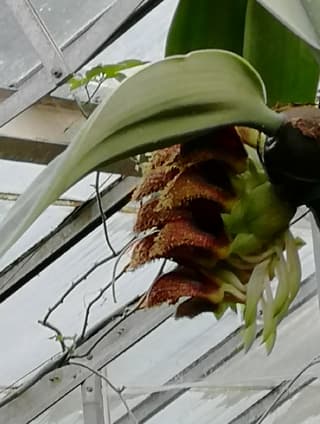
Stinking Orchid
Bulbophyllum phalaenopsis
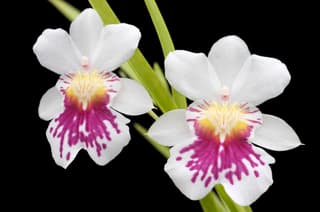
Pansy Orchid
Miltoniopsis phalaenopsis
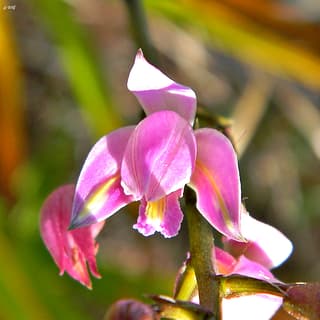
Pine-pink Orchid
Bletia purpurea
Miltassia orchid
Bratonia Charles M. Fitch
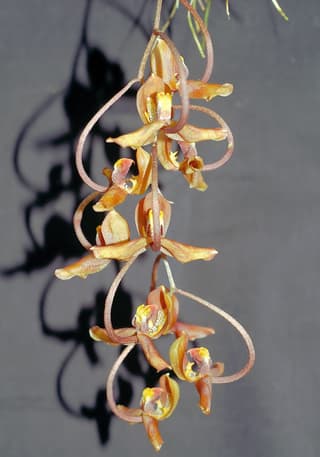
Helmet Orchid
Gongora galeata
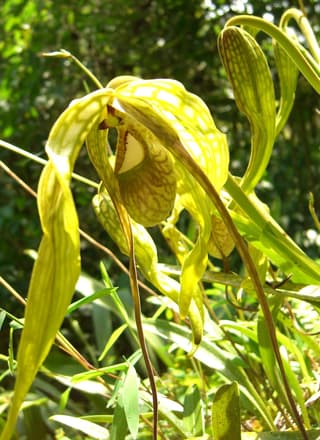
Tailed Slipper Orchid
Phragmipedium caudatum
Closterium Dendrobium
Dendrobium closterium
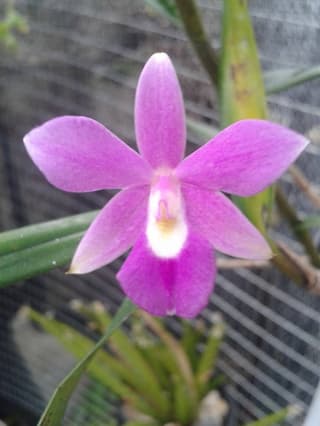
Pink Butterfly Orchid
Dimerandra emarginata
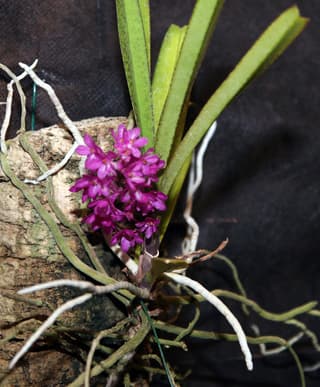
Ascocentrum orchid
Ascocentrum
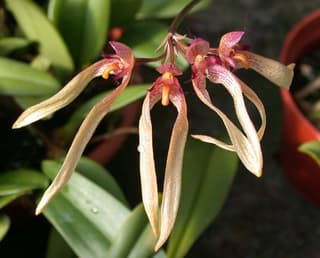
Pale Umbrella Orchid
Bulbophyllum longiflorum
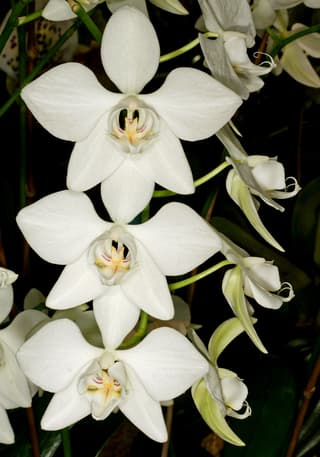
Moth Orchid
Phalaenopsis aphrodite
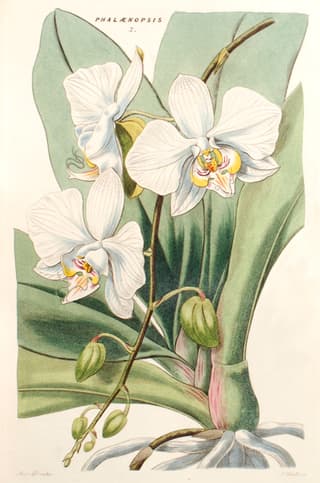
Moon Orchid
Phalaenopsis amabilis
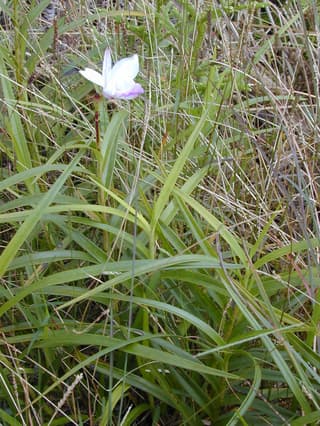
Bamboo Orchid
Arundina graminifolia
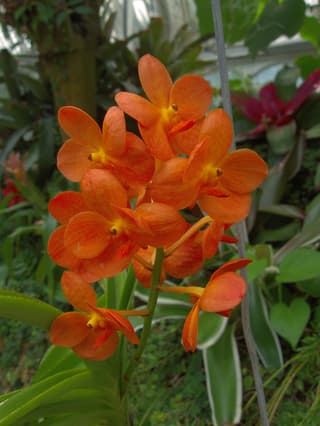
Ascocenda Orchid
Ascocenda
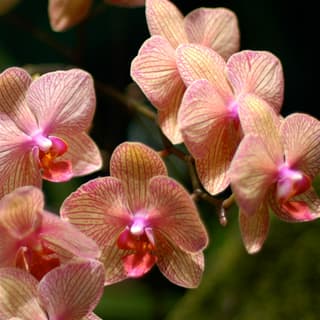
Phalaenopsis Hybrid Orchid
Phalaenopsis x hybridus
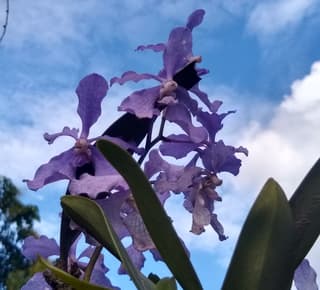
Vanda Orchid
Vanda
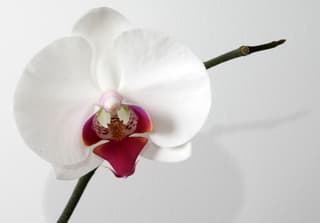
Orchid
Orchidaceae

Grasshopper orchid
Lycaste locusta
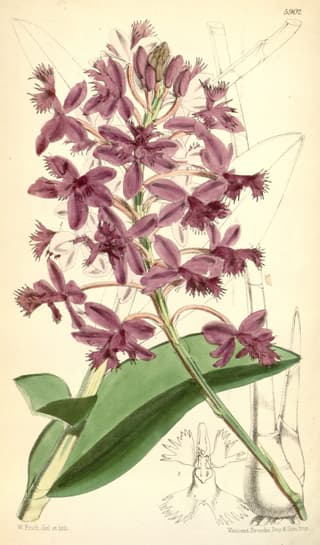
Jamieson's Epidendrum
Epidendrum jamiesonis
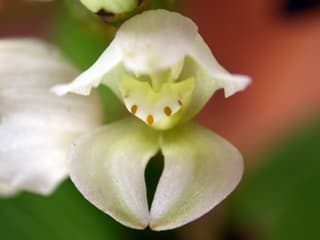
Govenia
Govenia
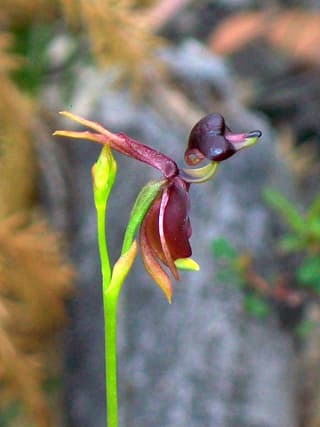
Flying Duck Orchid
Caleana major
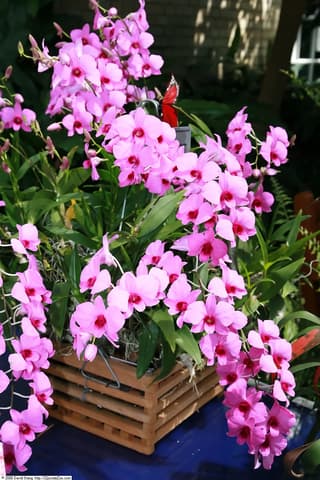
Cooktown Orchid
Dendrobium bigibbum
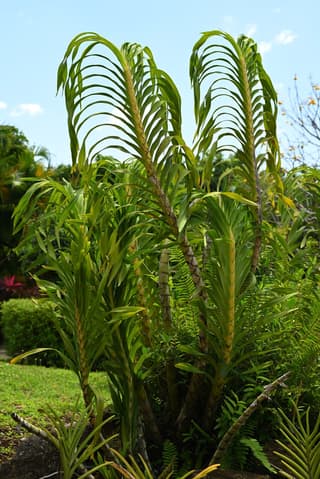
Giant orchid (Grammatophyllum)
Grammatophyllum
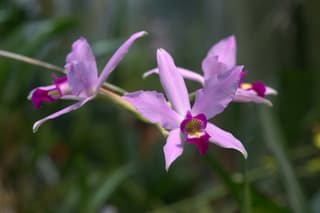
Two-edged Laelia
Laelia anceps
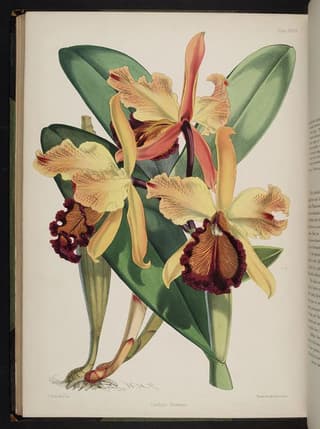
Crimson Cattleya
Cattleya labiata
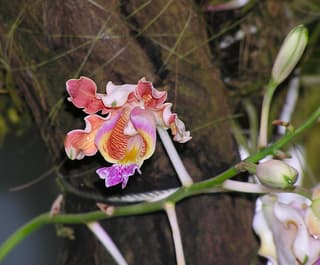
Cow Horn Orchid
Myrmecophila tibicinis
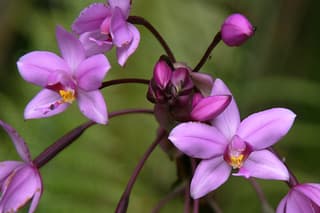
Philippine Ground Orchid
Spathoglottis plicata
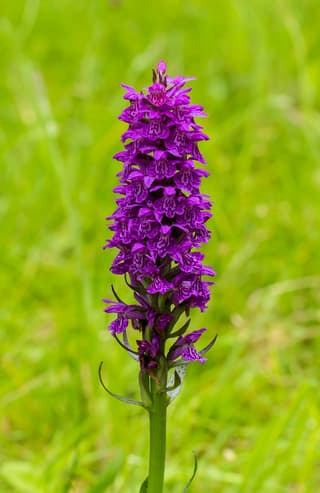
Heath Spotted Orchid
Dactylorhiza maculata
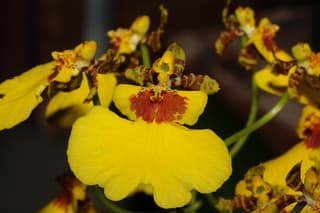
Dancing Lady Orchid
Oncidium Celtic Sun x Burgundian
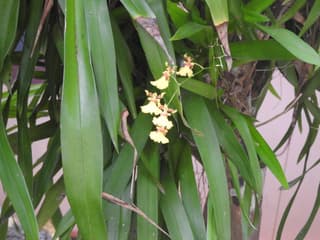
Tall Oncidium
Oncidium altissimum
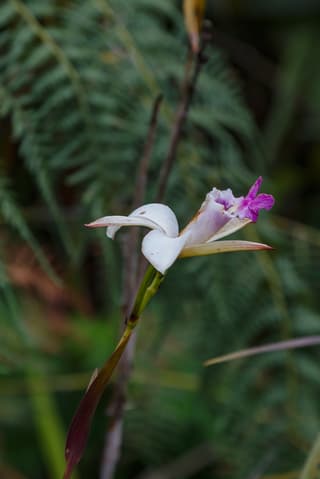
Bamboo Orchid (genus)
Arundina
Ideal Orchids for Ibirama's Climate
Ibirama has an average temperature of 20.6°C and humidity of 86.2%, conditions that directly influence which orchids best adapt to the local environment.
How to Grow Orchids in Ibirama
To successfully grow orchids in Ibirama, consider that the average temperature of 20.6°C and humidity of 86.2% create a specific microclimate. High humidity favors tropical species, but requires attention to ventilation to prevent fungal issues.
Advantages of Choosing Adapted Orchids
Orchids adapted to Ibirama's climate show greater resistance, healthy growth, and less need for interventions.