500 Best Pet Safe for King's Lynn and West Norfolk | 2026 Guide - Page 12
The 500 best pet safe to grow in King's Lynn and West Norfolk. Ideal climate: 10.8°C, 81.2% humidity.
500 Pet Safe for King's Lynn and West Norfolk
Showing 397-432 of 500
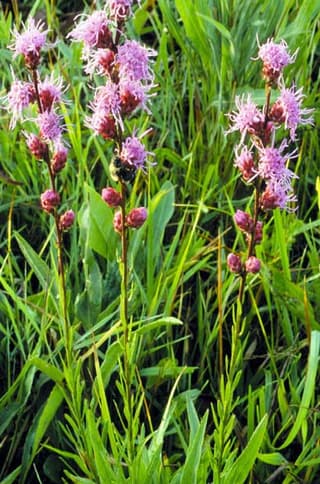
Rough Blazing Star
Liatris aspera
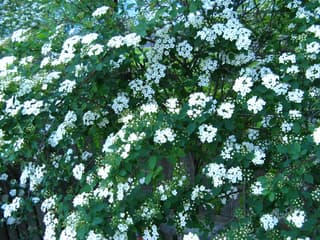
Vanhoutte Spirea
Spiraea × vanhouttei
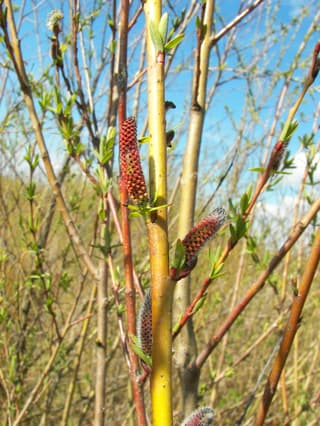
Purple Willow
Salix purpurea
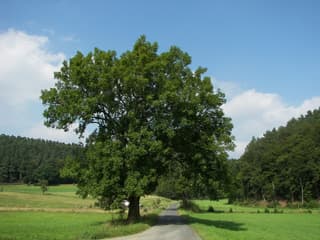
European Ash
Fraxinus excelsior
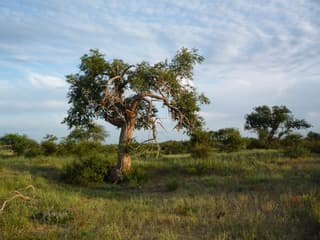
Siberian Elm
Ulmus pumila
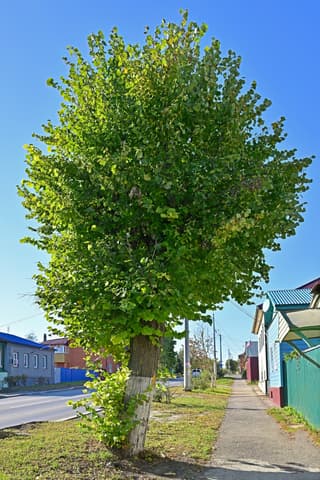
Little-leaf Linden
Tilia cordata
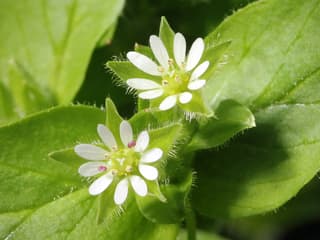
Chickweed
Stellaria media
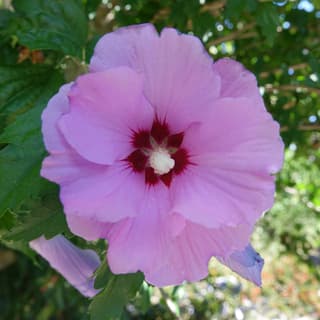
Rose of Sharon
Hibiscus syriacus
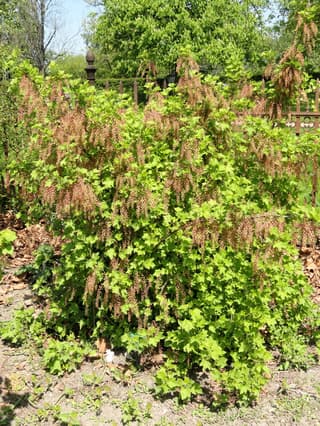
Downy Currant
Ribes spicatum

Hawthorn
Crataegus
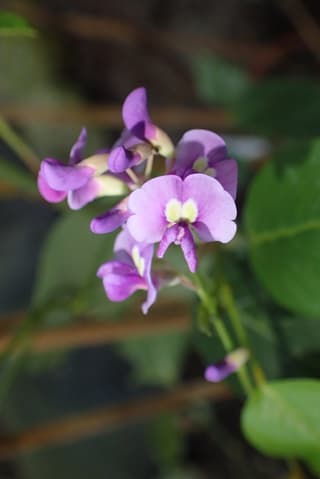
Purple Coral Pea
Hardenbergia violacea
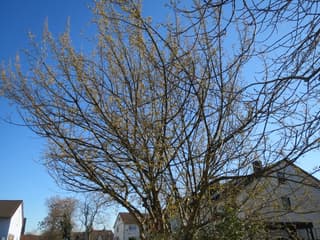
Cornelian Cherry
Cornus mas
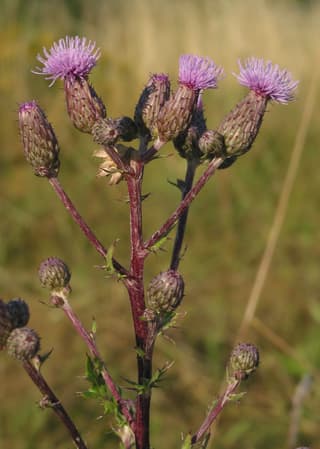
Creeping Thistle
Cirsium arvense
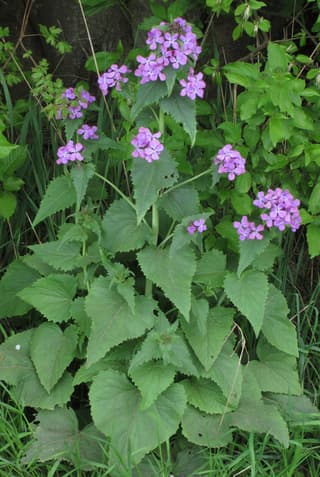
Honesty
Lunaria annua
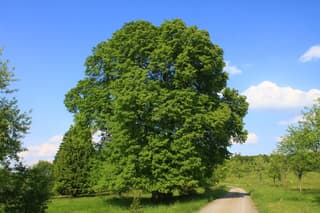
Large-leaved Lime
Tilia platyphyllos
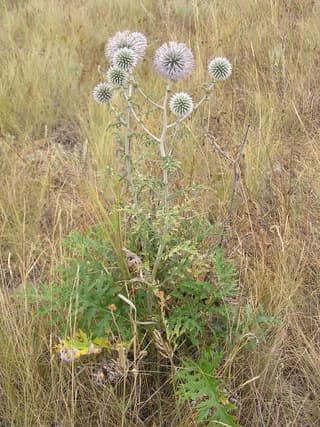
Globe thistle
Echinops sphaerocephalus
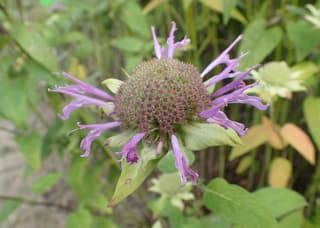
Scarlet Bee Balm
Monarda didyma
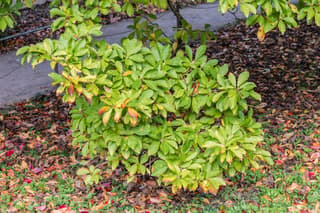
Kobus Magnolia
Magnolia kobus
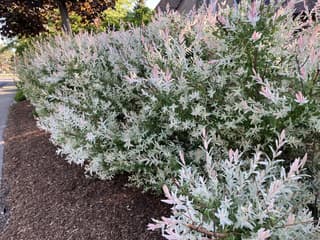
Dappled Willow
Salix integra
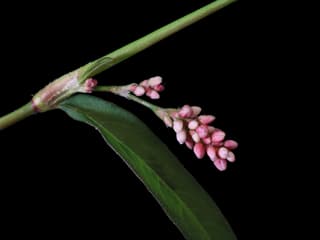
Smartweed
Persicaria
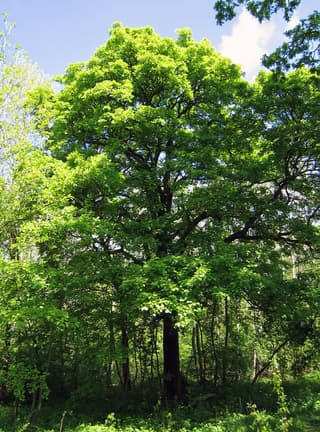
Wild Service Tree
Torminalis glaberrima
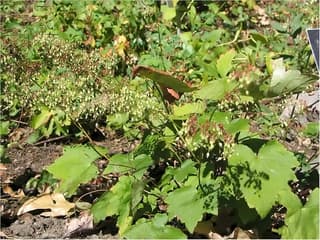
Hairy Alumroot
Heuchera villosa
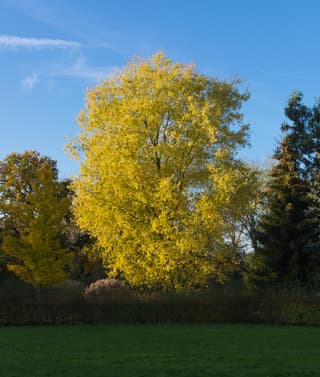
Silver Maple
Acer saccharinum
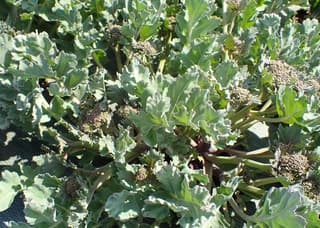
Sea Kale
Crambe
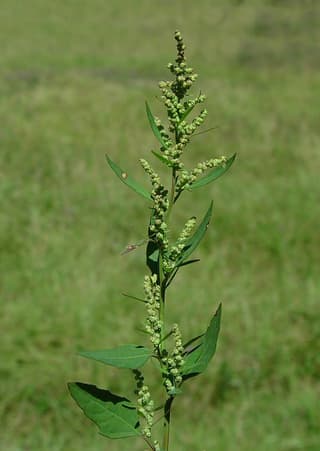
Goosefoot
Chenopodium
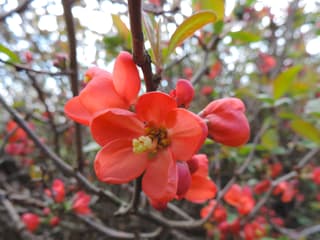
Flowering Quince
Chaenomeles speciosa
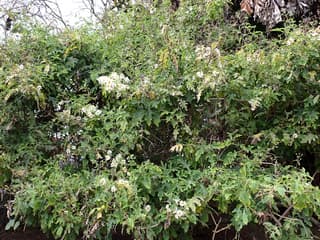
Mexican Daisy Bush
Montanoa bipinnatifida
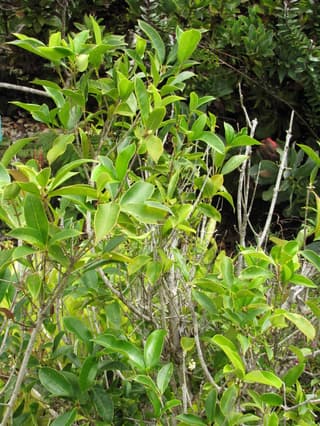
Sweet Olive
Osmanthus fragrans
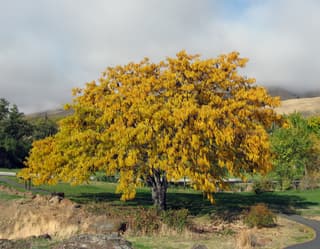
Honey Locust
Gleditsia triacanthos
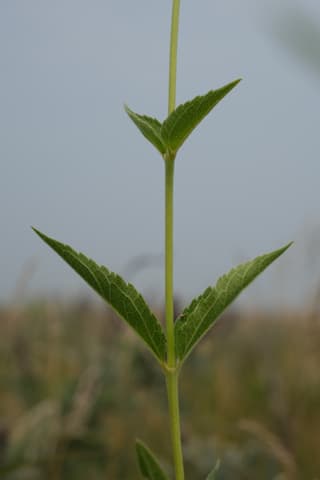
False Sunflower
Heliopsis helianthoides
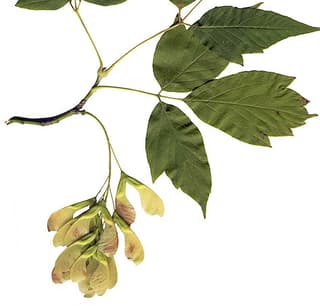
Boxelder
Acer negundo
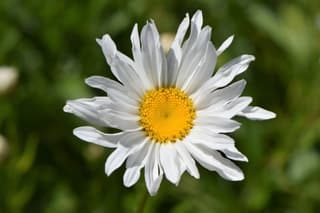
Max Chrysanthemum
Leucanthemum maximum
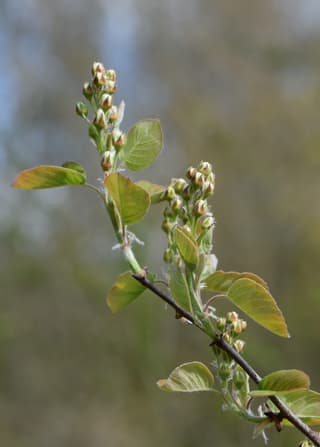
Saskatoon Serviceberry
Amelanchier alnifolia
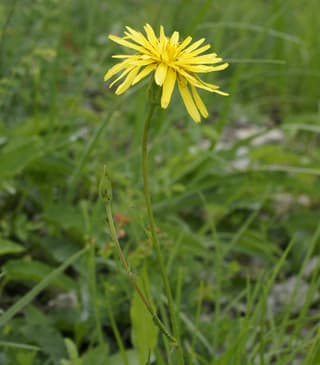
Black Salsify
Scorzonera
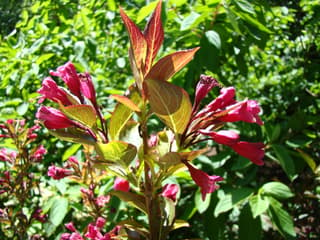
Old Fashioned Weigela
Weigela florida
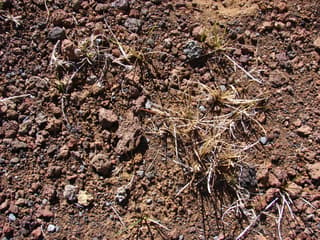
Kentucky bluegrass
Poa pratensis
Ideal Pet Safe for King's Lynn and West Norfolk's Climate
King's Lynn and West Norfolk has an average temperature of 10.8°C and humidity of 81.2%, conditions that directly influence which pet safe best adapt to the local environment.
How to Grow Pet Safe in King's Lynn and West Norfolk
To successfully grow pet safe in King's Lynn and West Norfolk, consider that the average temperature of 10.8°C and humidity of 81.2% create a specific microclimate. High humidity favors tropical species, but requires attention to ventilation to prevent fungal issues.
Advantages of Choosing Adapted Pet Safe
Pet Safe adapted to King's Lynn and West Norfolk's climate show greater resistance, healthy growth, and less need for interventions.