Bloom
🌿

500 Best Pet Safe for New London | 2026 Guide - Page 8

The 500 best pet safe to grow in New London. Ideal climate: 9.3°C, 68.5% humidity.

🌡️ 9.3°C
💧 68.5%

500 Pet Safe for New London

Showing 253-288 of 500
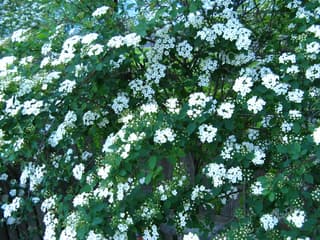
Vanhoutte Spirea
253
★ 98%

Vanhoutte Spirea

Spiraea × vanhouttei
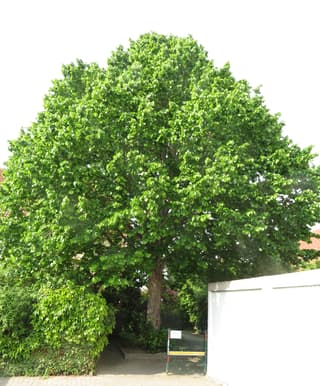
Easy 💧 7 days 🌡️ -34°C - 35°C
Common Hazel
254
★ 98%

Common Hazel

Corylus avellana

Easy 💧 10 days 🌡️ -34°C - 38°C
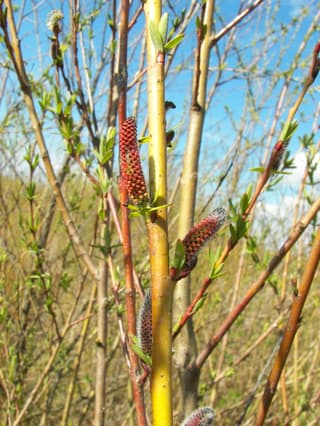
Purple Willow
255
★ 98%

Purple Willow

Salix purpurea

Easy 💧 3 days 🌡️ -30°C - 35°C
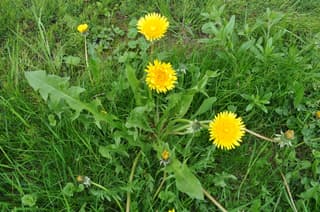
Dandelion
256
★ 98%

Dandelion

Taraxacum

Easy 💧 5 days 🌡️ -5°C - 32°C
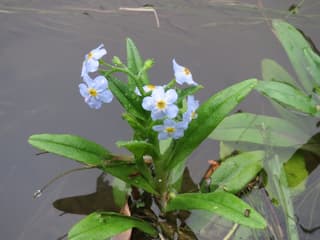
Water Forget-me-not
257
★ 98%

Water Forget-me-not

Myosotis scorpioides
Easy 💧 1 days 🌡️ -20°C - 25°C
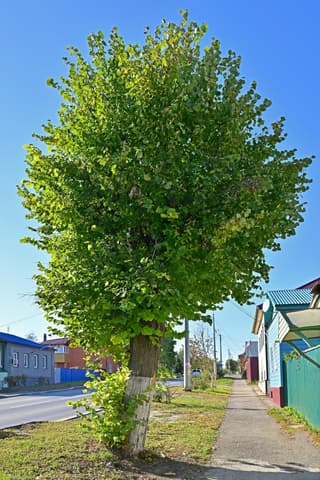
Little-leaf Linden
258
★ 98%

Little-leaf Linden

Tilia cordata

Medium 💧 7 days 🌡️ -34°C - 35°C
Black chokeberry
259
★ 98%

Black chokeberry

Aronia melanocarpa

Easy 💧 7 days 🌡️ -34°C - 35°C
Hawthorn
260
★ 98%

Hawthorn

Crataegus

Easy 💧 7 days 🌡️ -30°C - 35°C
Purple Coral Pea
261
★ 98%

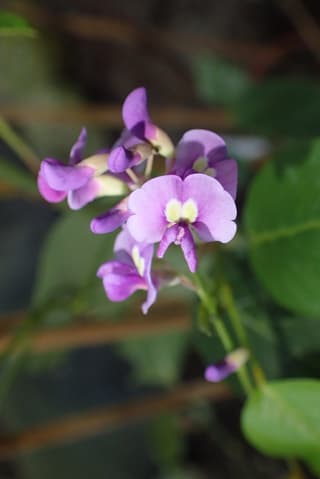
Purple Coral Pea

Hardenbergia violacea
Easy 💧 10 days 🌡️ -5°C - 35°C
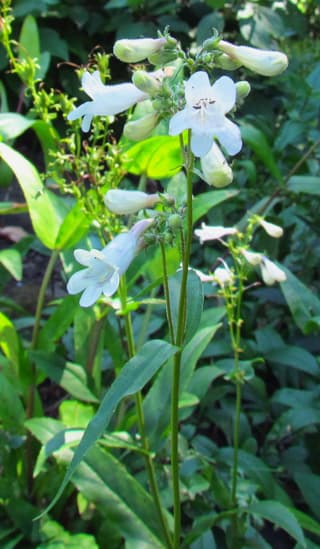
Foxglove Beardtongue
262
★ 98%

Foxglove Beardtongue

Penstemon digitalis
Easy 💧 7 days 🌡️ -37°C - 35°C
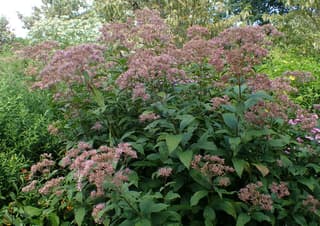
Spotted Joe-Pye Weed
263
★ 98%

Spotted Joe-Pye Weed

Eutrochium maculatum
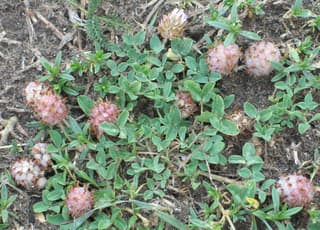
Easy 💧 3 days 🌡️ -37°C - 35°C
Strawberry Clover
264
★ 98%

Strawberry Clover

Trifolium fragiferum
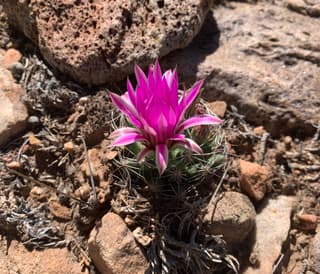
Easy 💧 7 days 🌡️ -4°C - 35°C
Wright's Fishhook Cactus
265
★ 98%

Wright's Fishhook Cactus

Cochemiea wrightii
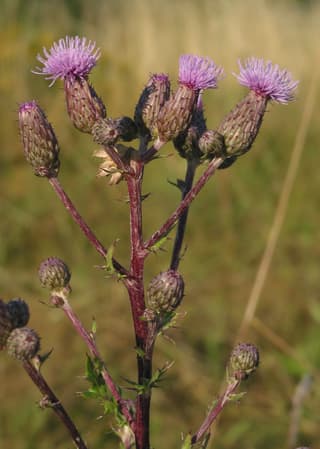
Medium 💧 14 days 🌡️ -7°C - 38°C
Creeping Thistle
266
★ 98%

Creeping Thistle

Cirsium arvense

Easy 💧 14 days 🌡️ -30°C - 35°C
Honesty
267
★ 98%

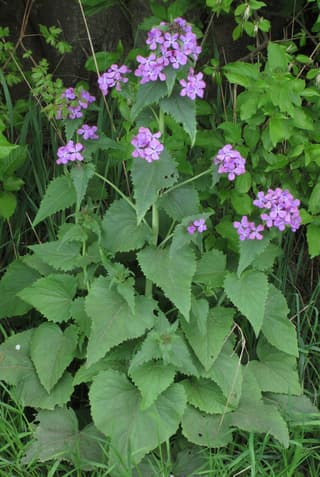
Honesty

Lunaria annua

Easy 💧 7 days 🌡️ -25°C - 30°C
Great burnet
268
★ 98%

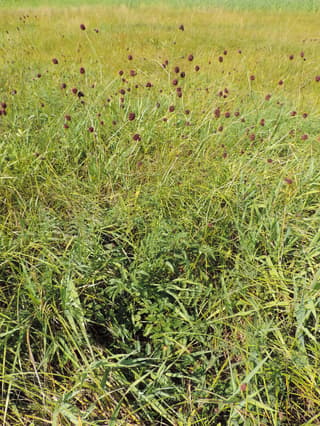
Great burnet

Sanguisorba officinalis

Easy 💧 7 days 🌡️ -25°C - 30°C
Large-leaved Lime
269
★ 98%

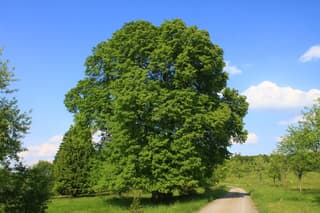
Large-leaved Lime

Tilia platyphyllos

Easy 💧 14 days 🌡️ -34°C - 35°C
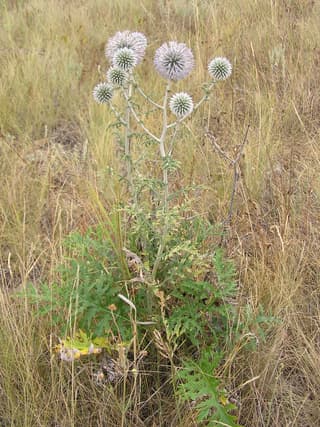
Globe thistle
270
★ 98%

Globe thistle

Echinops sphaerocephalus

Easy 💧 10 days 🌡️ -30°C - 35°C
Arugula
271
★ 98%

Arugula

Eruca vesicaria

Easy 💧 2 days 🌡️ -1°C - 27°C
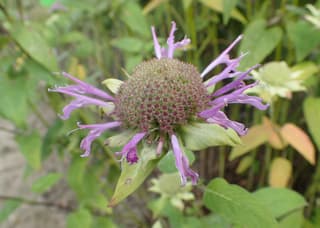
Scarlet Bee Balm
272
★ 98%

Scarlet Bee Balm

Monarda didyma

Easy 💧 7 days 🌡️ -30°C - 35°C
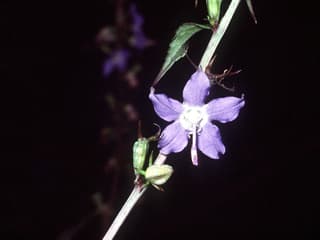
Tall Bellflower
273
★ 98%

Tall Bellflower

Campanulastrum americanum
Easy 💧 4 days 🌡️ -30°C - 32°C
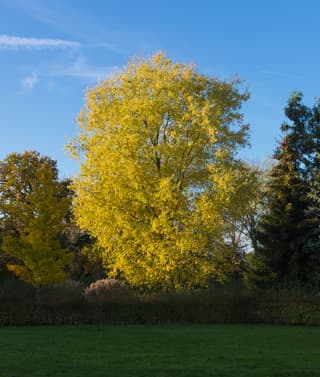
Dawn Redwood
274
★ 98%

Dawn Redwood

Metasequoia glyptostroboides
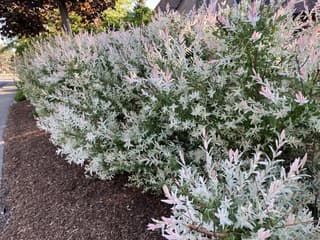
Easy 💧 7 days 🌡️ -30°C - 35°C
Dappled Willow
275
★ 98%

Dappled Willow

Salix integra

Medium 💧 7 days 🌡️ -25°C - 32°C
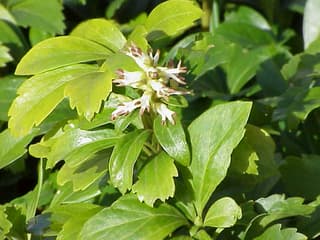
Japanese spurge
276
★ 98%

Japanese spurge

Pachysandra terminalis
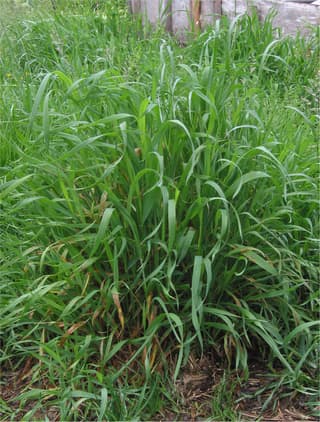
Easy 💧 10 days 🌡️ -34°C - 32°C
Quackgrass
277
★ 98%

Quackgrass

Elymus repens

Easy 💧 14 days 🌡️ -30°C - 35°C
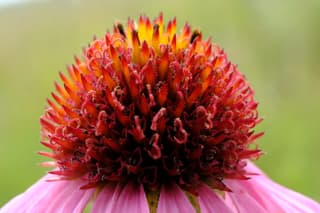
Narrow-leaf Coneflower
278
★ 98%

Narrow-leaf Coneflower

Echinacea angustifolia
Easy 💧 7 days 🌡️ -34°C - 35°C
Silver Maple
279
★ 98%

Silver Maple

Acer saccharinum

Medium 💧 7 days 🌡️ -30°C - 35°C
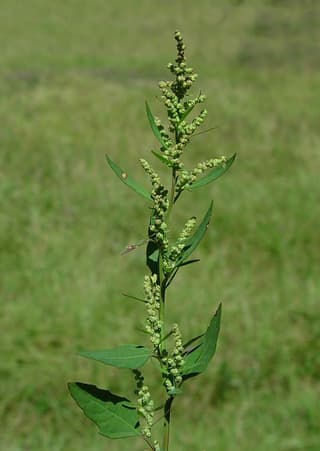
Goosefoot
280
★ 98%

Goosefoot

Chenopodium

Easy 💧 7 days 🌡️ -5°C - 35°C
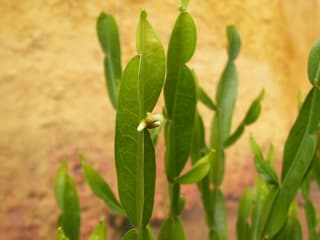
Carqueja
281
★ 98%

Carqueja

Baccharis trimera

Easy 💧 7 days 🌡️ -5°C - 35°C
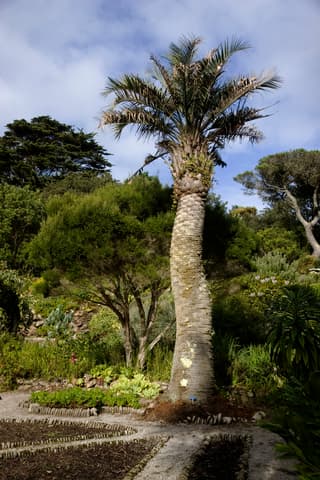
Pindo Palm
282
★ 98%

Pindo Palm

Butia capitata

Easy 💧 14 days 🌡️ -9°C - 38°C
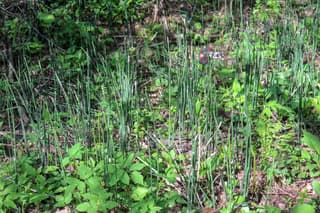
Horsetail
283
★ 98%

Horsetail

Equisetum spp

Easy 💧 3 days 🌡️ -30°C - 30°C
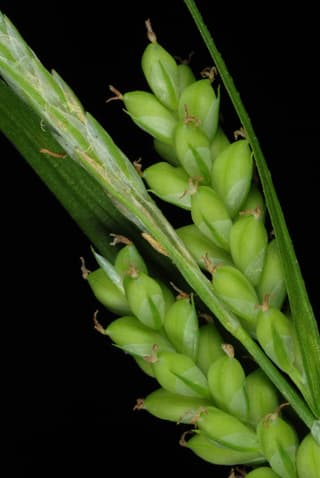
Eastern Woodland Sedge
284
★ 98%

Eastern Woodland Sedge

Carex blanda

Easy 💧 7 days 🌡️ -35°C - 35°C
Mexican Daisy Bush
285
★ 98%

Mexican Daisy Bush

Montanoa bipinnatifida
Easy 💧 7 days 🌡️ -6°C - 35°C
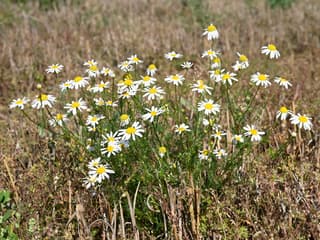
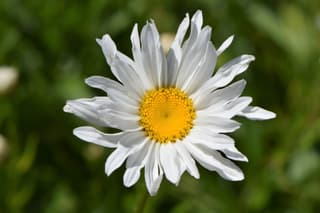
Scentless Chamomile
286
★ 97%

Scentless Chamomile

Tripleurospermum inodorum
Easy 💧 6 days 🌡️ 2°C - 25°C
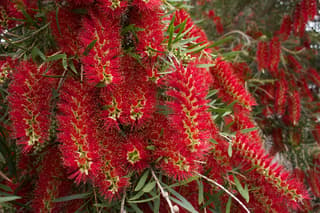
Weeping Bottlebrush
287
★ 97%

Weeping Bottlebrush

Melaleuca viminalis
Easy 💧 7 days 🌡️ -5°C - 40°C
Max Chrysanthemum
288
★ 97%

Max Chrysanthemum

Leucanthemum maximum

Easy 💧 7 days 🌡️ -34°C - 30°C

Ideal Pet Safe for New London's Climate

New London has an average temperature of 9.3°C and humidity of 68.5%, conditions that directly influence which pet safe best adapt to the local environment.

How to Grow Pet Safe in New London

To successfully grow pet safe in New London, consider that the average temperature of 9.3°C and humidity of 68.5% create a specific microclimate. Moderate humidity is favorable for most species in this category.

Advantages of Choosing Adapted Pet Safe

Pet Safe adapted to New London's climate show greater resistance, healthy growth, and less need for interventions.