500 Best Plants for Prescott Valley | 2026 Guide - Page 13
Discover the 500 ideal plants for Prescott Valley's climate. Average temp: 13.7°C, Humidity: 40.5%.
Top 500 Plants for Prescott Valley
Showing 433-468 of 500
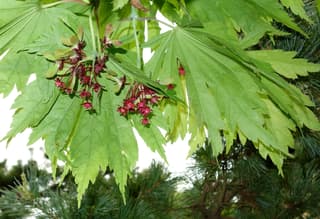
Fullmoon Maple
Acer japonicum
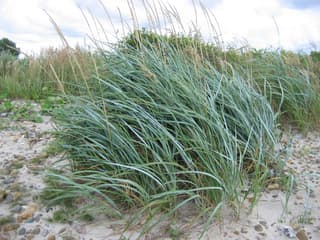
Sea Lyme Grass
Leymus arenarius
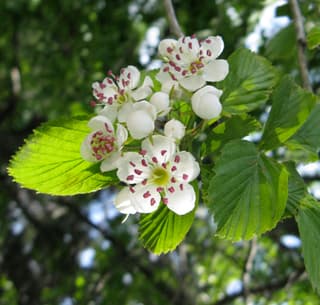
Dotted Hawthorn
Crataegus punctata
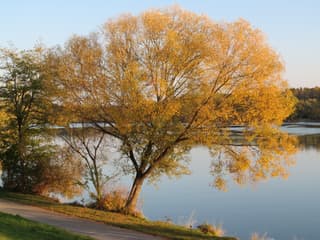
Basket Willow
Salix viminalis
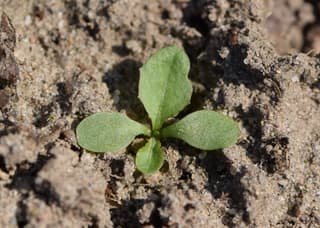
Autumn Hawkbit
Scorzoneroides autumnalis
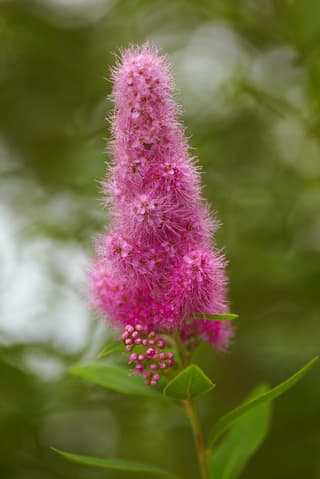
Billard Spiraea
Spiraea billardii
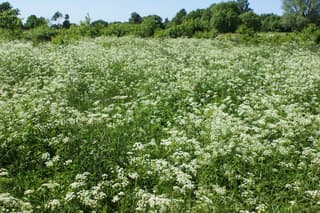
Cow Parsley
Anthriscus sylvestris
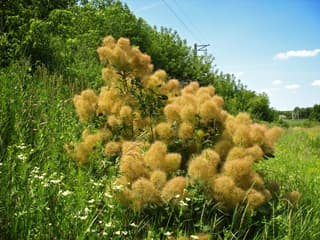
Smoke tree
Cotinus coggygria
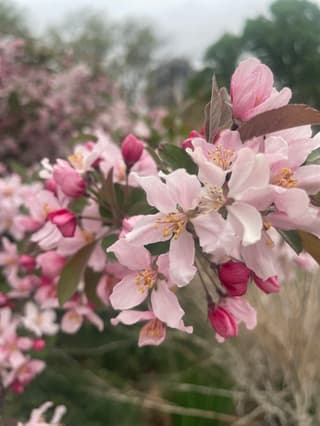
Japanese Flowering Crabapple
Malus × floribunda
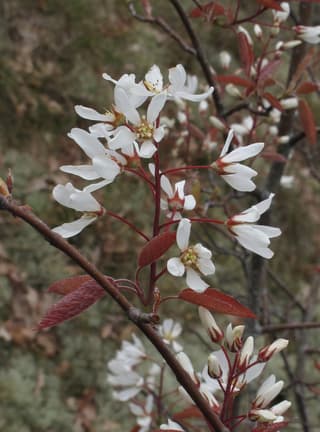
Serviceberry
Amelanchier
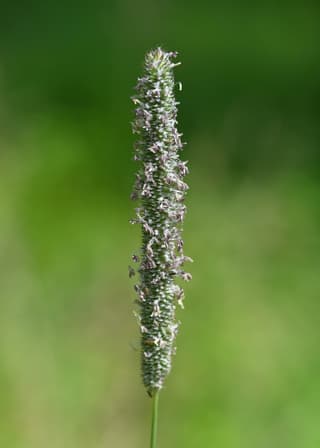
Timothy-grass
Phleum pratense
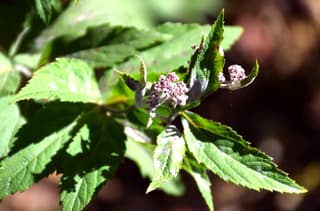
Willowleaf Spiraea
Spiraea salicifolia
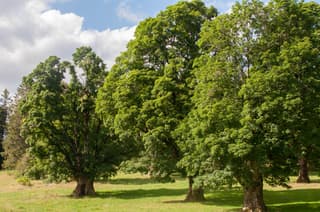
Sycamore Maple
Acer pseudoplatanus
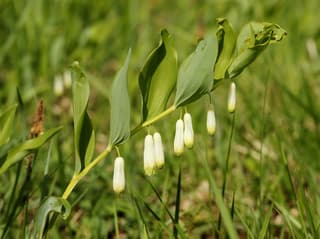
Fragrant Solomon's Seal
Polygonatum odoratum
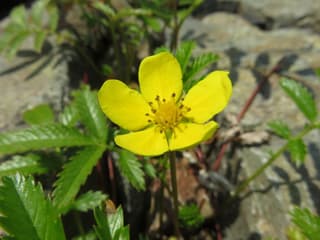
Silverweed
Argentina anserina
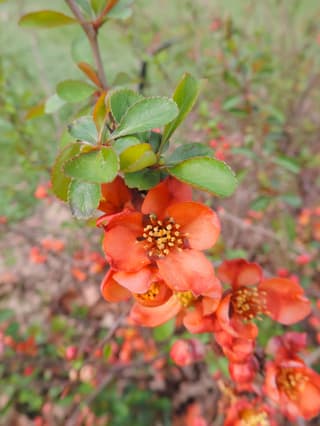
Maule's Quince
Chaenomeles japonica
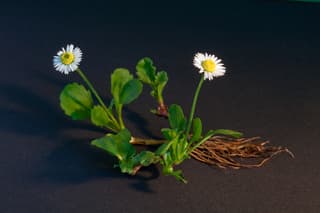
English Daisy
Bellis perennis
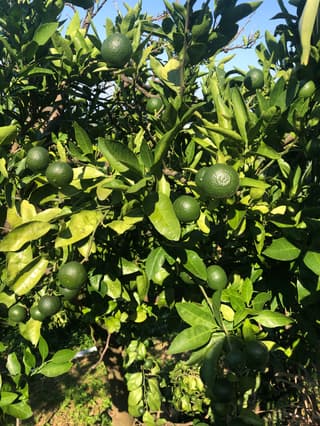
Key Lime
Citrus × aurantiifolia
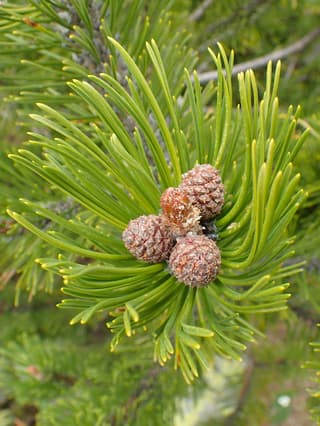
Mountain Pine
Pinus mugo
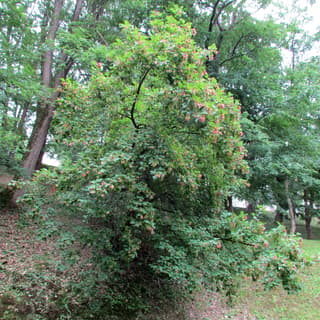
Tatarian Maple
Acer tataricum
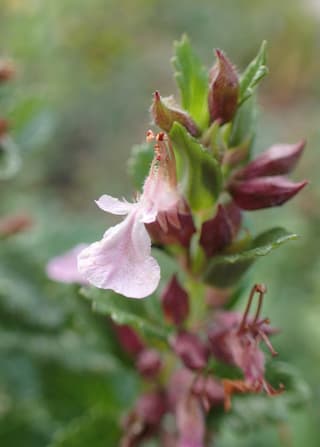
Germander
Teucrium
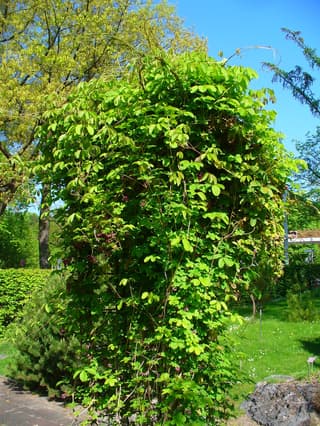
Chocolate Vine
Akebia quinata
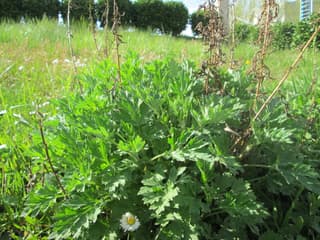
Mugwort
Artemisia vulgaris
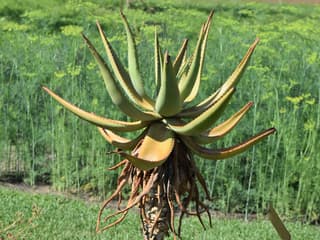
Bitter Aloe
Aloe ferox
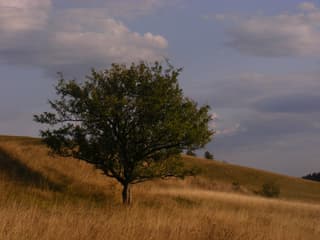
European Crab Apple
Malus sylvestris
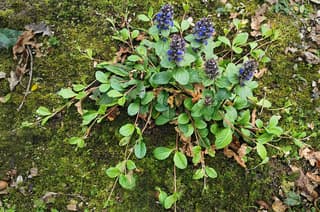
Bugleweed
Ajuga
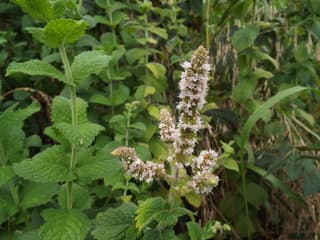
Apple Mint
Mentha × rotundifolia
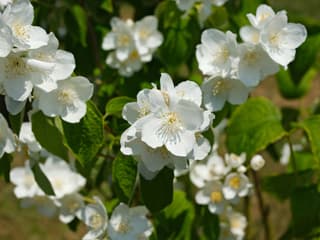
Scentless Mock Orange
Philadelphus inodorus
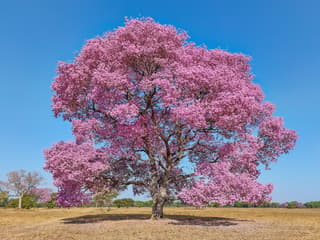
Trumpet Tree
Handroanthus
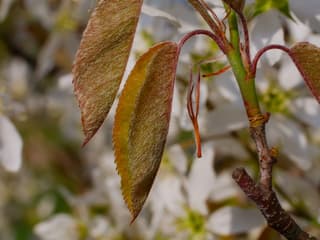
Juneberry
Amelanchier × lamarckii
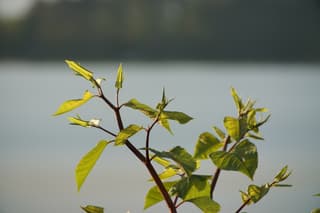
Knotweed
Reynoutria
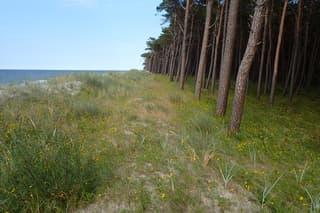
Narrowleaf Hawkweed
Hieracium umbellatum
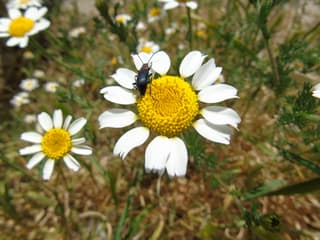
Corn chamomile
Anthemis arvensis
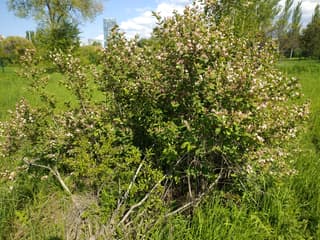
Tatarian Honeysuckle
Lonicera tatarica
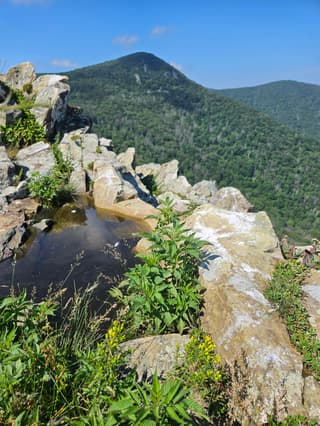
Devil's Beggarticks
Bidens frondosa
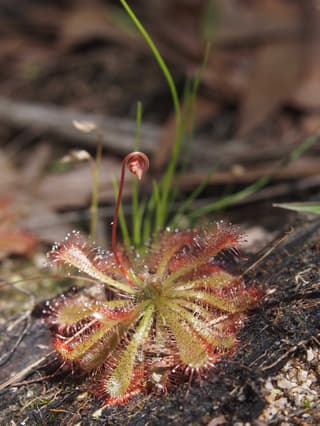
Spoon-leaved sundew
Drosera spatulata
Prescott Valley Climate for Plant Growing
Prescott Valley has a climate with an average annual temperature of 13.7°C and average relative humidity of 40.5%. These climate conditions are ideal for various species of ornamental and fruit plants.
Tips for Growing Plants in Prescott Valley
To succeed in growing plants in Prescott Valley, consider the average temperature of 13.7°C when choosing your species. Protect cold-sensitive plants during winter. Water more frequently due to low humidity.
Why Choose Plants Adapted to the Local Climate?
Plants adapted to Prescott Valley's climate require less care, consume less water, and are more likely to thrive. Our selection considers the compatibility between each species' needs and local climate conditions, including temperature (13.7°C) and humidity (40.5%).