500 Best Plants for Prescott Valley | 2026 Guide - Page 6
Discover the 500 ideal plants for Prescott Valley's climate. Average temp: 13.7°C, Humidity: 40.5%.
Top 500 Plants for Prescott Valley
Showing 181-216 of 500
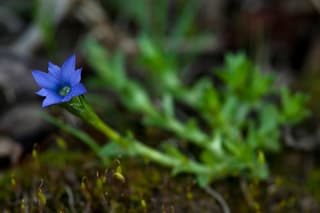
Pygmy Gentian
Gentiana prostrata
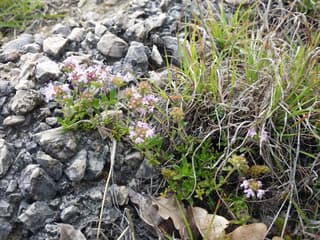
Mediterranean Thyme
Thymus longicaulis
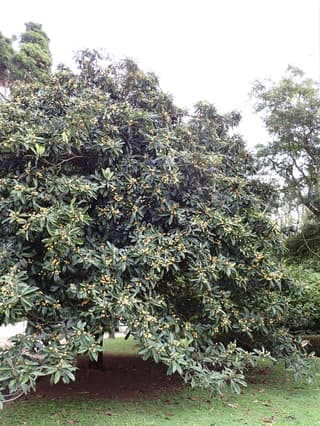
Loquat
Rhaphiolepis bibas
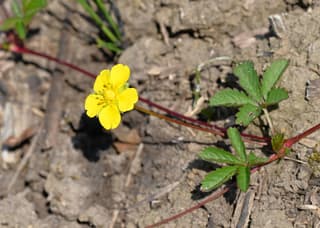
Creeping Cinquefoil
Potentilla reptans
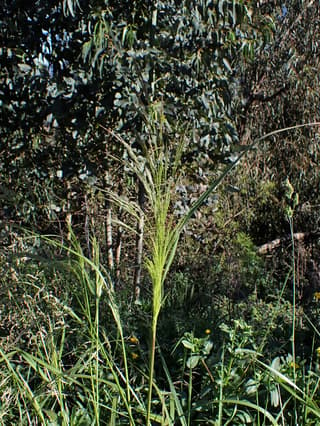
Johnson grass
Sorghum halepense
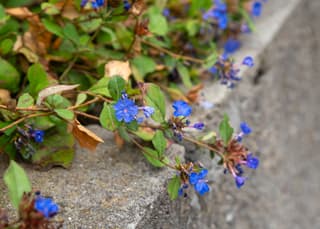
Hardy Plumbago
Ceratostigma plumbaginoides
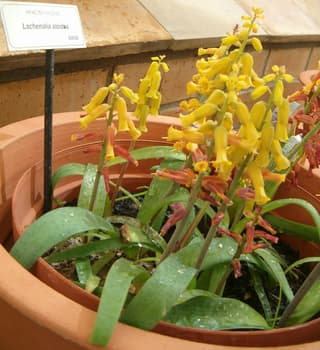
Cape Cowslip
Lachenalia
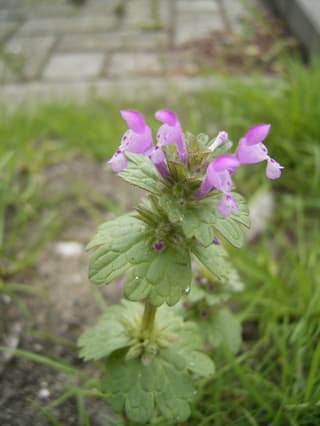
Henbit Dead-nettle
Lamium amplexicaule
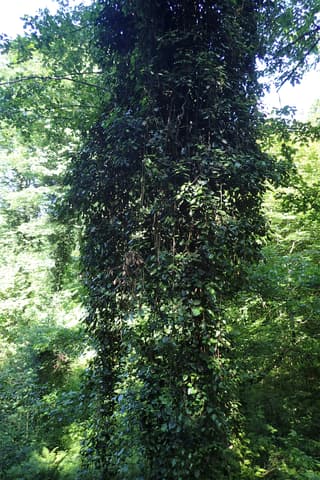
Persian Ivy
Hedera colchica
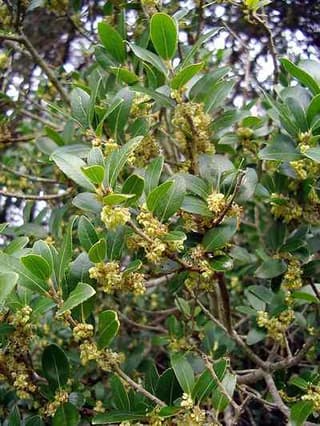
Green Olive Tree
Phillyrea latifolia
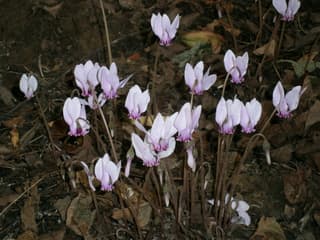
Ivy-leaved Cyclamen
Cyclamen hederifolium
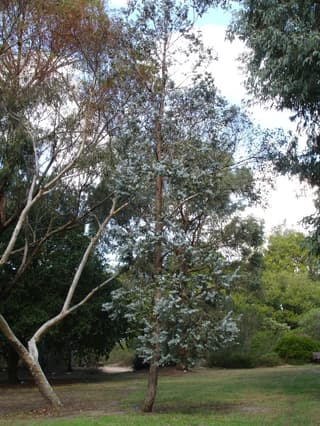
Argyle Apple
Eucalyptus cinerea
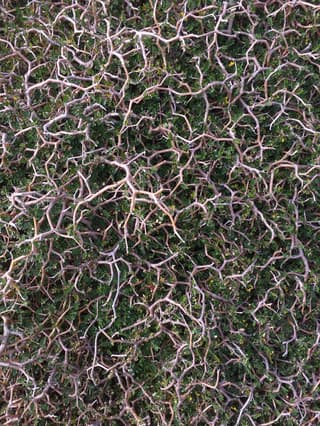
Dwarf Kowhai
Sophora prostrata
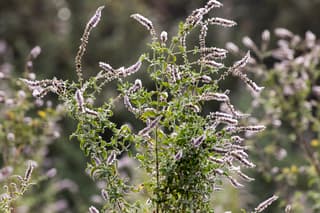
Horse Mint
Mentha longifolia
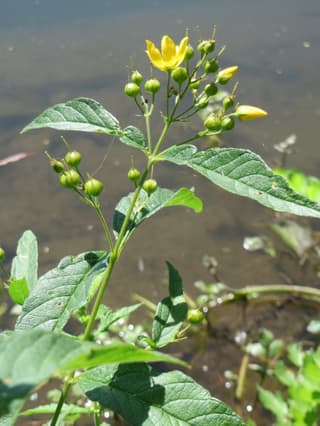
Loosestrife
Lysimachia
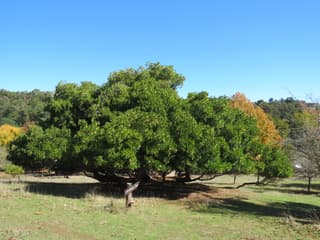
Strawberry Tree
Arbutus unedo
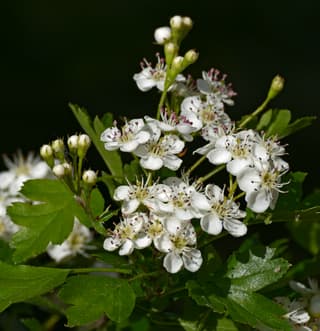
Common Hawthorn
Crataegus monogyna

Dove's-foot Crane's-bill
Geranium molle
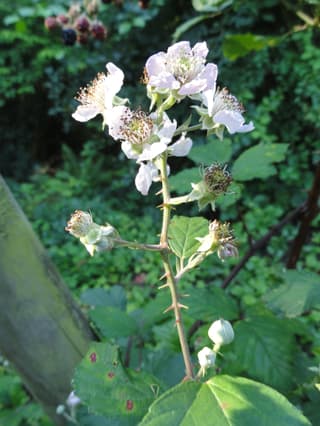
Himalayan Blackberry
Rubus bifrons
Cast Iron Plant
Aspidistra lurida
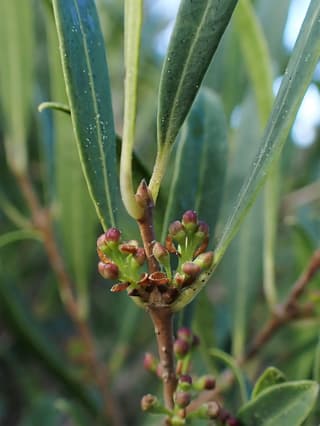
Narrow-leaved Phillyrea
Phillyrea angustifolia
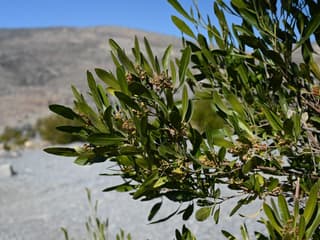
Hop bush
Dodonaea viscosa
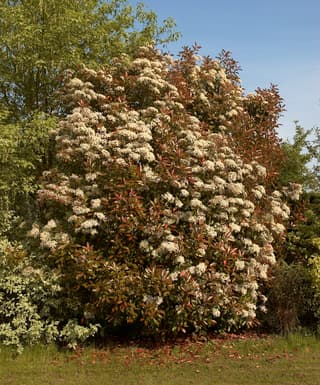
Red Tip Photinia
Photinia × fraseri
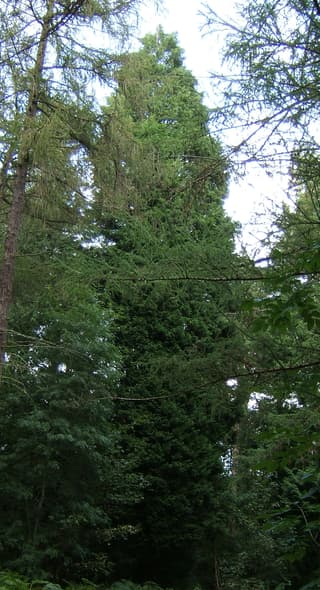
Leyland Cypress
× Hesperotropsis leylandii
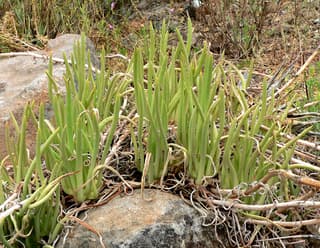
Fingertips
Dudleya edulis
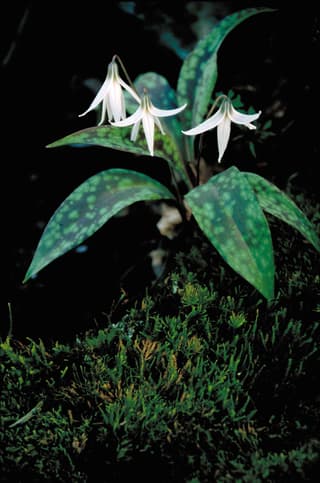
Trout Lily
Erythronium
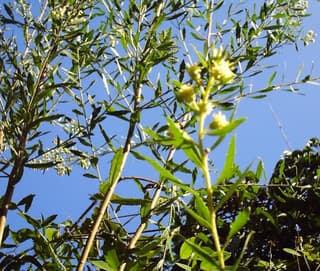
Field Rosemary
Baccharis dracunculifolia
Maritime sunburst lichen
Xanthoria parietina
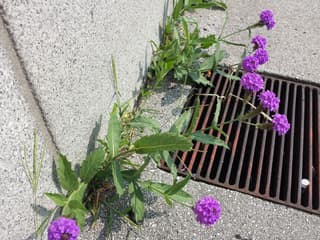
Slender Vervain
Verbena rigida
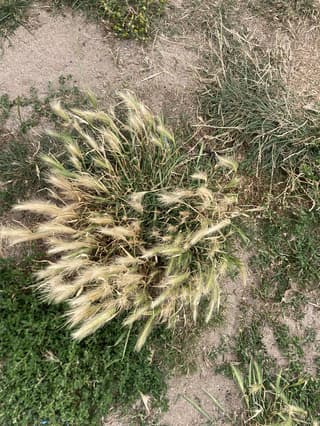
Wall barley
Hordeum murinum
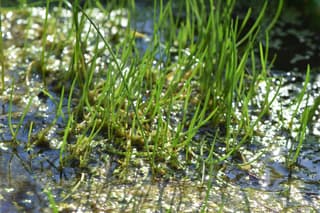
Shoreweed
Littorella uniflora
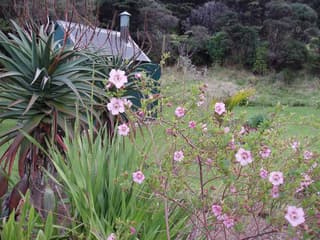
Cape Mallow
Anisodontea capensis
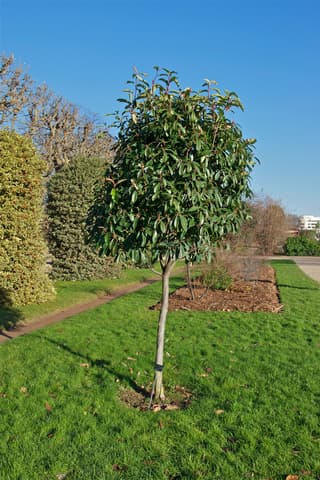
Chinese Photinia
Photinia serratifolia
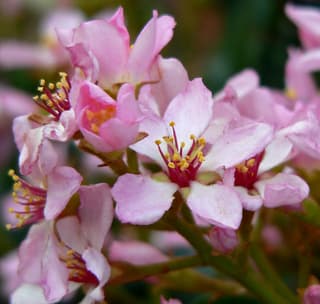
Indian Hawthorn
Rhaphiolepis
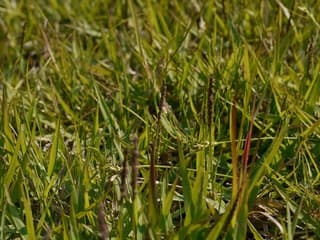
Zoysia Grass
Zoysia japonica

Field Maple
Acer campestre
Prescott Valley Climate for Plant Growing
Prescott Valley has a climate with an average annual temperature of 13.7°C and average relative humidity of 40.5%. These climate conditions are ideal for various species of ornamental and fruit plants.
Tips for Growing Plants in Prescott Valley
To succeed in growing plants in Prescott Valley, consider the average temperature of 13.7°C when choosing your species. Protect cold-sensitive plants during winter. Water more frequently due to low humidity.
Why Choose Plants Adapted to the Local Climate?
Plants adapted to Prescott Valley's climate require less care, consume less water, and are more likely to thrive. Our selection considers the compatibility between each species' needs and local climate conditions, including temperature (13.7°C) and humidity (40.5%).