500 Best Pet Safe for Stockton-on-Tees | 2026 Guide - Page 10
The 500 best pet safe to grow in Stockton-on-Tees. Ideal climate: 10.2°C, 81.2% humidity.
500 Pet Safe for Stockton-on-Tees
Showing 325-360 of 500
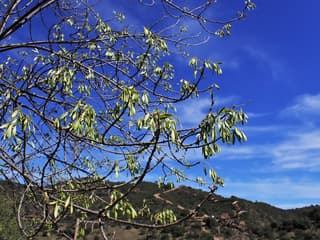
Narrow-leaved Ash
Fraxinus angustifolia
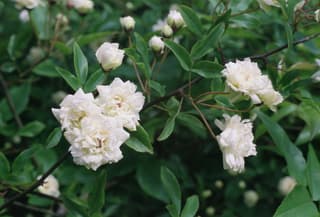
Lady Banks' Rose
Rosa banksiae
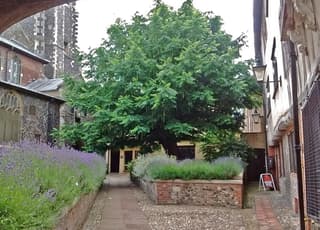
Caucasian Wingnut
Pterocarya fraxinifolia
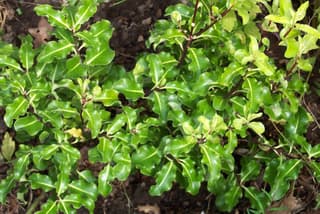
Kohuhu
Pittosporum tenuifolium
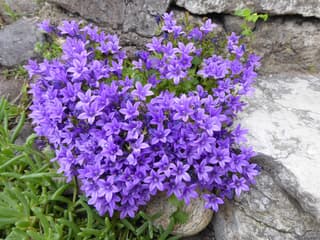
Dalmatian Bellflower
Campanula portenschlagiana
Speedwell
Veronica
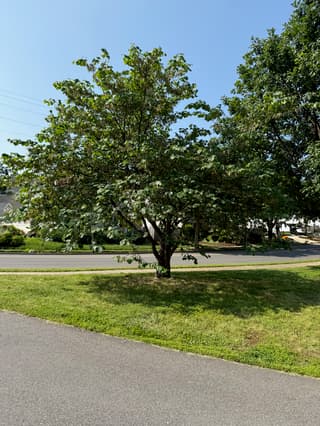
Eastern Redbud
Cercis canadensis
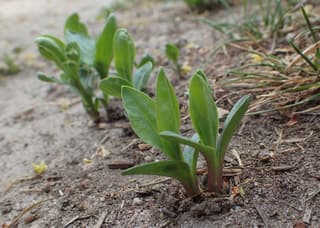
Soapwort
Saponaria officinalis
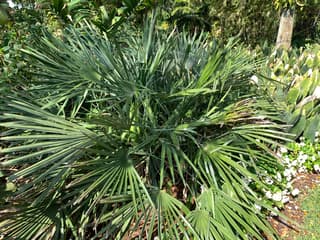
Needle Palm
Rhapidophyllum hystrix
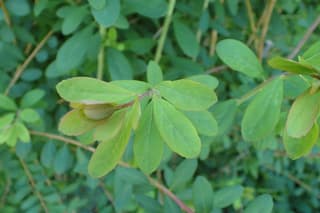
Japanese Spiraea
Spiraea japonica
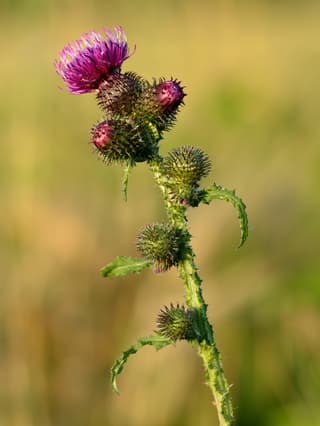
Thistle
Carduus
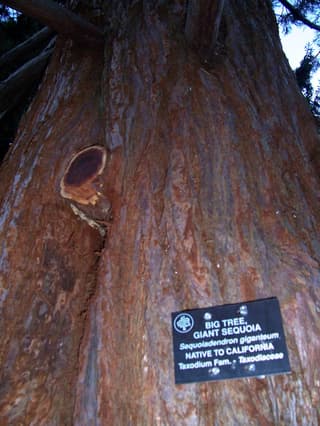
Giant Sequoia
Sequoiadendron giganteum
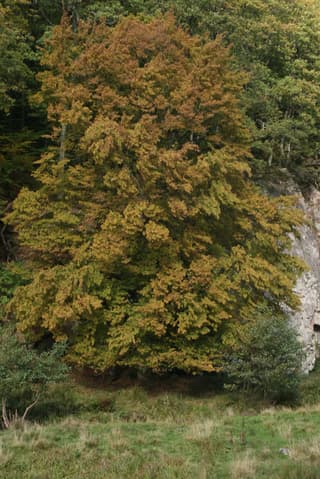
European Hornbeam
Carpinus betulus
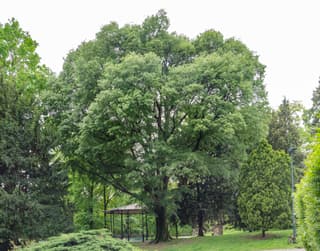
European Nettle Tree
Celtis australis
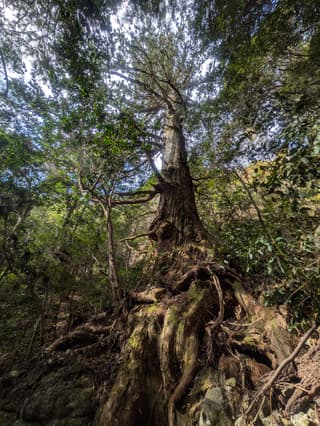
Japanese Cedar
Cryptomeria japonica
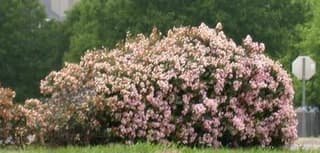
Indian Hawthorn
Rhaphiolepis indica
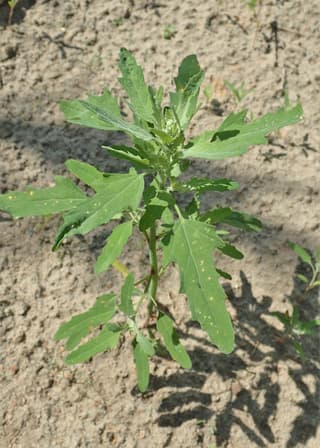
Fig-leaved Goosefoot
Chenopodium ficifolium
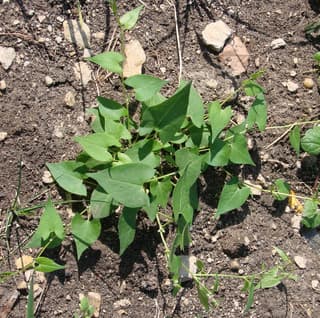
Black bindweed
Fallopia convolvulus
Cast Iron Plant
Aspidistra lurida
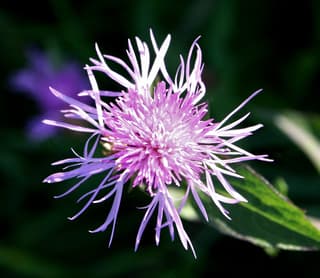
Tyrol Knapweed
Centaurea nigrescens
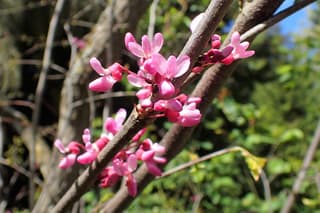
Chinese Redbud
Cercis chinensis
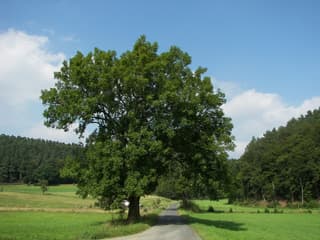
European Ash
Fraxinus excelsior
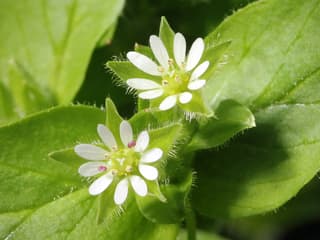
Chickweed
Stellaria media
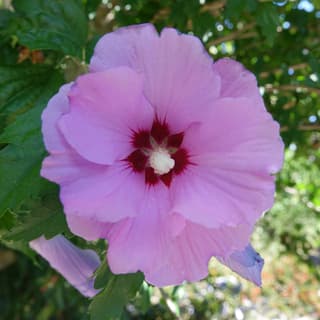
Rose of Sharon
Hibiscus syriacus
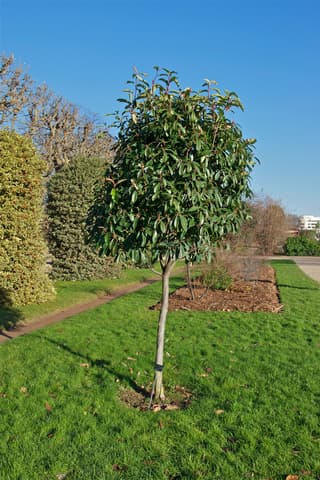
Chinese Photinia
Photinia serratifolia
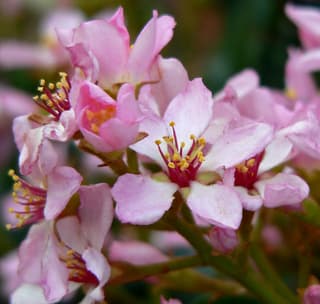
Indian Hawthorn
Rhaphiolepis
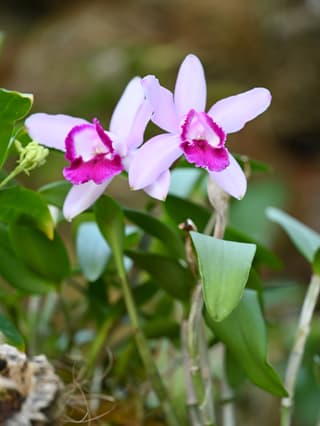
Easter Cattleya
Cattleya intermedia
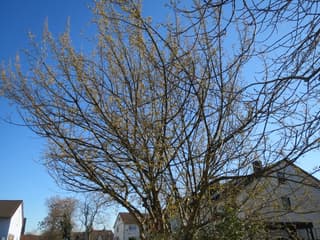
Cornelian Cherry
Cornus mas
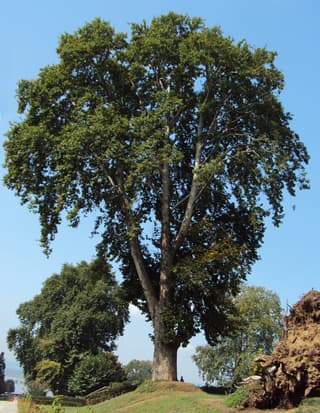
Oriental Plane
Platanus orientalis
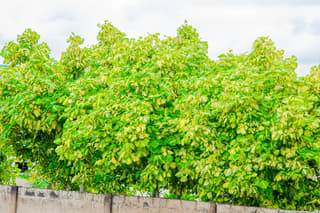
Southern Catalpa
Catalpa bignonioides
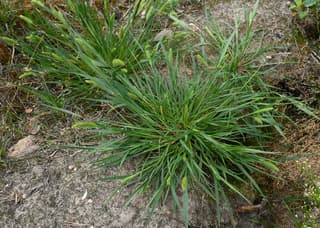
Green Foxtail
Setaria viridis
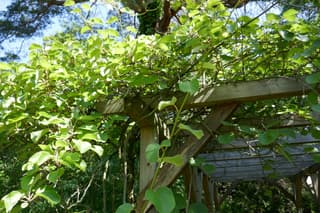
Golden Kiwifruit
Actinidia chinensis
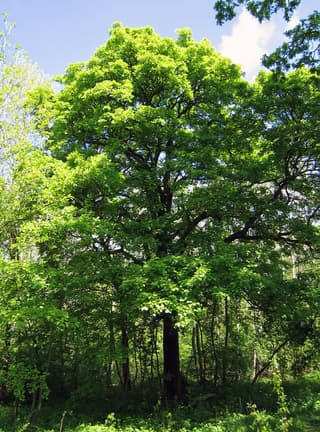
Wild Service Tree
Torminalis glaberrima
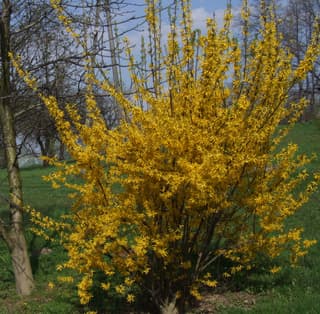
Border Forsythia
Forsythia x intermedia
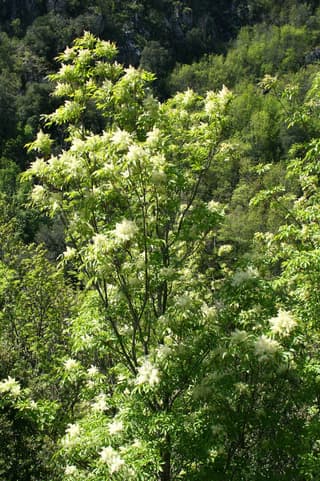
Manna Ash
Fraxinus ornus
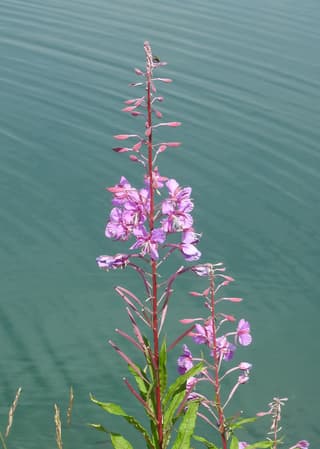
Willowherb / Fireweed (genus)
Epilobium
Ideal Pet Safe for Stockton-on-Tees's Climate
Stockton-on-Tees has an average temperature of 10.2°C and humidity of 81.2%, conditions that directly influence which pet safe best adapt to the local environment.
How to Grow Pet Safe in Stockton-on-Tees
To successfully grow pet safe in Stockton-on-Tees, consider that the average temperature of 10.2°C and humidity of 81.2% create a specific microclimate. High humidity favors tropical species, but requires attention to ventilation to prevent fungal issues.
Advantages of Choosing Adapted Pet Safe
Pet Safe adapted to Stockton-on-Tees's climate show greater resistance, healthy growth, and less need for interventions.