244 Hard Plants | 2026 Guide
Discover 244 hard plants for your garden. Complete care guide.
244 Hard Plants
Showing 1-36 of 244
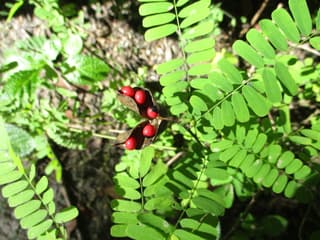
Rosary Pea
Abrus precatorius
The Rosary Pea (Abrus precatorius) is a perennial, woody climbing vine from the legume family (Fabaceae) that can reach heights of 6 to 10 meters. The alternate, pinnately compound leaves grow 5 to 15 cm long, while the small butterfly-like flowers appear in summer in shades of white, pink, to purple. The leathery pods contain 2 to 7 strikingly shiny, red-and-black colored seeds, which were traditionally used to make necklaces and rosaries. Originally likely native to India, the species is now widespread throughout the tropics as a neophyte. Warning: All parts of the plant, especially the seeds, contain the highly toxic abrin – even a single damaged seed coat can be fatal to humans and animals.
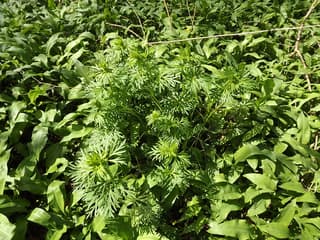
Monkshood
Aconitum napellus
Aconitum napellus is a perennial herbaceous plant native to western and central Europe, growing to 90–150 cm tall with erect stems and deeply palmate lobed leaves. It bears distinctive helmet-shaped flowers in deep blue-violet to purple hues on tall terminal spikes in mid to late summer. All parts of the plant contain highly potent alkaloids — primarily aconitine — making it one of the most poisonous plants in Europe; extreme caution is required in handling.
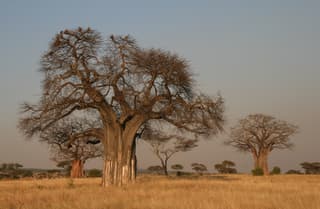
Baobab
Adansonia
Baobab (Adansonia) is a genus of iconic trees in the family Malvaceae, native to African savannas, Madagascar, and Australia. Known as the "Tree of Life," it stores thousands of liters of water in its massive swollen trunk, sustaining entire ecosystems during prolonged droughts. There are 8 species, all characterized by a colossal bottle-shaped trunk, wide spreading crown, and palmate leaves. Some specimens live over 1,000 years and are considered living natural monuments.
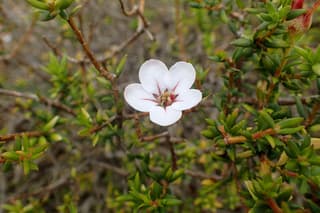
China Flower
Adenandra uniflora
Adenandra uniflora is a small evergreen shrub in the Rutaceae family, endemic to the fynbos of the southwestern Cape Province in South Africa. It forms a low, spreading bush, 10 to 45 cm high, with thin woody stems tinged with red. Its small dark green foliage releases an aromatic scent when crushed, typical of most Rutaceae. From mid-winter to spring (July to October in its native habitat), it is covered with large white five-petaled flowers, which have red buds before opening. These flowers have a porcelain-like appearance and are lightly scented. In the wild, it grows in sandy soils and among sandstone outcrops, often in recently burned areas. It is valued as an ornamental plant for rock gardens or containers.
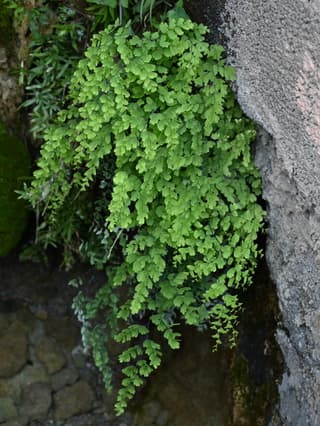
Maidenhair Fern (genus)
Adiantum
The Maidenhair Fern (genus Adiantum) is one of the most elegant and delicate ferns in cultivation, prized for its fine, fan-shaped leaflets borne on dark, wiry stems. With roughly 250 species distributed worldwide, the most popular indoors are A. capillus-veneris (Southern Maidenhair) and A. raddianum (Delta Maidenhair). It is notoriously demanding — high humidity and consistent moisture are non-negotiable.

Common Maidenhair Fern
Adiantum aethiopicum
Adiantum aethiopicum, commonly known as the common or bush maidenhair fern, is a small evergreen fern native to tropical and southern Africa, Madagascar, Australia, New Zealand and New Caledonia. Its delicate, fan-shaped leaflets are carried on thin, glossy, near-black stems that contrast beautifully with the bright green foliage. It spreads through creeping rhizomes, forming dense colonies in shaded, moist environments, whether in protected outdoor gardens or in pots indoors.
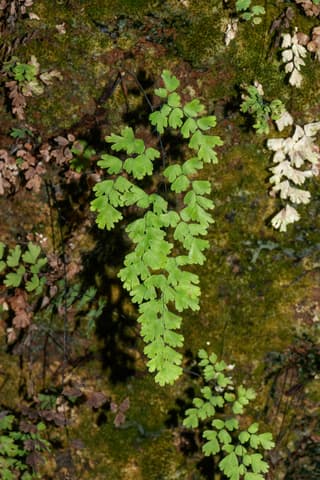
Maidenhair Fern
Adiantum capillus-veneris
Adiantum capillus-veneris, commonly known as the Maidenhair Fern, is one of the most elegant and delicate ferns in cultivation. Native to temperate and tropical regions worldwide, it features graceful, fan-shaped pinnae on black, wiry stems. Despite its ethereal beauty, it is notoriously demanding, requiring consistent moisture and high humidity to thrive. Its name derives from Latin, meaning "hair of Venus," reflecting its longstanding association with beauty and mythology.
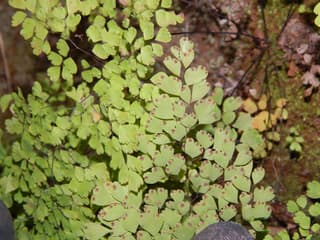
Delta Maidenhair Fern
Adiantum raddianum
Adiantum raddianum is a delicate and elegant fern native to South America, known for its fan-shaped fronds with triangular pinnules and shiny black stems. It is one of the most popular houseplants due to its ethereal and graceful appearance that brings freshness to any space.
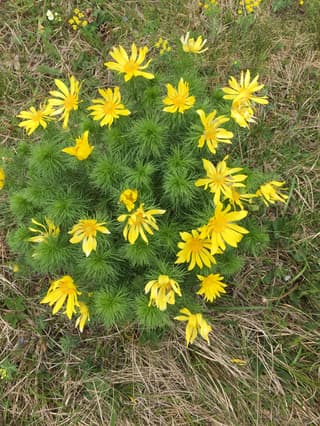
Pheasant's eye
Adonis vernalis
The Spring pheasant's eye (Adonis vernalis) is a perennial herbaceous plant in the Ranunculaceae family, native to the calcareous meadows and steppes of Central and Eastern Europe and Western Asia. It grows up to 40 cm in height, featuring fine, dill-like foliage and solitary, golden-yellow flowers, 6-8 cm in diameter, which appear in early spring between April and May. All parts of the plant contain potent cardiotonic glycosides (cymarin, adonitoxin) and are severely toxic if ingested.
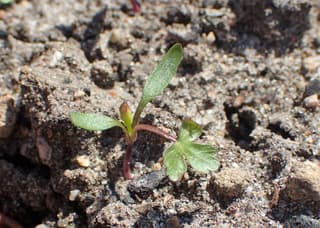
Fool's Parsley
Aethusa cynapium
Aethusa cynapium, commonly known as Fool's Parsley or Dog Poison, is a highly toxic annual herb in the family Apiaceae, native to Europe, western Asia, and northwest Africa. It closely resembles common parsley but is dangerous — all parts of the plant are poisonous when fresh, containing the alkaloid cynopine. It commonly grows as a weed in gardens and cultivated ground.
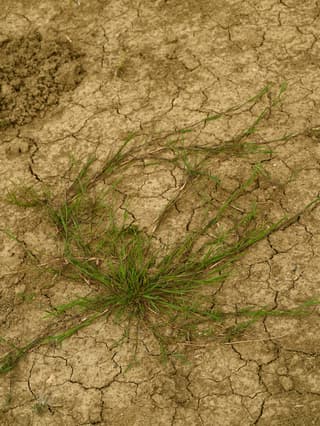
Creeping bentgrass
Agrostis stolonifera
Agrostis stolonifera, commonly known as creeping bentgrass, is a perennial cool-season grass native to temperate Europe and Asia. It is prized worldwide for producing extremely fine, dense turf through its creeping stolons that root at every node. Widely used on golf course putting greens, bowling greens, and elite sports fields, it demands intensive management but rewards with an unmatched carpet-like appearance.
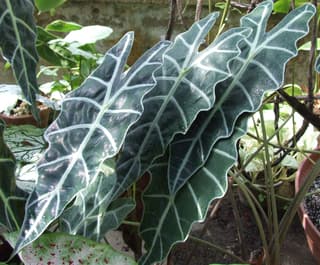
African Mask Plant
Alocasia amazonica
Alocasia amazonica is a stunning tropical hybrid known for its dramatic arrow-shaped leaves with bold white veining against deep green foliage and rich purple undersides. Despite its name suggesting Amazonian origins, it is actually a hybrid created in a Florida nursery in the 1950s from Southeast Asian parent species. This compact variety, often sold as "Polly," makes an excellent statement houseplant.
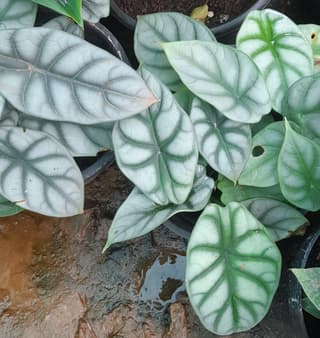
Dragon Scale Alocasia
Alocasia baginda
Alocasia baginda, commonly known as Dragon Scale, is a striking tropical houseplant native to the rainforests of Borneo. Its large, silver-green leaves feature a deeply textured, scale-like surface that mimics dragon skin, with dark green veins creating a dramatic contrast. Each leaf is thick and leathery, making it one of the most visually impressive aroids available to collectors.
Rugose Alocasia
Alocasia melo
Alocasia melo, commonly called the rugose alocasia, is a compact jewel Alocasia endemic to the ultramafic slopes of Sabah, Malaysian Borneo. It forms a low rosette of thick, nearly circular leaves with a deeply bumpy, wrinkled surface that resembles the rind of a cantaloupe melon, giving the species its name. The upper leaf surface is a deep bluish-green while the underside is pale and smooth. Unlike many thin-leaved aroids, its stiff, rugged foliage resists tearing and physical damage, but the short, fleshy corm beneath the soil is highly sensitive to overwatering and cold, soggy conditions. Grown as a houseplant for its sculptural texture, it demands bright indirect light, high humidity, and a chunky, fast-draining aroid mix to thrive.
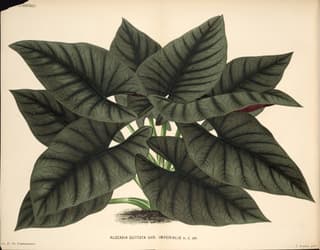
Alocasia Nebula
Alocasia nebula
Alocasia nebula is a highly coveted jewel aroid prized for its velvety, deeply corrugated leaves marked with silvery, cloud-like ('nebula') veining against a dark green backdrop. Part of the Alocasia longiloba complex from the tropical rainforests of Southeast Asia, it forms a compact clumping rosette from an underground corm, rarely exceeding 90 cm in cultivation. Its dramatic foliage and collector status make it a centerpiece for humidity-controlled terrariums and greenhouse cabinets.
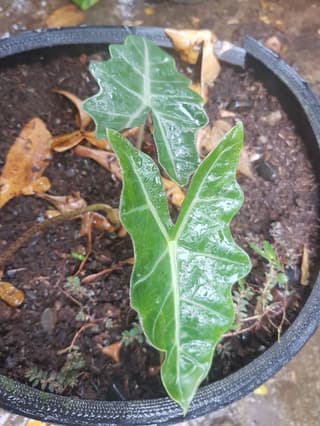
Kris Plant
Alocasia sanderiana
Alocasia sanderiana, commonly known as the Kris Plant or Sander's Alocasia, is a stunning tropical foliage plant native to the Philippines. It features dramatic arrow-shaped dark green leaves with silvery-white veins and wavy, serrated edges that resemble the blade of a Kris dagger — hence its popular name. Critically endangered in its natural rainforest habitat, it is prized as a collector's houseplant worldwide.
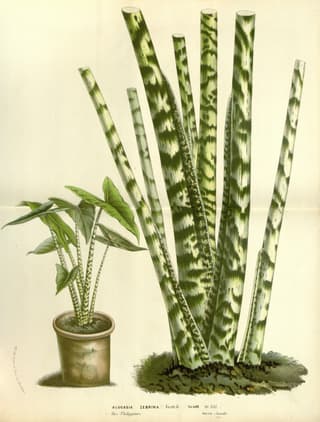
Zebra Plant
Alocasia zebrina
Alocasia zebrina is a striking tropical plant native to the Philippines, famous for its distinctive zebra-striped petioles (stems) that give it its common name. The plant features large, arrow-shaped green leaves held aloft on tall, dramatically patterned stems with dark green and cream-colored stripes. Unlike many Alocasias grown for their leaf patterns, A. zebrina is prized primarily for its unique stem markings. In its native habitat, it grows as an understory plant in tropical rainforests.
Yellow Patches
Amanita flavoconia
Amanita flavoconia, commonly known as Yellow Patches, is a mycorrhizal fungus characterized by its bright orange to yellow cap covered in small, yellow warty remnants of the universal veil. It is frequently found in broadleaf and coniferous forests across North America. Unlike plants, it lacks chlorophyll and lives in a symbiotic relationship with tree roots.
The Blusher
Amanita rubescens
Amanita rubescens, known as The Blusher, is a mycorrhizal fungus characterized by its flesh, which turns reddish or pinkish when damaged. The cap is typically reddish-brown to pale brown with small, grayish warts. It lives in symbiosis with both deciduous and coniferous trees.

Green-winged orchid
Anacamptis morio
Anacamptis morio, the green-winged orchid, is a tuberous terrestrial orchid native to Europe, North Africa and the Middle East. It grows in unimproved, nutrient-poor grassland and meadows, producing a short spike of purple-to-pink (occasionally white) helmet-shaped flowers marked with green veins in spring. The plant is dormant through summer, re-sprouting a basal leaf rosette in autumn, and depends entirely on symbiotic soil fungi to germinate and thrive.
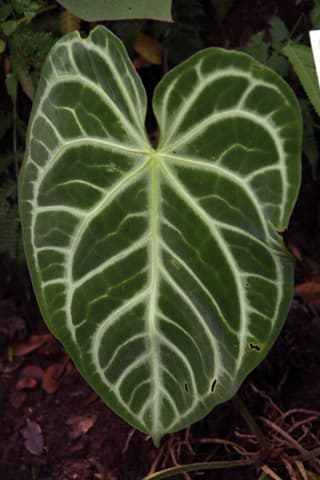
Crystal Anthurium
Anthurium crystallinum
The Crystal Anthurium (Anthurium crystallinum) is a tropical plant from the Araceae family, native to the rainforests of Colombia and Panama. Valued primarily for the exuberant beauty of its foliage, it is considered one of the most elegant indoor plants in the world. Its large, velvety, deep dark green leaves are adorned with extremely pronounced white and silvery veins that resemble crystals—giving rise to its common name. Under ideal conditions, the leaves can exceed 20 inches (50 cm) in length. It is a slow-growing plant that requires consistent care, especially regarding humidity and soil quality, but it generously rewards dedicated growers with a truly majestic presence.
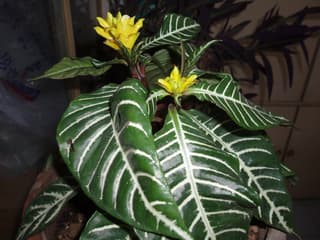
Zebra Plant
Aphelandra squarrosa
The Zebra Plant (Aphelandra squarrosa) is a tropical evergreen native to the Atlantic Forest of Brazil, belonging to the Acanthaceae family. It is prized for its dark green leaves with striking white veins resembling zebra stripes. It produces golden-yellow flower bracts shaped like spikes that last about six weeks, typically blooming in late summer to early fall.
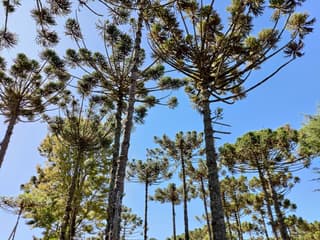
Parana Pine
Araucaria angustifolia
The Parana Pine (Araucaria angustifolia) is a majestic conifer native to the Atlantic Forest of southern Brazil, recognized for its distinctive candelabra-shaped crown and whorled branches. Listed as Critically Endangered by the IUCN due to extensive logging and deforestation, it can live for hundreds of years and grow up to 50 meters tall in the wild. Its seeds, known as pinhão, are a vital food source for wildlife and indigenous communities in southern Brazil.

Monkey Puzzle Tree
Araucaria araucana
Araucaria araucana, widely known as the monkey puzzle tree, is a large, slow-growing conifer native to the Andean forests of Chile and Argentina. It is a sacred tree for the Mapuche-Pehuenche people, whose traditional diet includes its edible seeds (piñones). With its striking spiral of sharp, triangular leaves, this ancient conifer can live for centuries and reach great heights in the wild.
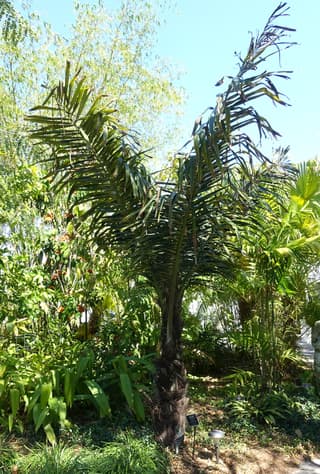
Sugar Palm
Arenga pinnata
The Sugar Palm (Arenga pinnata) is a majestic tropical palm native to Southeast Asia, particularly Malaysia and Indonesia. Its pinnate fronds can reach up to 8.5 meters long, making it one of the most dramatic palms in tropical horticulture. A hapaxanthic species, it flowers once over several years then dies. Beyond its ornamental value, it is one of the most economically important palms in the world, yielding sugar, wine, fiber, starch, and edible fruits.
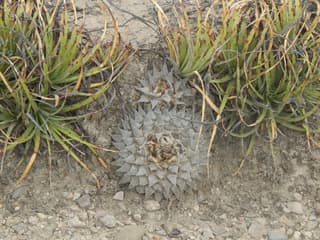
Living Rock Cactus
Ariocarpus
Ariocarpus is a genus of slow-growing, spineless cacti native to the limestone deserts of northern and central Mexico and southern Texas. Its thick, star-shaped tubercles are covered in a grey-brown, warty skin that mimics the surrounding rock and gravel almost perfectly, a camouflage strategy that protects it from grazing animals in the wild. Most of the plant body sits at or below soil level, anchored by a large taproot, with only the crown visible above ground. Woolly tufts of hair nestle between the tubercles, and in late summer or autumn mature plants produce showy white, pink, magenta, or purple daisy-like flowers from the center of the rosette.
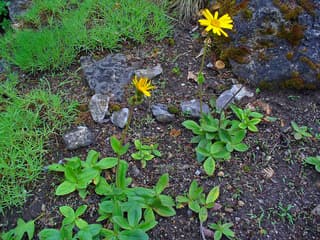
Arnica
Arnica montana
Arnica montana is a perennial herbaceous plant native to the mountainous regions of central and southern Europe, including the Alps, Pyrenees, and Carpathians. Revered for centuries in European folk medicine, it produces bright yellow, daisy-like flowers in summer. It is legally protected in several European countries due to overharvesting. The entire plant is toxic if ingested, but flower extracts are widely used in topical preparations to relieve bruising, muscle soreness, and inflammation.
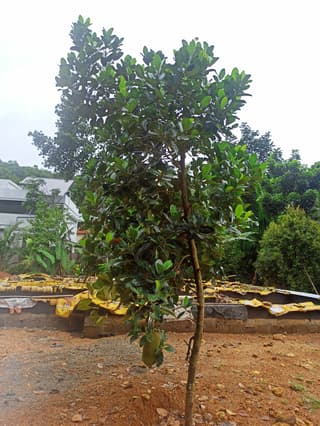
Jackfruit Tree
Artocarpus heterophyllus
Artocarpus heterophyllus, commonly known as the jackfruit tree, is a tropical fruit tree native to the Western Ghats of India. Belonging to the Moraceae family, it is renowned for bearing the largest tree-borne fruit in the world. It can grow up to 30 meters tall and thrives in tropical and subtropical climates across Asia, Africa, and the Americas.
Powdery Piggyback Mushroom
Asterophora lycoperdoides
Asterophora lycoperdoides is a fascinating mycoparasitic fungus that grows specifically on the decaying fruiting bodies of mushrooms from the Russula and Lactarius genera. It is characterized by a small cap, initially hemispherical and whitish, which soon becomes covered by a brown powdery mass of chlamydospores (asexual spores). It is a species with a very specific ecological niche, essential for the study of mycology and forest biodiversity.
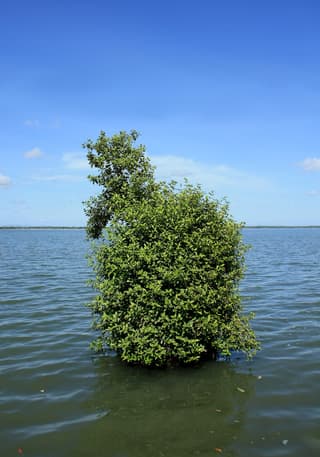
gray mangrove
Avicennia marina
Avicennia marina, the gray mangrove, is a salt-tolerant coastal tree native to the intertidal zones of the Indo-Pacific region, spanning East Africa, the Arabian Gulf, South and Southeast Asia, and Australasia. It grows as a shrub or tree from 3 to 14 meters tall, with smooth grey bark, leathery leaves that are glossy dark green above and silvery-grey below (dusted with excreted salt crystals), and small white to pale yellow flowers. Its most distinctive feature is a network of pencil-like breathing roots (pneumatophores) that rise from the mud to draw oxygen in waterlogged, anaerobic sediment. A pioneer species, it colonizes newly formed mudflats and produces viviparous propagules that germinate while still attached to the parent tree before dropping and rooting in the substrate. Extremely tolerant of salinity, tidal flooding and heat, it is rarely cultivated outside coastal restoration, aquaculture, and specialist paludarium or bonsai settings.
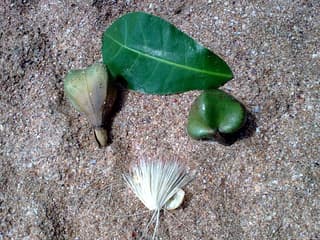
Sea Poison Tree
Barringtonia
Barringtonia is a genus of approximately 73 species of tropical evergreen trees and shrubs in the family Lecythidaceae. Native to coastal and freshwater habitats across Africa, South and Southeast Asia, Australia, and Pacific and Indian Ocean islands. Renowned for showy nocturnal, sweet-scented flowers on long pendulous racemes. The most famous species, B. asiatica (Sea Poison Tree), produces highly toxic seeds containing saponins, historically used by coastal communities to stun fish.
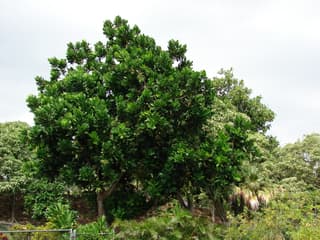
Fish Poison Tree
Barringtonia asiatica
Barringtonia asiatica, commonly known as the Fish Poison Tree or Sea Poison Tree, is a striking tropical tree native to the coastlines of the Indo-Pacific. Belonging to the family Lecythidaceae, it produces spectacular night-blooming flowers with white petals and long pink-tipped stamens, filling the air with fragrance. The large, pyramidal fruits are highly buoyant and have been known to float across entire oceans for up to 15 years. Despite its beauty, all parts of the plant are highly toxic due to the presence of saponins.
Scaly Stalked Puffball
Battarrea phalloides
Battarrea phalloides, commonly known as the Scaly Stalked Puffball, is a rare and distinctive gasteroid fungus. It is characterized by a tall, woody, and shaggy stalk that can reach up to 40cm, topped by a spore-bearing cap. Initially, the spore mass is covered by a volva, which ruptures to reveal a brownish gleba. It is typically found in dry, sandy soils, often in association with hedgerows or ancient trees. This species is a saprobic fungus, meaning it derives nutrients from decaying organic matter, and it is highly specialized to arid or semi-arid microhabitats.
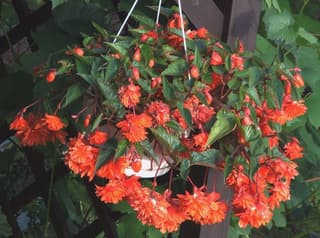
Tuberous Begonia
Begonia × tuberhybrida
Tuberous Begonia (Begonia × tuberhybrida) is a stunning ornamental hybrid with Andean ancestors, prized for its large, ruffled blooms in shades of white, pink, red, yellow, and orange. It is a deciduous plant that goes dormant in winter and re-emerges vigorously in spring. It demands careful attention to watering, humidity, and temperature.
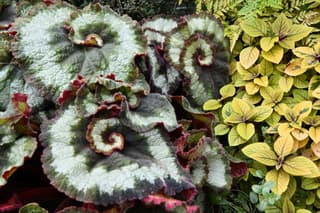
Rex Begonia
Begonia rex
Rex Begonia (Begonia rex) is a striking rhizomatous perennial native to the rocky, forested valleys and slopes of northeastern India. Prized for its spectacular foliage rather than flowers, the leaves display extraordinary patterns with combinations of silver, purple, pink, red, and green colors. The dramatic leaf textures and metallic sheens make it one of the most ornamental houseplants available.
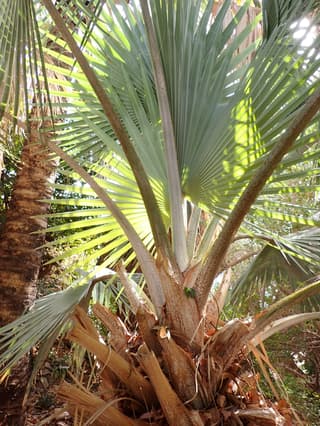
Bismarck Palm
Bismarckia nobilis
Bismarckia nobilis, commonly known as the Bismarck Palm, is one of the most majestic and sculptural palms in the world. Native to Madagascar, it stands out for its massive fan-shaped leaves with a unique silvery-blue hue. It is a slow-to-moderate growing plant that becomes the focal point of any garden due to its imposing stature and dense foliage.
What are Hard Plants?
Hard Plants are challenging and reward experienced gardeners. They require specific light, humidity, and temperature conditions, plus constant attention. Perfect for enthusiasts seeking a challenge.
Tips for Growing Hard Plants
For hard plants, success is in the details. Monitor air humidity, use filtered water when needed, maintain stable temperature, and be ready to adjust care as the plant responds.