2265 Easy Plants | 2026 Guide - Page 59
Discover 2265 easy plants for your garden. Complete care guide.
2265 Easy Plants
Showing 2089-2124 of 2265
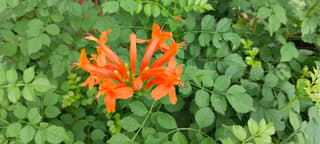
Cape Honeysuckle
Tecoma capensis
Cape Honeysuckle (Tecoma capensis) is an evergreen, scrambling shrub native to southern Africa, prized for its clusters of orange, tubular flowers. Fast-growing and adaptable, it can be trained as a hedge, espalier, or climbing vine, blooming mainly from fall through spring and attracting hummingbirds and butterflies.
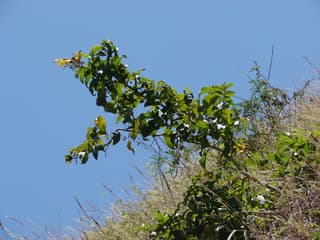
Yellow Bells
Tecoma stans
Tecoma stans, commonly known as Yellow Bells or Yellow Trumpetbush, is a fast-growing shrub or small tree native to the Americas, from Mexico to Argentina. It is celebrated for its stunning clusters of bright yellow, trumpet-shaped flowers that bloom from spring through fall, attracting hummingbirds, butterflies, and bees. Highly drought-tolerant and low-maintenance, it thrives in warm, sunny gardens and is considered a symbol of vitality and abundance across Latin America.
Verschaffelt Tephrocactus
Tephrocactus verschaffeltii
Tephrocactus verschaffeltii is a captivating segmented cactus native to the arid regions of Argentina and Bolivia. Its oval segments display colors ranging from mint green to plum purple, adorned with distinctive white fluffy areoles. In spring and summer, it produces vibrant fire-red to orange blooms that make it a striking collector's piece. A slow-growing species, it is well-suited for rock gardens, desert landscapes, and container growing.
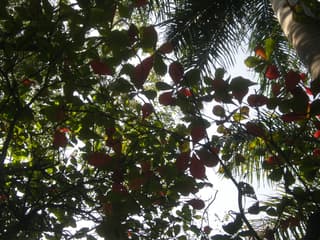
Tropical Almond
Terminalia
Terminalia is a genus of approximately 100 species of large tropical and subtropical trees in the family Combretaceae, found across coastal and inland tropical regions worldwide. Notable species include T. catappa (Tropical Almond), T. mantaly (Madagascar Umbrella Tree), and T. arjuna (Arjuna Tree), revered in Ayurvedic medicine. These fast-growing trees are valued for their generous shade, attractive layered branching, durable timber, and the wide-ranging medicinal properties of their leaves and fruit.
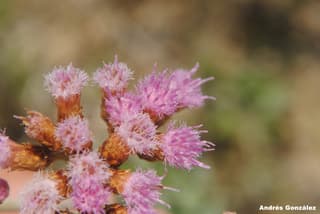
Pájaro bobo
Tessaria absinthioides
The Pájaro bobo (Tessaria absinthioides) is a perennial shrub in the Asteraceae family, native to riverbanks and brackish soils from southern Peru and Bolivia to northern and central Chile, Argentina, Paraguay, and Uruguay. Featuring grayish-green foliage with a pubescent appearance, it reaches up to 2-3 meters in height, with elongated leaves and serrated edges. Its flower heads, grouped in terminal corymbs, display marginal flowers ranging from pale to deep pink between December and March. It is a pioneer species with extremely high adaptive capacity: it colonizes sandy, arid, waterlogged, or saline soils alike, and in the Atacama Desert, it survives by obtaining moisture almost exclusively from coastal fog (camanchaca).
Ginger Bush
Tetradenia riparia
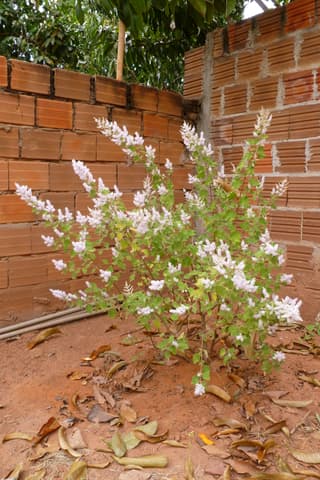
Tetradenia riparia, commonly known as the Ginger Bush or Nutmeg Bush, is a vigorous shrub native to Southern Africa. It is famous for its spectacular winter flowering, when it is covered in delicate, feathery inflorescences. Its leaves are heart-shaped, velvety, and extremely aromatic, releasing a resinous scent reminiscent of a blend of ginger and spices when touched.
New Zealand Spinach
Tetragonia tetragonoides
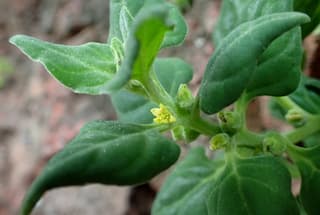
Tetragonia tetragonoides, commonly known as New Zealand Spinach or Warrigal Greens, is a fast-growing, heat-tolerant leafy vegetable native to New Zealand, Australia, and East Asia. Unlike common spinach, it thrives in hot summers and is highly drought-tolerant once established, making it an ideal warm-season green. Its succulent, arrow-shaped leaves are used as a spinach substitute and are valued for their nutritional content.
Rice Paper Plant
Tetrapanax papyrifer
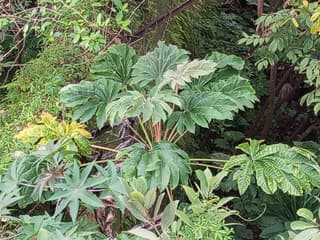
Tetrapanax papyrifer is a bold, architectural shrub native to Taiwan and southern China, celebrated for its enormous, deeply lobed, grey-green leaves that can reach over 60 cm across. It grows vigorously via underground suckers, creating dramatic tropical-looking colonies in gardens. The plant has been cultivated for centuries, with its pith traditionally used to make Chinese rice paper.
Germander
Teucrium
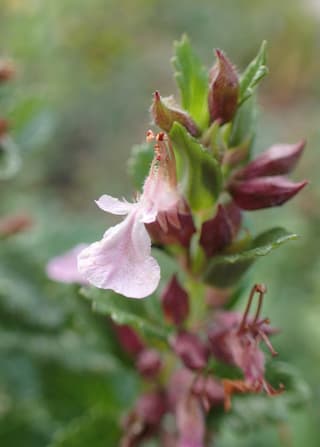
Teucrium is a genus of aromatic sub-shrubs in the mint family (Lamiaceae), native to the Mediterranean region. Its most widely cultivated species, wall germander (Teucrium chamaedrys) and tree germander (Teucrium fruticans), are prized for evergreen foliage, delicate flowers, and excellent drought tolerance, making them popular for low hedges, edging, and xeriscape gardens.

Columbine meadow-rue
Thalictrum aquilegiifolium
Thalictrum aquilegiifolium (Columbine meadow-rue) is a tall, hardy perennial in the buttercup family, featuring delicate, aquilegia-like blue-green foliage and fluffy plumes of purple to pink—sometimes white—staminate flowers in early summer. It provides an airy and elegant element to semi-shaded borders and works beautifully positioned behind lower-growing plants.
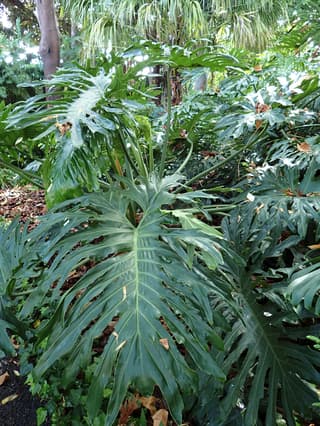
Tree Philodendron
Thaumatophyllum
Thaumatophyllum is a genus of about 20 tropical plants in the family Araceae, native to tropical South America. Formerly classified as Philodendron subgenus Meconostigma, these plants are known for their large, deeply lobed, dramatic foliage. Notable species include T. bipinnatifidum (split-leaf philodendron / selloum), T. xanadu, and T. spruceanum. They can reach up to 2.5 m tall indoors and make bold architectural statements in spacious interiors or tropical gardens.
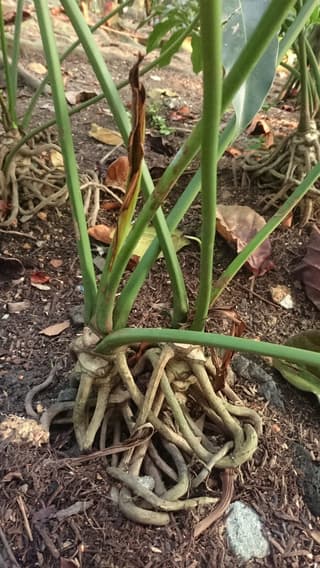
Philodendron Goeldii
Thaumatophyllum spruceanum
Philodendron Goeldii (Thaumatophyllum spruceanum, formerly Philodendron spruceanum) is an aroid native to the Amazon rainforest, found in Brazil, Colombia, Ecuador, French Guiana, Peru, Suriname and Venezuela. It grows either as a terrestrial shrub in sandy soil along riverbanks or as a hemiepiphyte climbing larger forest trees. Its foliage is highly distinctive: each leaf is pedately divided into 10-20 leaflets arranged in a hoop-like shape, with the central leaflet reaching up to 50 cm. The plant is toxic, containing calcium oxalate crystals in nearly all its tissues (except the ripe fruit), which can irritate the mouth and throat of humans and pets if chewed or ingested.
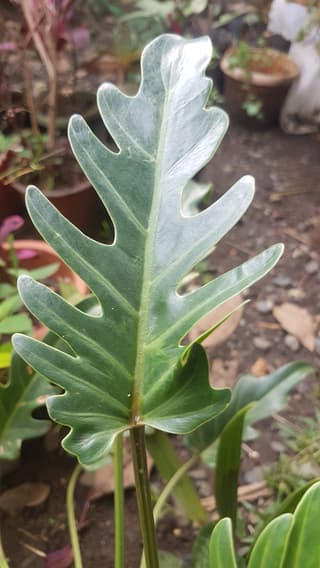
Xanadu Philodendron
Thaumatophyllum xanadu
Thaumatophyllum xanadu, commonly known as Xanadu Philodendron or Winterbourn, is a tropical plant native to Brazil. It forms compact, bushy clumps with deeply lobed, glossy leaves that give it a lush, jungle-like appearance. The synonym Philodendron xanadu is still widely used in horticulture. One of the most popular plants for both indoor and outdoor tropical gardens.
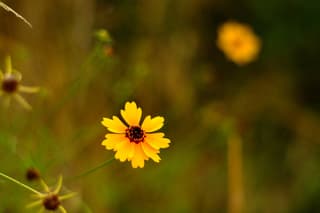
Stiff Greenthread
Thelesperma filifolium
Thelesperma filifolium, commonly known as stiff greenthread, is a drought-tolerant wildflower native to the Great Plains and prairies of North America, from Texas to the Dakotas. It forms slender, branching stems with thread-like foliage topped by cheerful golden-yellow daisy-like flowers with reddish-brown centers. A winter annual or short-lived perennial, it thrives in dry, sandy, or gravelly soils and full sun, making it a favorite for native wildflower meadows and pollinator gardens.
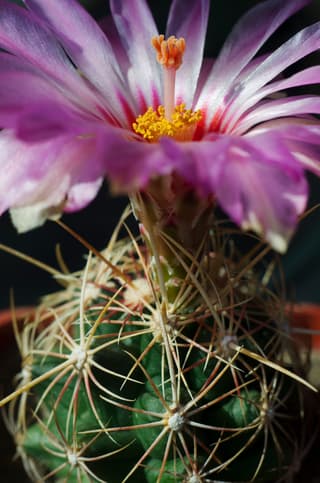
Thelocactus
Thelocactus
Thelocactus is a genus of about 13 species of globose to short cylindrical cacti that grow wild in the arid regions of central and northern Mexico as well as in the Big Bend region of Texas. The plants are characterized by prominent, often spiraling ribs set with distinct tubercles and star-shaped spine clusters in colors ranging from white and golden to reddish-brown. In spring and summer, large, funnel-shaped flowers bloom from the plant's apex in shades of white, yellow, pink, and purple – often nearly as wide as the plant itself.

Portia Tree
Thespesia populnea
The Portia tree (Thespesia populnea) is an evergreen tree in the Malvaceae family, common in tropical coastlines worldwide. It features heart-shaped leaves and yellowish flowers with a maroon center that transition to shades of purple throughout the day. Highly resistant to wind, salt, and drought, it is widely planted along shorelines and as a shade tree. Its wood is valued for woodworking, and the species has various uses in traditional medicine.
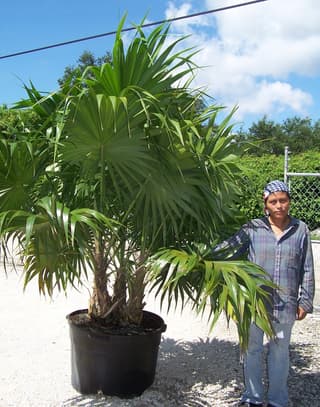
Florida thatch palm
Thrinax radiata
The Florida thatch palm (Thrinax radiata) is a species in the Arecaceae family, native to the Florida Keys, the Yucatán Peninsula, the Caribbean, and Central America. It is a solitary, slender-trunked palm, without a crownshaft, that can reach between 6 and 9 meters in height, although it grows very slowly. Its leaves are palmate (fan-shaped), bright green on the upper side and silvery on the underside. It produces white inflorescences that can bloom year-round, followed by small white fruits. It inhabits coastal scrublands and calcareous soils, which makes it very tolerant to salinity and drought. In Florida, it is listed as an endangered species in the wild.
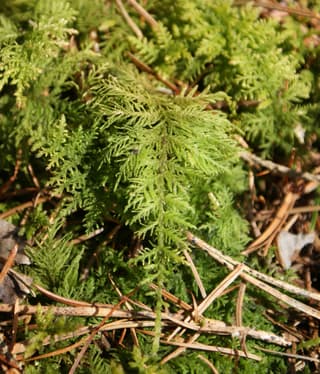
Common Tamarisk Moss
Thuidium tamariscinum
Thuidium tamariscinum, commonly known as Common Tamarisk Moss, is a feathery, evergreen bryophyte that forms lush, bright-green mats on forest floors, rocks, and fallen logs. Native to Europe and now widespread across temperate regions worldwide, it does not flower and reproduces via spores. It thrives in shaded, humid environments and is ideal for terrariums, shade gardens, and natural ground cover.
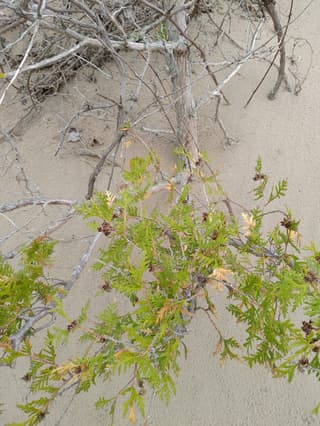
Eastern Arborvitae
Thuja occidentalis
Thuja occidentalis, commonly known as Eastern Arborvitae or Northern White Cedar, is an evergreen conifer native to eastern North America. It grows in a dense pyramidal form, reaching up to 18 meters in the wild. Scale-like foliage releases a characteristic aromatic scent when crushed. WARNING: foliage and essential oil contain thujone, a toxic compound if ingested by humans, cats, or dogs.
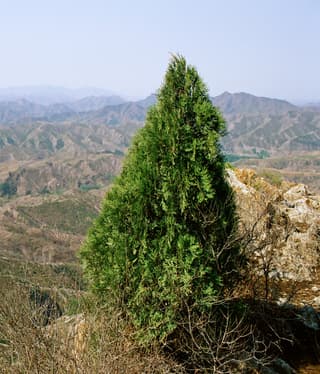
Oriental Arborvitae
Thuja orientalis
Oriental Arborvitae (Thuja orientalis, accepted name Platycladus orientalis) is an evergreen conifer native to northeastern Asia, particularly China and Korea. It forms a naturally pyramidal or egg-shaped silhouette with distinctive vertical, flat, scale-like foliage arranged in book-like planes. Widely used as a hedge, windbreak, specimen tree, and popular bonsai subject, it has been cultivated in Chinese gardens and near temples for centuries due to its association with longevity and resilience.
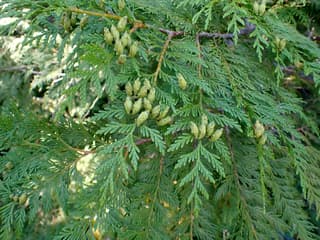
Western Red Cedar
Thuja plicata
The Western Red Cedar (Thuja plicata) is an impressive evergreen coniferous tree in the cypress family (Cupressaceae), native to the Pacific Northwest of North America—from southeastern Alaska to northern California. In its natural habitat, it can reach heights of up to 60 meters and live for over a thousand years. Flat, fan-like branchlets are covered with aromatic, scale-like leaves that have an intense scent reminiscent of pineapple. The wood is lightweight, soft, exceptionally durable, and rot-resistant, which for centuries made it one of the most valuable building and crafting materials for the indigenous peoples of the Northwest Coast. For many Salish tribes and other indigenous groups, the Western Red Cedar is the 'Tree of Life'—a symbol of strength, longevity, and renewal. It is the official provincial tree of British Columbia.
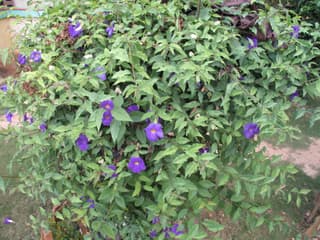
Bush Clockvine
Thunbergia erecta
Thunbergia erecta, commonly known as Bush Clockvine or King's Mantle, is a fast-growing evergreen shrub native to West Africa. It produces stunning deep purple to blue tubular flowers with creamy yellow throats throughout summer and fall, making it a prized ornamental in tropical and subtropical gardens.

Blue Trumpet Vine
Thunbergia grandiflora
Thunbergia grandiflora, commonly known as the Blue Trumpet Vine or Sky Vine, is a vigorous, woody-stemmed evergreen climber native to India and Southeast Asia. It produces an abundance of large, trumpet-shaped lavender-blue flowers with pale yellow or white throats, blooming from summer through fall and year-round in tropical climates. Its heart-shaped, velvety dark green leaves and fast-growing twining stems make it a spectacular choice for covering fences, trellises, arbors, and pergolas.

Laurel Clockvine
Thunbergia laurifolia
Thunbergia laurifolia is a vigorous, evergreen climbing vine native to the Indomalayan region (India, Thailand, and Malaysia), prized for its glossy, laurel-like leaves and pale blue to lavender trumpet-shaped flowers with a creamy-yellow throat. It grows rapidly, often covering trellises, fences, and pergolas within a single season, and blooms nearly year-round in warm climates. In Southeast Asian traditional medicine, its leaves are used to make a detoxifying herbal tea (rang jeud). Because of its fast growth and tuberous root system, it has become an invasive weed in parts of Brazil, Australia, and other tropical regions, so it should be planted with care and contained.
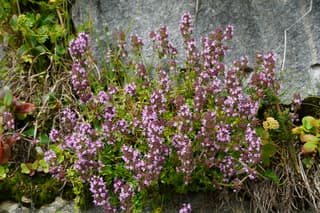
Thyme
Thymus
Thyme (Thymus) is a genus of approximately 350 species of aromatic perennial herbs and subshrubs in the family Lamiaceae, native to the Mediterranean region, North Africa, and southwestern Asia. These low-growing woody plants feature tiny aromatic leaves and small tubular flowers in pink, lavender, or white. Widely grown as a culinary, medicinal, and ornamental herb, thyme is a cornerstone of Mediterranean cuisine and herbal medicine.
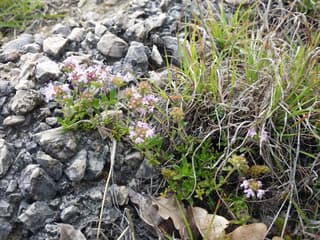
Mediterranean Thyme
Thymus longicaulis
Thymus longicaulis, also known as Mediterranean thyme or long-stemmed thyme, is a low-growing, mat-forming perennial herb from the Lamiaceae family. The plant is native to southern Europe and grows naturally on dry, rocky slopes and in Mediterranean scrubland. It forms dense, prostrate mats with sparse, twig-like stems that can reach up to 4 inches (10 cm) in height and spread up to 16 inches (40 cm) wide. The leaves are lanceolate, dark green, and aromatic. In spring and summer, the plant produces clusters of pale pink flowers that attract bees and other pollinators. Like all thyme species, Thymus longicaulis contains essential oils with antibacterial and antifungal properties.
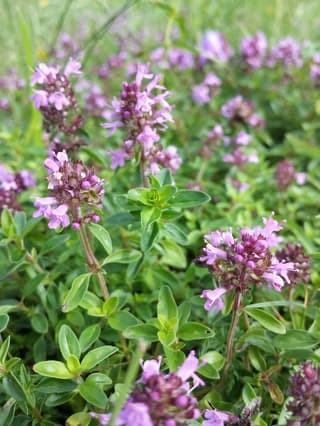
Broad-leaved Thyme
Thymus pulegioides
Thymus pulegioides is a low, mound-forming evergreen sub-shrub in the mint family (Lamiaceae), native to Europe. It has broader, more rounded leaves than common thyme, often marked with reddish tints, and produces clusters of small rose-purple to pale lilac flowers in summer. It is prized as a culinary herb, groundcover, and pollinator-friendly garden plant.
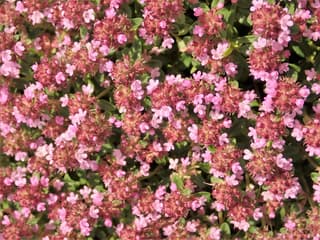
Wild Thyme
Thymus serpyllum
Wild Thyme (Thymus serpyllum) is a low-growing, creeping perennial herb from the Lamiaceae family, native to Europe and Western Asia. The plant forms dense, aromatic mats of small, dark glossy leaves and is covered in tiny purple-pink flowers in summer. It thrives in full sun, lean, well-draining soils, and is extremely drought-tolerant and hardy down to -15°C. Thymus serpyllum has a long history as a medicinal and culinary herb and is closely associated with symbols of courage and love.
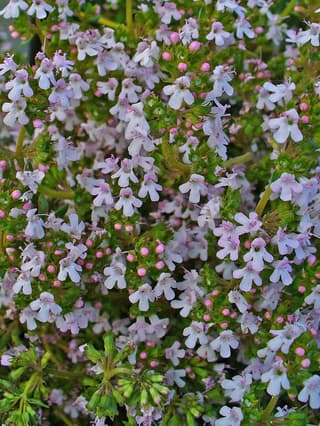
Common Thyme
Thymus vulgaris
Thymus vulgaris, commonly known as common thyme or garden thyme, is a fragrant evergreen herb native to the Mediterranean region. A member of the Lamiaceae (mint) family, this small woody-stemmed perennial has been cultivated for thousands of years for its culinary, medicinal, and ornamental virtues. It produces tiny aromatic leaves and delicate pink to purple flowers that attract pollinators.
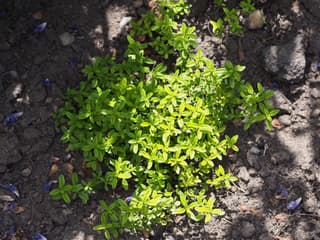
Lemon thyme
Thymus x citriodorus
Lemon thyme is a woody-based perennial subshrub that is primarily grown as a culinary herb for its intense lemon-scented foliage. It forms a low, spreading mat of tiny, oval, dark green leaves that may be variegated with gold or silver depending on the cultivar. During the summer, it produces small, nectar-rich lavender to pink flowers that are highly attractive to pollinators like bees and butterflies.
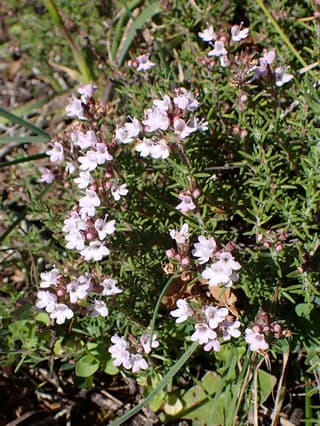
Spanish Thyme
Thymus zygis
Thymus zygis, commonly known as Spanish thyme or white thyme, is a perennial aromatic subshrub native to the Iberian Peninsula, belonging to the Lamiaceae family. It thrives in poor, sandy, and rocky soils, typically alkaline, adapted to the Mediterranean climate of hot, dry summers and mild winters. Its small, linear leaves are rich in essential oil (thymol, carvacrol, linalool), giving it an intense, characteristic aroma that makes it widely cultivated for both culinary and medicinal purposes. It flowers from May to July, producing small tubular pink, lilac, or white flowers clustered in dense inflorescences at the top of the stems, highly attractive to bees and other pollinators.

Tiger grass
Thysanolaena latifolia
Tiger grass (Thysanolaena latifolia) is a vigorous perennial grass from the Poaceae family, native to the tropical and subtropical regions of Asia. It forms dense clumps up to 3 meters tall, featuring broad bamboo-like leaves and large feathery panicles at the end of the season. It is widely used as a hedge and specimen plant in gardens, and its panicles are traditionally tied together to make brooms.
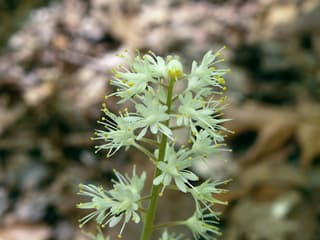
Foamflower
Tiarella cordifolia
Tiarella cordifolia, commonly known as foamflower, is a low-growing herbaceous perennial native to the woodlands of eastern North America, from Nova Scotia south through the Appalachian Mountains to Alabama. It forms a dense mat of heart-shaped, hairy-stalked leaves that often display attractive burgundy veining and takes on a bronze-red hue in cooler months. In mid to late spring, upright flower spikes rise above the foliage, covered in tiny, star-shaped white or pale pink blossoms that give the plant its foamy, frothy appearance. Foamflower spreads slowly by rhizomes and stolons, making it a popular choice for woodland gardens, shaded borders, and as a naturalizing ground cover beneath trees and shrubs.

Common lime
Tilia × europaea
The Common lime (Tilia x europaea) is a large, deciduous hybrid between the large-leaved lime and the small-leaved lime. This stately tree can reach heights of up to 35 meters and features a broad, dome-shaped canopy of heart-shaped leaves. In July, the tree bears clusters of small, yellowish flowers with a sweet, honey-like fragrance that attracts bees and other insects. Traditionally, the lime tree has been widely planted in the Netherlands along avenues, in squares, and as a village tree, symbolizing community and protection.

Large-leaved Lime
Tilia platyphyllos
The large-leaved lime (Tilia platyphyllos) is a large deciduous tree native to Europe, in the family Malvaceae. It grows up to 25 m tall with a dense, pyramidal crown. Its fragrant pale-yellow flowers, highly attractive to bees, are traditionally harvested to brew linden tea.
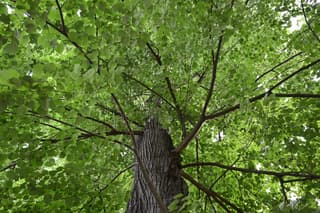
Silver Linden
Tilia tomentosa
Silver Linden (Tilia tomentosa) is a large deciduous shade tree native to southeastern Europe and western Asia, including Albania, Bulgaria, Greece, Hungary, Romania, and Turkey. A member of the Malvaceae family, it is widely planted as a street, park, and specimen tree thanks to its dense, broad-pyramidal canopy and outstanding tolerance of urban pollution, heat, and road salt. Its heart-shaped leaves are dark green above and covered with a fine silvery-white down beneath, creating a shimmering effect when stirred by the wind — the source of its common name. From late spring into summer the tree produces hanging clusters of small, creamy-yellow, intensely fragrant, nectar-rich flowers that are highly attractive to bees and other pollinators. It typically reaches 50-70 ft (15-21 m) tall, occasionally up to 100 ft (30 m), with a spread of 30-50 ft (9-15 m), and grows at a rapid rate.
What are Easy Plants?
Easy Plants are ideal for beginners or people with little time for care. These species are tolerant of watering mistakes, light variations, and don't require constant attention. Perfect for those just starting out with plants.
Tips for Growing Easy Plants
To succeed with easy plants, remember: less is more. Avoid overwatering, choose a spot with adequate light, and let the soil dry between waterings. Most of these plants prefer to be 'forgotten' occasionally.