Complete Plant Guide
Explore plants by difficulty, season and more. Find the perfect plant for you.
Difficulty
Categories
Plants by City
🗺️ Plants by City3454 plants found
Showing 577-612 of 3454
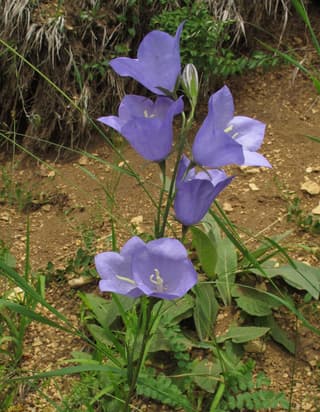
Peach-leaved Bellflower
Campanula persicifolia
Campanula persicifolia, the peach-leaved bellflower, is a hardy herbaceous perennial native to the alpine and woodland regions of Europe. It forms low rosettes of narrow, peach-tree-like leaves and sends up slender, upright stems bearing open, bell-shaped flowers in shades of blue-violet or white from early to midsummer. Easy to grow and largely untroubled by pests or disease, it is a cottage-garden classic prized for borders, rock gardens, and cut-flower arrangements.
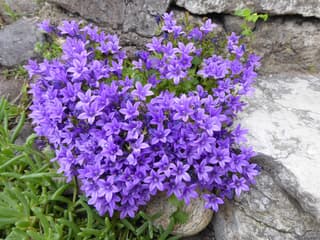
Dalmatian Bellflower
Campanula portenschlagiana
Campanula portenschlagiana, commonly known as the Dalmatian bellflower or wall bellflower, is a low-growing evergreen perennial native to the Dalmatian mountains of Croatia. It forms dense mats of heart-shaped leaves smothered in starry, funnel-shaped purple-blue bell flowers throughout summer. Extremely vigorous and hardy, it thrives in rock gardens, walls, and as ground cover, earning the Royal Horticultural Society Award of Garden Merit.
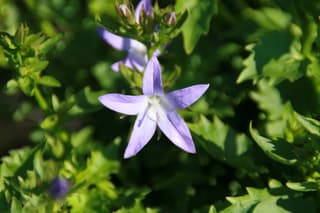
Serbian Bellflower
Campanula poscharskyana
Campanula poscharskyana, commonly known as the Serbian Bellflower, is a low-growing, spreading perennial native to the Dinaric Alps of Serbia and the western Balkans. It produces masses of star-shaped, lavender-blue to violet flowers from late spring through fall, making it one of the most prolific and reliable flowering ground covers for gardens. It thrives in rocky crevices, walls, and slopes, spreading readily via adventitious roots. Its deer resistance, drought tolerance once established, and adaptability to various light conditions make it a favourite in rock gardens, borders, and hanging baskets.
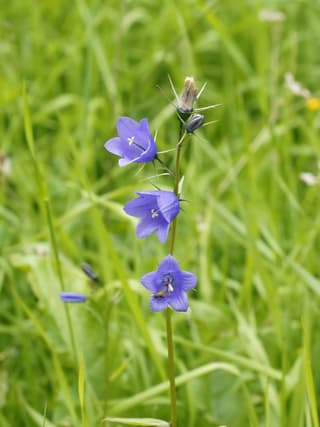
Harebell
Campanula rotundifolia
Campanula rotundifolia, commonly known as Harebell or Scottish Bluebell, is a delicate perennial wildflower native to Europe and North America. It produces charming nodding bell-shaped flowers in shades of violet-blue, blooming from summer through fall. This hardy plant thrives in rocky gardens, meadows, and grassy slopes with minimal care.
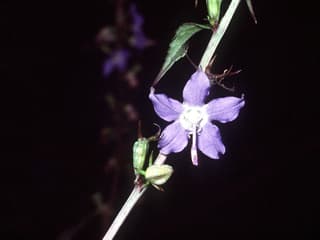
Tall Bellflower
Campanulastrum americanum
Campanulastrum americanum, commonly called tall bellflower or American bellflower, is an erect annual or biennial wildflower native to moist, partly shaded woodlands, meadows, streambanks, and ditches across eastern and central North America. It grows on a single unbranched, light-green stem that can reach 3-6 ft (90-180 cm), lined with rough-textured, toothed, lance-to-egg-shaped leaves. From June through August it produces open, star-shaped, five-lobed flowers about 1 in. across in light-to-dark violet-blue with a white throat ring, borne solitary or clustered in the leaf axils. The flowers have a distinctive curved style that helps ensure cross-pollination by long-tongued bees, bumblebees, and hummingbirds. It self-seeds readily, and depending on when seedlings germinate it behaves as an annual or as a biennial that overwinters as a basal rosette.
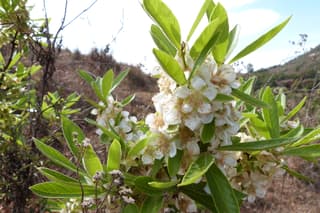
Guabiroba
Campomanesia pubescens
Guabiroba (Campomanesia pubescens) is a native shrub of the Brazilian Cerrado savanna, belonging to the Myrtaceae family. It features twisted branches, simple leathery leaves, and fragrant white flowers that bloom in spring. Its small yellow fruits, resembling miniature guavas, are treasured by local wildlife and harvested for fresh eating and artisanal preparations.
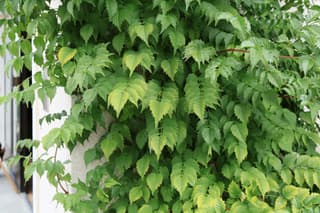
Trumpet Vine
Campsis × tagliabuana
Campsis × tagliabuana is a vigorous, deciduous flowering vine born from a cross between Campsis radicans and Campsis grandiflora, first bred in Italy by the Tagliabue brothers. It climbs by aerial rootlets and produces large clusters of trumpet-shaped, salmon-to-orange-red flowers from midsummer through late summer, making it a favorite for covering pergolas, fences, and walls while attracting hummingbirds and pollinators.
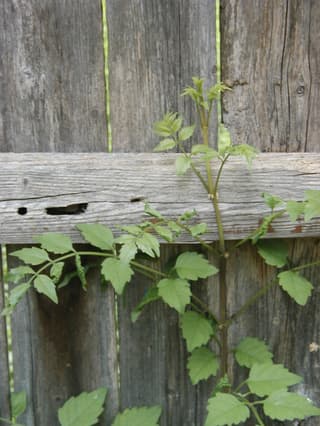
Trumpet Creeper
Campsis radicans
Campsis radicans, commonly known as trumpet creeper or trumpet vine, is a vigorous deciduous woody climber native to the southeastern United States. Valued for its clusters of tubular orange-to-red (occasionally yellow) flowers that bloom from early summer through fall, it is a magnet for hummingbirds and pollinators. The vine climbs by aerial rootlets and can quickly cover walls, fences, and arbors, reaching 6-12 meters in length. Because it spreads aggressively via underground runners and self-seeding, it is considered invasive in some regions outside its native range and requires regular management. Handle with care when pruning: the sap can cause mild skin irritation (contact dermatitis) in sensitive individuals.
Pale Brittlestem
Candolleomyces candolleanus
Candolleomyces candolleanus, commonly known as the Pale Brittlestem, is a saprobic fungus frequently found in lawns, gardens, and woodlands. It features a fragile, honey-colored to white cap that flattens with age, often with veil remnants at the margin. As a mushroom, it plays a vital role in breaking down organic matter like wood chips and dead roots.
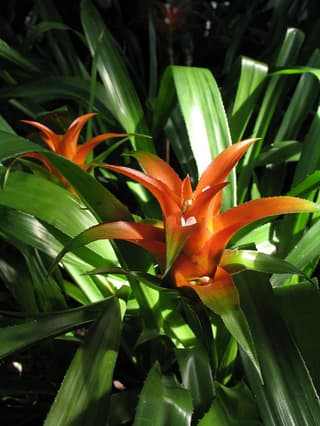
Billberg's Nidularium
Canistropsis billbergioides
Canistropsis billbergioides is a bromeliad endemic to Brazil's Atlantic Forest, celebrated for its long-lasting, colorful inflorescences that remain vibrant for 3–4 months. It forms a compact basket-shaped rosette with dark green, serrated leaves and occurs in at least 9 distinct color forms including yellow, orange, pink, red, and purple.
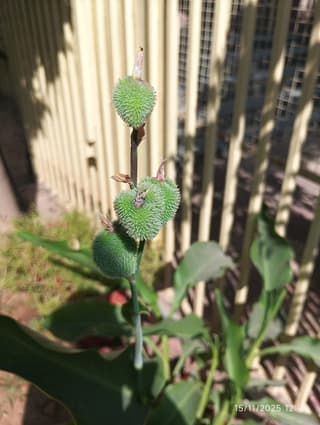
Canna Lily
Canna
Canna is a genus of fast-growing tropical perennials celebrated for their bold, exotic flowers in shades of red, orange, yellow, pink, and white. Native to tropical and subtropical Americas, cannas are widely grown as ornamental plants in gardens and parks, delivering spectacular blooms throughout summer and fall. Their broad, lush foliage adds a dramatic tropical accent to any outdoor space.
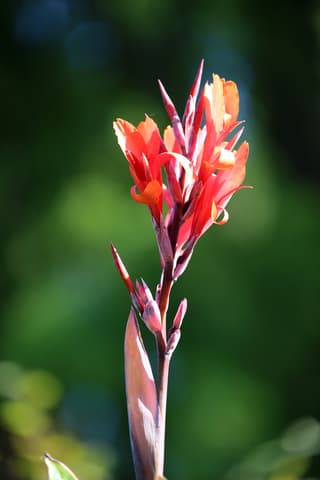
Canna lily
Canna × hybrida
Canna × hybrida, commonly known as the Canna lily, is a spectacular perennial ornamental plant with a tropical feel, popular for its large, paddle-shaped leaves reminiscent of banana plants and its vibrant, exotic flowers. This hybrid group is extremely diverse: flowers can be red, orange, yellow, pink, or white, often with spotted or bicolor patterns, while the foliage ranges from green and burgundy to variegated stripes. A rhizomatous, fast-spreading plant, it grows 240–240 cm (2–8 feet) tall and blooms from summer to fall. It requires a sunny, warm location and nutrient-rich, well-draining soil; its cold hardiness is limited (down to USDA zones 7–10), so in colder climates, the rhizomes must be lifted for winter.
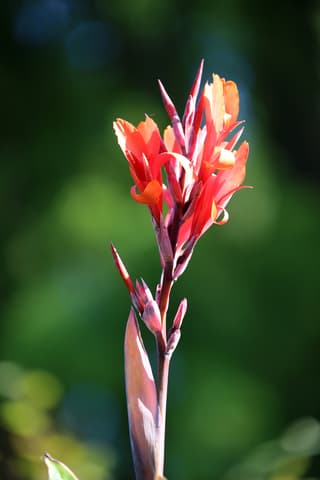
Indian Shot
Canna indica
Canna indica, commonly known as Indian Shot, is a tropical rhizomatous plant native to the Americas. It produces spectacular blooms in shades of red, orange, yellow and pink atop upright stems reaching up to 2.4 meters tall. Its large paddle-shaped leaves range from deep green to green-purple, creating a bold tropical statement in gardens.
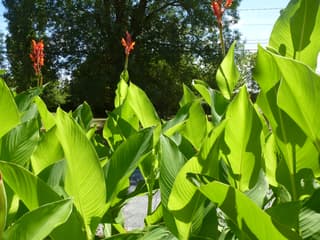
Wild Canna
Canna limbata
Wild Canna (Canna limbata) is a perennial rhizomatous herbaceous plant native to Brazil, belonging to the family Cannaceae. With broad ornamental leaves and vibrant flowers in shades of red, yellow, and orange, it is widely used in tropical gardens, borders, and landscaping. It grows upright and clumping, reaching up to 2 meters in height under ideal conditions.
Canna Lily
Canna x generalis
Canna Lily (Canna x generalis) is a hybrid herbaceous perennial widely cultivated in tropical and subtropical gardens worldwide. Resulting from crosses of various Canna species, it is renowned for its spectacular flowers in shades of red, orange, yellow, pink, and white, as well as its broad, ornamental leaves. It is one of the most popular ornamental plants in landscaping, especially in borders, poolside plantings, and tropical garden designs.
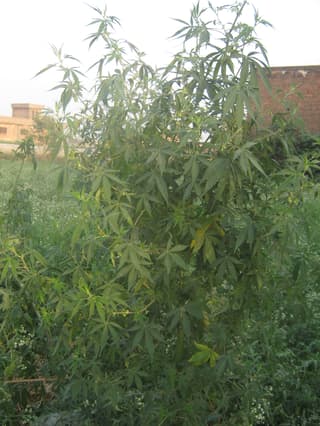
Indica Cannabis
Cannabis indica
Cannabis indica is a broad-leaf annual subspecies native to the Hindu Kush mountain range of Afghanistan and Pakistan. It is distinguished by its compact stature, wide dark-green leaflets, and dense resin production. Adapted to cold, dry high-altitude climates, it completes its flowering cycle faster than Cannabis sativa. It has been used for millennia in South Asian cultural and medicinal traditions. Cultivation, possession, and use are regulated in most jurisdictions worldwide and illegal in many countries — laws vary significantly by location. This entry is strictly a botanical reference, not a cultivation guide.

Ruderalis Cannabis
Cannabis ruderalis
Cannabis ruderalis is a wild subspecies of Cannabis native to Central Asia, Russia, and Siberia. It is distinguished by its compact stature (rarely exceeding 60 cm) and its unique auto-flowering trait: it flowers based on plant maturity rather than light cycle (photoperiod). It has high CBD and low THC content, making it the subject of significant medicinal research. IMPORTANT: cultivation and possession of Cannabis ruderalis are REGULATED in most jurisdictions and laws vary significantly by country. This is a botanical reference, not a cultivation guide.

Hemp
Cannabis sativa
Cannabis sativa is a fast-growing annual plant in the family Cannabaceae, native to Central and South Asia. It is one of humanity's oldest cultivated plants, grown for thousands of years for fiber, food, oil, and medicine. The plant features palmate leaves with serrated leaflets, hollow stems, and produces small greenish-yellow flowers. It is dioecious, meaning male and female flowers occur on separate plants. Cannabis sativa grows vigorously in warm, sunny conditions and can reach up to 2.5 meters in height within a single growing season.
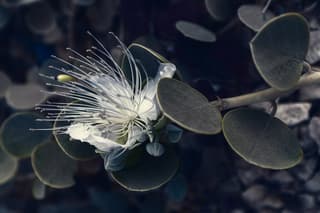
Caper Bush
Capparis spinosa
Capparis spinosa, the Caper Bush, is a drought-tolerant Mediterranean shrub prized for its edible flower buds — capers — widely used in European and Mediterranean cuisine. It produces striking white flowers with pink to purple stamens, blooming in spring and summer. The plant thrives in poor, rocky, well-drained soils and requires very little maintenance once established.
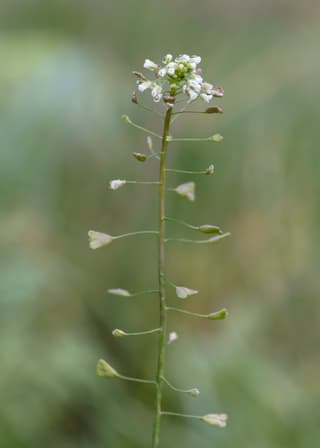
Shepherd's Purse
Capsella bursa-pastoris
Capsella bursa-pastoris, commonly known as Shepherd's Purse, is a fast-growing annual weed in the mustard family (Brassicaceae), native to eastern Europe and Asia Minor but now naturalized worldwide. It is easily recognized by its distinctive heart-shaped (triangular) seed pods that resemble the pouches historically carried by shepherds. The plant produces a basal rosette of lobed leaves and erect stems bearing clusters of tiny white flowers. It thrives in disturbed ground, roadsides, gardens, and agricultural fields.
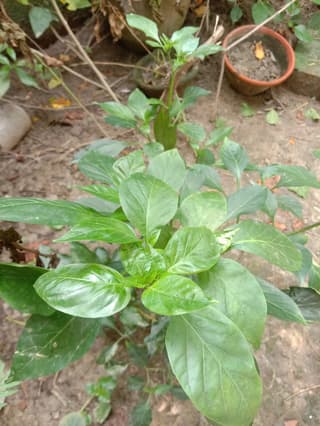
Peppers & Chili Peppers
Capsicum
Capsicum is a genus of warm-season, frost-tender flowering plants in the nightshade family (Solanaceae), native to tropical Central and South America and cultivated worldwide for their edible fruits. The genus spans everything from mild sweet peppers and bell peppers to fiery hot chilies like jalapeno, habanero, and ghost pepper - all sharing the same basic growth habit: a bushy, woody-based shrub or subshrub with simple oval leaves, star-shaped white (occasionally purple) flowers, and hollow, seed-filled fruits that ripen from green through yellow, orange, red, or purple. Grown as annuals in temperate climates and as short-lived perennials in the tropics, peppers thrive with full sun, warm days, consistently moist well-draining soil, and protection from frost.
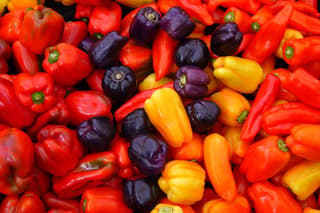
Chili pepper
Capsicum annuum
Capsicum annuum is an extremely versatile species that includes everything from sweet bell peppers to spicy peppers like Jalapeño and Cayenne. It is a perennial shrubby plant in tropical climates but is often grown as an annual in cooler regions. Its flowers are small and white, giving rise to fruits that vary drastically in color, size, and capsaicin level.
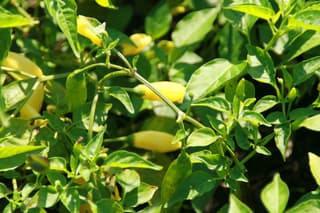
Aji Amarillo Pepper
Capsicum baccatum
Capsicum baccatum, commonly known as aji amarillo, is a South American chili pepper native to Peru and Bolivia. It produces elongated yellow-orange fruits with a fruity flavor and moderate heat, belonging to the Solanaceae family. It can be grown in containers or directly in garden beds and is prized both for culinary use and ornamental appeal.
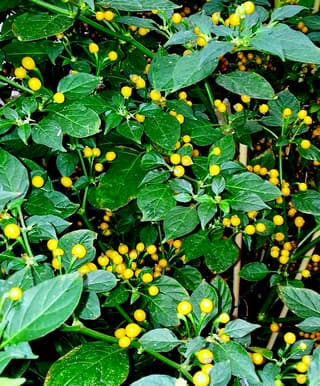
Habanero Pepper
Capsicum chinense
Capsicum chinense is the species that unites the world's most iconic hot peppers — Habanero, Scotch Bonnet, Carolina Reaper, Bhut Jolokia (Ghost Pepper), and the mild Brazilian Biquinho pepper. Native to the tropical Americas, it has been cultivated by indigenous peoples for millennia. The species produces fruits with very high concentrations of capsaicin, ranging from mild (like Biquinho and Aji Dulce) to world-record hot (Carolina Reaper, over 2 million SHU). It is a robust, ornamental plant with exceptional culinary and medicinal value.
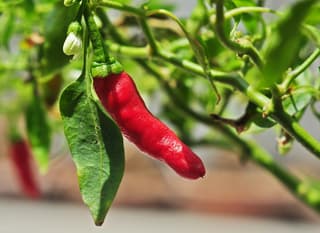
Tabasco Pepper
Capsicum frutescens
Capsicum frutescens, commonly known as the Tabasco Pepper or Bird's Eye Pepper, is a species of chili pepper in the Solanaceae family, native to tropical Americas. This iconic hot pepper species produces small, extremely pungent fruits that ripen from green to bright red. It includes famous cultivars such as Tabasco and Malagueta, and is distinct from the more common Capsicum annuum. Prized worldwide for its intense heat and fruity flavor, it is a cornerstone of hot sauces and spicy cuisines globally.
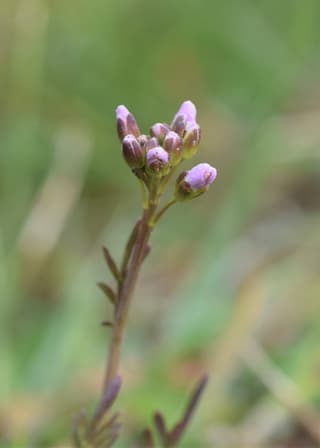
Bittercress
Cardamine
Cardamine is a large genus of herbs in the mustard family Brassicaceae, comprising over 200 annual and perennial species distributed across temperate and cool regions worldwide. Notable species include C. pratensis (cuckoo flower / lady's smock) and C. hirsuta (hairy bittercress). These low-maintenance plants are valued in wildflower gardens, moist borders, and as ground cover.
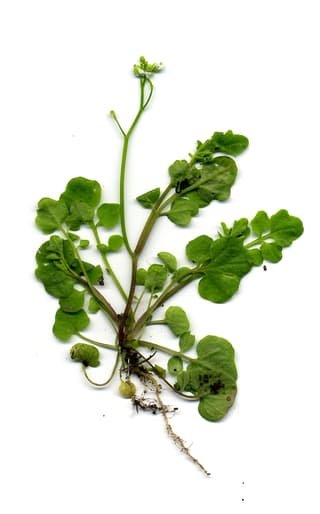
Hairy Bittercress
Cardamine hirsuta
Cardamine hirsuta, commonly known as hairy bittercress, is a small, fast-growing annual (occasionally biennial) herb in the mustard family (Brassicaceae). Native to Europe, Asia and parts of Africa, it now grows almost worldwide as a common garden weed, favoring moist, disturbed soil in beds, containers and pavement cracks. It forms a low rosette of pinnately compound leaves and sends up slender flowering stems topped with tiny four-petaled white flowers. Its slender seed pods (siliques) ripen explosively, catapulting seeds several feet to spread the plant quickly. Despite its weedy reputation, the young leaves are edible and prized for a peppery, cress-like flavor similar to watercress or arugula.
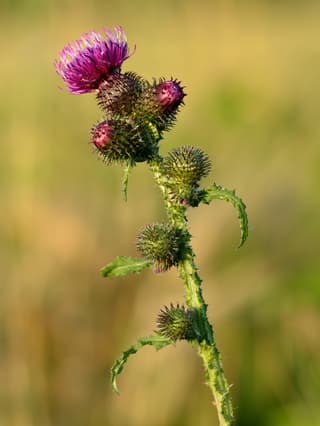
Thistle
Carduus
Carduus is a genus in the family Asteraceae comprising around 90 species of spiny thistles, commonly known as "plumeless thistles" because they lack the feathery pappus found in the related genus Cirsium. Native to Europe, North Africa and Asia, many species have naturalized as ruderal or invasive weeds elsewhere, including North America and Australia. This profile describes the genus generally; traits such as height, bloom time and cold hardiness vary among species (e.g., C. nutans, C. acanthoides, C. crispus).
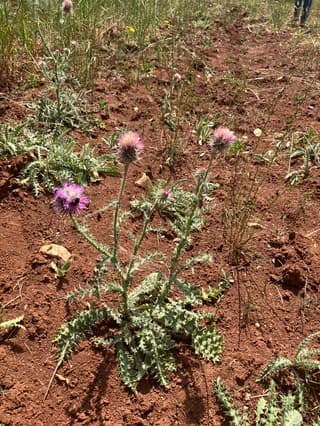
Musk Thistle
Carduus nutans
Musk thistle (Carduus nutans) is a biennial weed native to Europe, western Asia, and North Africa, now widely naturalized and declared a noxious invasive species across North America, Australia, New Zealand, and South Africa. In its first year it forms a low, spiny rosette of deeply lobed, grey-green leaves with wavy white margins. In its second year it bolts to 30–170 cm (occasionally up to 270 cm), producing branched, spine-winged stems topped with large, solitary, nodding flowerheads 3–6 cm across in shades of reddish-purple to violet — giving the plant its "nodding" character. Flowers emit a sweet musk-like fragrance that attracts bees, butterflies, and hoverflies in abundance. A single plant can produce up to 20,000 seeds that remain viable in soil for up to 20 years, making it an aggressive colonizer of pastures, roadsides, disturbed ground, and waste areas. Despite its invasive reputation, it has a long history of limited edible and medicinal use in its native range.
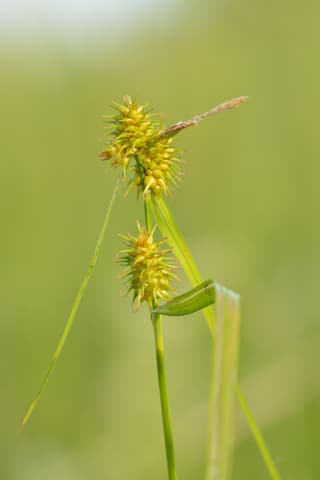
Sedge
Carex
Carex is a vast genus of sedges in the family Cyperaceae, comprising over 2,000 species worldwide. Widely grown as ornamental grasses for their graceful, arching foliage in borders, containers, and water gardens.
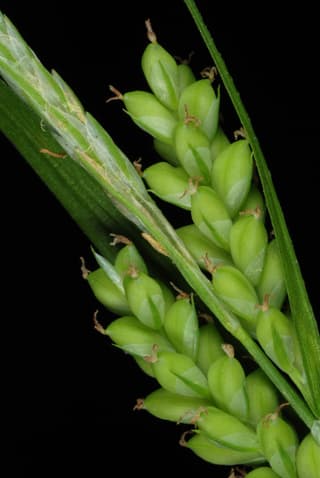
Eastern Woodland Sedge
Carex blanda
Carex blanda is a delicate native sedge from eastern North America, prized as a graceful shade groundcover. It forms soft, arching mounds of light green semi-evergreen foliage up to 50 cm tall and 60 cm wide. Exceptionally adaptable, it thrives in clay, loam, or rocky soils across a wide pH range, making it a top choice for woodland gardens, rain gardens, and low-maintenance landscapes.
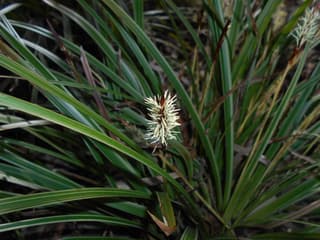
Japanese Sedge
Carex morrowii
Carex morrowii, commonly known as Japanese Sedge or Morrow's Sedge, is an evergreen ornamental grass-like perennial native to Japan. It forms graceful, arching clumps of narrow, often variegated leaves that add texture and movement to shaded gardens. Exceptionally shade-tolerant and low-maintenance, it thrives under trees, in borders, and in containers.
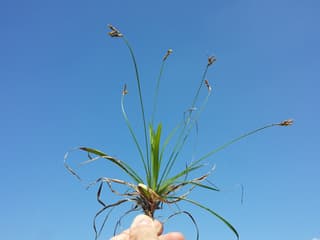
Bird's-foot Sedge
Carex ornithopoda
Carex ornithopoda, commonly called bird's-foot sedge, is a small, slow-growing, evergreen perennial sedge native to Europe and Anatolia. It forms neat, compact tufts of narrow leaves and produces brownish flower spikes resembling a bird's claw in mid-to-late spring. Popular as a low-maintenance edging, ground cover, or rock garden plant.
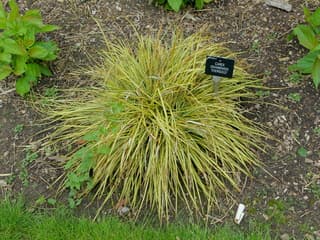
Japanese Sedge
Carex oshimensis
Carex oshimensis, commonly known as Japanese sedge, is an evergreen, clump-forming ornamental grass-like perennial in the sedge family (Cyperaceae), native to the woodlands and rocky slopes of Honshu Island, Japan, particularly the Izu Oshima region from which its species name derives. In cultivation, it is best known through its popular variegated cultivar 'Evergold', prized for narrow, arching leaves striped with a bright creamy-yellow center band bordered by fine dark-green margins. Forming low, fountain-like mounds roughly 30 cm tall and 45 cm wide, it spreads slowly via short rhizomes and produces inconspicuous brown flower spikes in spring. Thriving in part shade to filtered sun, where its variegation stays richest, and in consistently moist, well-drained, slightly acidic soil, Carex oshimensis is prized by gardeners for its low-maintenance, four-season structure. It works beautifully as edging, in mixed containers, along woodland borders, or as a bright groundcover beneath larger shrubs and trees, tolerating occasional drought once established but never thriving in full shade or standing water.
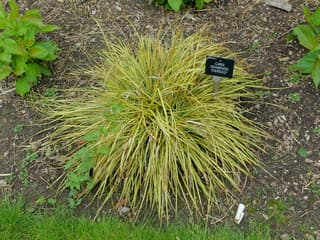
Evergold Sedge
Carex oshimensis 'Evergold'
Carex oshimensis 'Evergold' is a perennial ornamental grass native to Japan, appreciated worldwide for its narrow, variegated foliage featuring golden-yellow centers and dark green margins. Forming compact, arching clumps up to 12 inches (30 cm) tall, this grass-like plant is evergreen, maintaining its visual appeal throughout the year. It is extremely versatile—ideal for borders, groundcover, containers, and Asian-style or contemporary gardens. Deer-resistant, salt-tolerant, and very low-maintenance, it is one of the most reliable ornamental plants for temperate gardens and indoor environments with indirect light.
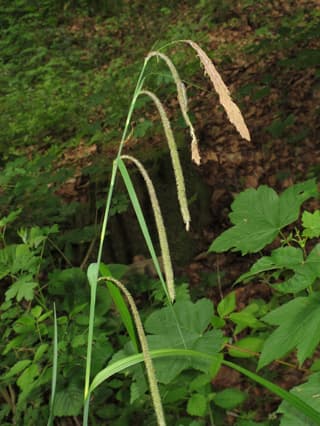
Pendulous Sedge
Carex pendula
Pendulous sedge is a vigorous, evergreen perennial in the Cyperaceae family, native across western, central and southern Europe. It forms large arching clumps of dark green, pleated, grass-like foliage, above which tall stems carry several slender, drooping flower spikes from spring into summer. A tough, adaptable plant, it is a favourite for bog gardens, pond margins and damp shaded borders where few other plants thrive.
Find the Perfect Plant
Our plant guide helps you find ideal species for your experience level and time of year.
Browse by Difficulty, Season & More
Use the filters below to narrow this catalog by care difficulty, season, environment, or search directly by name. Each filter leads to a focused list tailored to your specific growing conditions.