Complete Plant Guide
Explore plants by difficulty, season and more. Find the perfect plant for you.
Difficulty
Categories
Plants by City
🗺️ Plants by City3454 plants found
Showing 757-792 of 3454
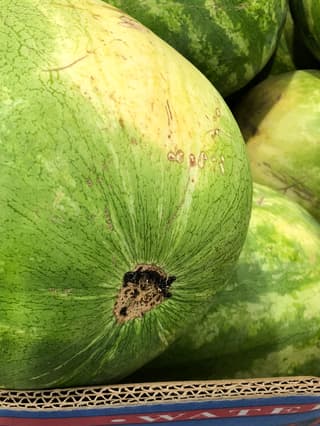
Watermelon
Citrullus lanatus
Watermelon (Citrullus lanatus) is an annual creeping plant of the cucurbit family, native to Africa. It is widely cultivated for its large, juicy fruit, which has a high water content (about 92%) and is rich in vitamins A, C, and lycopene. Its vines can extend for several meters, featuring lobed leaves and yellow flowers that give rise to fruits with green rinds and typically red flesh.
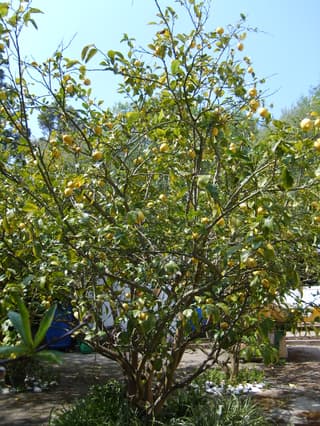
Citrus
Citrus
The genus Citrus comprises evergreen trees and shrubs - including oranges, lemons, limes, and mandarins - native to Southeast Asia and belonging to the Rutaceae family. Prized for their fragrant white flowers and edible fruit, citrus plants feature glossy, aromatic dark-green foliage and are grown in orchards, gardens, and containers throughout subtropical and tropical climates worldwide.
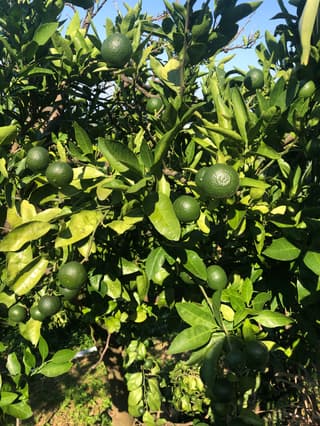
Key Lime
Citrus × aurantiifolia
Key lime (Citrus × aurantiifolia) is an evergreen citrus tree native to Southeast Asia, now widely grown across tropical and subtropical regions worldwide. Prized for its small, intensely aromatic fruits, it is a cornerstone of tropical cuisine — most famously in Key lime pie — as well as cocktails, marinades, and desserts. The tree bears fragrant white flowers with purplish tinges and glossy, dark green leaves. It is the most cold-sensitive of all commercial citrus, thriving in warm, sunny climates.
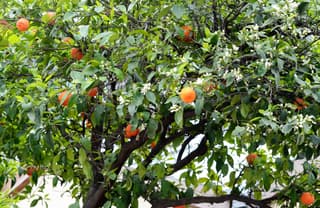
Bitter Orange
Citrus × aurantium
Bitter Orange (Citrus × aurantium) is an evergreen citrus tree originating from a natural hybrid between C. maxima and C. reticulata. Cultivated for centuries across the Mediterranean and Asia, it produces intensely fragrant white flowers and aromatic but bitter fruits. It is widely used in perfumery (neroli oil), liqueur production, traditional medicine, and as an ornamental tree in subtropical gardens.
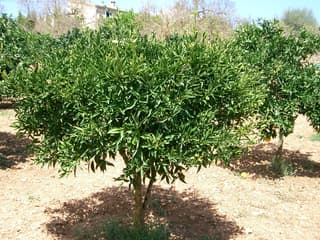
Willowleaf Mandarin
Citrus × aurantium f. deliciosa
The willowleaf mandarin is a compact evergreen citrus tree native to the Mediterranean basin, first documented in Italy in the early 1800s. It gets its name from its narrow, willow-like leaves and produces small, intensely fragrant white flowers followed by sweet, easy-peel orange fruit with a distinctive aromatic rind.
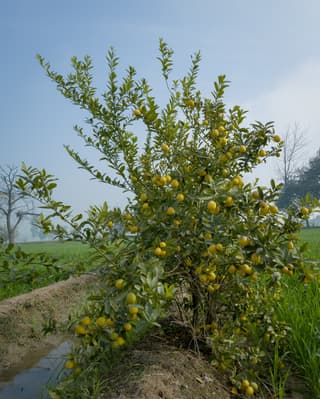
Lemon Tree
Citrus × limon
The lemon tree (Citrus × limon) is an evergreen fruit tree in the Rutaceae family, originating as a natural hybrid between the citron (Citrus medica) and bitter orange (Citrus aurantium), likely in Asia. It is one of the most widely cultivated citrus species worldwide, prized for its tart vitamin C-rich fruits, fragrant white blossoms, and year-round ornamental value. It thrives in subtropical and Mediterranean climates.
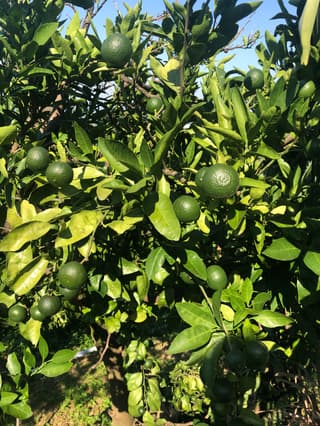
Key Lime
Citrus aurantiifolia
Key Lime (Citrus aurantiifolia) is a small, thorny citrus tree native to the Malesian region of Southeast Asia. It produces small, round, intensely aromatic and acidic fruits widely prized in culinary traditions from the Americas to Southeast Asia. The tree features glossy evergreen foliage and fragrant white flowers that bloom year-round in warm climates.
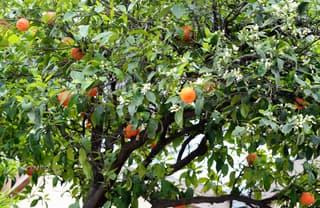
Bitter Orange
Citrus aurantium
Citrus aurantium, commonly known as Bitter Orange or Seville Orange, is an evergreen citrus tree native to Southeast Asia and widely naturalized across the Mediterranean, Middle East, and South America. It produces glossy dark-green foliage, intensely fragrant white blossoms, and round orange fruits that are too acidic for fresh consumption but prized for their culinary, medicinal, and aromatic applications. The peel yields neroli essential oil from the flowers and petit grain oil from leaves and twigs — both cornerstones of classical perfumery. As one of the most economically versatile citrus species, Bitter Orange underpins the production of liqueurs, marmalades, dietary supplements, and fine fragrances worldwide.
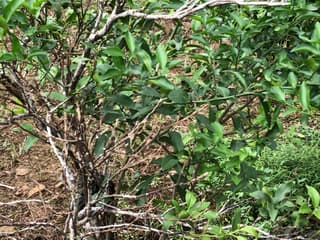
Kumquat
Citrus japonica
The kumquat (Citrus japonica) is a small evergreen citrus shrub or tree native to China, prized for its bite-sized orange fruit that is eaten whole, peel and all, offering a sweet rind and tart flesh. Compact and slow-growing, it is popular as a container and ornamental garden plant, and is one of the few citrus resistant to citrus canker.
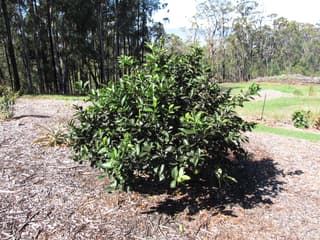
Persian Lime
Citrus latifolia
Citrus latifolia, the Persian lime or Tahiti lime, is a citrus fruit hybrid widely cultivated for its seedless, juicy fruits. It is an evergreen tree reaching up to 5 meters, bearing fragrant white flowers and producing fruit year-round in warm climates.
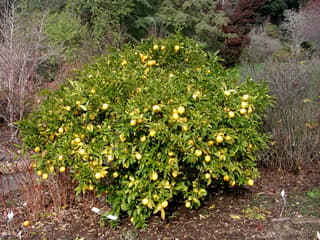
Lemon
Citrus limon
The lemon (Citrus limon) is a small evergreen tree in the Rutaceae family, native to the subtropical regions of South Asia. Recognized for its aromatic yellow oval fruits, pinkish-white flowers, and bright green foliage, it is one of the most widely cultivated citrus fruits in the world. It produces fruit with high vitamin C and citric acid content, being extensively used in cooking, folk medicine, and perfumery.
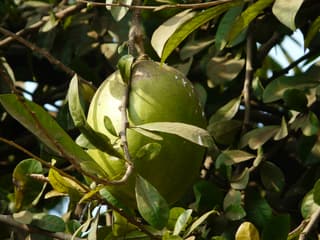
Pomelo
Citrus maxima
Citrus maxima, the pomelo, is the largest citrus fruit in the world, native to Southeast Asia, with fruit that can exceed 2 kg, a thick spongy rind, and mildly sweet, low-acid flesh. It is the wild ancestor of the grapefruit, which arose from its natural cross with the sweet orange. The tree is a tropical evergreen with a dense canopy, large leaves, and highly fragrant white flowers.

Buddha's Hand
Citrus medica var. sarcodactylis
Citrus medica var. sarcodactylis, or Buddha's Hand, is a citrus fruit native to China and northeastern India, cultivated for centuries for its spectacular fruit that divides into several fleshy 'fingers.' An evergreen shrub or small tree with glossy green foliage, it produces fragrant white flowers tinged with purple that appear almost year-round, peaking between spring and autumn. Unlike other citrons, its fruit contains neither pulp nor juice: only the highly fragrant zest and rind are used in cooking and perfumery. Frost-sensitive, it is grown in the ground in mild climate regions (USDA zones 9 to 11) and in pots, with winter protection, in cooler climates.
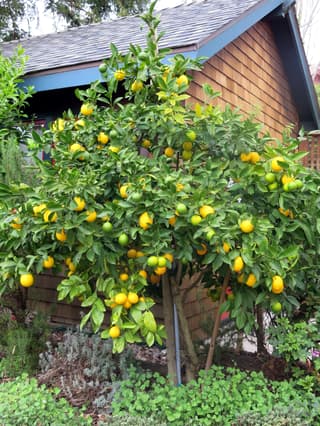
Meyer Lemon
Citrus meyeri
The Meyer Lemon is a hybrid citrus tree native to China, believed to be a cross between a true lemon and a mandarin orange. It produces sweeter, rounder, and thinner-skinned fruits than common lemons, with a deep yellow-orange color when ripe. Compact enough for containers, it thrives both indoors and outdoors in warm climates.
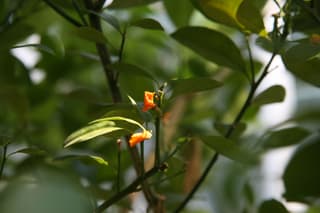
Calamondin
Citrus mitis
Calamondin (Citrus mitis, also classified as Citrus x microcarpa or x Citrofortunella microcarpa) is a compact evergreen citrus hybrid, likely a cross between mandarin and kumquat, native to Southeast Asia and especially popular in the Philippines. It has glossy aromatic leaves, fragrant white star-shaped flowers, and produces small, tart orange fruits used much like limes or lemons in cooking. Widely grown as an ornamental potted tree, it flowers and fruits nearly year-round and adapts well to container culture indoors or on patios.
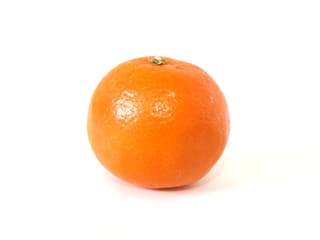
Mandarin Orange
Citrus reticulata
The mandarin orange, also known as tangerine, is a small to medium evergreen citrus tree prized for its sweet, easy-to-peel fruits. Native to Southeast Asia, it thrives in full sun with well-draining soil and is suitable for both container growing and outdoor orchards. A classic symbol of winter abundance and prosperity.
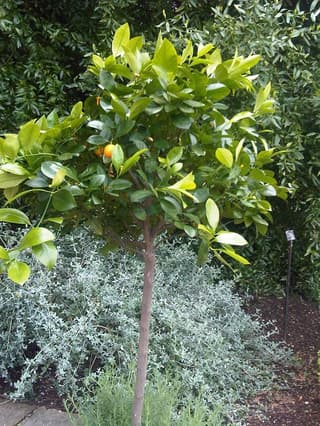
Sweet Orange
Citrus sinensis
The sweet orange (Citrus sinensis) is an evergreen fruit tree originally from southern China and Southeast Asia, now cultivated worldwide in tropical and subtropical climates. It produces juicy, vitamin C-rich fruits and fragrant white blossoms. One of the most economically important fruit crops globally, it thrives in warm, sunny gardens and can also be grown in large containers.
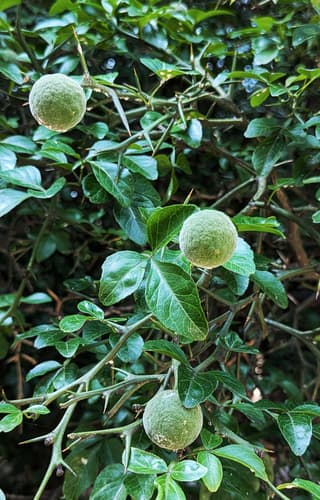
Hardy orange
Citrus trifoliata
Citrus trifoliata, also known as the Hardy Orange, is a deciduous shrub or small tree unique for its extreme cold tolerance. It features distinctive three-lobed leaves and formidable green thorns. In early spring, it produces large, fragrant white flowers before the leaves emerge. The fruit is a small, fuzzy, yellow-orange hesperidium that is very bitter and seedy but highly aromatic.
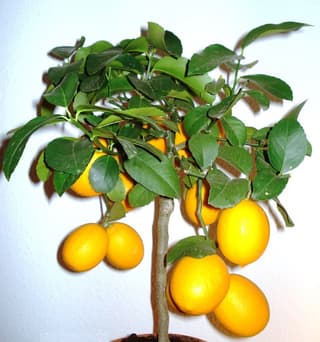
Meyer lemon
Citrus x meyeri
The Meyer lemon (Citrus x meyeri) is a citrus hybrid native to China, believed to be a cross between a true lemon and either a mandarin orange or a common orange. It was introduced to the United States in 1908 by agricultural explorer Frank Meyer. This small evergreen tree is highly popular as both an ornamental and fruiting plant, well-suited to garden beds and container growing. Its fruit is sweeter and less acidic than a true lemon, with a thin, deep yellow-orange rind. It produces fragrant white flowers, sometimes tinged purple in bud.
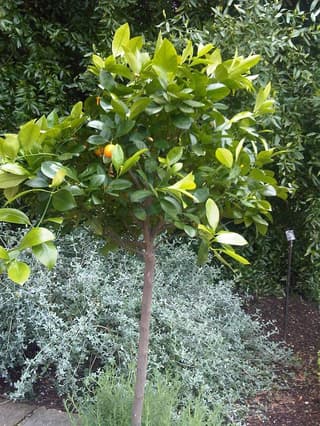
Sweet Orange
Citrus x sinensis
The sweet orange (Citrus x sinensis) is an evergreen fruit tree in the Rutaceae family, cultivated worldwide for its sweet, vitamin C-rich fruit. It features glossy, aromatic dark green leaves and fragrant white blossoms that appear in spring and winter.
Reindeer lichen
Cladonia rangiferina
Cladonia rangiferina, known as reindeer lichen, is a light grey, shrub-like species of lichen that grows in cold regions and tundras. Although it looks like a plant, it is actually a symbiotic community of fungus and algae. It is extremely resistant to low temperatures and serves as a primary food source for reindeer during winter.
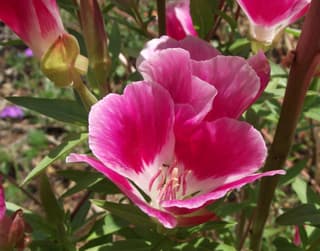
Farewell to Spring
Clarkia amoena
Clarkia amoena, commonly known as Farewell to Spring or Godetia, is a charming annual wildflower native to the coastal hills and mountains of western North America. It produces showy pink, lavender, purple, and white flowers in late spring to early summer, attracting pollinators including bees, butterflies, and hummingbirds. It thrives in full sun with well-draining soil and is relatively drought-tolerant once established.
elegant clarkia
Clarkia unguiculata
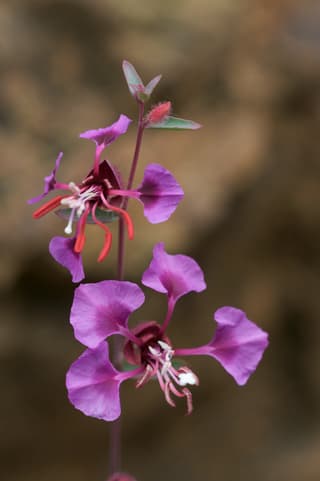
Elegant clarkia (Clarkia unguiculata) is an annual flowering plant from the evening primrose family (Onagraceae), native to California, where it naturally grows in chaparral, oak woodlands, and on dry, open slopes up to approximately 1500 meters in elevation. The plant can grow up to 90 cm tall and features stately, cup-shaped flowers with characteristic narrow, claw-shaped petals (hence the species name 'unguiculata', meaning 'claw-like'). The flowers appear in pink, purple, and white, often with darker spots at the base of the petals, adorning gardens from late spring to early summer. The species is known to attract bees and other pollinating insects.
Lattice Stinkhorn
Clathrus crispatus
Clathrus crispatus is a saprophytic fungus in the Phallaceae family, known for its cage-like or spherical net-shaped fruiting body that is reddish or pinkish in color. It emerges from an egg-like structure and, when mature, emits a foul odor of decaying meat to attract flies, which assist in the dispersal of its spores contained in a slimy substance called gleba.

Miner's Lettuce
Claytonia perfoliata
Miner's lettuce is a low-growing, succulent-leaved annual native to the woodlands and shady slopes of western North America, from British Columbia south to California and Mexico. Its most distinctive feature is the round, saucer-like leaf that appears to be pierced by the flower stem, holding tiny clusters of white, five-petaled flowers above it. The plant earned its common name during the California Gold Rush, when miners ate its vitamin C-rich leaves to prevent scurvy. Fast-growing and freely self-seeding, it thrives in cool, damp, shady spots and is equally at home naturalized in a woodland garden or grown as an early-season salad crop.
Silver Torch Cactus
Cleistocactus strausii
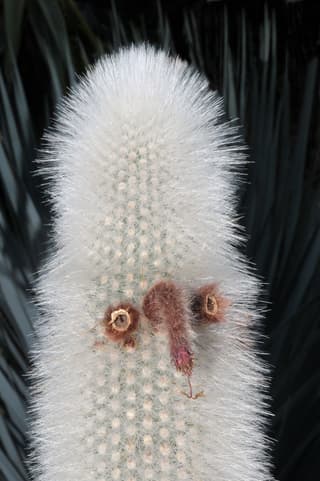
Cleistocactus strausii, known as the Silver Torch Cactus, is a perennial columnar cactus native to the mountainous regions of Bolivia and Argentina. It is widely appreciated for its erect stems covered in a dense layer of short white spines, which give it a distinct silvery appearance. Upon reaching maturity, it produces tubular burgundy-red flowers that do not fully open, projecting horizontally from the stems.
Golden Rat-tail Cactus
Cleistocactus winteri
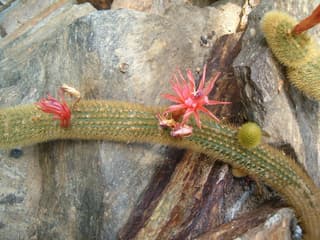
The Golden Rat-tail Cactus (Cleistocactus winteri) is a trailing cactus native to the mountainous slopes of Bolivia. Its slender, golden-spined stems can cascade over 90 cm from a hanging basket, producing striking tubular orange to salmon-pink flowers in spring and summer. Prized as a houseplant, it is easy-going as long as its need for excellent drainage and bright light is respected.
Grape Ivy
Clematicissus striata
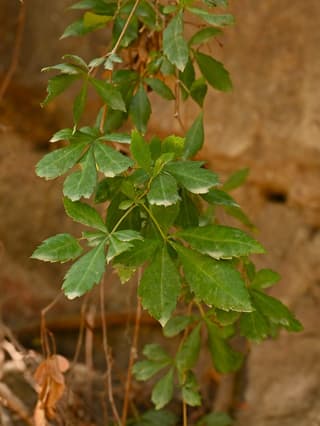
A perennial climbing plant from the Vitaceae family, native to South America (Chile, Argentina, Brazil, Uruguay, Paraguay, Bolivia). Its slender, ribbed stems attach themselves using tendrils. The evergreen foliage, dark green and glossy, is composed of five oval, toothed leaflets arranged in a fan shape. In summer, it produces small, inconspicuous white to greenish flowers, followed by fleshy black berries that are not edible.
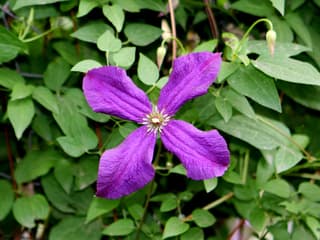
Clematis
Clematis
Clematis is a genus of woody and herbaceous flowering vines in the Ranunculaceae family, prized for its showy blooms in shades of purple, white, pink, and blue. Popular for covering trellises, fences, and walls, it flowers abundantly in spring and summer.
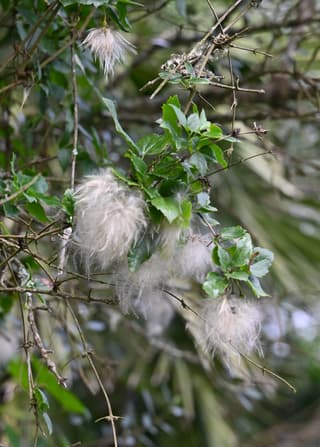
Fragrant Clematis
Clematis flammula
Clematis flammula, commonly called Fragrant Clematis, is a vigorous deciduous climber in the buttercup family (Ranunculaceae), native to the Mediterranean region and North Africa. From midsummer into autumn it produces masses of small, star-shaped, sweetly almond-scented white flowers, followed by decorative fluffy seed heads. Left to scramble, it forms a dense tangled mound, but with a trellis, fence or pergola it climbs readily to 3-4 m or more.
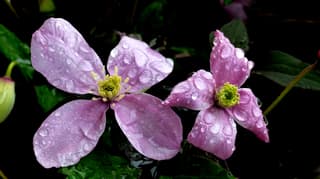
Anemone Clematis
Clematis montana
Clematis montana is a vigorous, deciduous climbing vine native to the Himalayas and China, prized for its abundant spring display of star-shaped white or pink flowers that can blanket walls, fences, and trees. Fast-growing and generally trouble-free, it is one of the easiest clematis to grow for beginners.
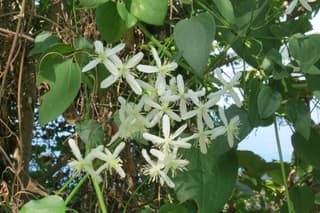
Sweet Autumn Clematis
Clematis terniflora
Clematis terniflora, commonly called sweet autumn clematis, is a vigorous, deciduous, twining vine native to Japan and China. It produces a profusion of small, star-shaped, fragrant white flowers in dense terminal panicles from late summer into fall, followed by decorative silvery, plume-like seed heads. While prized for its fast cover and late-season bloom, it self-seeds prolifically and has escaped cultivation to become invasive across parts of the eastern and midwestern United States, where it smothers native vegetation, shrubs and even mature trees.
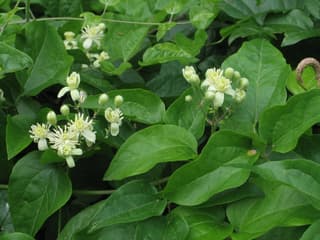
Traveller's Joy
Clematis vitalba
Traveller's Joy (Clematis vitalba) is a vigorous, fast-growing deciduous climbing vine in the buttercup family (Ranunculaceae), native to Europe and western Asia. It scrambles over hedgerows, trees and fences using twisting leaf stalks, producing clusters of small, fragrant greenish-white flowers in summer followed by fluffy, silvery seed heads that persist through winter, giving the plant its other common name, Old Man's Beard.
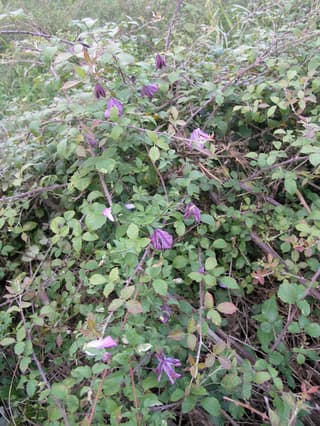
Italian Clematis
Clematis viticella
Clematis viticella, commonly known as Italian Clematis or Italian Leather Flower, is a vigorous deciduous climbing vine native to southern Europe. Belonging to the Ranunculaceae family, it is widely celebrated for its prolific display of deep purple-violet flowers from midsummer through fall. One of the most resilient clematis species, it shows exceptional resistance to clematis wilt — a fungal disease that devastates many other varieties — making it a top choice for cottage gardens, arbors, and fences.
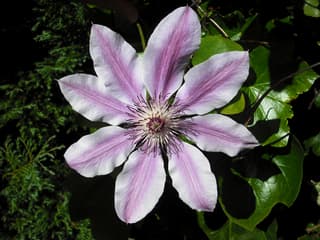
Hybrid Clematis
Clematis x hybrida
Clematis x hybrida is a deciduous climbing vine resulting from hybridization of Asian and European clematis species. Renowned for its spectacular large blooms in shades of purple, pink, white, blue, and red — which can reach up to 25 cm in diameter — it is one of the most beloved ornamental climbers in temperate gardens worldwide. It gracefully adorns fences, walls, trellises, and arbors.
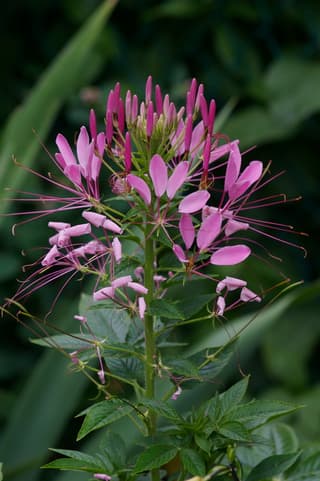
Spider Flower
Cleome hassleriana
Cleome hassleriana, commonly known as Spider Flower, is a fast-growing annual plant native to South America — particularly Brazil, Paraguay, and Argentina. It produces delicate flowers in shades of pink, purple, and white with long protruding stamens resembling spider legs, attracting butterflies, hummingbirds, and other pollinators. It is an easy-to-grow plant ideal for borders, background plantings, and cottage gardens.
Find the Perfect Plant
Our plant guide helps you find ideal species for your experience level and time of year.
Browse by Difficulty, Season & More
Use the filters below to narrow this catalog by care difficulty, season, environment, or search directly by name. Each filter leads to a focused list tailored to your specific growing conditions.