Complete Plant Guide
Explore plants by difficulty, season and more. Find the perfect plant for you.
Difficulty
Categories
Plants by City
🗺️ Plants by City3478 plants found
Showing 1117-1152 of 3478
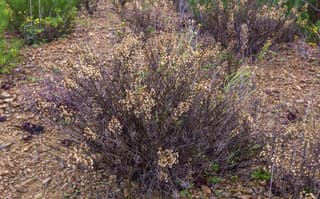
False Yellowhead
Dittrichia viscosa
Dittrichia viscosa (syn. Inula viscosa), commonly known as false yellowhead or sticky fleabane, is a perennial evergreen shrub in the Asteraceae family, widespread throughout the Mediterranean basin. It typically grows along roadsides, wasteland, riverbeds, and degraded areas up to 1500 m in altitude, colonizing even the poorest and stoniest soils. It has a bushy habit with erect and highly branched stems, woody at the base, which can reach 50-150 cm in height. The leaves are elongated, pointed, with serrated margins and covered with glandular hairs that release a sticky resin with a resinous and balsamic scent, from which the name 'viscosa' derives. In autumn, it produces numerous yellow flower heads that provide an important source of pollen and nectar for bees and pollinating insects when most other blooms have ended.
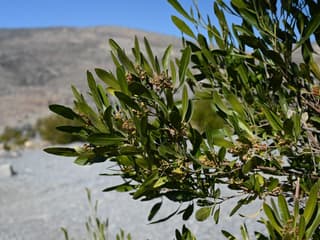
Hop bush
Dodonaea viscosa
Dodonaea viscosa (hop bush) is an evergreen shrub or small tree in the soapberry family (Sapindaceae), native to dry, sunny habitats in tropical and subtropical regions worldwide—such as sandy coastal dunes and rocky slopes. Its narrow, glossy, resin-coated leaves have a characteristic 'varnished' sheen that protects the plant from dehydration. Small, yellowish-green flowers bloom in spring and fall, followed by distinctive, papery, rosy-red, winged fruits that gave the species the name 'hop bush,' as they were once used as a substitute for hops in beer brewing. It is extremely drought- and salt-tolerant, making it a popular choice for windbreak hedges or coastal protection.
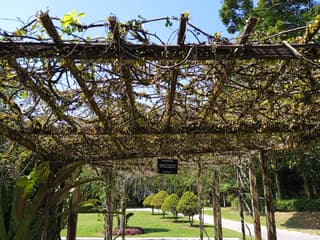
Cat's Claw Vine
Dolichandra unguis-cati
Dolichandra unguis-cati, popularly known as Cat's Claw Vine, is an extremely vigorous woody climber native to the Americas. It is famous for its three-pronged tendrils that resemble cat claws, allowing the plant to easily scale walls, trees, and rocks. During spring, it produces a spectacular display of yellow trumpet-shaped flowers.

Doritaenopsis
Doritaenopsis
Doritaenopsis is a cultivated orchid nothogenus (× Doritaenopsis) created by crossing Doritis with Phalaenopsis; most such plants are now treated within the genus Phalaenopsis. They are epiphytic orchids with broad, fleshy leaves and are among the most popular flowering houseplants. Their flower spikes, often more upright than those of ordinary moth orchids, carry numerous long-lasting blooms in vivid pink, magenta, white and purple.
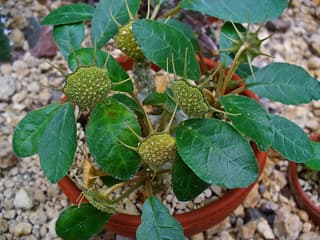
Shield Flower
Dorstenia
Dorstenia is a captivating genus of caudiciform succulents in the Moraceae family — the same family as figs and breadfruit. Native to arid regions of East Africa and the Arabian Peninsula, including Ethiopia, Somalia, Kenya, Tanzania, Saudi Arabia, Yemen, and Oman, it is prized by collectors for its swollen water-storing caudex and uniquely bizarre hypanthodium inflorescences — flat, disc- or shield-shaped structures that serve as composite flower heads. Despite its exotic appearance, Dorstenia is relatively easy to grow indoors when given bright light and well-draining soil.
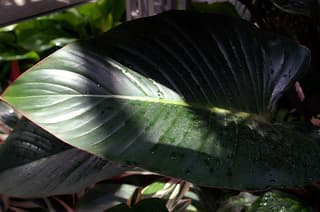
Dracaena
Dracaena
Dracaena is a large genus of approximately 120 species of trees and succulent shrubs in the family Asparagaceae, native to Africa, southern Asia, Madagascar, and Australia. Most species are grown as popular indoor houseplants prized for their dramatic, architectural foliage and exceptional tolerance of low-light and neglect. Common houseplant species include Dracaena fragrans (corn plant), Dracaena marginata (dragon tree), and Dracaena trifasciata (snake plant, formerly Sansevieria). They are widely recognized for their air-purifying properties.
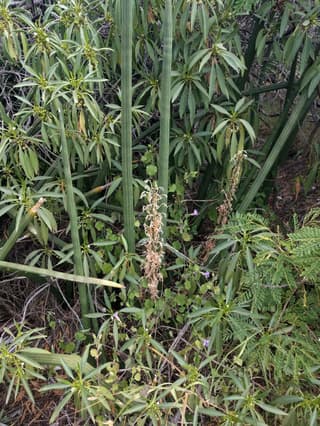
African Spear
Dracaena angolensis
Dracaena angolensis, commonly known as the African Spear or Cylindrical Snake Plant, is a succulent native to Angola and southern Africa. Taxonomic note: Dracaena angolensis (Welw. ex Carrière) Byng & Christenh. is an accepted synonym of Sansevieria cylindrica Bojer ex Hook. — the older name — and both names refer to exactly the same species. Its upright, subcylindrical dark-green leaves with grayish banding make it a striking ornamental choice. Exceptionally drought-tolerant, it thrives on neglect and adapts to a wide range of light conditions, making it one of the most beginner-friendly houseplants available.
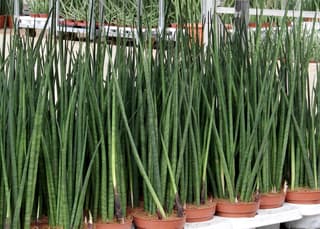
Bamboo Dracaena
Dracaena bacularis
Dracaena bacularis, commonly known as Bamboo Dracaena or Skinny Snake Plant, is a slender succulent native to the arid regions of Central Africa, particularly Angola. Its thin, cylindrical stems resemble bamboo canes, giving rise to its popular nickname. This plant is exceptionally resilient and beginner-friendly, tolerating low light, infrequent watering, and dry indoor air with ease.
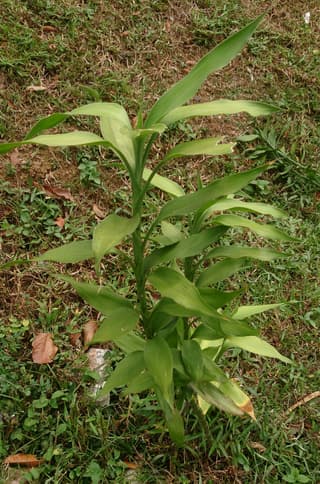
Lucky Bamboo
Dracaena braunii
Dracaena braunii, commonly known as Lucky Bamboo, is a slender, cane-stemmed perennial native to the rainforests of Cameroon in West Africa. Despite its common name and bamboo-like appearance, it is not a true bamboo but a member of the Asparagaceae family. Taxonomic note: Dracaena braunii Engl. (1892) is widely treated as a synonym of Dracaena sanderiana Sander ex Mast. (1892) — both names refer to the same plant. Our database maintains them as separate entries for reference; see also Dracaena sanderiana (ID: f49aa6d9-2af5-4da3-97d6-b03edc18fd95). Lucky Bamboo is one of the most popular indoor plants worldwide, deeply associated with Feng Shui and Asian cultural traditions. It tolerates low light and can be grown in water or well-draining soil, making it exceptionally versatile and beginner-friendly.
Janet Craig Dracaena
Dracaena deremensis
Dracaena deremensis, commonly known as Janet Craig Dracaena, is a striking tropical houseplant native to the rainforests of East Africa. It features long, arching deep-green leaves that emerge from a central cane, creating an elegant, architectural silhouette. One of the most low-maintenance indoor plants available, it thrives in low-light conditions and tolerates infrequent watering, making it a top choice for offices, living rooms, and beginners alike. It is also recognized as an effective air purifier.

Dragon Blood Tree
Dracaena draco
The Dragon Blood Tree (Dracaena draco) is an iconic, slow-growing tree native to the Canary Islands and Madeira, renowned for its dramatic umbrella-shaped canopy and the legendary red resin known as "dragon's blood." It can live for hundreds to over a thousand years, making it one of the world's most extraordinary long-lived plants.
Corn Plant
Dracaena fragrans
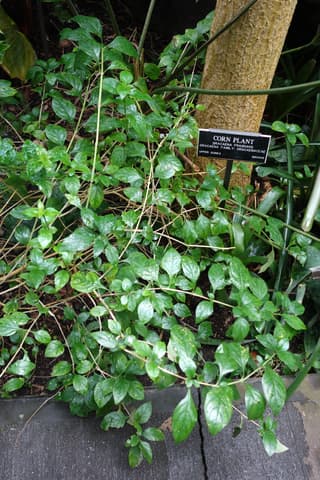
The Corn Plant (Dracaena fragrans) is a popular tropical houseplant native to Africa, known for its striking sword-shaped leaves that emerge from a woody cane-like stem. This elegant plant can grow up to 6 feet tall indoors and is prized for its air-purifying qualities and low-maintenance nature. The glossy green leaves often feature yellow or cream stripes, and mature plants may produce fragrant white flowers.
Compact Corn Plant
Dracaena fragrans 'Compacta'
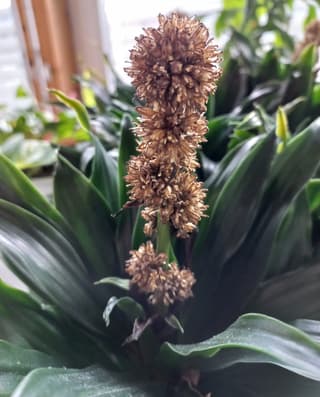
The Compact Corn Plant (Dracaena fragrans 'Compacta') is a dwarf cultivar of the classic corn plant, prized for its dense rosette of glossy, dark green leaves that rarely need pruning to keep a tidy shape. Native to tropical regions of Africa, this compact form typically stays under 1.2 m tall when grown in containers, making it a popular choice for offices, low-light rooms, and small apartments. It is one of the most forgiving and low-maintenance houseplants available, tolerating low light and occasional neglect.
Lemon Lime Corn Plant
Dracaena fragrans 'Lemon Lime'
Tropical houseplant with distinctive lime-yellow and green striped foliage. Slow-growing, upright shrub with glossy lance-shaped leaves and fragrant seasonal flowers. Popular ornamental valued for low-maintenance care and air-purifying properties.

Walking Sansevieria
Dracaena francisii
The Walking Sansevieria (Dracaena francisii, formerly Sansevieria francisii) is a compact succulent native to eastern Kenya along the Tana River. It forms tight rosettes of cylindrical, pointed leaves with grey-green banding, and is notable for producing above-ground stolons that root on contact with soil, creating new plantlets around the mother plant. Accepted name per POWO/IPNI: Dracaena francisii (Chahin.) Byng & Christenh.
Guiana Dracaena
Dracaena guianensis
Dracaena guianensis is a slow-growing evergreen foliage plant from the tropical understory of northern South America, with glossy, strap-shaped deep green leaves on slender upright stems. Grown as an easy indoor plant, it brings a lush, architectural look and helps freshen indoor air.
African Wild Dracaena
Dracaena hyacinthoides
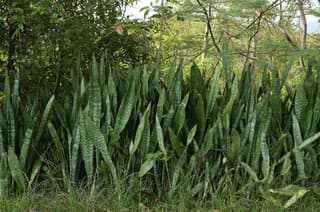
Dracaena hyacinthoides, formerly known as Sansevieria hyacinthoides, is a hardy succulent native to South Africa. Reclassified from the genus Sansevieria to Dracaena in 2017, this xerophyte forms rosettes of stiff, dark green lance-shaped leaves with pale green mottling. Exceptionally drought-tolerant, it thrives with minimal care and is prized for its air-purifying properties.
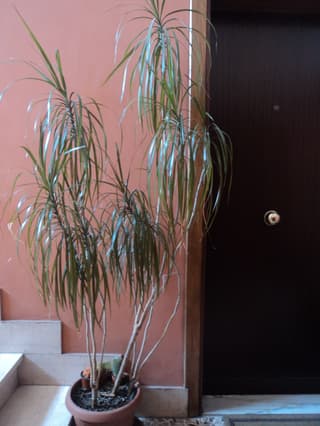
Dragon Tree
Dracaena marginata
Dracaena marginata, commonly known as the Dragon Tree, is an elegant houseplant featuring long, slender leaves in shades of green with distinctive red or purple margins. Native to Madagascar, it is prized for its sculptural form and low maintenance requirements. With proper care, it can live over 15-20 years indoors and is excellent for purifying indoor air.
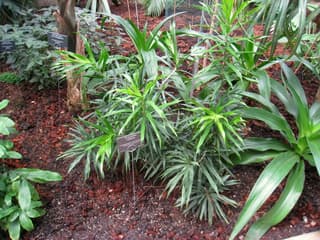
Song of India
Dracaena reflexa
Dracaena reflexa, commonly known as Song of India, is a slow-growing evergreen shrub native to Madagascar and the Indian Ocean islands. Prized for its elegant spiraling rosettes of glossy, lance-shaped leaves, it makes an excellent indoor plant that also purifies the air by removing formaldehyde and other volatile organic compounds.
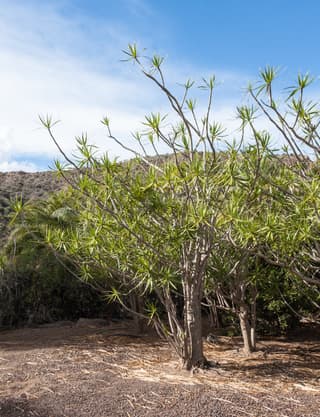
Narrow-leaf Song of India
Dracaena reflexa var. angustifolia
Dracaena reflexa var. angustifolia is a narrow-leaved variety of the Song of India, a tropical evergreen shrub native to Madagascar and nearby Indian Ocean islands. It features slender, sword-shaped leaves with a glossy dark-green color, arranged in dense spirals along upright, cane-like stems. Grown both as a striking houseplant and as an outdoor landscape shrub in warm climates, it is prized for its architectural form, low maintenance, and air-purifying qualities.
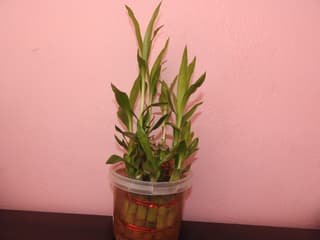
Lucky Bamboo
Dracaena sanderiana
Lucky Bamboo (Dracaena sanderiana) is a popular indoor plant native to Central Africa, despite its association with Asian culture and Feng Shui. It is not actually a bamboo but belongs to the Asparagaceae family. Known for its resilience and elegant twisted stems, it can grow in both water and soil. The plant is prized for its air-purifying properties, removing benzene and other toxins from indoor air.
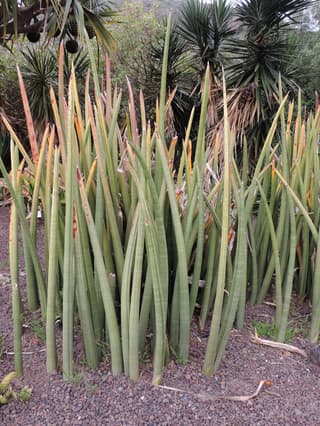
Elephant Tusk
Dracaena stuckyi
Dracaena stuckyi, formerly classified as Sansevieria stuckyi, is a tree-like succulent native to the dry woodlands of East and Southern Africa (Kenya, Mozambique, Zimbabwe, and South Africa). Unlike the fan-shaped rosettes of common snake plants, it grows tall, cylindrical, gray-green leaves that rise like spears or tusks directly from a thick rhizome, eventually reaching up to 2 meters in height. Reclassified into the genus Dracaena in 2017 following molecular studies, it is prized as a dramatic, low-maintenance architectural houseplant.
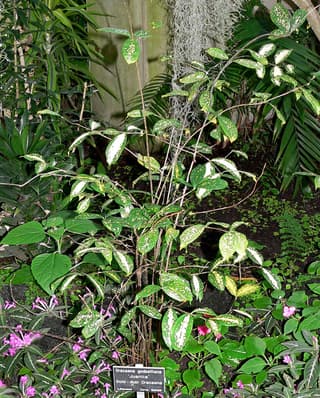
Gold Dust Dracaena
Dracaena surculosa
Dracaena surculosa, commonly known as Gold Dust Dracaena, is a slow-growing evergreen shrub native to the tropical rainforests of West Africa. Its glossy dark green leaves are elegantly speckled with creamy-yellow spots, resembling a dusting of gold — giving the plant its popular name. This compact, shade-tolerant houseplant is prized for its striking foliage and adaptability to low-light indoor environments.
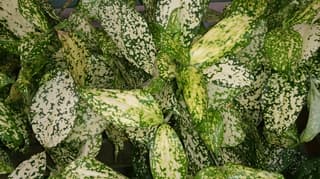
Florida Beauty
Dracaena surculosa 'Florida Beauty'
Dracaena surculosa 'Florida Beauty' is a compact cultivar of the West African Gold Dust Dracaena, prized for its dark green leaves generously speckled with cream and golden-yellow spots. A slow-growing, low-maintenance houseplant that thrives in bright indirect light.
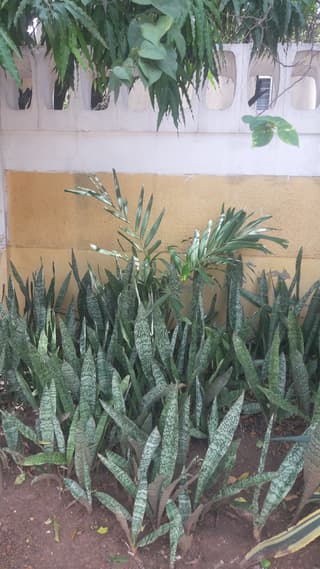
Snake Plant
Dracaena trifasciata
Dracaena trifasciata, commonly known as the Snake Plant or Mother-in-Law's Tongue, is an evergreen succulent perennial native to tropical West Africa, from Nigeria eastward to the Congo. Formerly classified as Sansevieria trifasciata and reclassified to the genus Dracaena in 2017 following molecular analysis, it is celebrated worldwide for its architectural upright leaves with distinctive gray-green cross-banding and bright yellow margins in variegated cultivars like 'Laurentii'. One of the most resilient houseplants in existence, it thrives under neglect and makes an ideal choice for beginners, offices, and low-light spaces.
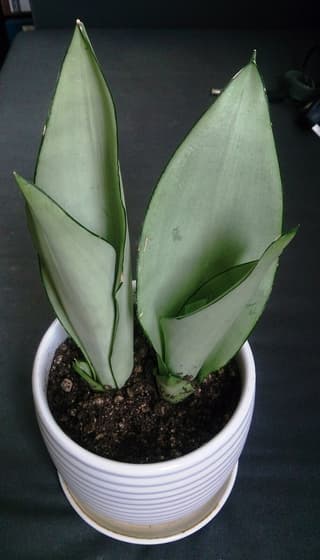
Moonshine Snake Plant
Dracaena trifasciata 'Moonshine'
A perennial succulent in the Asparagaceae family with broad, upright leaves displaying pale silver to mint-green coloration with minimal banding. Distinguished by its luminous, silvery tone and fine darker edge line, making it more striking than standard Dracaena trifasciata varieties. Previously classified as Sansevieria trifasciata 'Moonshine' before genus reclassification.
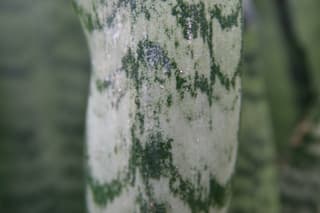
Ceylon Bowstring Hemp
Dracaena zeylanica
Dracaena zeylanica, commonly known as Ceylon Bowstring Hemp, is a succulent native to Sri Lanka and India. Previously classified as Sansevieria zeylanica, it features long, upright, slightly arching leaves with a distinctive wavy banding pattern of light and dark green. Often confused with the common snake plant (Sansevieria trifasciata), it differs by its narrower, more undulated leaves. Historically, its fibrous leaves were used to make bowstrings and rope. It is toxic to cats and dogs due to saponins.
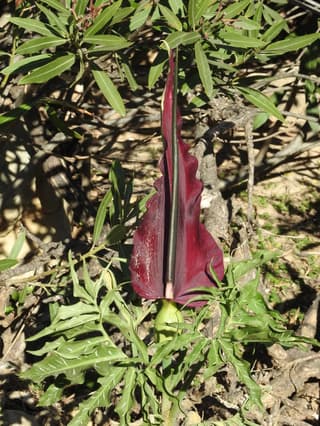
Dragon Lily
Dracunculus vulgaris
Dracunculus vulgaris, commonly known as Dragon Lily or Voodoo Lily, is a spectacular bulbous plant native to the Balkans and eastern Mediterranean. Its purple-spotted stems support a dramatic dark maroon spathe up to 50 cm long surrounding a near-black spadix. The plant emits a powerful rotting-flesh odor during bloom to attract fly and beetle pollinators. All parts contain calcium oxalate crystals and are toxic to humans, cats, and dogs.

Sea Squill
Drimia maritima
Sea Squill (Drimia maritima) is a large Mediterranean bulb that survives hot, dry summers dormant underground. In autumn it sends up a dramatic spike, up to 2 m tall, packed with small white star-shaped flowers, before a rosette of broad green leaves appears through winter and spring. The huge bulb can weigh around a kilogram. All parts are highly poisonous - the source of the rodenticide scilliroside.
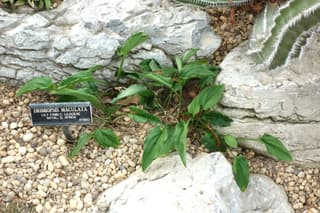
Little White Soldiers
Drimiopsis maculata
Drimiopsis maculata is a small bulbous plant native to eastern South Africa, admired for its oval leaves adorned with dark spots. It is one of the most resilient and adaptable houseplants, tolerating low light and short dry spells with ease.
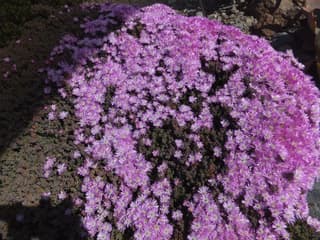
Rosea Iceplant
Drosanthemum floribundum
Drosanthemum floribundum is a fast-growing South African succulent groundcover covered in shimmering, daisy-like pink-purple flowers in spring and summer. Its low, trailing stems form a dense mat ideal for slopes, borders, and erosion control in dry landscapes.
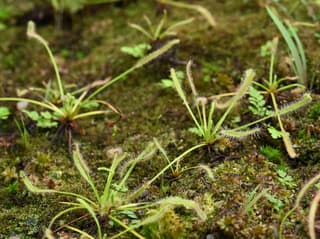
Sundew (genus)
Drosera
Drosera, commonly known as sundews, is one of the largest genera of carnivorous plants, with over 190 species found on every continent except Antarctica. They trap insects using sticky, glistening tentacles tipped with mucilaginous glands that resemble dewdrops in sunlight.
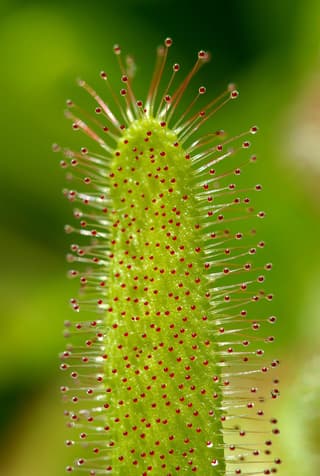
Cape Sundew
Drosera capensis
Drosera capensis, or Cape Sundew, is a carnivorous perennial native to the fynbos wetlands of the Western Cape, South Africa. Its narrow, strap-shaped leaves are covered in reddish tentacles tipped with sparkling, sticky mucilage that lure, trap, and digest small insects, supplying the plant with nitrogen and phosphorus that its nutrient-poor native soil lacks. Prized by beginners for its resilience and rapid growth, it produces small pink, self-pollinating flowers on tall stalks and readily self-seeds, often popping up as a friendly weed in other carnivorous plant pots.
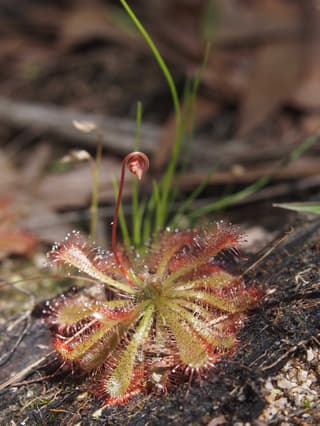
Spoon-leaved sundew
Drosera spatulata
Drosera spatulata, commonly known as the spoon-leaved sundew, is a small carnivorous plant native to Australia, New Zealand, Tasmania, and Southeast Asia. It forms a compact rosette of spoon-shaped leaves covered in red, dew-tipped tentacles that glisten to attract, trap, and digest small insects such as fruit flies and fungus gnats. It is widely regarded as one of the easiest sundews to grow, making it a favorite starter plant for carnivorous plant beginners.
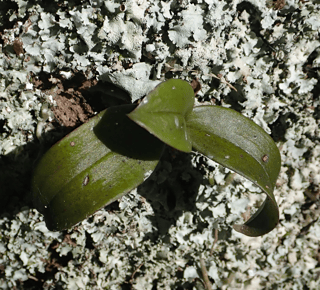
Green Fleshy Tree Orchid
Drymoanthus adversus
Drymoanthus adversus, commonly known as the Green Fleshy Tree Orchid, is a miniature epiphytic orchid endemic to New Zealand. It grows attached to tree trunks and branches in coastal to montane forests, forming compact tufts of dark green, fleshy leaves sometimes spotted with purple. In spring and early summer it produces small racemes of greenish-white flowers flecked with red.
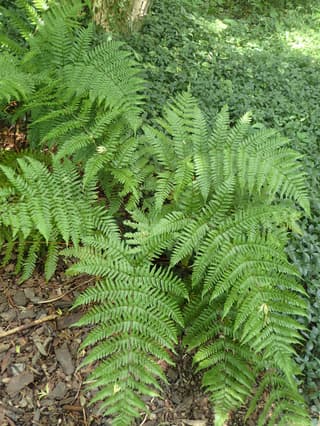
Wood Fern
Dryopteris
Dryopteris is a genus of robust and elegant ferns, commonly known as wood ferns. They are characterized by their bipinnate fronds that grow in a crown-like formation, providing a lush and architectural look. Native to temperate and tropical regions, they are perfect for shade gardens or as indoor plants in high-humidity environments.
Find the Perfect Plant
Our plant guide helps you find ideal species for your experience level and time of year.
Browse by Difficulty, Season & More
Use the filters below to narrow this catalog by care difficulty, season, environment, or search directly by name. Each filter leads to a focused list tailored to your specific growing conditions.