500 Best Plants for Brasilândia do Sul | 2026 Guide - Page 4
Discover the 500 ideal plants for Brasilândia do Sul's climate. Average temp: 23°C, Humidity: 75.1%.
Top 500 Plants for Brasilândia do Sul
Showing 109-144 of 500
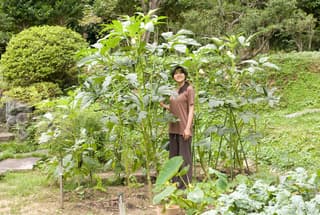
Okra
Abelmoschus esculentus
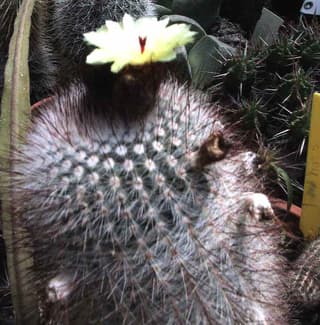
Silver Ball Cactus
Parodia scopa
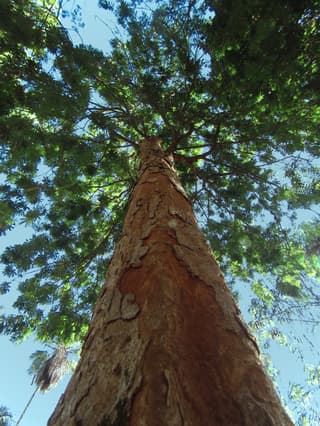
Brazilwood
Paubrasilia echinata
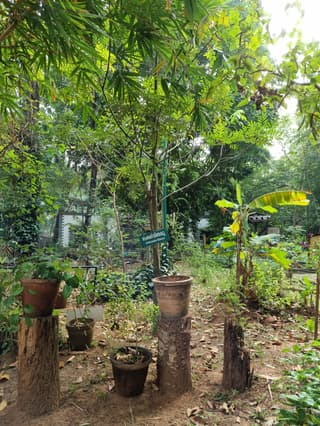
Bitterwood
Simarouba glauca
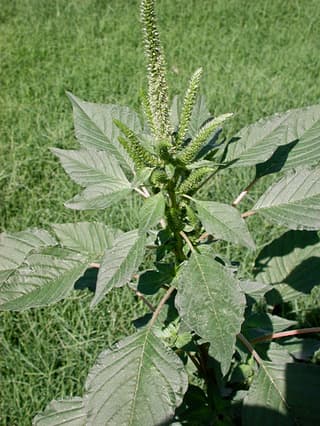
Palmer amaranth
Amaranthus palmeri
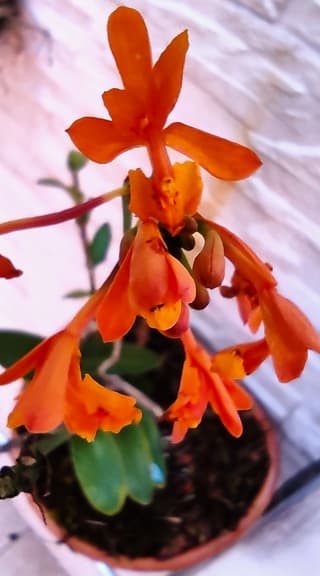
Beach Crucifix Orchid
Epidendrum fulgens
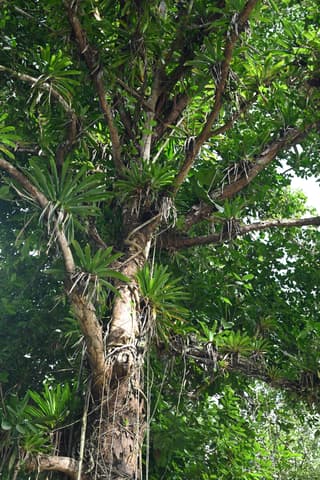
Guzmania
Guzmania
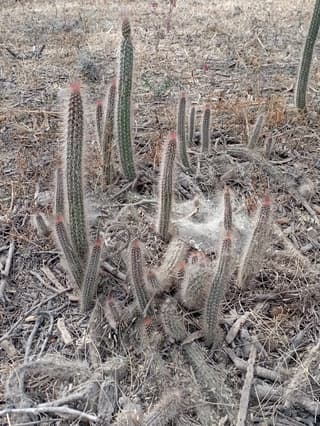
Snake Cactus, Junco, Queen of the Night
Nyctocereus serpentinus
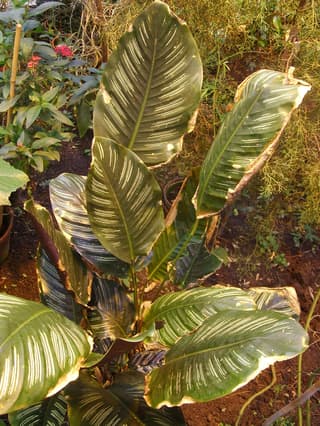
White Star Calathea
Goeppertia majestica
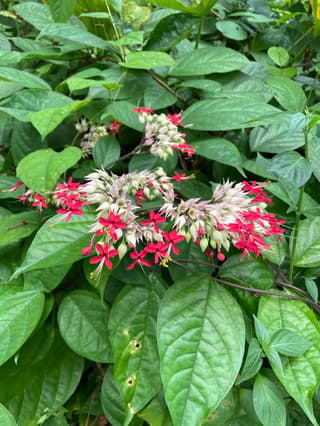
Glorybower (genus)
Clerodendrum
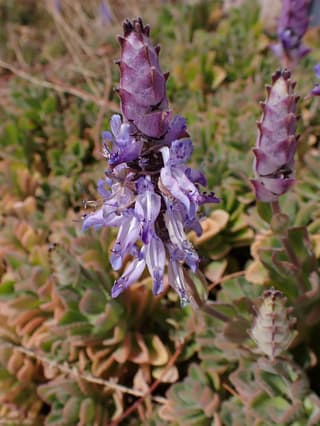
Scaredy Cat Plant
Coleus caninus
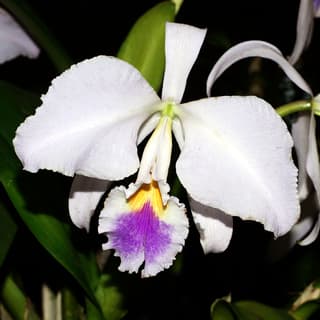
Mendel's Cattleya
Cattleya mendelii
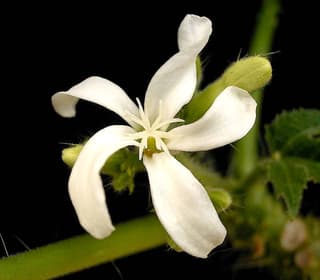
Bull Nettle
Cnidoscolus
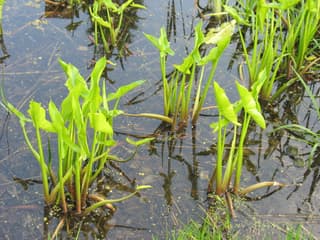
Arrow Arum
Peltandra
False Parasol
Chlorophyllum molybdites
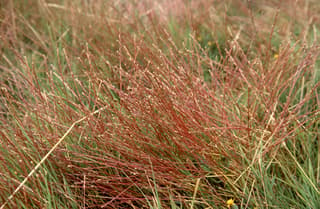
Sea Hard-grass
Parapholis strigosa
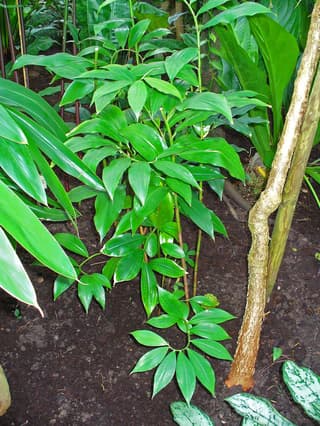
Crepe Ginger
Hellenia speciosa
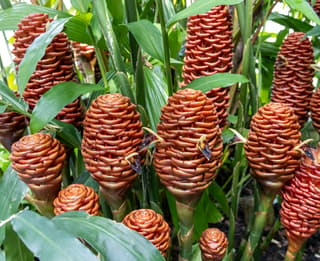
Ginger
Zingiber
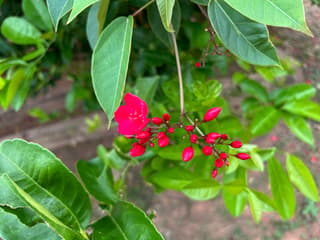
Peregrina
Jatropha integerrima
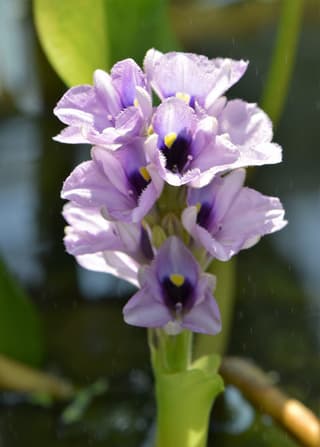
Anchored Water Hyacinth
Pontederia azurea
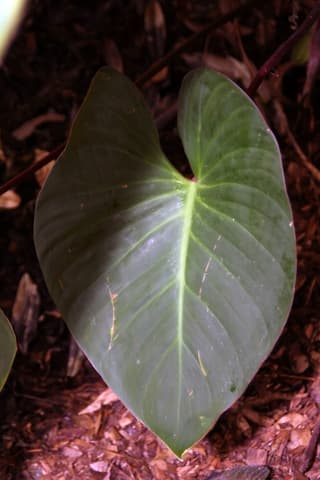
Homalomena
Homalomena
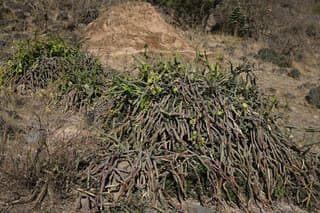
Veldt Grape
Cissus quadrangularis
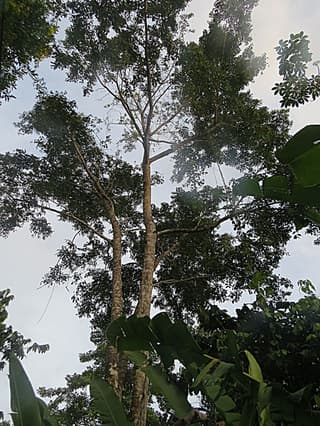
Yellow Mombin
Spondias mombin
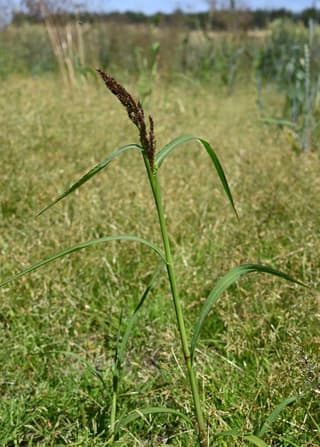
Barnyardgrass
Echinochloa crus-galli
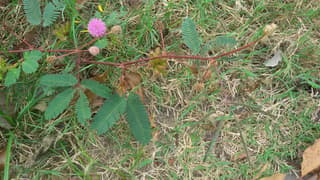
Sensitive Plant
Mimosa pudica
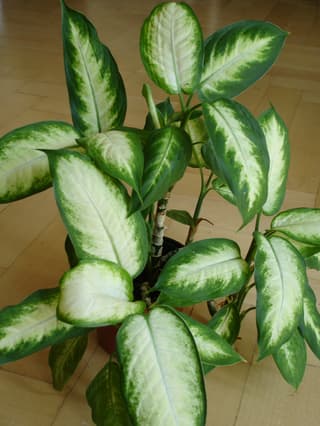
Bowmann Dumb Cane
Dieffenbachia bowmannii
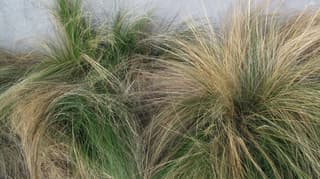
Mexican feather grass
Nassella tenuissima
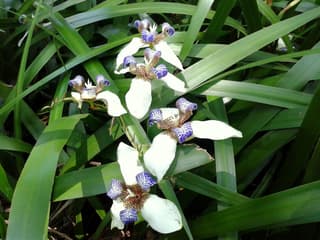
White Walking Iris
Neomarica candida
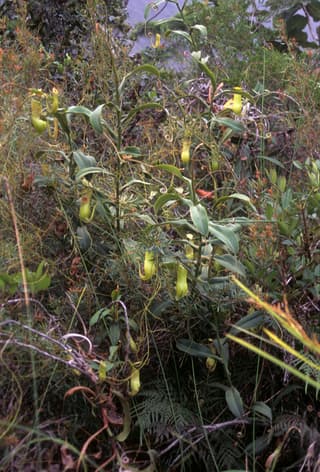
New Caledonia Pitcher Plant
Nepenthes vieillardii
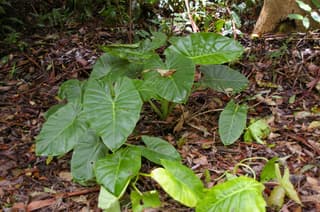
Cunjevoi
Alocasia brisbanensis
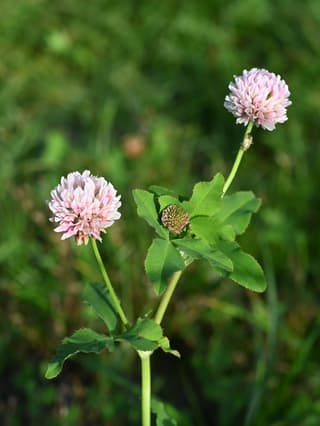
Alsike Clover
Trifolium hybridum
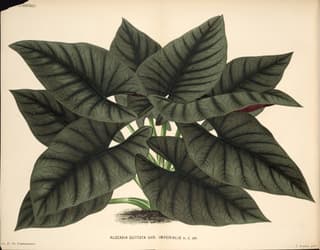
Alocasia Nebula
Alocasia nebula
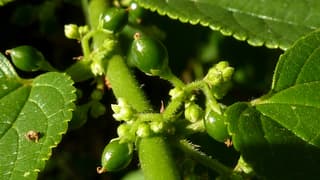
Jamaican Nettle Tree
Trema micrantha
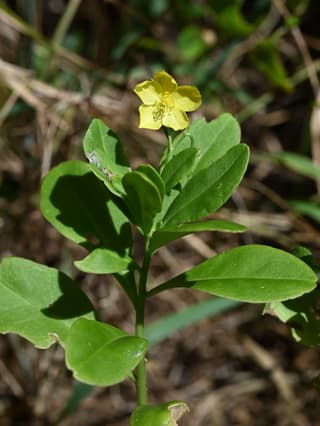
Waterleaf
Talinum fruticosum
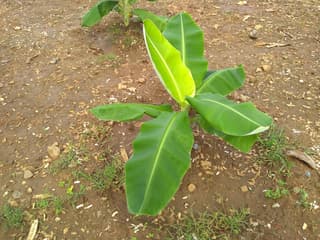
Banana
Musa
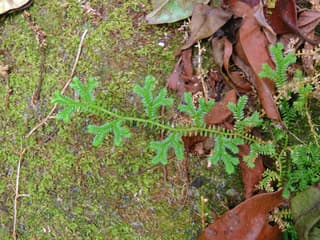
Spikemoss
Selaginella
Brasilândia do Sul Climate for Plant Growing
Brasilândia do Sul has a climate with an average annual temperature of 23°C and average relative humidity of 75.1%. These climate conditions are ideal for various species of ornamental and fruit plants.
Tips for Growing Plants in Brasilândia do Sul
To succeed in growing plants in Brasilândia do Sul, consider the average temperature of 23°C when choosing your species. The temperate climate allows you to grow a wide variety of species. High humidity favors tropical plants, but watch for fungal issues.
Why Choose Plants Adapted to the Local Climate?
Plants adapted to Brasilândia do Sul's climate require less care, consume less water, and are more likely to thrive. Our selection considers the compatibility between each species' needs and local climate conditions, including temperature (23°C) and humidity (75.1%).