500 Best Plants for Cabecera Municipal Duitama | 2026 Guide - Page 13
Discover the 500 ideal plants for Cabecera Municipal Duitama's climate. Average temp: 14.9°C, Humidity: 71.5%.
Top 500 Plants for Cabecera Municipal Duitama
Showing 433-468 of 500
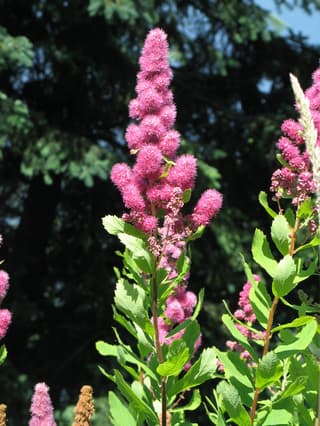
Douglas Spirea
Spiraea douglasii
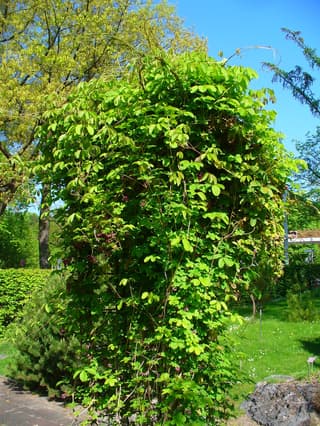
Chocolate Vine
Akebia quinata
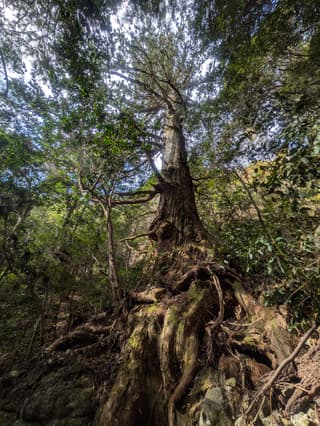
Japanese Cedar
Cryptomeria japonica
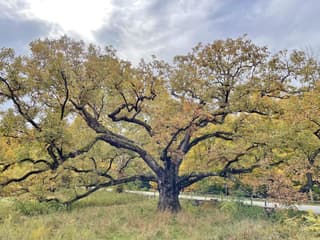
White Oak
Quercus alba
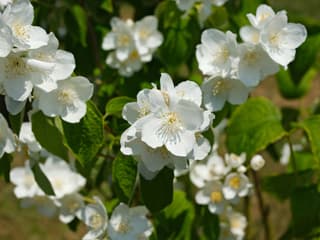
Scentless Mock Orange
Philadelphus inodorus
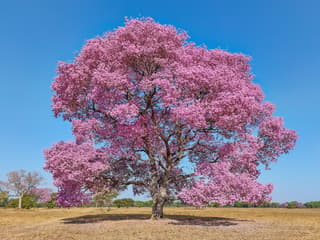
Trumpet Tree
Handroanthus
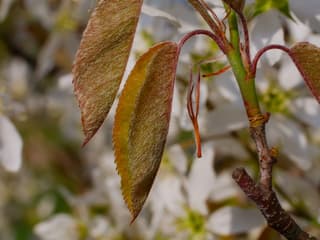
Juneberry
Amelanchier × lamarckii
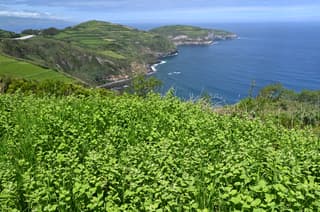
Pineapple Mint
Mentha suaveolens
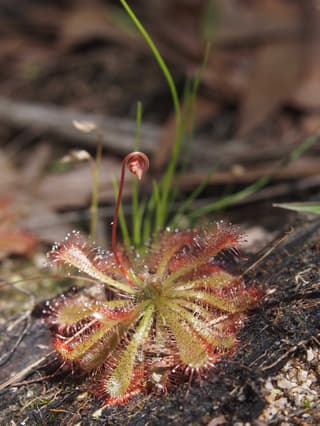
Spoon-leaved sundew
Drosera spatulata
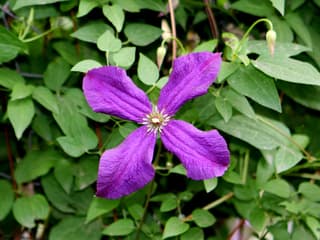
Clematis
Clematis
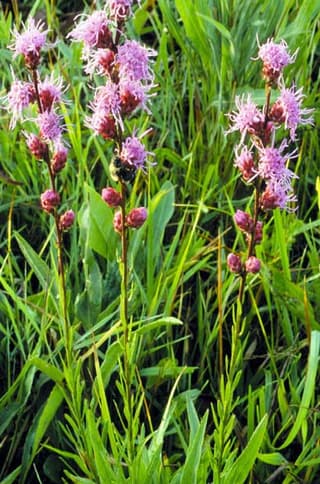
Rough Blazing Star
Liatris aspera
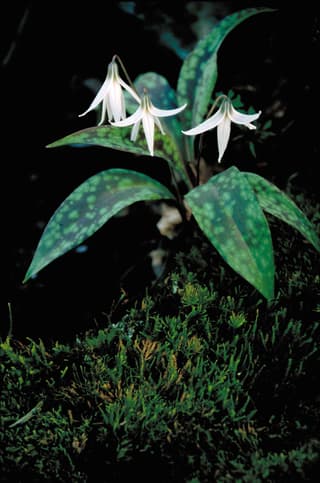
Trout Lily
Erythronium
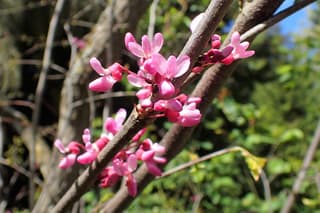
Chinese Redbud
Cercis chinensis
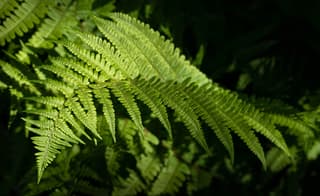
Lady Fern
Athyrium
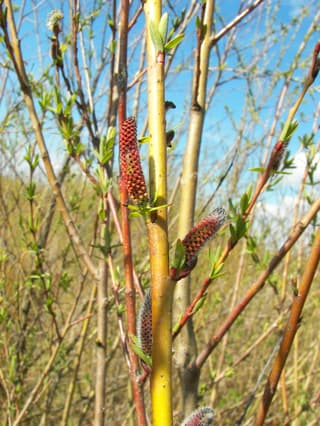
Purple Willow
Salix purpurea
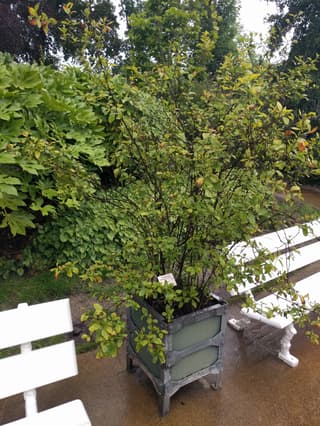
Cape Leadwort
Plumbago auriculata
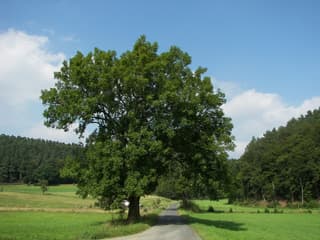
European Ash
Fraxinus excelsior
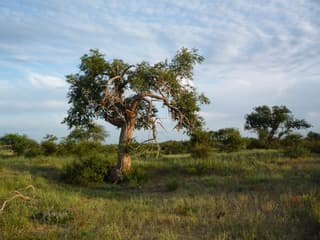
Siberian Elm
Ulmus pumila
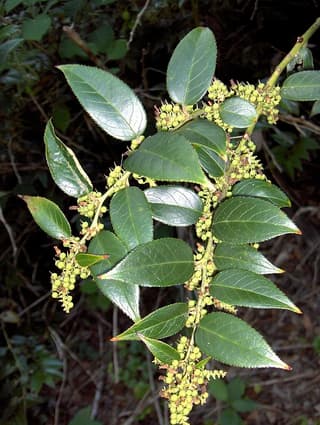
Fetterbush
Leucothoe fontanesiana
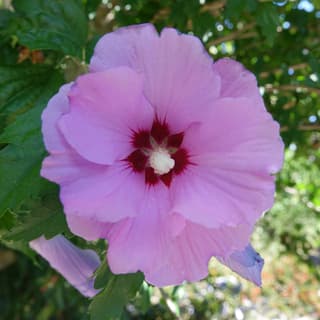
Rose of Sharon
Hibiscus syriacus
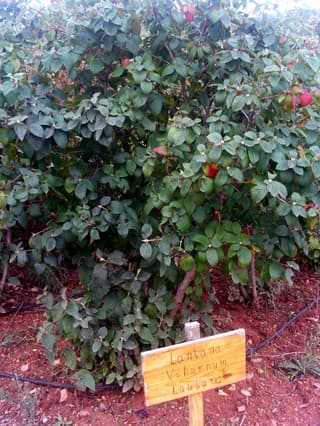
Wayfaring Tree
Viburnum lantana
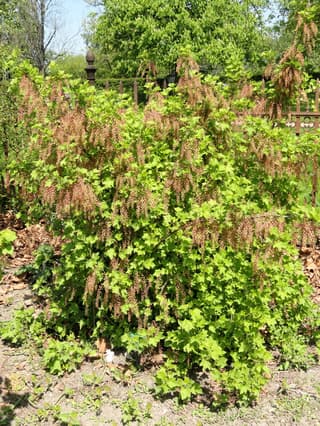
Downy Currant
Ribes spicatum
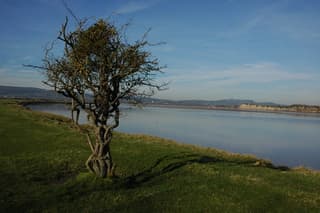
Hawthorn
Crataegus

Cape Primrose
Streptocarpus
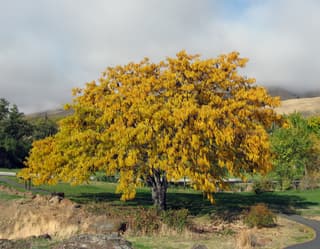
Honey Locust
Gleditsia triacanthos
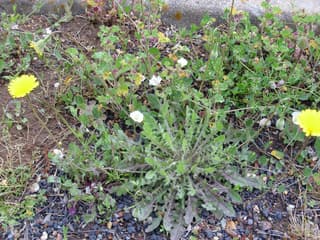
Rough Hawkbit
Leontodon hispidus
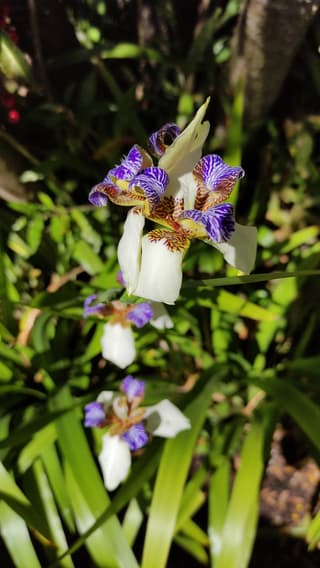
Yellow Walking Iris
Trimezia gracilis
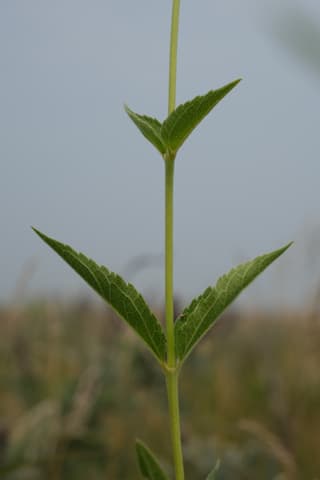
False Sunflower
Heliopsis helianthoides
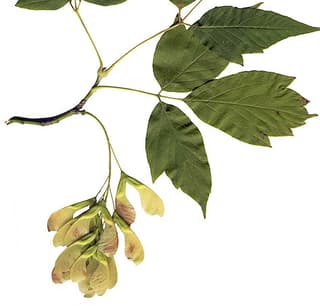
Boxelder
Acer negundo
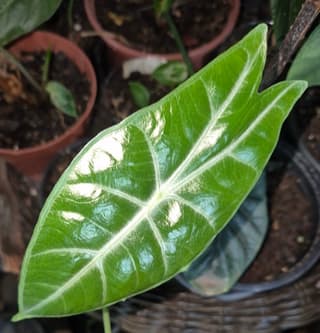
Dragon Scale Alocasia
Alocasia longiloba
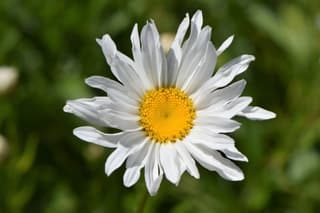
Max Chrysanthemum
Leucanthemum maximum
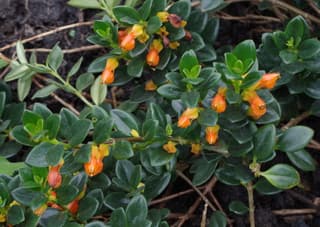
Goldfish Plant
Nematanthus gregarius
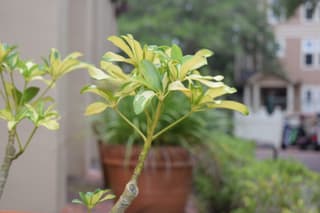
Umbrella Tree
Heptapleurum
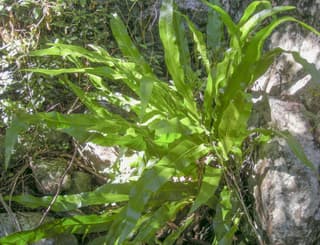
Fishtail Fern
Microsorum punctatum
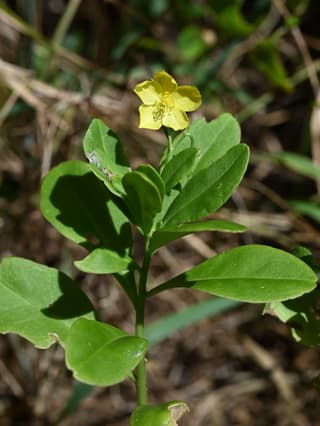
Waterleaf
Talinum fruticosum
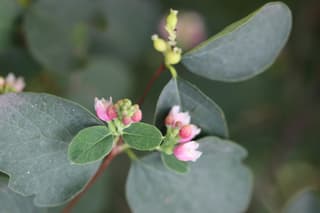
Common Snowberry
Symphoricarpos albus
Cabecera Municipal Duitama Climate for Plant Growing
Cabecera Municipal Duitama has a climate with an average annual temperature of 14.9°C and average relative humidity of 71.5%. These climate conditions are ideal for various species of ornamental and fruit plants.
Tips for Growing Plants in Cabecera Municipal Duitama
To succeed in growing plants in Cabecera Municipal Duitama, consider the average temperature of 14.9°C when choosing your species. Protect cold-sensitive plants during winter. High humidity favors tropical plants, but watch for fungal issues.
Why Choose Plants Adapted to the Local Climate?
Plants adapted to Cabecera Municipal Duitama's climate require less care, consume less water, and are more likely to thrive. Our selection considers the compatibility between each species' needs and local climate conditions, including temperature (14.9°C) and humidity (71.5%).