500 Best Plants for County of Warner | 2026 Guide - Page 4
Discover the 500 ideal plants for County of Warner's climate. Average temp: 7.6°C, Humidity: 62.7%.
Top 500 Plants for County of Warner
Showing 109-144 of 500
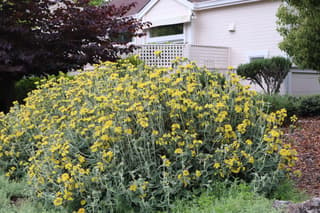
Jerusalem sage
Phlomis
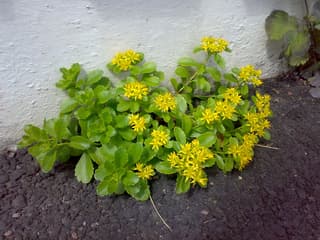
Siberian Stonecrop
Phedimus hybridus
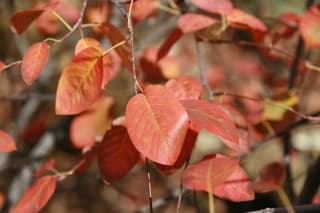
Serviceberry
Amelanchier canadensis
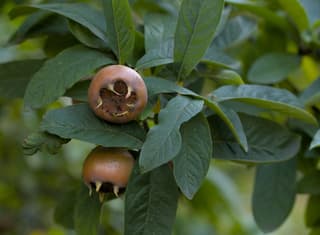
Medlar
Mespilus germanica
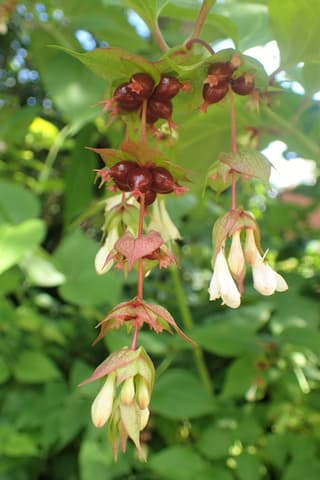
Himalayan honeysuckle
Leycesteria formosa
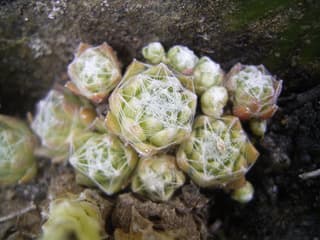
Cobweb Houseleek
Sempervivum arachnoideum
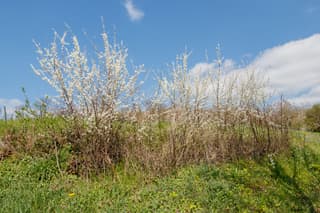
Blackthorn
Prunus spinosa
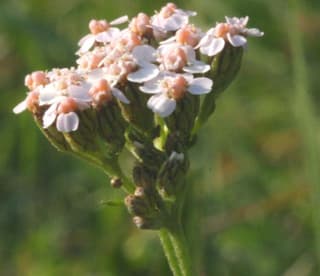
Pink Yarrow
Achillea × roseoalba
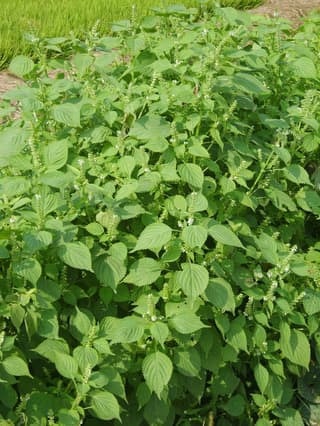
Shiso
Perilla frutescens
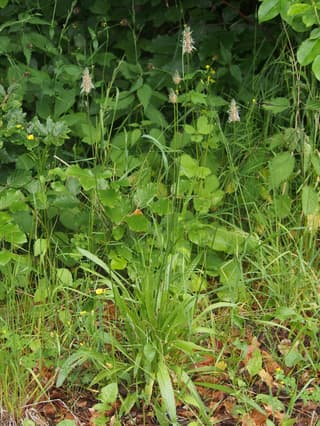
Ribwort Plantain
Plantago lanceolata
Brazilian Ironweed
Vernonanthura polyanthes

Wild Lettuce
Lactuca virosa
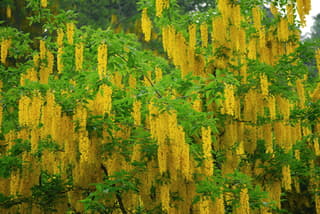
Scotch laburnum
Laburnum alpinum
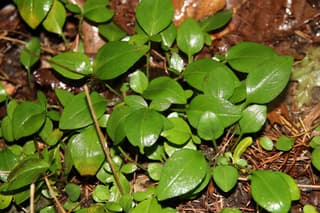
Shrubby St. John's Wort
Hypericum prolificum
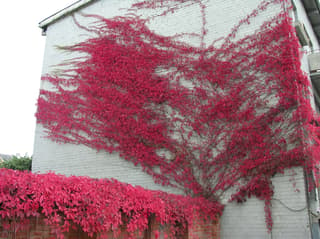
Woodbine
Parthenocissus
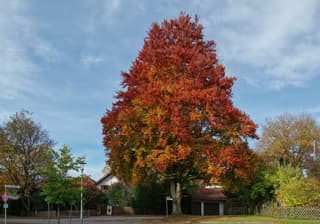
European Beech
Fagus sylvatica
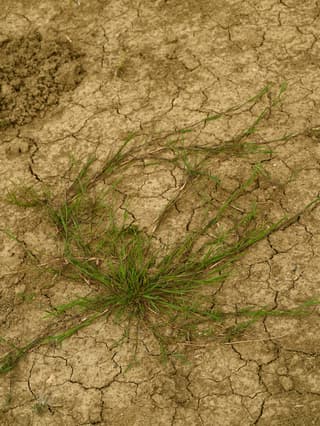
Creeping bentgrass
Agrostis stolonifera
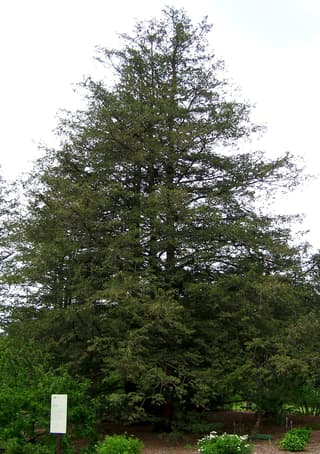
Sawara cypress
Chamaecyparis pisifera
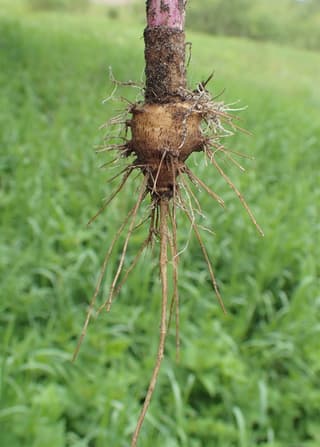
Bulbous Chervil
Chaerophyllum
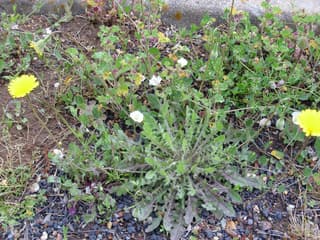
Rough Hawkbit
Leontodon hispidus
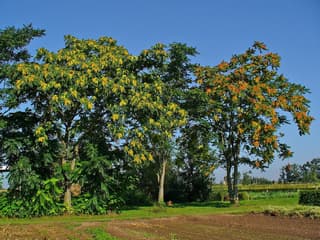
Tree of Heaven
Ailanthus
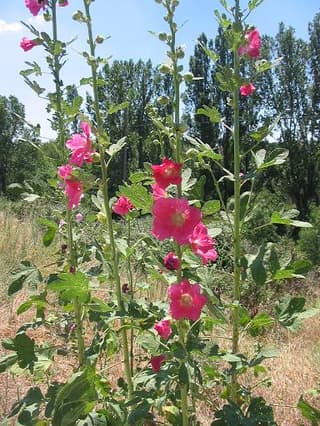
Hollyhock
Alcea rosea
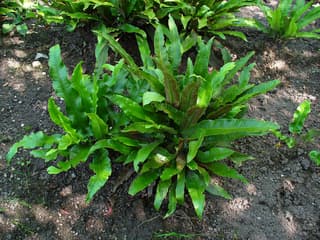
Hart's-tongue Fern
Asplenium scolopendrium
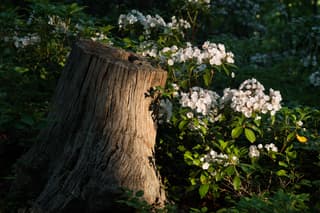
Mountain Laurel
Kalmia
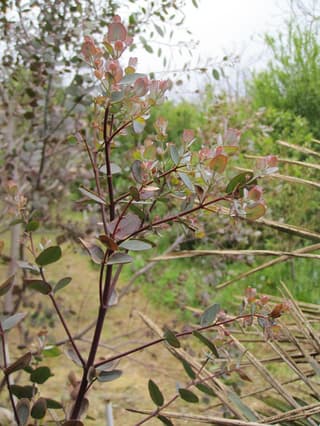
Cider Gum
Eucalyptus gunnii
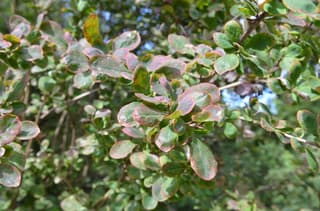
Ottawa Barberry
Berberis × ottawensis
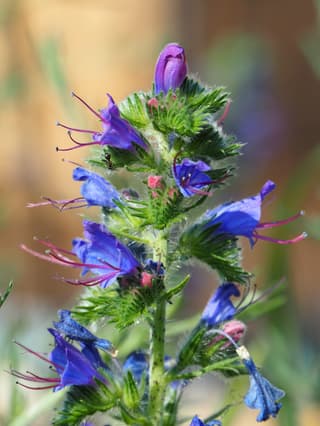
Viper's Bugloss
Echium vulgare
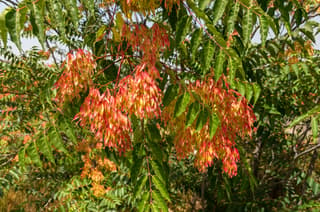
Tree of Heaven
Ailanthus altissima
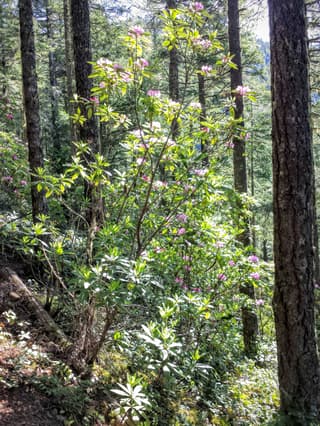
Pacific Rhododendron
Rhododendron macrophyllum
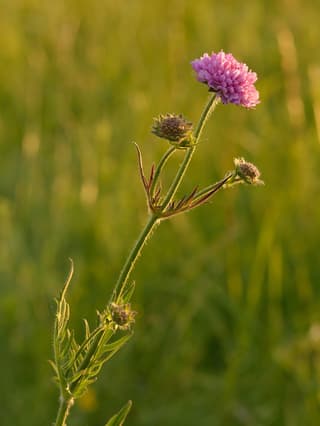
Field Scabious
Knautia arvensis
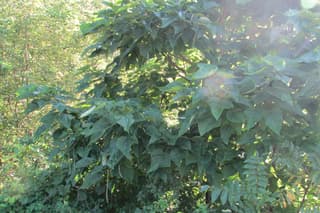
Northern Catalpa
Catalpa speciosa
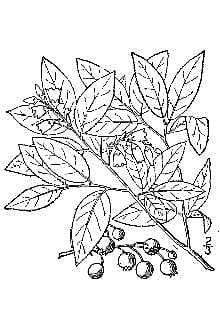
Hillside Blueberry
Vaccinium pallidum
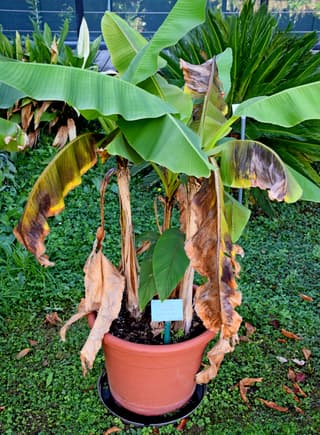
Japanese Banana
Musa basjoo
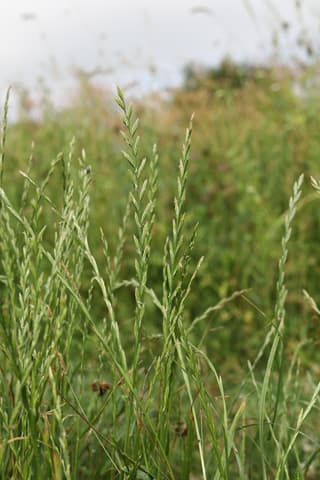
Perennial ryegrass
Lolium perenne
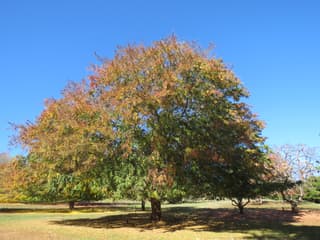
Chinese Elm
Ulmus parvifolia
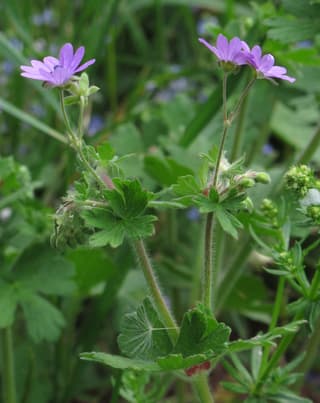
Hedgerow Cranesbill
Geranium pyrenaicum
County of Warner Climate for Plant Growing
County of Warner has a climate with an average annual temperature of 7.6°C and average relative humidity of 62.7%. These climate conditions are ideal for various species of ornamental and fruit plants.
Tips for Growing Plants in County of Warner
To succeed in growing plants in County of Warner, consider the average temperature of 7.6°C when choosing your species. Protect cold-sensitive plants during winter. Moderate humidity is ideal for most plants.
Why Choose Plants Adapted to the Local Climate?
Plants adapted to County of Warner's climate require less care, consume less water, and are more likely to thrive. Our selection considers the compatibility between each species' needs and local climate conditions, including temperature (7.6°C) and humidity (62.7%).