500 Best Easy Care for Frederico Westphalen | 2026 Guide - Page 3
The 500 best easy care to grow in Frederico Westphalen. Ideal climate: 20.2°C, 77.3% humidity.
500 Easy Care for Frederico Westphalen
Showing 73-108 of 500
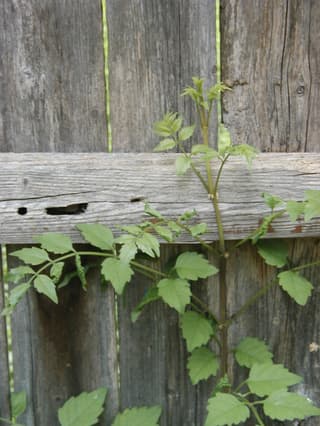
Trumpet Creeper
Campsis radicans
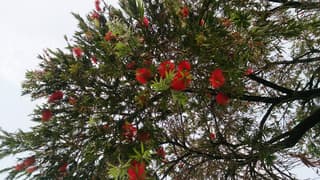
Crimson bottlebrush
Melaleuca citrina
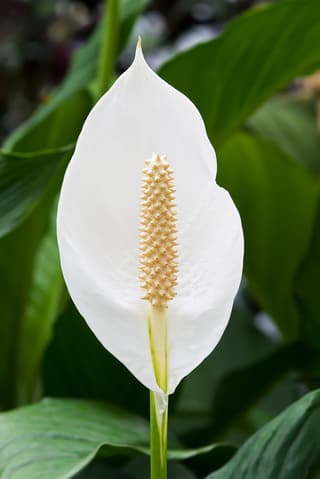
Peace Lily
Spathiphyllum wallisii
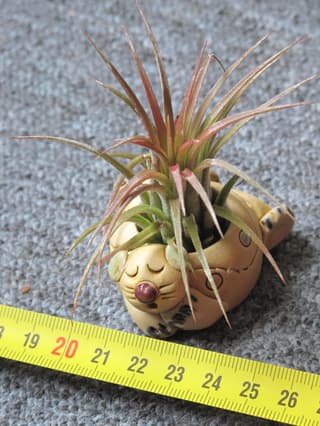
Sky Plant
Tillandsia ionantha
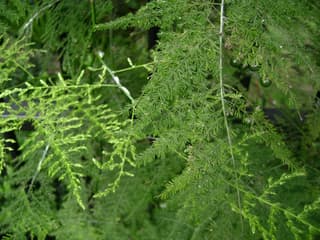
Lace Fern
Asparagus setaceus
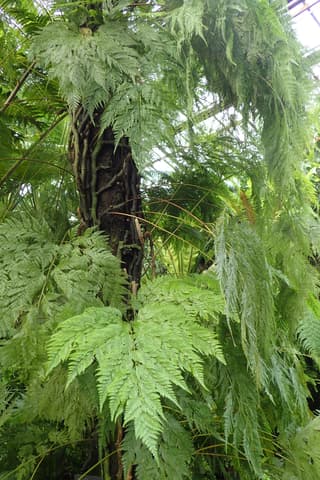
Rabbit's Foot Fern
Davallia fejeensis

Bangalow Palm
Archontophoenix cunninghamiana
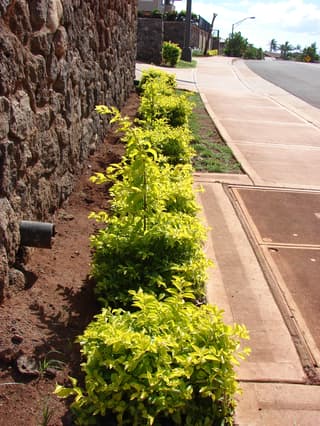
Golden Dewdrop
Duranta erecta
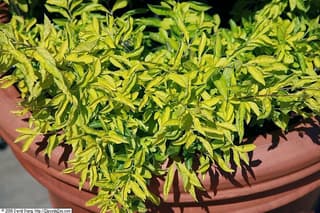
Golden Dewdrop
Duranta erecta aurea
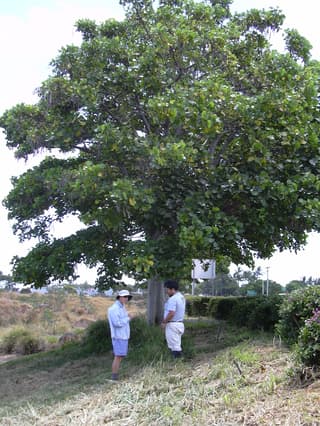
Indian Coral Tree
Erythrina variegata

Common Blanketflower
Gaillardia aristata
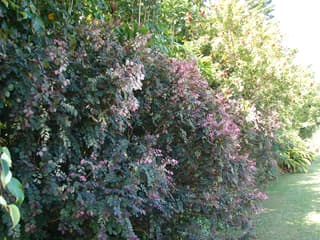
Snowbush
Breynia disticha
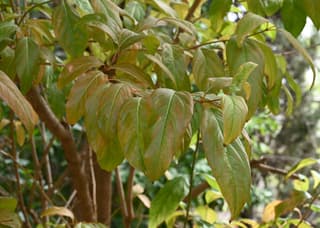
Fiddlewood
Citharexylum spinosum
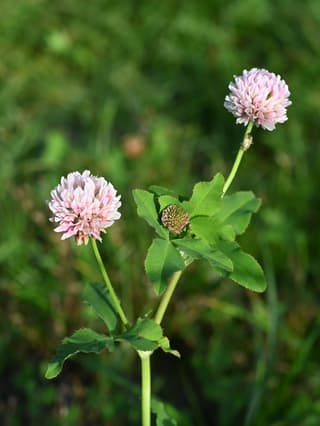
Alsike Clover
Trifolium hybridum
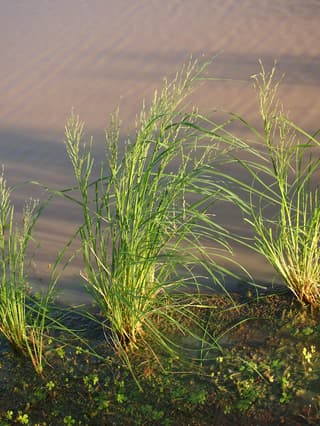
Kallar grass
Diplachne fusca

Tiger grass
Thysanolaena latifolia
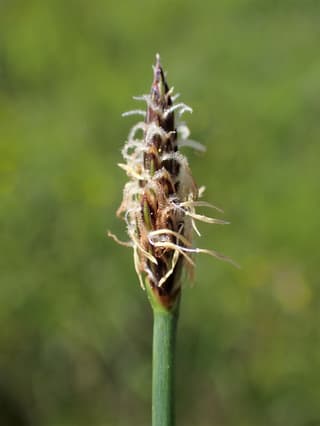
Spikerush
Eleocharis
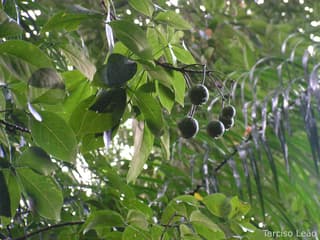
Garlic Pear
Crateva tapia
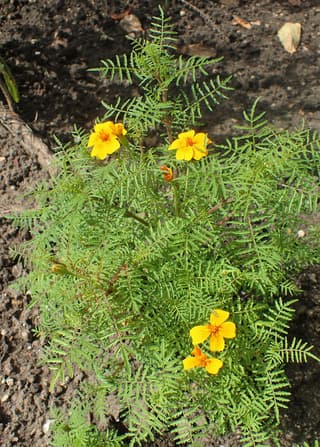
Signet Marigold
Tagetes tenuifolia
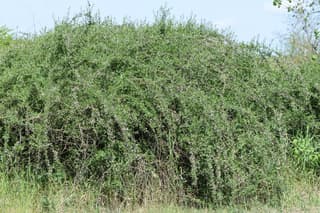
Goji Berry
Lycium barbarum
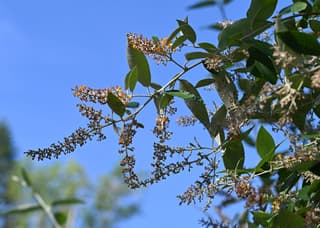
Madagascar Butterfly Bush
Buddleja madagascariensis
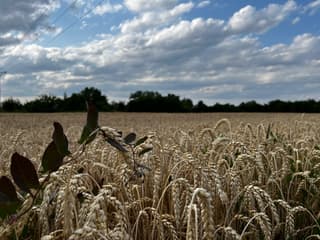
Field Bindweed
Convolvulus arvensis
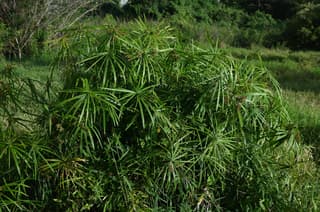
Umbrella Sedge
Cyperus
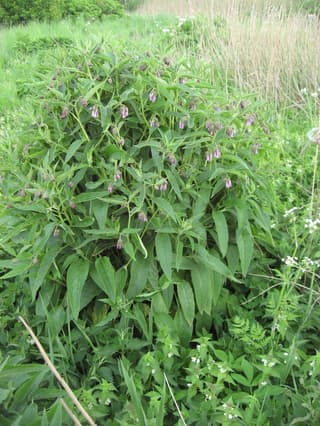
Russian Comfrey
Symphytum × uplandicum
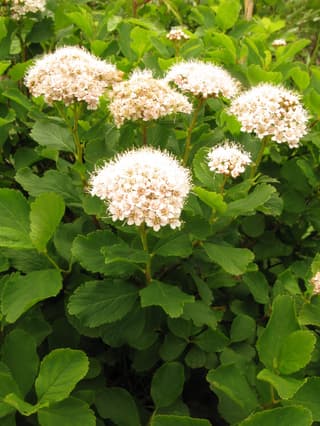
Birchleaf Spirea
Spiraea betulifolia
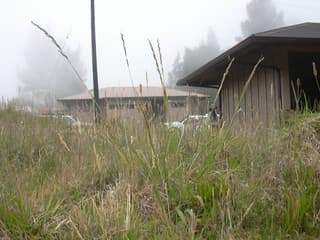
Tall Fescue
Festuca arundinacea
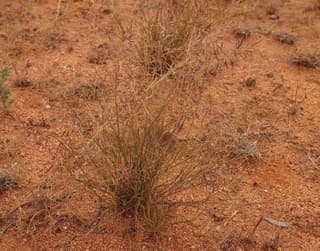
Little lovegrass
Eragrostis minor
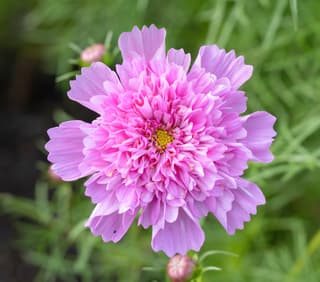
Garden Cosmos
Cosmos
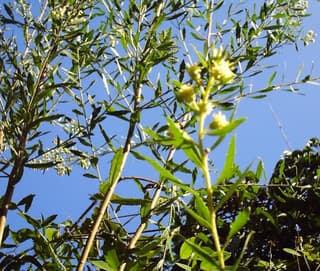
Field Rosemary
Baccharis dracunculifolia
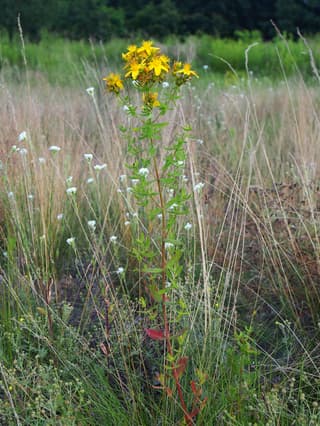
St. John's Wort
Hypericum
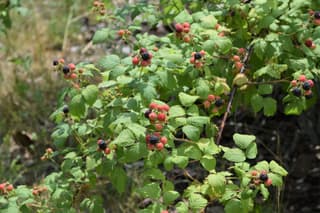
Black Raspberry
Rubus occidentalis
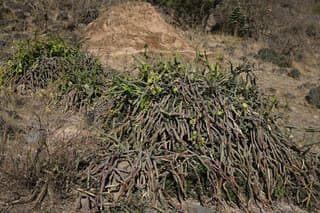
Veldt Grape
Cissus quadrangularis
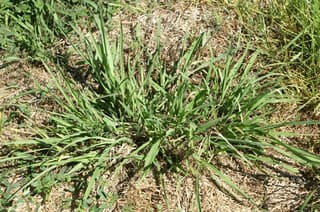
Dallisgrass
Paspalum dilatatum
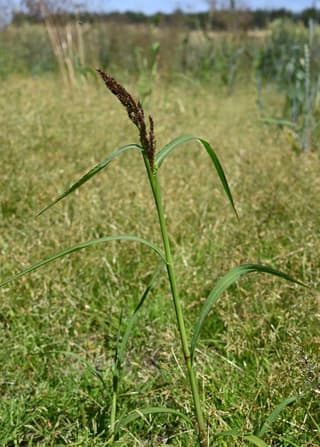
Barnyardgrass
Echinochloa crus-galli
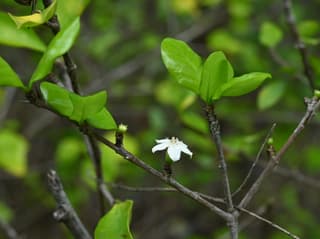
White Indigoberry
Randia aculeata
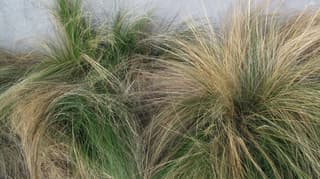
Mexican feather grass
Nassella tenuissima
Ideal Easy Care for Frederico Westphalen's Climate
Frederico Westphalen has an average temperature of 20.2°C and humidity of 77.3%, conditions that directly influence which easy care best adapt to the local environment.
How to Grow Easy Care in Frederico Westphalen
To successfully grow easy care in Frederico Westphalen, consider that the average temperature of 20.2°C and humidity of 77.3% create a specific microclimate. High humidity favors tropical species, but requires attention to ventilation to prevent fungal issues.
Advantages of Choosing Adapted Easy Care
Easy Care adapted to Frederico Westphalen's climate show greater resistance, healthy growth, and less need for interventions.