112 Best Orchids for Garopaba | 2026 Guide
The 112 best orchids to grow in Garopaba. Ideal climate: 20.3°C, 82.7% humidity.
112 Orchids for Garopaba
Showing 1-36 of 112
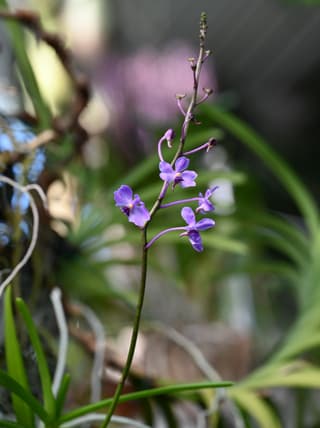
Blue Vanda
Vanda coerulescens
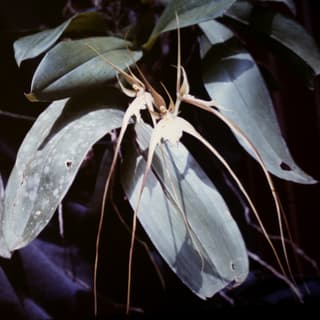
Spider Orchid
Brassia caudata
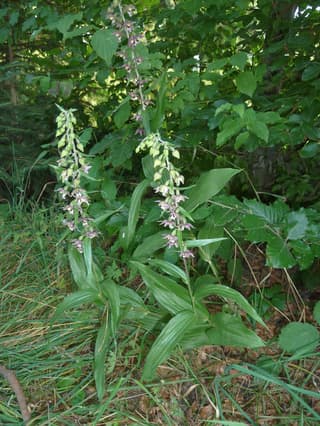
Helleborine
Epipactis

Green-winged orchid
Anacamptis morio
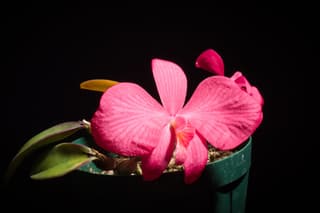
Wittig's Cattleya
Cattleya wittigiana
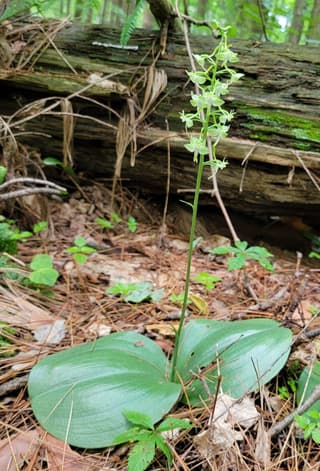
Large Round-leaved Orchid
Platanthera orbiculata
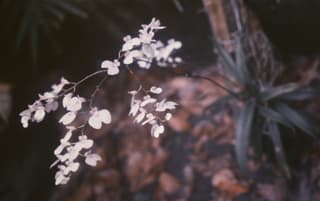
Delicate violet orchid
Ionopsis utricularioides
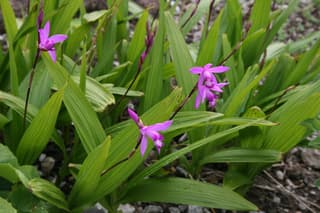
Chinese Ground Orchid
Bletilla striata
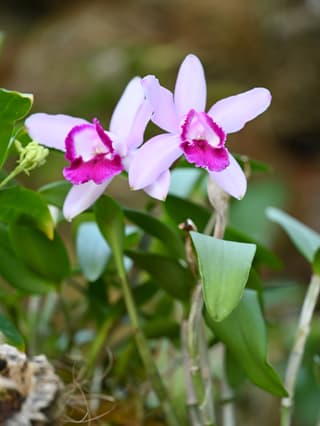
Easter Cattleya
Cattleya intermedia
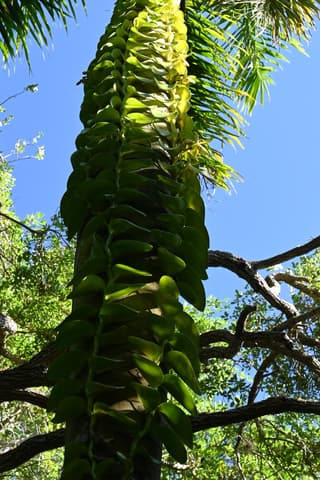
Vanilla Orchid
Vanilla planifolia
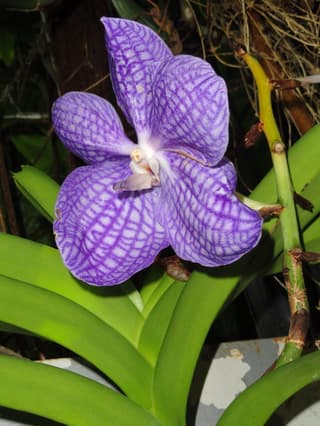
Blue Vanda Orchid
Vanda coerulea
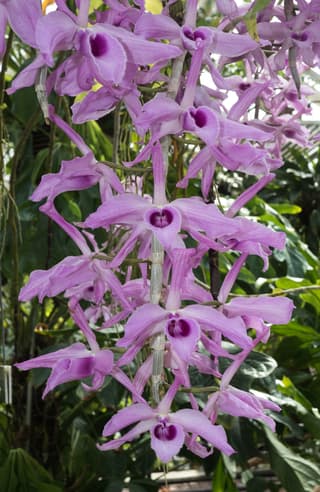
Honohono Orchid
Dendrobium anosmum
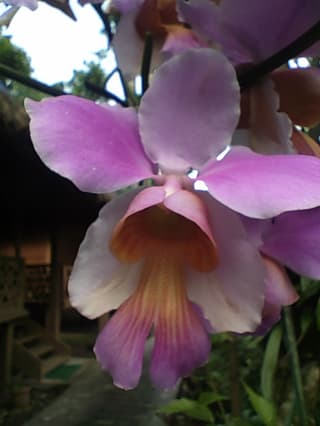
Terete Vanda
Papilionanthe teres
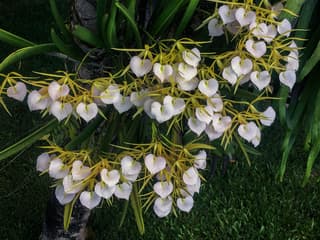
Lady of the Night
Brassavola nodosa
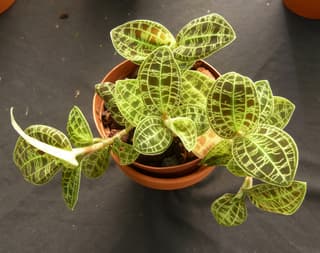
Jewel Orchid
Macodes petola
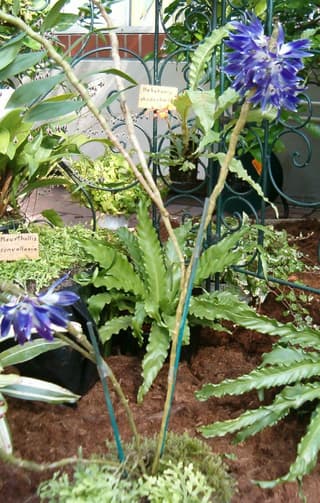
Queen Victoria's Dendrobium
Dendrobium victoriae-reginae
Hyacinth Orchid
Dipodium squamatum
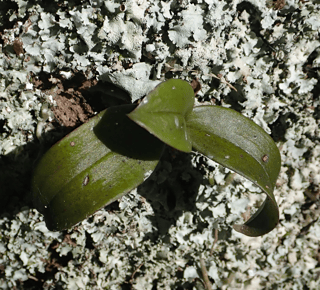
Green Fleshy Tree Orchid
Drymoanthus adversus
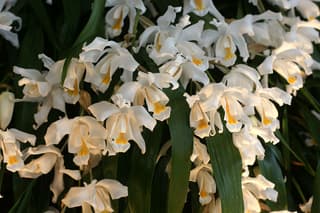
Snow Queen Orchid
Coelogyne cristata
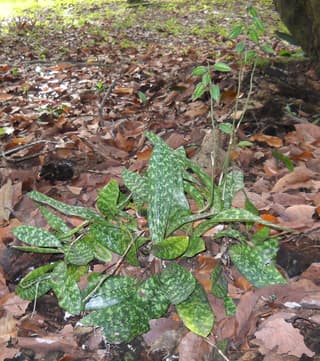
Spotted Eulophia
Eulophia maculata
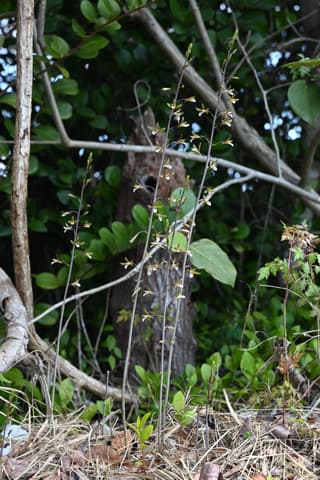
Chinese Crown Orchid
Eulophia graminea

Palm Vanilla Orchid
Vanilla palmarum
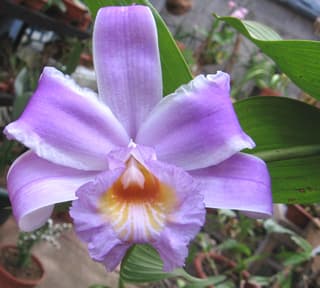
Beautiful Sobralia
Sobralia decora
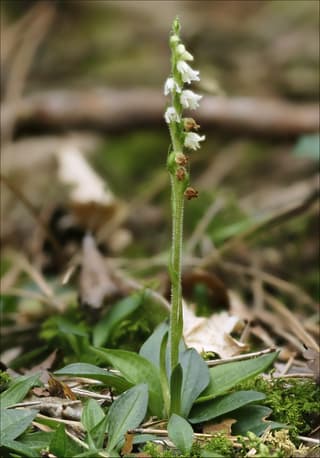
Creeping lady's-tresses
Goodyera repens
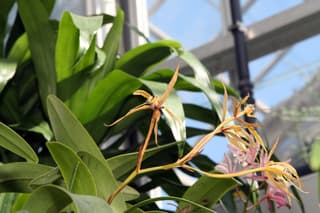
Fringed Star Orchid
Epidendrum ciliare
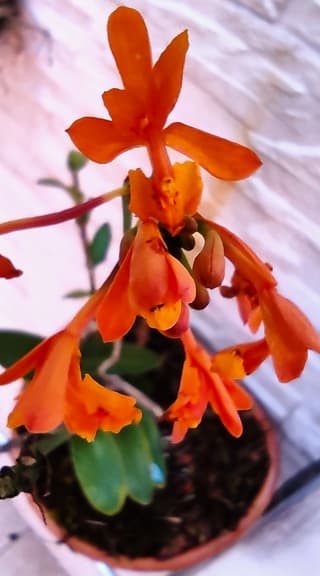
Beach Crucifix Orchid
Epidendrum fulgens
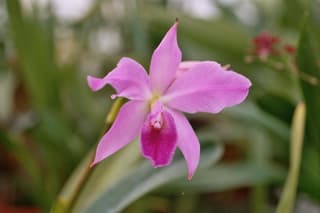
Cattleya Orchid
Cattleya spp
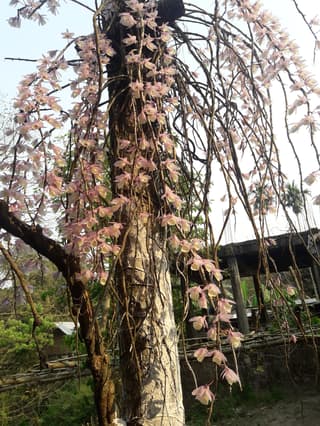
Hooded Orchid
Dendrobium aphyllum
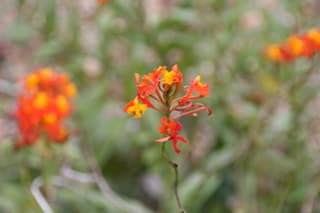
Crucifix Orchid
Epidendrum
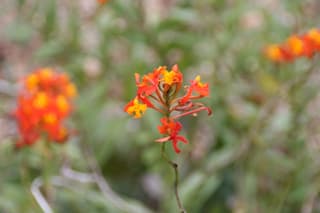
Reed-stem Epidendrum
Epidendrum radicans
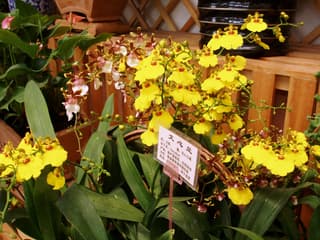
Dancing Doll Orchid
Oncidium flexuosum

Fragrant Encyclia
Encyclia fragrans
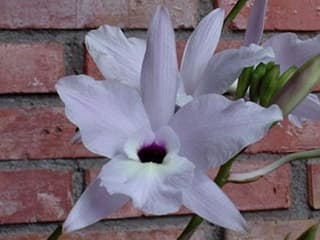
Rosy Tinted Laelia
Laelia rubescens
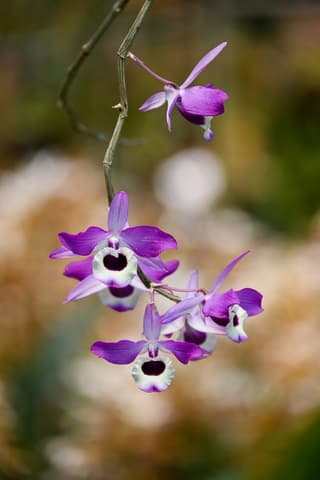
Dendrobium Orchid (genus)
Dendrobium
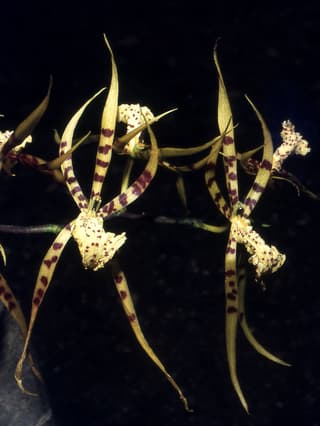
Spider Orchid
Brassia arachnoidea
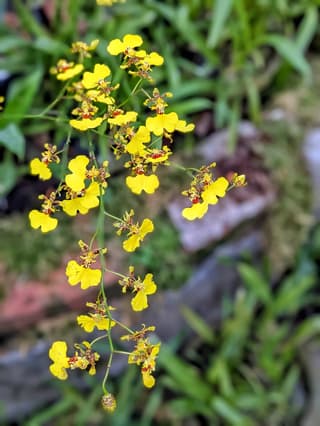
Golden Shower Orchid
Oncidium varicosum
Ideal Orchids for Garopaba's Climate
Garopaba has an average temperature of 20.3°C and humidity of 82.7%, conditions that directly influence which orchids best adapt to the local environment.
How to Grow Orchids in Garopaba
To successfully grow orchids in Garopaba, consider that the average temperature of 20.3°C and humidity of 82.7% create a specific microclimate. High humidity favors tropical species, but requires attention to ventilation to prevent fungal issues.
Advantages of Choosing Adapted Orchids
Orchids adapted to Garopaba's climate show greater resistance, healthy growth, and less need for interventions.