500 Best Plants for Itabuna | 2026 Guide - Page 5
Discover the 500 ideal plants for Itabuna's climate. Average temp: 23.9°C, Humidity: 83.6%.
Top 500 Plants for Itabuna
Showing 145-180 of 500
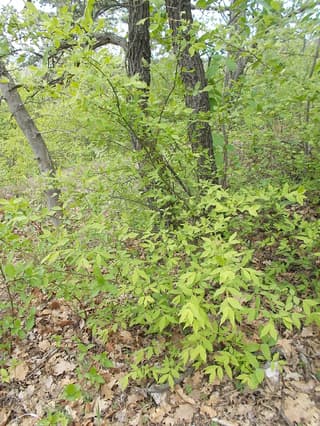
Common Dogwood
Cornus sanguinea
Maritime sunburst lichen
Xanthoria parietina
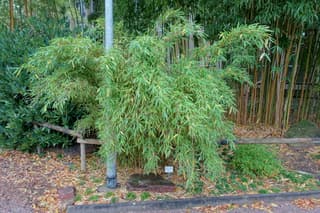
Muriel's Bamboo
Fargesia murielae
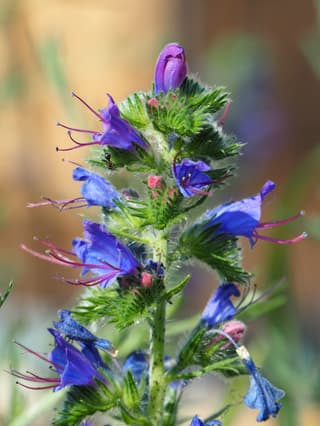
Viper's Bugloss
Echium vulgare
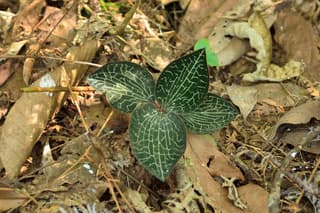
Jewel orchid
Anoectochilus formosanus
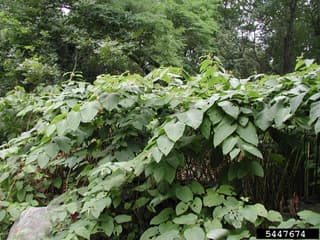
Giant Knotweed
Reynoutria sachalinensis
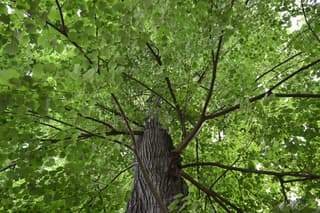
Silver Linden
Tilia tomentosa
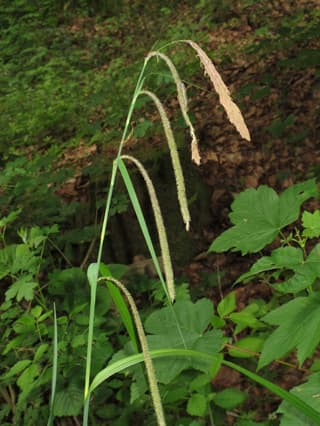
Pendulous Sedge
Carex pendula
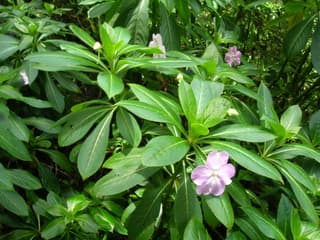
Poor Man's Rhododendron
Impatiens sodenii
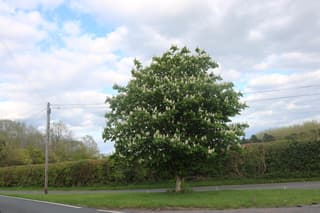
Horse Chestnut
Aesculus hippocastanum
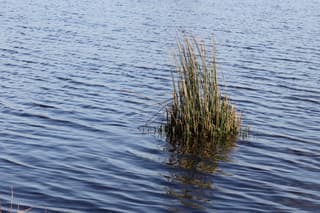
Soft Rush
Juncus effusus
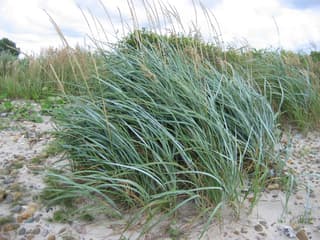
Sea Lyme Grass
Leymus arenarius
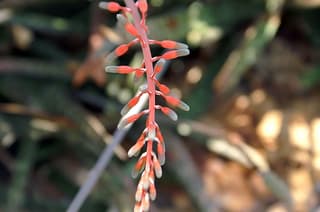
Ox tongue
Gasteria bicolor
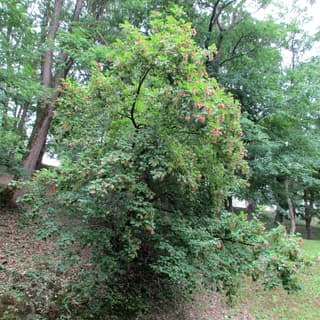
Tatarian Maple
Acer tataricum
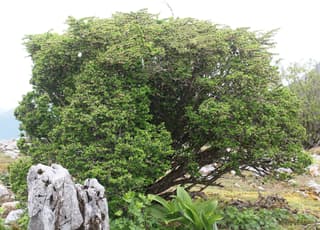
Japanese Barberry
Berberis thunbergii
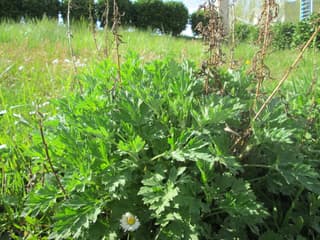
Mugwort
Artemisia vulgaris
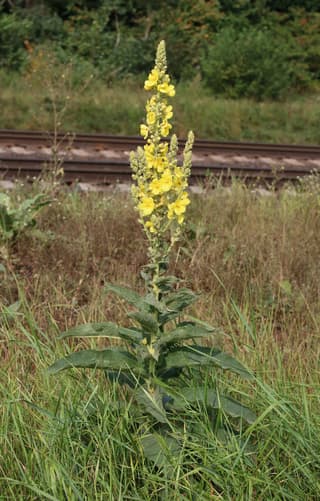
Orange Mullein
Verbascum phlomoides
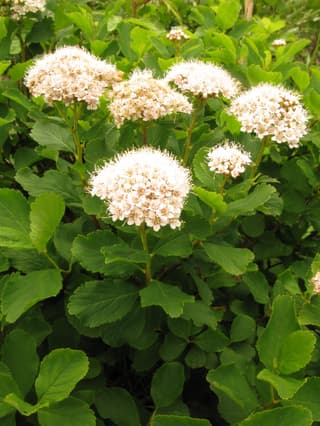
Birchleaf Spirea
Spiraea betulifolia
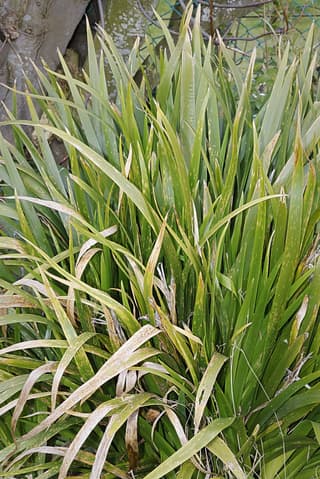
Stinking Iris
Iris foetidissima
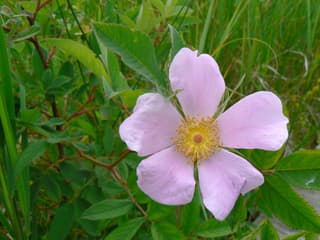
Virginia Rose
Rosa virginiana
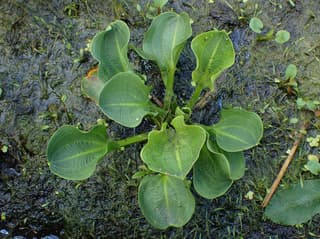
American water plantain
Alisma subcordatum
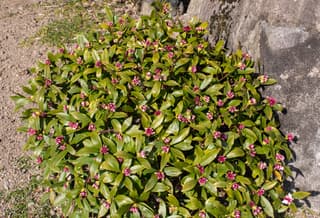
Winter daphne
Daphne odora
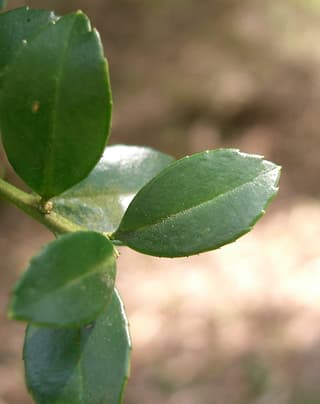
Japanese Holly 'Helleri'
Ilex crenata 'Helleri'
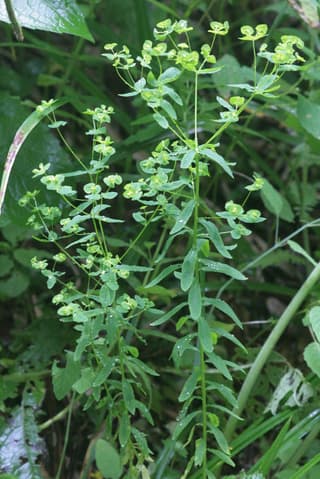
Upright Spurge
Euphorbia stricta
Psilocybe angulospora
Psilocybe angulospora
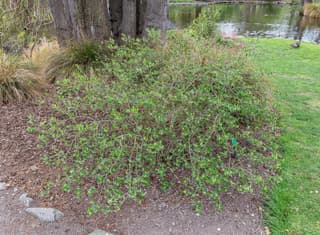
Black chokeberry
Aronia melanocarpa
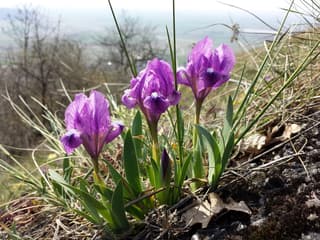
Dwarf Bearded Iris
Iris pumila
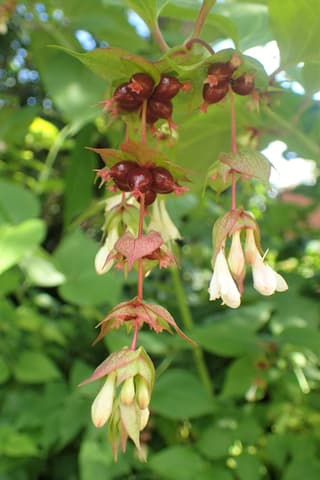
Himalayan honeysuckle
Leycesteria formosa
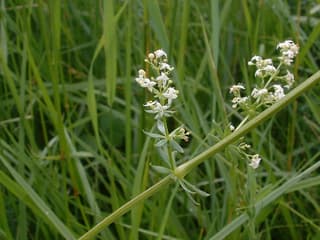
Hedge Bedstraw
Galium mollugo
Pavement mushroom
Agaricus bitorquis
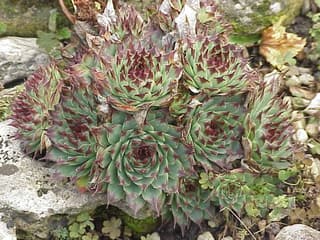
Limestone Houseleek
Sempervivum calcareum
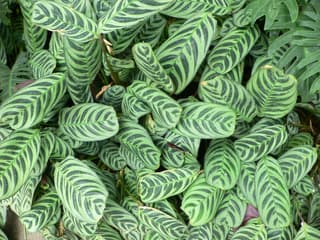
Fishbone Prayer Plant
Ctenanthe burle-marxii
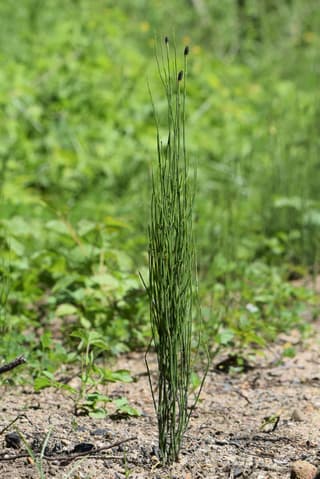
Marsh Horsetail
Equisetum palustre
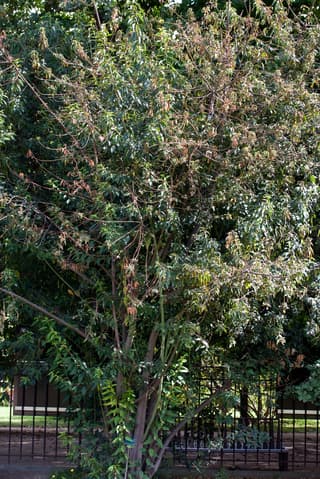
Maqui berry
Aristotelia chilensis
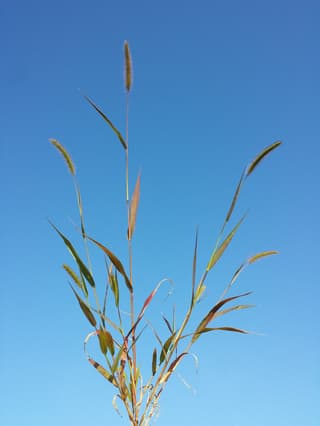
Foxtail Grass
Setaria
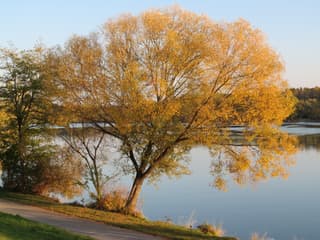
Basket Willow
Salix viminalis
Itabuna Climate for Plant Growing
Itabuna has a climate with an average annual temperature of 23.9°C and average relative humidity of 83.6%. These climate conditions are ideal for various species of ornamental and fruit plants.
Tips for Growing Plants in Itabuna
To succeed in growing plants in Itabuna, consider the average temperature of 23.9°C when choosing your species. The temperate climate allows you to grow a wide variety of species. High humidity favors tropical plants, but watch for fungal issues.
Why Choose Plants Adapted to the Local Climate?
Plants adapted to Itabuna's climate require less care, consume less water, and are more likely to thrive. Our selection considers the compatibility between each species' needs and local climate conditions, including temperature (23.9°C) and humidity (83.6%).