500 Best Easy Care for Le Petit-Quevilly | 2026 Guide - Page 11
The 500 best easy care to grow in Le Petit-Quevilly. Ideal climate: 12.1°C, 80% humidity.
500 Easy Care for Le Petit-Quevilly
Showing 361-396 of 500
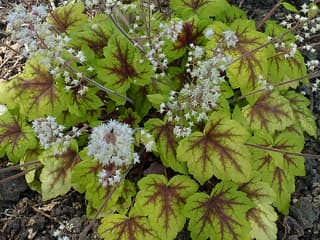
Foamy Bells
Heucherella
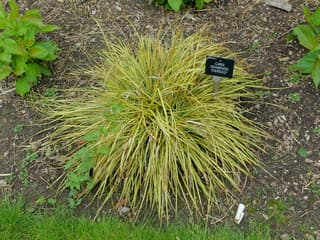
Evergold Sedge
Carex oshimensis 'Evergold'
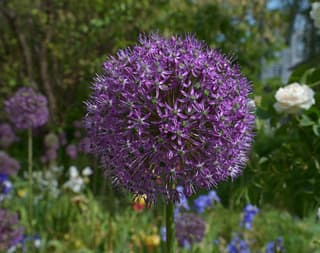
Ornamental Onion
Allium
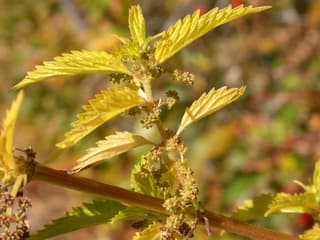
Slender Stinging Nettle
Urtica gracilis
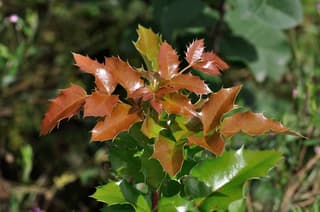
Oregon Grape
Berberis aquifolium
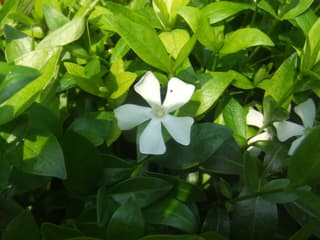
Lesser Periwinkle
Vinca minor
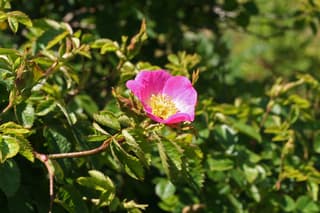
Sweet Briar
Rosa rubiginosa
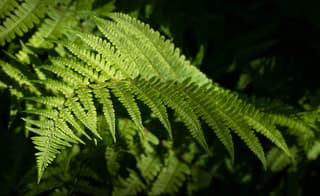
Lady Fern
Athyrium filix-femina
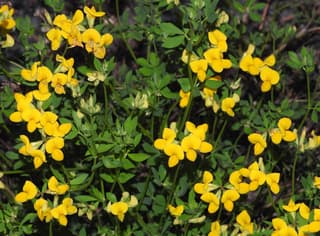
Bird's-Foot Trefoil
Lotus
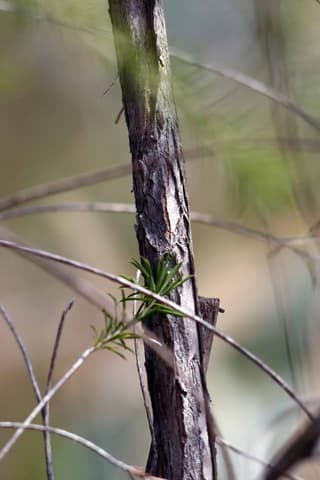
Bracelet Honey Myrtle
Melaleuca armillaris
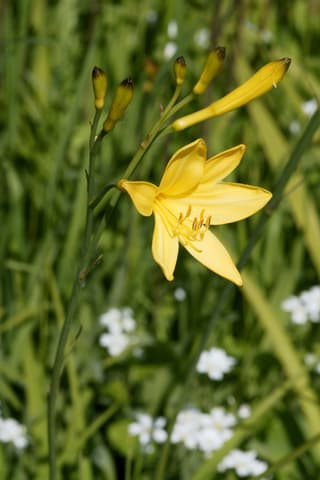
Orange daylily
Hemerocallis fulva
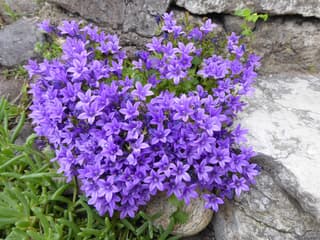
Dalmatian Bellflower
Campanula portenschlagiana
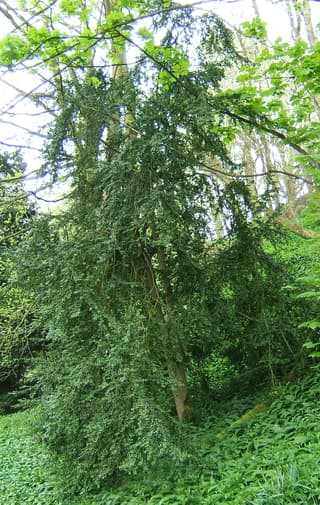
Common boxwood
Buxus sempervirens
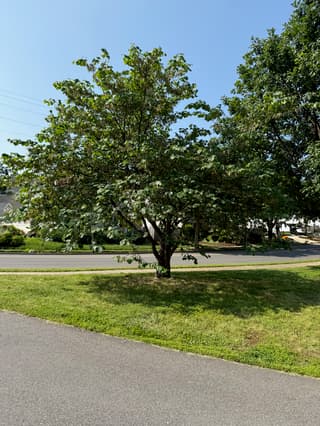
Eastern Redbud
Cercis canadensis
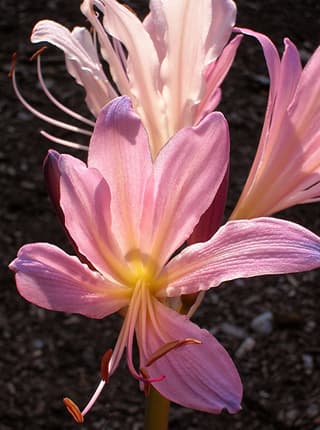
Resurrection lily
Lycoris squamigera
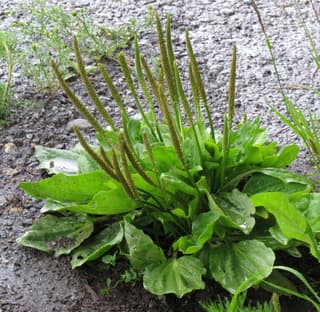
Broadleaf Plantain
Plantago major
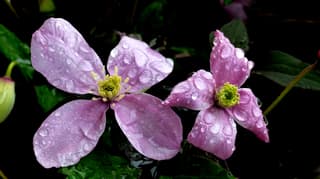
Anemone Clematis
Clematis montana
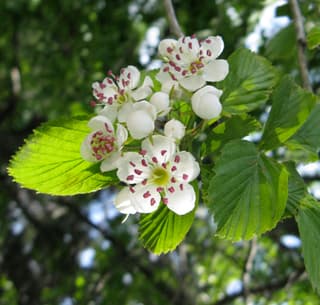
Dotted Hawthorn
Crataegus punctata
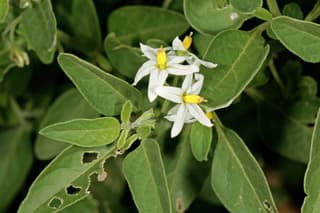
Tall nightshade
Solanum chenopodioides
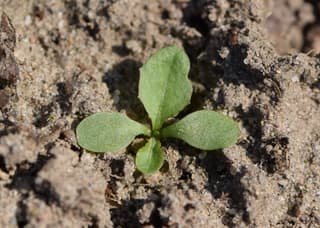
Autumn Hawkbit
Scorzoneroides autumnalis
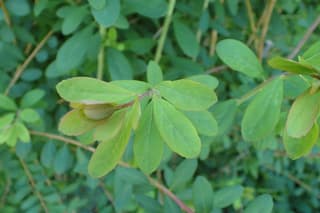
Japanese Spiraea
Spiraea japonica
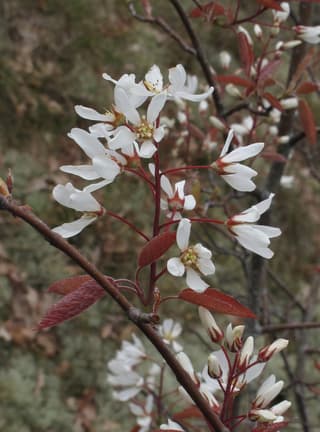
Serviceberry
Amelanchier
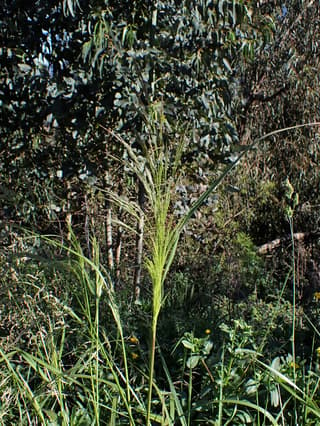
Johnson grass
Sorghum halepense
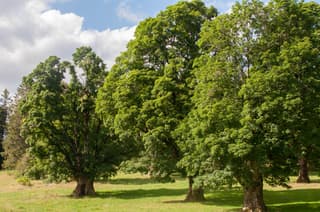
Sycamore Maple
Acer pseudoplatanus
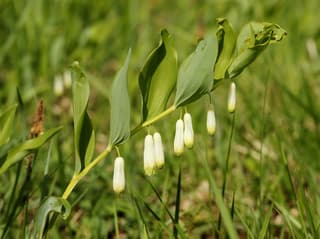
Fragrant Solomon's Seal
Polygonatum odoratum
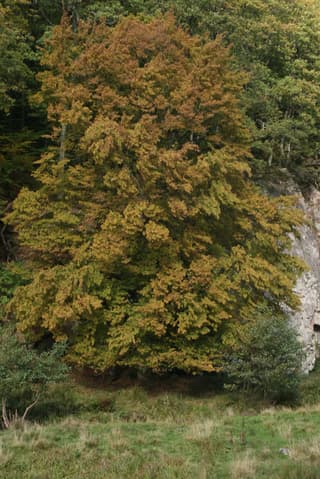
European Hornbeam
Carpinus betulus
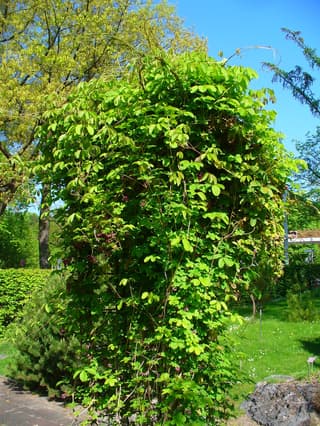
Chocolate Vine
Akebia quinata
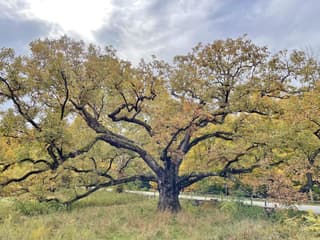
White Oak
Quercus alba
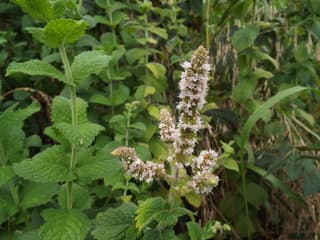
Apple Mint
Mentha × rotundifolia
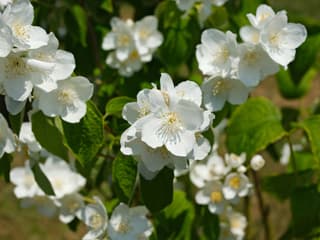
Scentless Mock Orange
Philadelphus inodorus
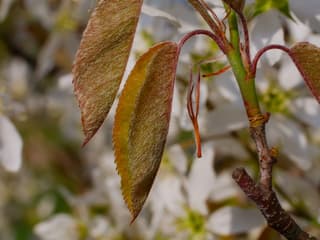
Juneberry
Amelanchier × lamarckii
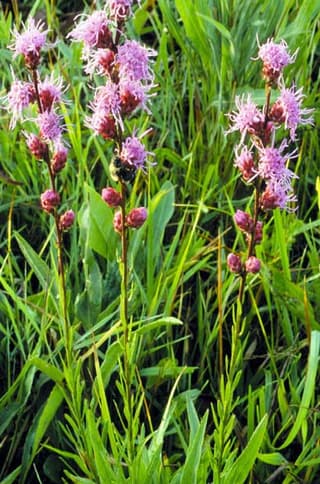
Rough Blazing Star
Liatris aspera
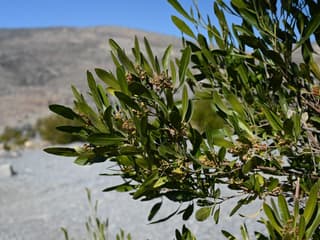
Hop bush
Dodonaea viscosa
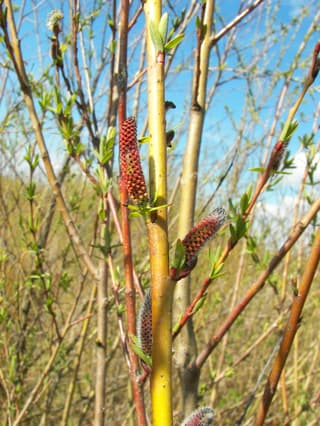
Purple Willow
Salix purpurea
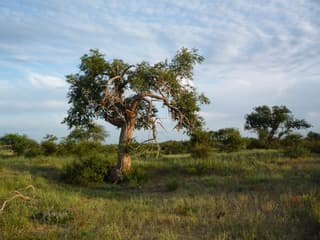
Siberian Elm
Ulmus pumila
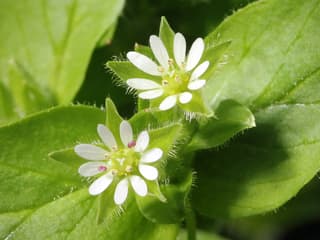
Chickweed
Stellaria media
Ideal Easy Care for Le Petit-Quevilly's Climate
Le Petit-Quevilly has an average temperature of 12.1°C and humidity of 80%, conditions that directly influence which easy care best adapt to the local environment.
How to Grow Easy Care in Le Petit-Quevilly
To successfully grow easy care in Le Petit-Quevilly, consider that the average temperature of 12.1°C and humidity of 80% create a specific microclimate. High humidity favors tropical species, but requires attention to ventilation to prevent fungal issues.
Advantages of Choosing Adapted Easy Care
Easy Care adapted to Le Petit-Quevilly's climate show greater resistance, healthy growth, and less need for interventions.