195 Best Foliage Plants for Líbano | 2026 Guide
The 195 best foliage plants to grow in Líbano. Ideal climate: 18.4°C, 83.8% humidity.
195 Foliage Plants for Líbano
Showing 1-36 of 195
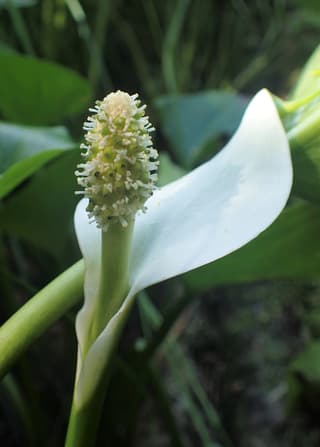
Bog Arum
Calla palustris
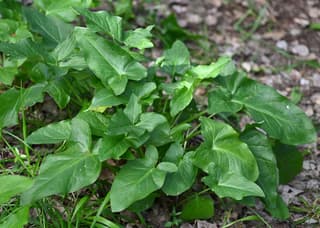
Italian Arum
Arum italicum
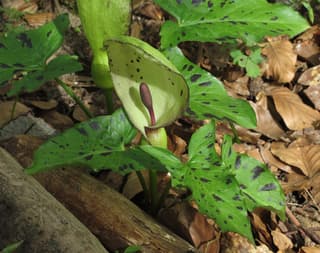
Lords-and-Ladies
Arum maculatum
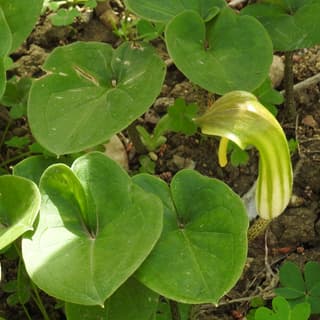
Friar's Cowl
Arisarum vulgare
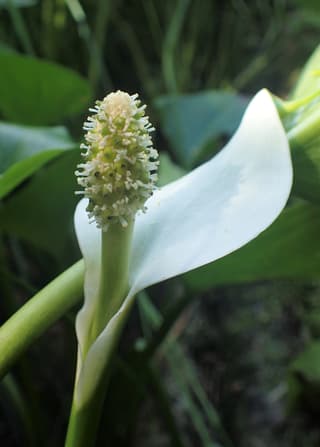
Bog Arum
Calla
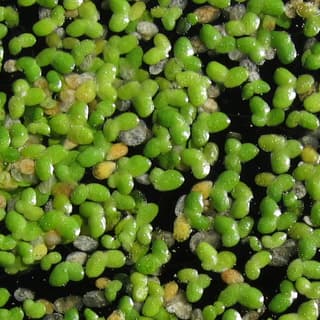
Common Duckweed
Lemna minor
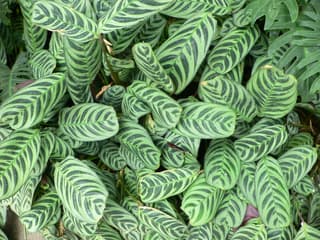
Fishbone Prayer Plant
Ctenanthe burle-marxii
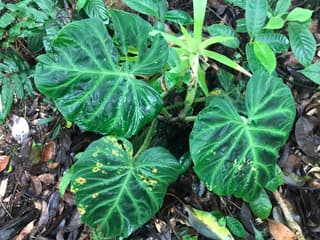
Ecuador Philodendron
Philodendron verrucosum
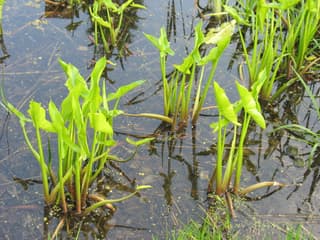
Arrow Arum
Peltandra
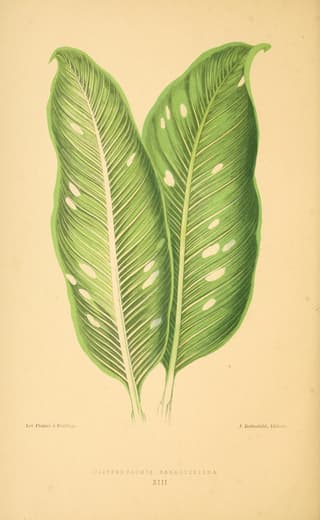
Dumb Cane
Dieffenbachia seguine
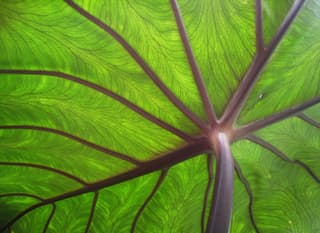
Taro
Colocasia esculenta
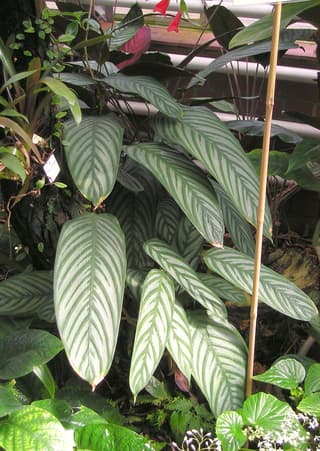
Grey Star
Ctenanthe setosa
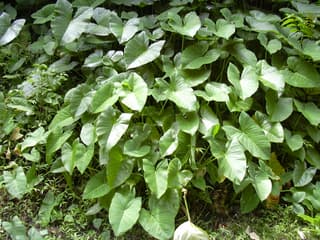
Giant Elephant Ear
Xanthosoma robustum
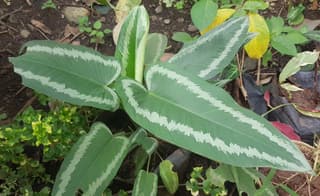
Engler's False Arum
Englerarum hypnosum
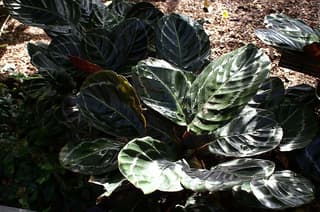
Rose Painted Calathea
Goeppertia roseopicta
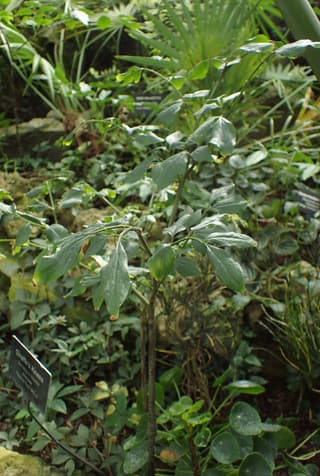
Giraffe's Knees
Gonatopus boivinii
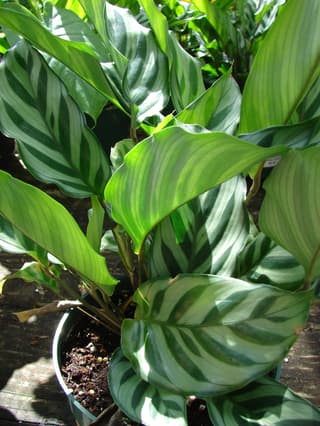
Freddie Calathea
Goeppertia concinna
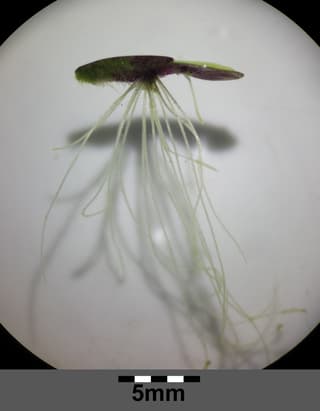
Great Duckweed
Spirodela polyrhiza
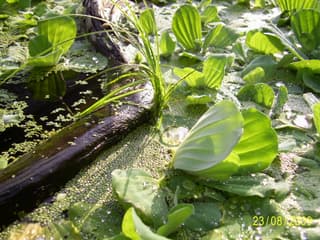
Water Lettuce
Pistia stratiotes
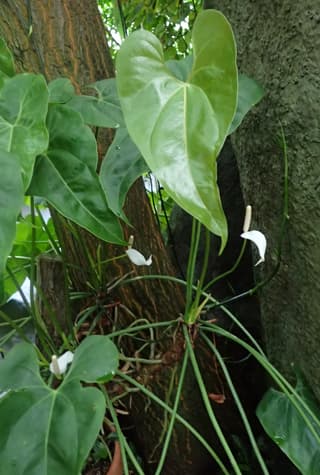
Water-Lily Anthurium
Anthurium nymphaeifolium
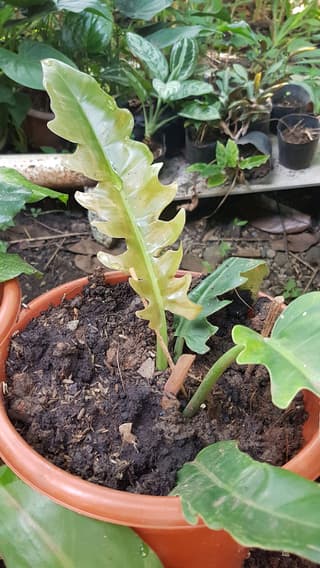
Philodendron Jungle Boogie
Philodendron 'Jungle Boogie'
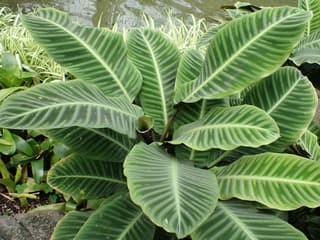
Zebra Plant
Goeppertia zebrina
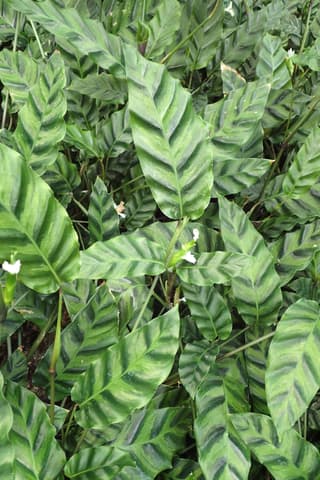
Thai Beauty Calathea
Goeppertia louisae
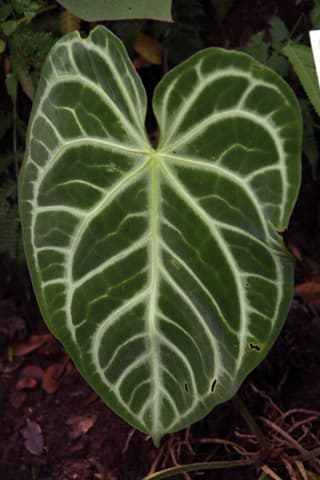
Crystal Anthurium
Anthurium crystallinum
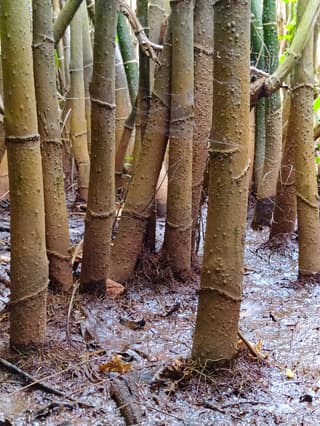
Moccmocc
Montrichardia arborescens
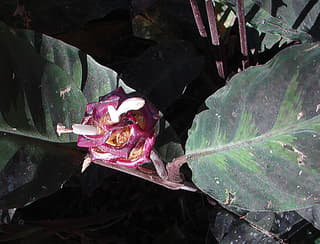
Jungle Velvet Calathea
Goeppertia warszewiczii
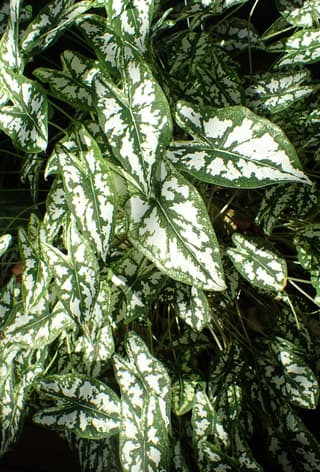
Miniature caladium
Caladium humboldtii
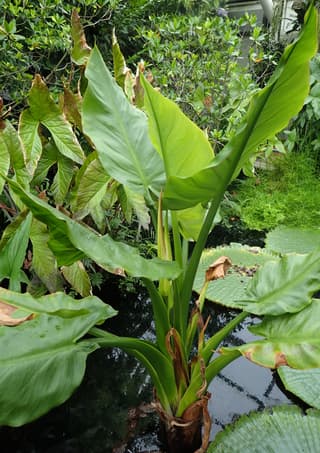
Water Banana
Typhonodorum lindleyanum
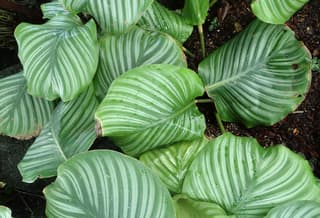
Round-leaf Calathea
Goeppertia orbifolia
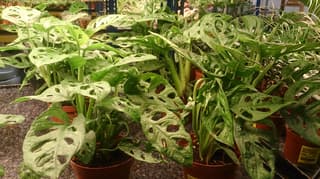
Swiss Cheese Vine
Monstera obliqua
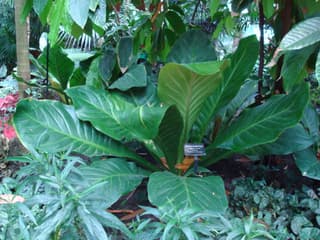
Bird's Nest Anthurium
Anthurium hookeri
Rugose Alocasia
Alocasia melo
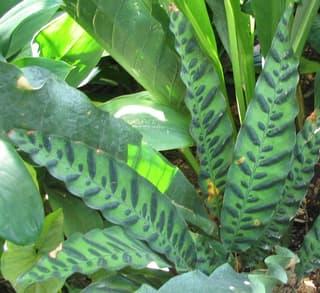
Rattlesnake Plant
Calathea lancifolia
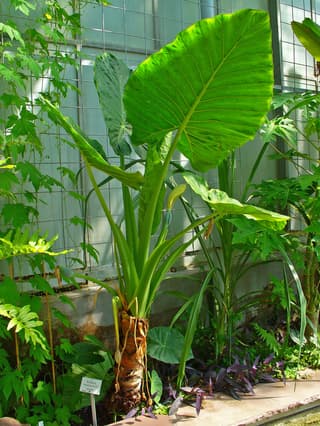
Giant Taro
Alocasia macrorrhizos
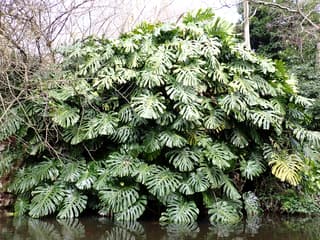
Swiss Cheese Plant
Monstera
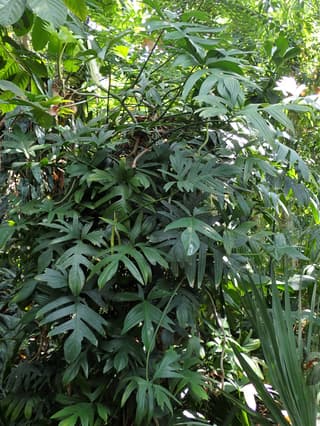
Oak Leaf Philodendron
Philodendron pedatum
Ideal Foliage Plants for Líbano's Climate
Líbano has an average temperature of 18.4°C and humidity of 83.8%, conditions that directly influence which foliage plants best adapt to the local environment.
How to Grow Foliage Plants in Líbano
To successfully grow foliage plants in Líbano, consider that the average temperature of 18.4°C and humidity of 83.8% create a specific microclimate. High humidity favors tropical species, but requires attention to ventilation to prevent fungal issues.
Advantages of Choosing Adapted Foliage Plants
Foliage Plants adapted to Líbano's climate show greater resistance, healthy growth, and less need for interventions.