500 Best Plants for Municipio de Ceres | 2026 Guide - Page 7
Discover the 500 ideal plants for Municipio de Ceres's climate. Average temp: 21.5°C, Humidity: 63.4%.
Top 500 Plants for Municipio de Ceres
Showing 217-252 of 500
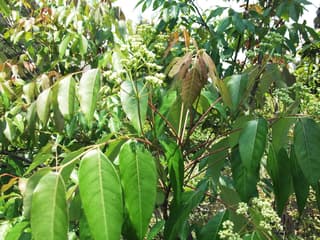
Catuaba
Trichilia
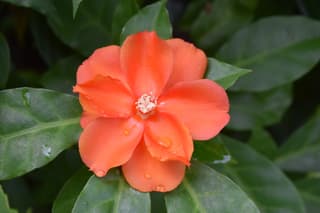
Leaf Cactus
Leuenbergeria
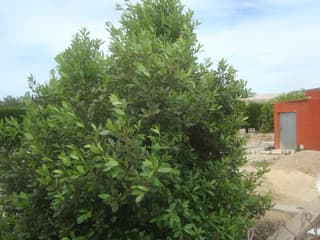
Bay Laurel
Laurus nobilis
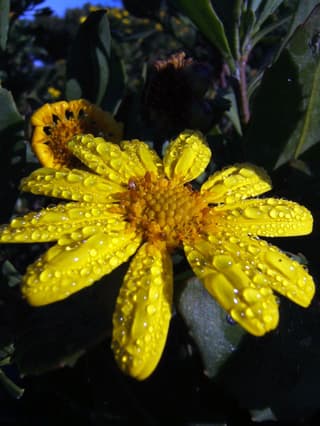
Bietou
Osteospermum moniliferum
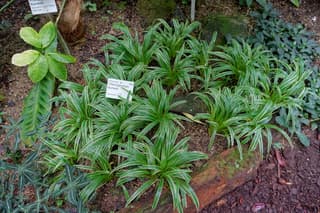
Zebra Grass Spider Plant
Chlorophytum laxum
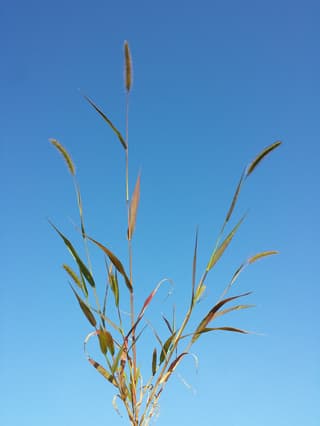
Foxtail Grass
Setaria
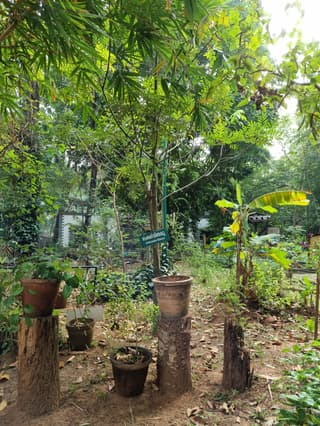
Bitterwood
Simarouba glauca
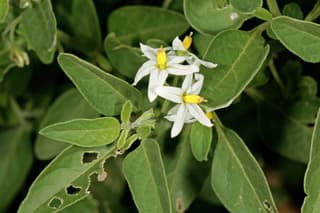
Tall nightshade
Solanum chenopodioides
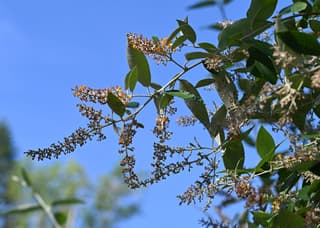
Madagascar Butterfly Bush
Buddleja madagascariensis
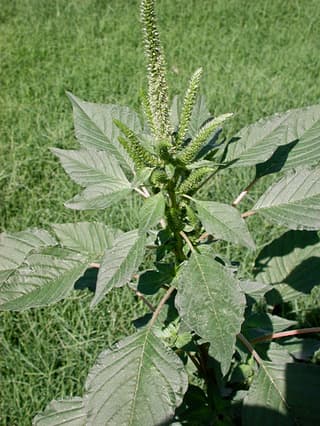
Palmer amaranth
Amaranthus palmeri
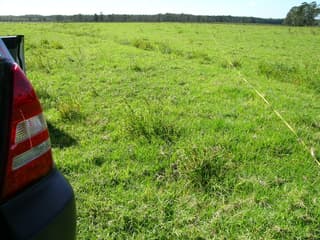
Kikuyu Grass
Cenchrus clandestinus
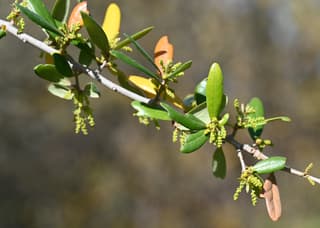
Southern Live Oak
Quercus virginiana
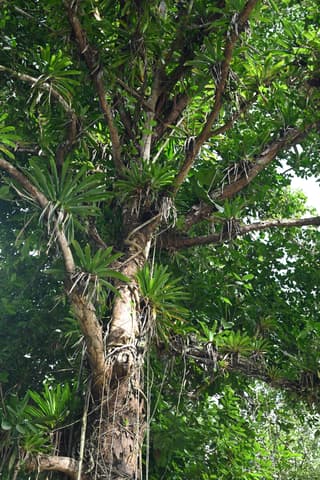
Guzmania
Guzmania
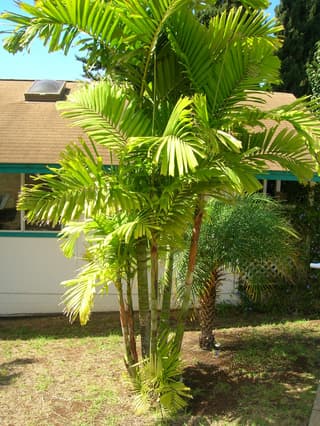
Macarthur Palm
Ptychosperma macarthurii
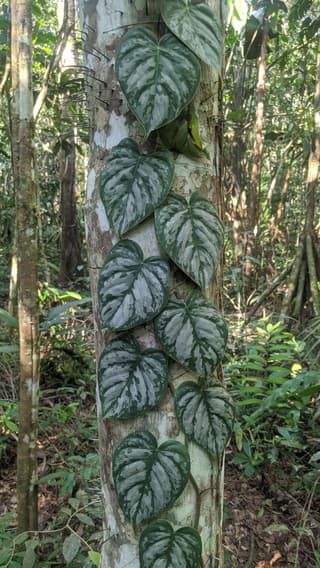
Silver Leaf Philodendron
Philodendron brandtianum
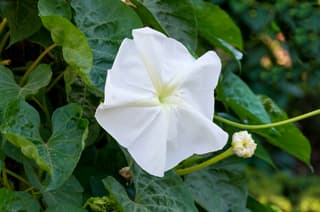
Moonflower
Ipomoea alba
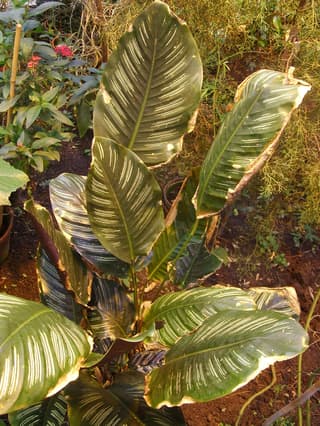
White Star Calathea
Goeppertia majestica
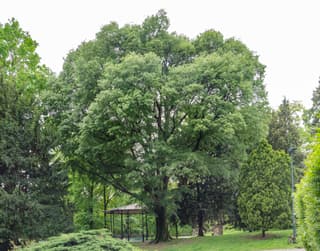
European Nettle Tree
Celtis australis
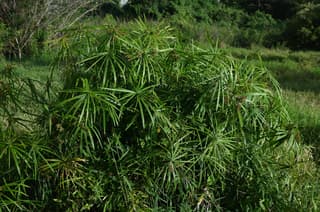
Umbrella Sedge
Cyperus
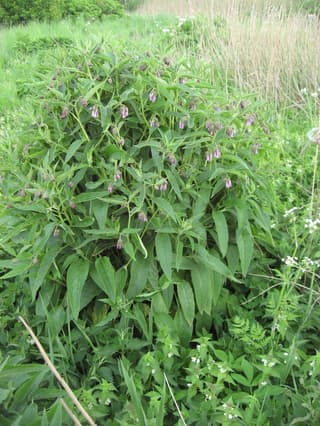
Russian Comfrey
Symphytum × uplandicum
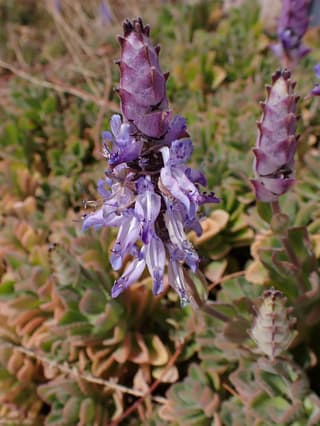
Scaredy Cat Plant
Coleus caninus
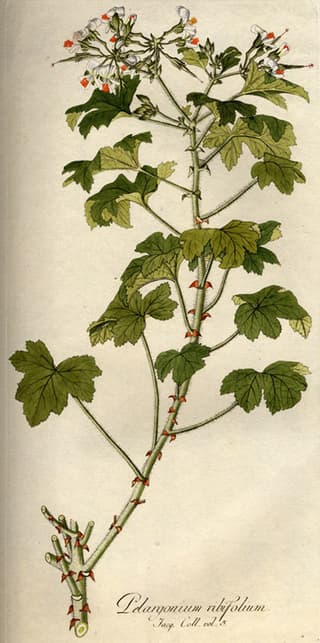
Currant-leaved Pelargonium
Pelargonium ribifolium
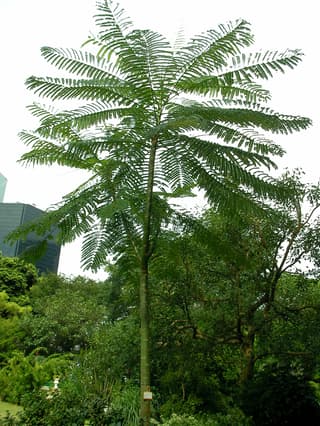
Brazilian Firetree
Schizolobium parahyba
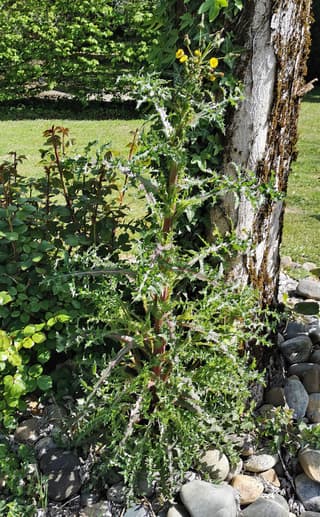
Spiny Sowthistle
Sonchus asper
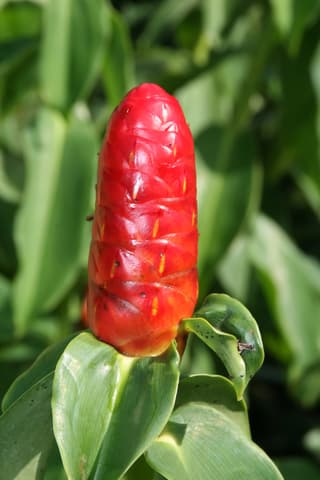
Red Button Ginger
Costus woodsonii
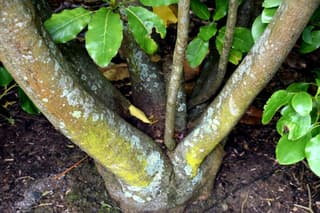
Puka
Meryta
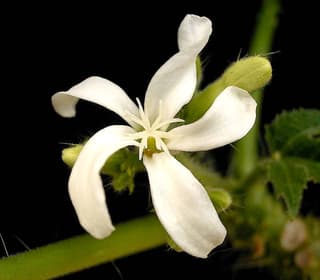
Bull Nettle
Cnidoscolus
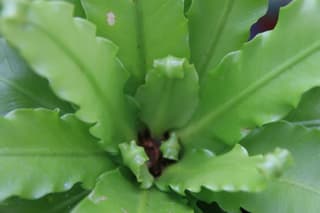
Japanese Bird's Nest Fern
Asplenium antiquum
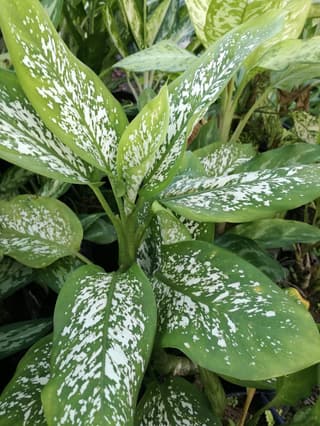
Spotted Dumb Cane
Dieffenbachia picta
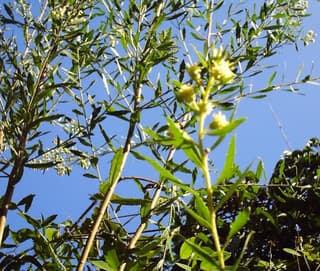
Field Rosemary
Baccharis dracunculifolia
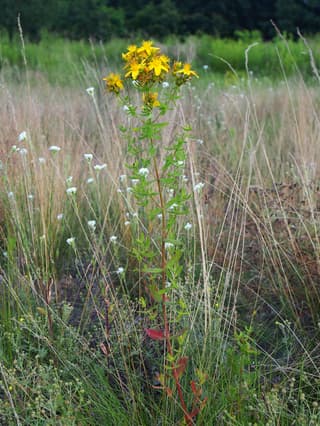
St. John's Wort
Hypericum
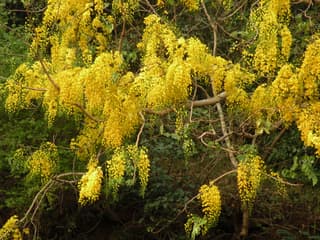
Golden shower tree
Cassia fistula
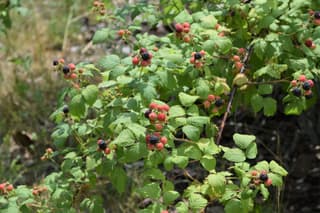
Black Raspberry
Rubus occidentalis
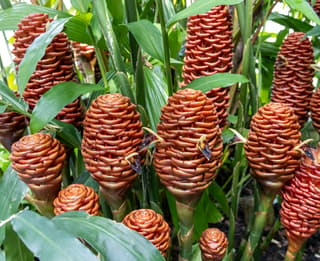
Ginger
Zingiber
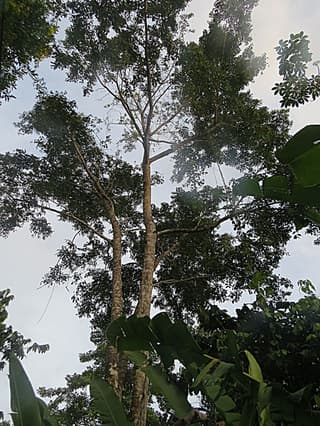
Yellow Mombin
Spondias mombin
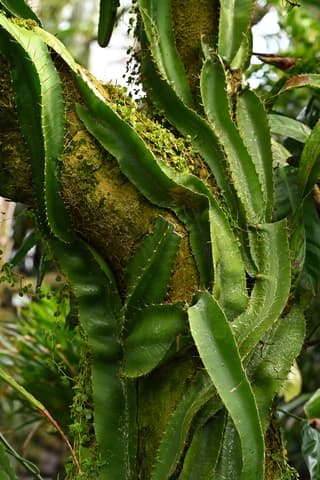
Climbing Cactus
Epiphyllum phyllanthus
Municipio de Ceres Climate for Plant Growing
Municipio de Ceres has a climate with an average annual temperature of 21.5°C and average relative humidity of 63.4%. These climate conditions are ideal for various species of ornamental and fruit plants.
Tips for Growing Plants in Municipio de Ceres
To succeed in growing plants in Municipio de Ceres, consider the average temperature of 21.5°C when choosing your species. The temperate climate allows you to grow a wide variety of species. Moderate humidity is ideal for most plants.
Why Choose Plants Adapted to the Local Climate?
Plants adapted to Municipio de Ceres's climate require less care, consume less water, and are more likely to thrive. Our selection considers the compatibility between each species' needs and local climate conditions, including temperature (21.5°C) and humidity (63.4%).