112 Best Orchids for New South Wales | 2026 Guide - Page 3
The 112 best orchids to grow in New South Wales. Ideal climate: 19.3°C, 46.3% humidity.
112 Orchids for New South Wales
Showing 73-108 of 112
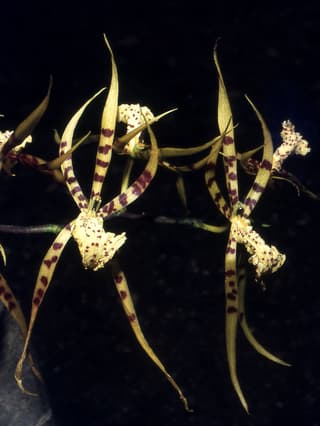
Spider Orchid
Brassia arachnoidea
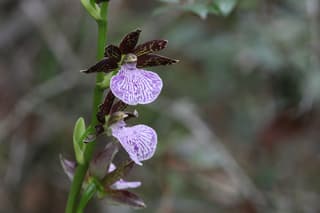
Spotted Zygopetalum
Zygopetalum maculatum
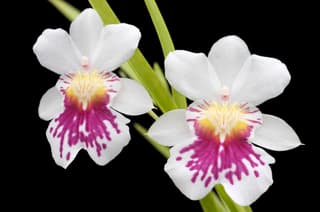
Pansy Orchid
Miltoniopsis phalaenopsis
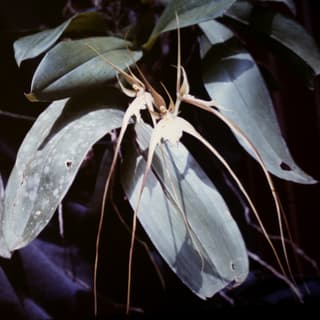
Spider Orchid
Brassia caudata
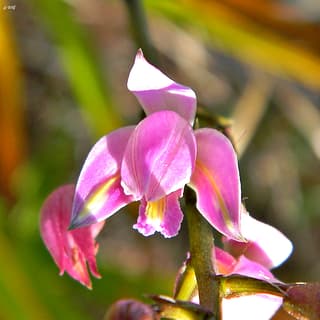
Pine-pink Orchid
Bletia purpurea

Fragrant Encyclia
Encyclia fragrans
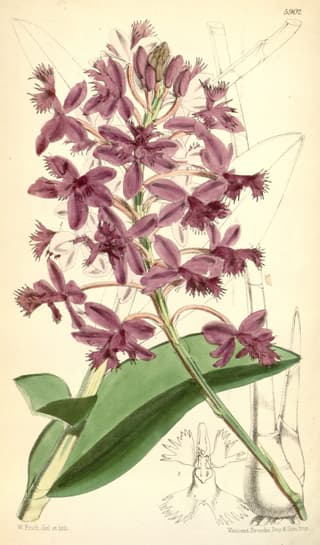
Jamieson's Epidendrum
Epidendrum jamiesonis
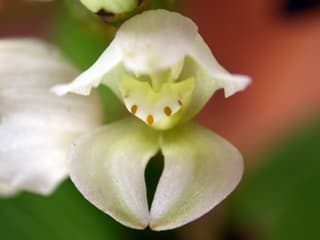
Govenia
Govenia
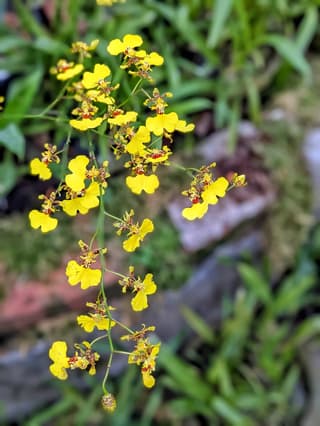
Golden Shower Orchid
Oncidium varicosum
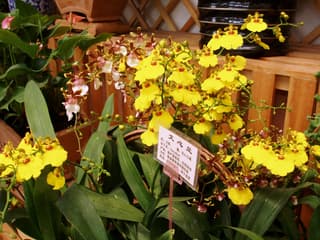
Dancing Doll Orchid
Oncidium flexuosum
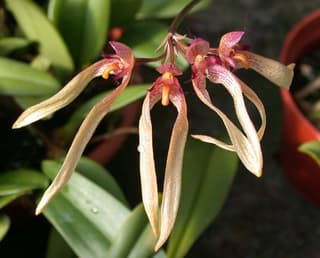
Pale Umbrella Orchid
Bulbophyllum longiflorum
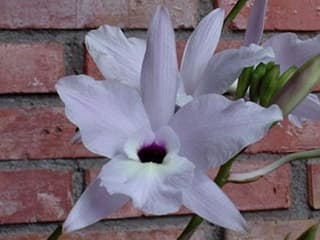
Rosy Tinted Laelia
Laelia rubescens
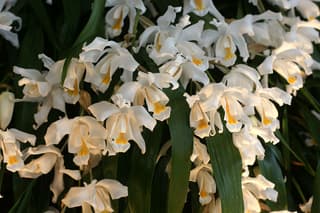
Snow Queen Orchid
Coelogyne cristata
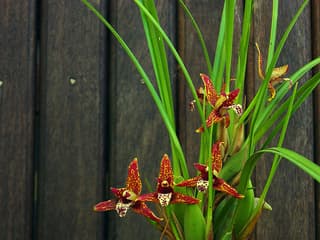
Maxillaria (genus)
Maxillaria
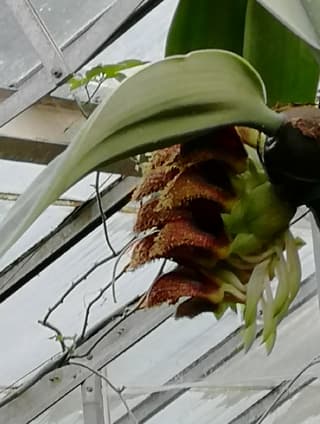
Stinking Orchid
Bulbophyllum phalaenopsis
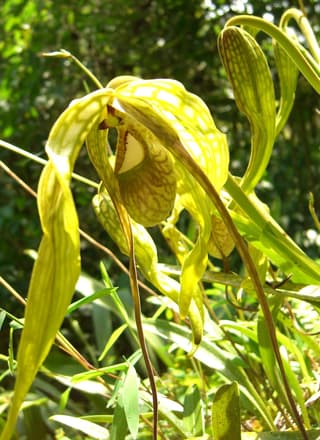
Tailed Slipper Orchid
Phragmipedium caudatum
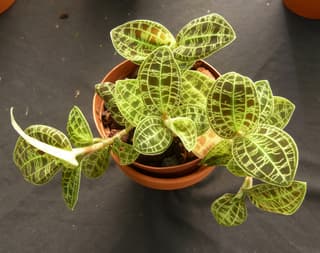
Jewel Orchid
Macodes petola
Closterium Dendrobium
Dendrobium closterium
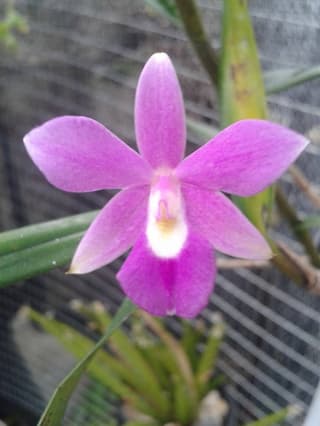
Pink Butterfly Orchid
Dimerandra emarginata
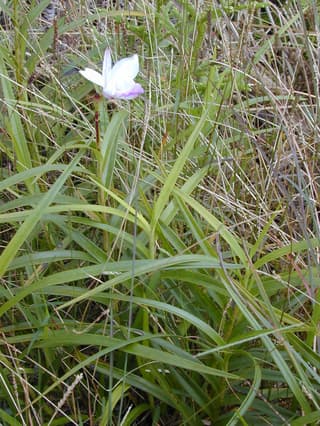
Bamboo Orchid
Arundina graminifolia
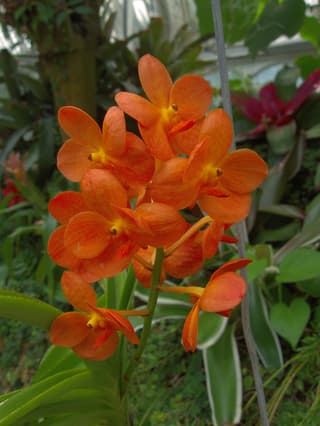
Ascocenda Orchid
Ascocenda
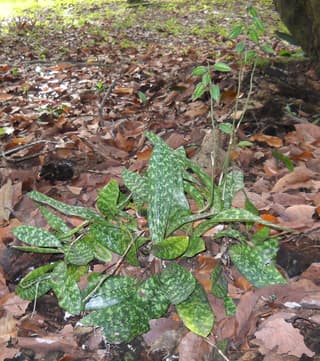
Spotted Eulophia
Eulophia maculata
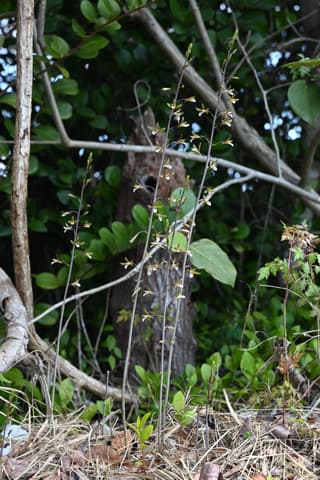
Chinese Crown Orchid
Eulophia graminea
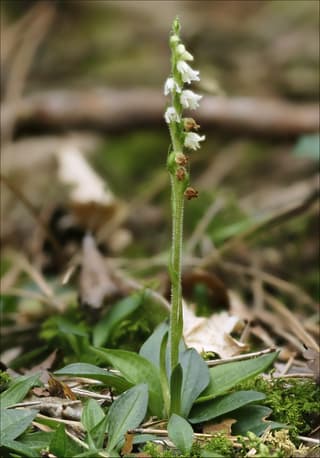
Creeping lady's-tresses
Goodyera repens
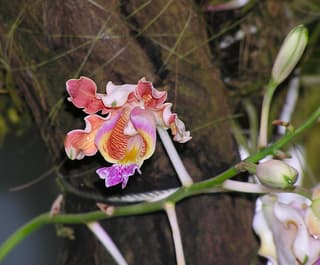
Cow Horn Orchid
Myrmecophila tibicinis
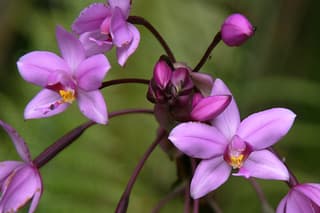
Philippine Ground Orchid
Spathoglottis plicata
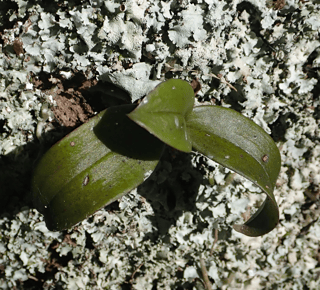
Green Fleshy Tree Orchid
Drymoanthus adversus
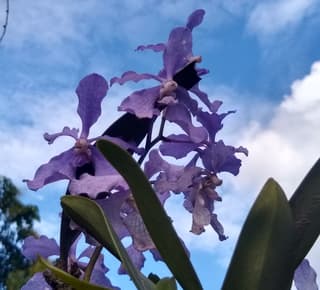
Vanda Orchid
Vanda
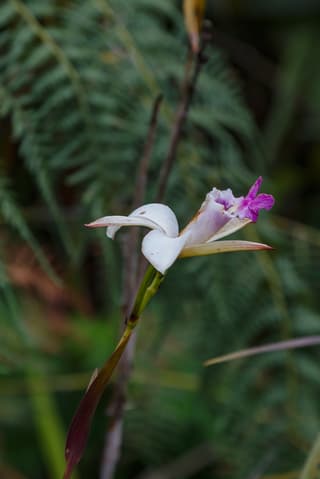
Bamboo Orchid (genus)
Arundina
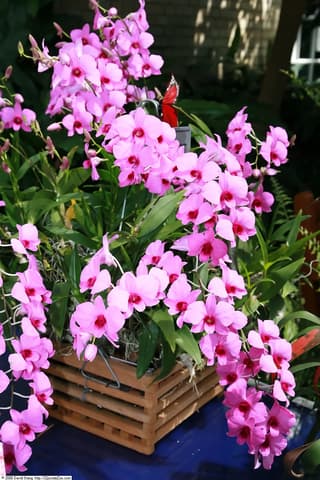
Cooktown Orchid
Dendrobium bigibbum
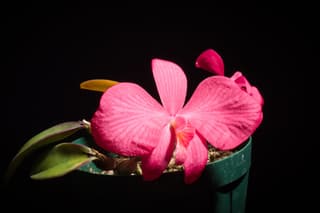
Wittig's Cattleya
Cattleya wittigiana
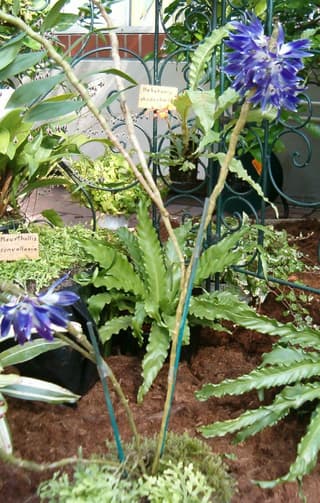
Queen Victoria's Dendrobium
Dendrobium victoriae-reginae
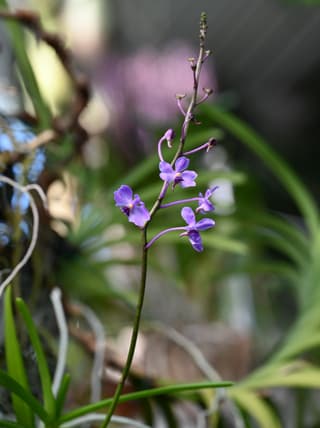
Blue Vanda
Vanda coerulescens
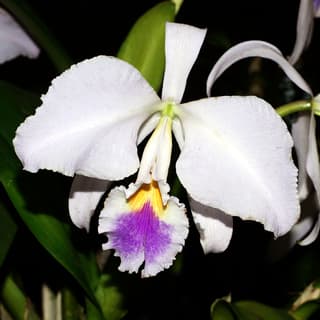
Mendel's Cattleya
Cattleya mendelii
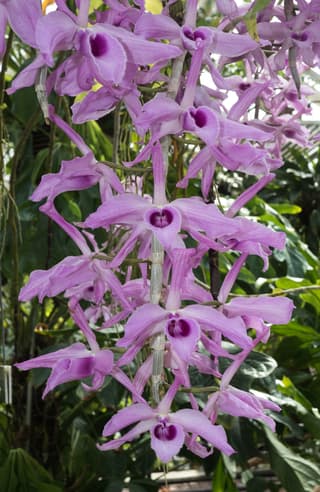
Honohono Orchid
Dendrobium anosmum
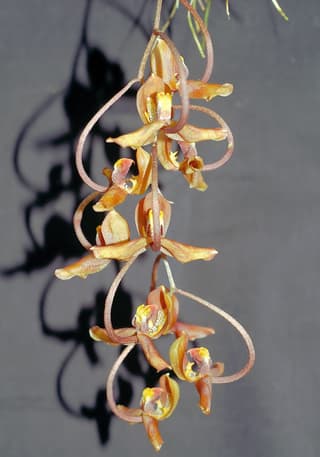
Helmet Orchid
Gongora galeata
Ideal Orchids for New South Wales's Climate
New South Wales has an average temperature of 19.3°C and humidity of 46.3%, conditions that directly influence which orchids best adapt to the local environment.
How to Grow Orchids in New South Wales
To successfully grow orchids in New South Wales, consider that the average temperature of 19.3°C and humidity of 46.3% create a specific microclimate. Lower humidity requires more frequent watering and use of drip trays.
Advantages of Choosing Adapted Orchids
Orchids adapted to New South Wales's climate show greater resistance, healthy growth, and less need for interventions.