500 Best Plants for Põhja-Pärnumaa vald | 2026 Guide - Page 9
Discover the 500 ideal plants for Põhja-Pärnumaa vald's climate. Average temp: 7°C, Humidity: 79.2%.
Top 500 Plants for Põhja-Pärnumaa vald
Showing 289-324 of 500
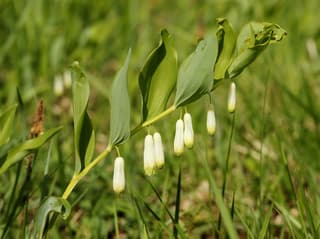
Fragrant Solomon's Seal
Polygonatum odoratum
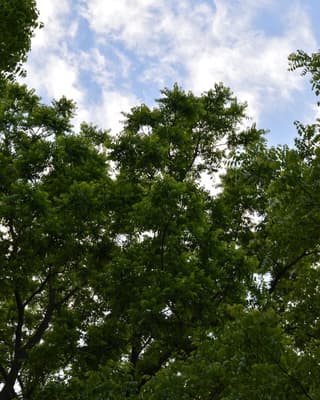
Eastern Black Walnut
Juglans nigra
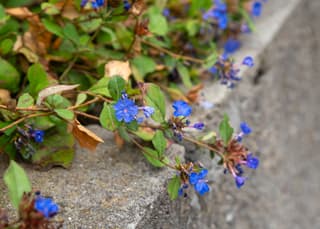
Hardy Plumbago
Ceratostigma plumbaginoides
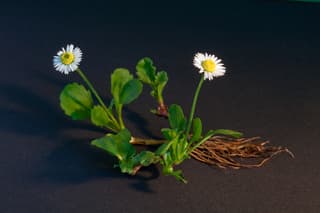
English Daisy
Bellis perennis
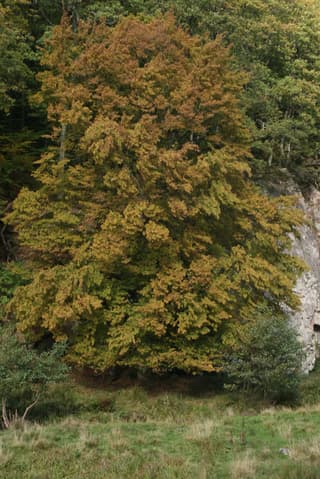
European Hornbeam
Carpinus betulus
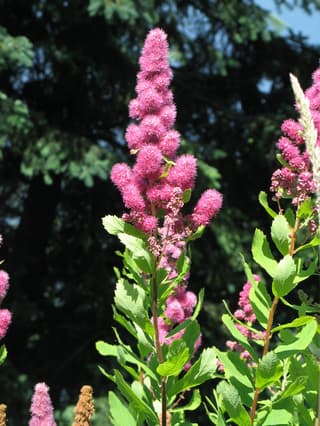
Douglas Spirea
Spiraea douglasii
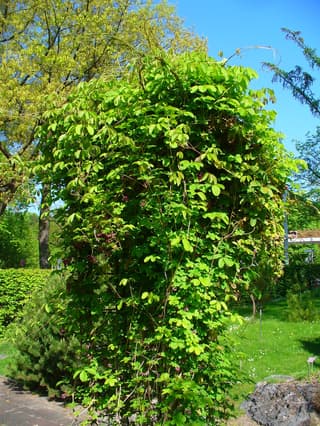
Chocolate Vine
Akebia quinata
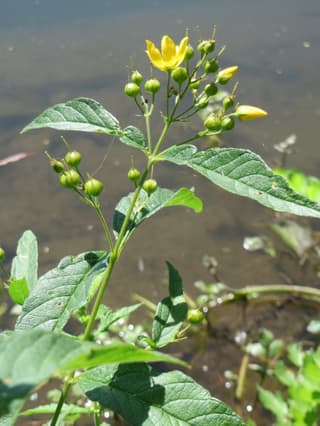
Loosestrife
Lysimachia
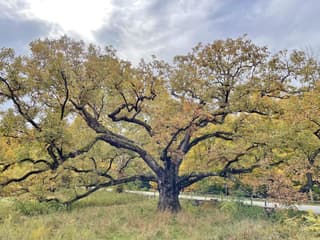
White Oak
Quercus alba
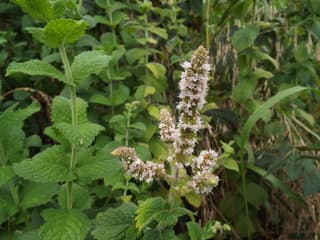
Apple Mint
Mentha × rotundifolia
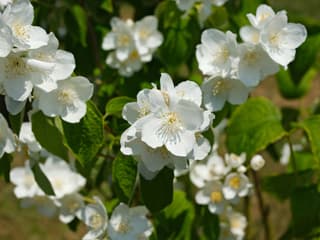
Scentless Mock Orange
Philadelphus inodorus
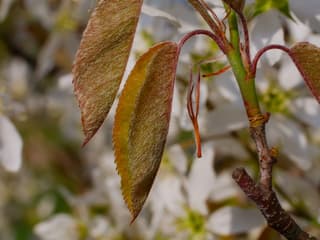
Juneberry
Amelanchier × lamarckii
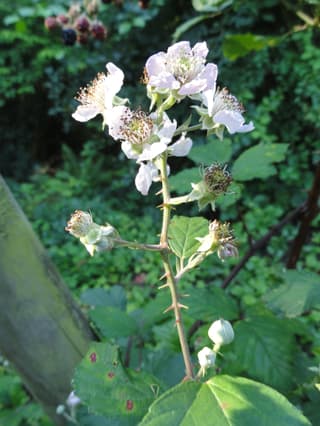
Himalayan Blackberry
Rubus bifrons
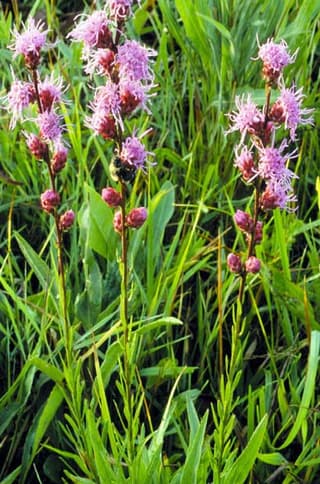
Rough Blazing Star
Liatris aspera
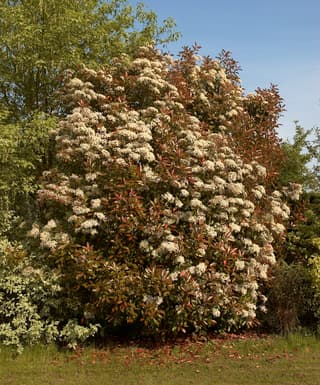
Red Tip Photinia
Photinia × fraseri
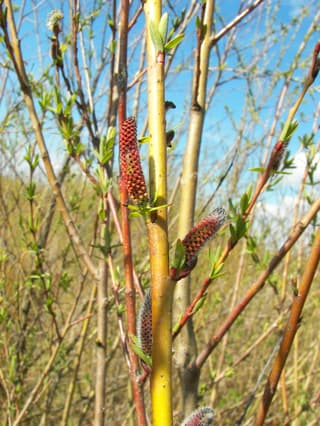
Purple Willow
Salix purpurea
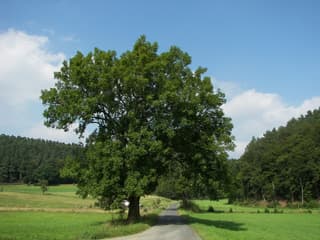
European Ash
Fraxinus excelsior
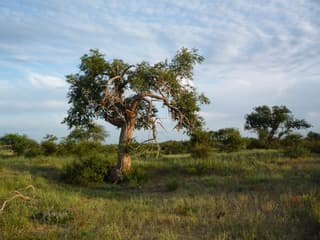
Siberian Elm
Ulmus pumila
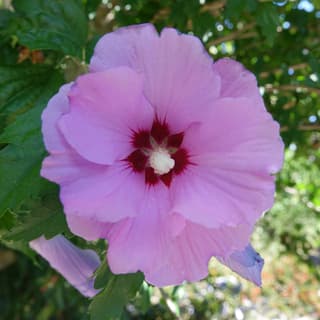
Rose of Sharon
Hibiscus syriacus
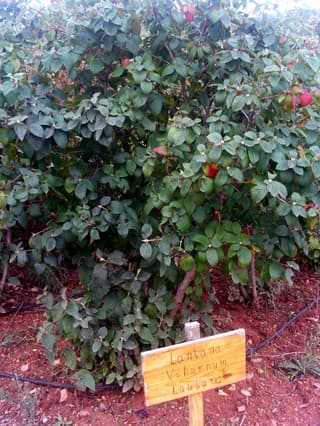
Wayfaring Tree
Viburnum lantana
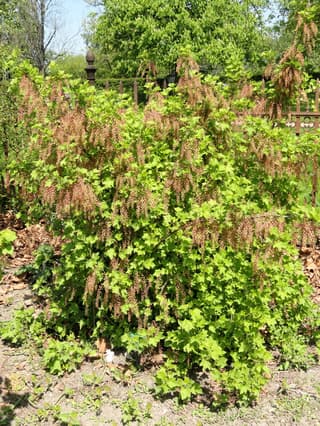
Downy Currant
Ribes spicatum
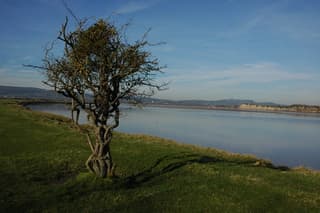
Hawthorn
Crataegus
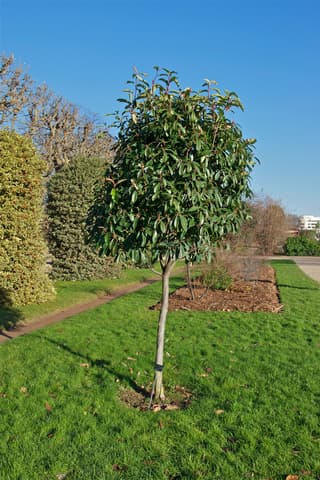
Chinese Photinia
Photinia serratifolia
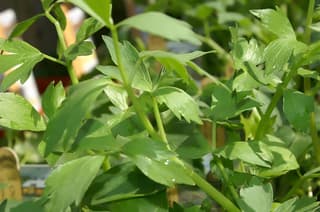
Lovage
Levisticum officinale
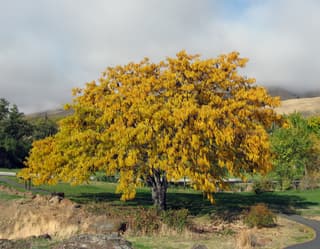
Honey Locust
Gleditsia triacanthos
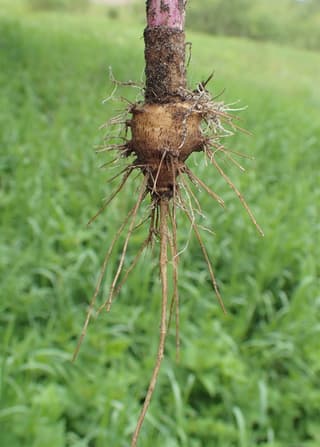
Bulbous Chervil
Chaerophyllum
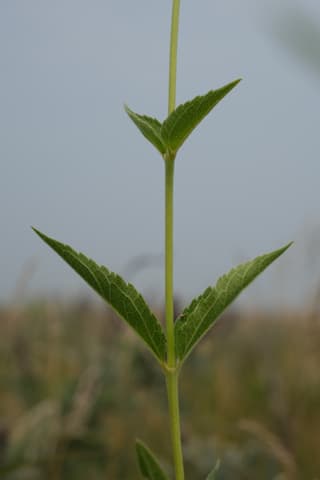
False Sunflower
Heliopsis helianthoides
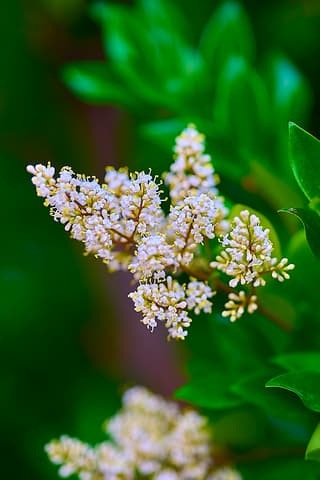
Privet
Ligustrum
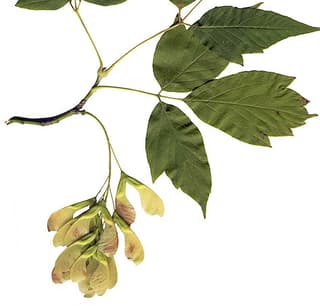
Boxelder
Acer negundo
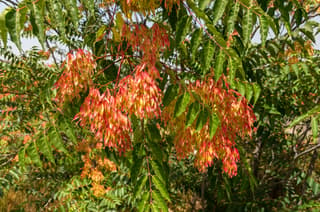
Tree of Heaven
Ailanthus altissima
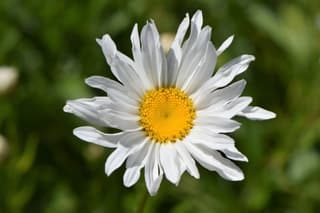
Max Chrysanthemum
Leucanthemum maximum
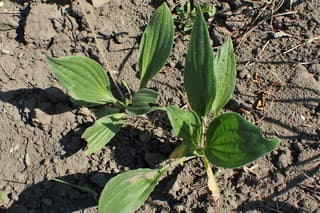
Asian Plantain
Plantago asiatica
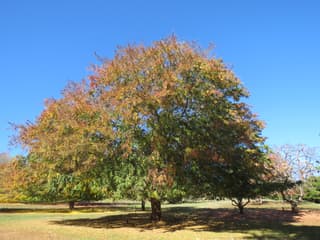
Chinese Elm
Ulmus parvifolia
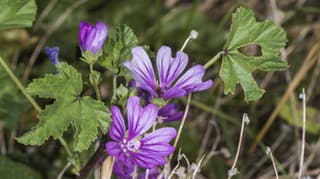
High mallow
Malva sylvestris
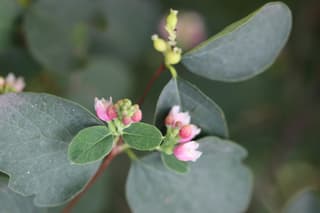
Common Snowberry
Symphoricarpos albus
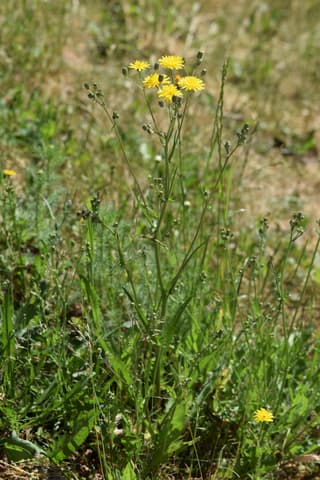
smooth hawksbeard
Crepis capillaris
Põhja-Pärnumaa vald Climate for Plant Growing
Põhja-Pärnumaa vald has a climate with an average annual temperature of 7°C and average relative humidity of 79.2%. These climate conditions are ideal for various species of ornamental and fruit plants.
Tips for Growing Plants in Põhja-Pärnumaa vald
To succeed in growing plants in Põhja-Pärnumaa vald, consider the average temperature of 7°C when choosing your species. Protect cold-sensitive plants during winter. High humidity favors tropical plants, but watch for fungal issues.
Why Choose Plants Adapted to the Local Climate?
Plants adapted to Põhja-Pärnumaa vald's climate require less care, consume less water, and are more likely to thrive. Our selection considers the compatibility between each species' needs and local climate conditions, including temperature (7°C) and humidity (79.2%).