1160 Medium Easy Care | 2026 Guide - Page 11
Find 1160 medium easy care. Complete guide for your garden.
1160 Easy Care with medium level
Showing 361-396 of 1160
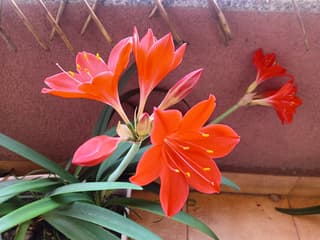
Scarborough lily
Cyrtanthus elatus
Cyrtanthus elatus, popularly known as the Scarborough lily, is a perennial bulb in the Amaryllidaceae family, native to the mountainous coastal slopes of the Cape in southern South Africa (between Mossel Bay and Humansdorp). It produces upright flower stalks up to 65 cm tall with up to nine trumpet-shaped flowers in shades of scarlet red, pink, or, rarely, white, which bloom from late spring to autumn. Cultivated as an ornamental container plant for nearly 250 years, it earned its common name after naturalizing on the coastal cliffs of Scarborough, England, in the 19th century.
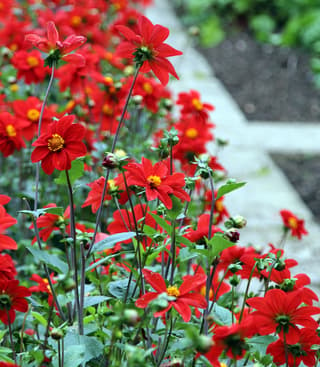
Dahlia
Dahlia
Dahlia is a genus of tuberous herbaceous perennial plants native to the mountains of Mexico and Central America, belonging to the family Asteraceae. With over 42 accepted species and thousands of cultivars, dahlias are celebrated for their spectacular blooms in an extraordinary range of colors, sizes, and flower forms — from tiny pompons to enormous dinner-plate varieties measuring over 30 cm across. They bloom from mid-summer through the first autumn frost, making them a showstopper in gardens worldwide.

Scarlet Dahlia
Dahlia coccinea
Dahlia coccinea, the scarlet dahlia, is a tuberous perennial native to the mountainous regions of Mexico and Central America. Prized for its vivid single blooms in shades of red, orange, and yellow with a golden center, it is considered one of the wild ancestors of modern garden dahlia hybrids and is celebrated as a symbol of Mexican botanical heritage.
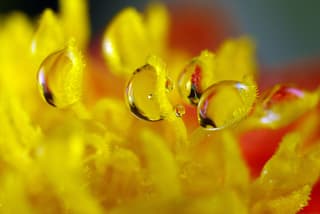
Garden dahlia
Dahlia hortensis
Garden dahlia is a vibrantly flowering tuberous perennial native to Mexico and Central America, prized for its showy, multi-petaled blooms that appear in nearly every color except true blue. Grown from underground tubers, it produces lush green (sometimes dark mahogany) foliage and rewards gardeners with prolific late-summer and autumn flowers that last until the first hard frost.
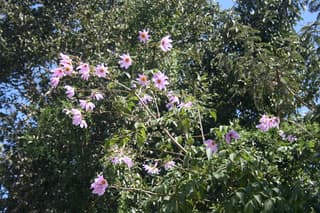
Tree Dahlia
Dahlia imperialis
Dahlia imperialis, known as the Tree Dahlia or Bell Tree Dahlia, is a towering perennial native to Mexico and Central America. It can reach over 6 meters tall with hollow bamboo-like stems, large pinnate leaves, and nodding bell-shaped flowers in shades of pink, lilac, or white with yellow centers. It blooms in fall and winter, making it a showstopper when most garden plants are dormant.
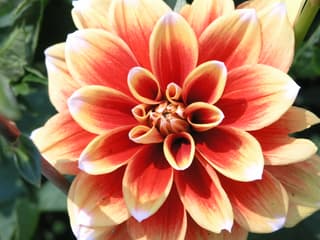
Garden Dahlia
Dahlia pinnata
Dahlia pinnata, commonly known as the garden dahlia, is a tuberous herbaceous perennial native to Mexico, where it serves as the national flower. Belonging to the Asteraceae family, it is celebrated for its large, showy blooms in an extraordinary range of colors including red, pink, orange, yellow, white, purple, and lavender. Dahlias flower from midsummer through the first autumn frosts, making them one of the most prized ornamental plants for gardens worldwide.
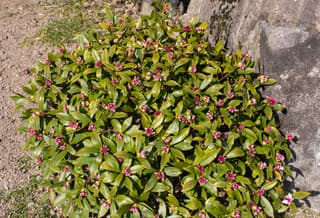
Winter daphne
Daphne odora
Winter daphne is a compact, slow-growing evergreen shrub prized for the intensely fragrant, reddish-purple flowers (white inside) it produces in dense terminal clusters during late winter and early spring. Native to China and Japan, it has glossy, leathery dark-green leaves and forms a rounded mound roughly 3-4 ft (about 1.2 m) tall and wide. It is a classic sheltered-garden and courtyard shrub, valued more for its perfume than its looks, but every part of the plant is poisonous if eaten.
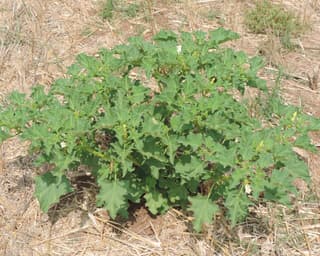
Fierce Thornapple
Datura ferox
Datura ferox, known as the fierce thornapple or long-spined thorn apple, is a fast-growing annual weed in the nightshade family (Solanaceae), native to the Americas and now naturalized as an aggressive weed across warm regions worldwide. It is easily recognized by its funnel-shaped, yellowish-white flowers and its spiny, egg-shaped seed capsules covered in 40-60 stout thorns up to 1.5 cm long -- the source of its Latin name "ferox" (fierce). WARNING: EVERY PART OF THIS PLANT IS SEVERELY TOXIC. Datura ferox contains extremely high concentrations of tropane alkaloids, especially scopolamine, along with hyoscyamine and atropine. Ingesting even small amounts of leaves, seeds, or flowers can cause hallucinations, delirium, rapid heartbeat, seizures, coma, and death in humans, cats, dogs, and livestock. This species should never be grown where children or pets have access, and no part of it should ever be ingested, brewed, or smoked.
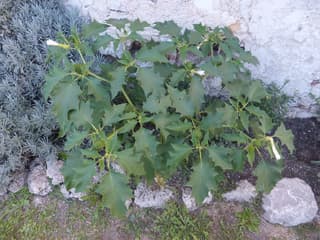
Jimsonweed
Datura stramonium
Jimsonweed (Datura stramonium) is a coarse annual herb in the nightshade family (Solanaceae), native to the Americas and now naturalized on every inhabited continent. It produces large, trumpet-shaped white or pale-purple flowers that open at dusk and emit a heavy fragrance, followed by distinctive spiny egg-shaped seed capsules. Despite its dramatic ornamental appeal, every part of the plant is dangerously toxic — containing tropane alkaloids (atropine, scopolamine, hyoscyamine) capable of causing delirium, hallucinations, and death. Cultivation requires strict caution and should never occur in spaces accessible to children or pets.
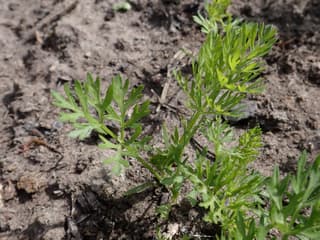
Garden Carrot
Daucus carota subsp. sativus
The garden carrot (Daucus carota subsp. sativus) is one of the world's most widely grown root vegetables, descended from the wild Eurasian carrot. Belonging to the Apiaceae family, it is prized for its sweet, nutrient-dense taproot rich in beta-carotene. A biennial grown as an annual, it produces feathery foliage and white umbel flowers in its second year.
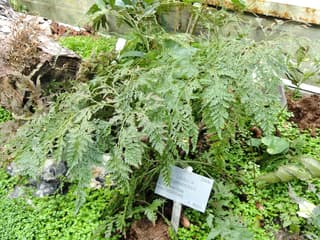
Hare's-foot Fern
Davallia canariensis
Davallia canariensis, commonly known as the Hare's-foot Fern or Deer's-foot Fern, is a captivating epiphytic fern native to the Canary Islands and the Iberian Peninsula. Its most distinctive feature is the thick, furry rhizomes covered in reddish-brown scales that creep over the edge of the pot, resembling the fuzzy feet of a hare. The finely divided, triangular fronds create a lush, cascading display, making it an exceptional choice for hanging baskets and decorative arrangements.
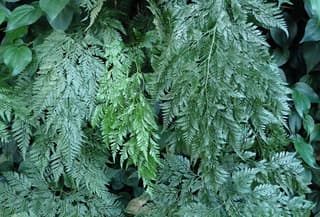
White Rabbit's Foot Fern
Davallia griffithiana
Davallia griffithiana is an epiphytic fern native to China and Southeast Asia, prized for its long, creeping white furry rhizomes that resemble a rabbit's foot. The delicate, finely cut bright-green fronds create a lush, cascading display perfect for hanging baskets. It is non-toxic and well-suited as an indoor houseplant in humid, warm environments.
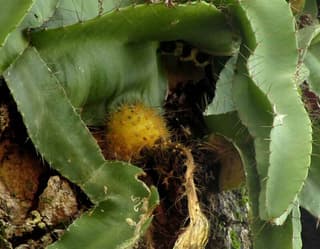
Dog-tail Cactus
Deamia testudo
Deamia testudo, known as the Dog-tail Cactus, is an epiphytic and climbing cactus native to the tropical forests of Central America and northern South America, from Mexico to Colombia and Venezuela. It grows by attaching itself to tree trunks and rocks using aerial roots, displaying angular and flattened stems that resemble a tortoise shell. In summer and early fall, it produces large, fragrant, nocturnal white flowers, followed by spiny spherical fruits.
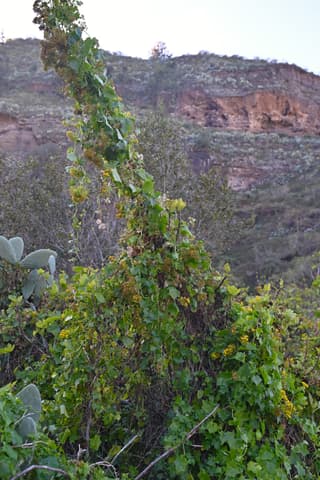
Cape ivy
Delairea odorata
Delairea odorata (synonym Senecio mikanioides), commonly known as Cape ivy or German ivy, is a perennial climbing plant from the Asteraceae family, native to the moist mountainous regions of South Africa. It has flexible, twining stems that cling to supports or trail as ground cover, and glossy, slightly fleshy leaves with 5-7 pointed lobes. In autumn and winter, it produces small, sweet-smelling yellow inflorescences. It is a very fast-growing species, considered invasive in many regions with mild climates, where it smothers native vegetation. All parts of the plant contain toxic pyrrolizidine alkaloids, dangerous to humans, pets, and farm animals.
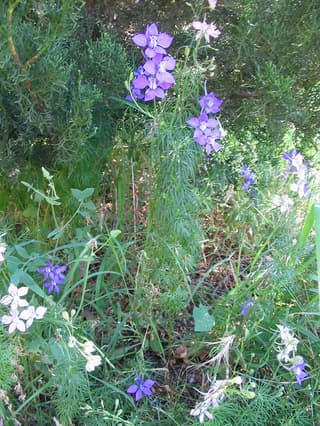
Rocket Larkspur
Delphinium ajacis
Rocket Larkspur (Delphinium ajacis, syn. Consolida ajacis) is an annual flowering plant in the buttercup family (Ranunculaceae), native to the Mediterranean and Eurasia. It reaches a height of up to 130 cm and forms slender, upright stems with deeply divided leaves. During summer, it produces dense racemes of flowers in shades of blue, purple, pink, and white. It is a classic garden plant suitable for flower beds, borders, and cut flowers. WARNING: All parts of the plant are poisonous — they contain diterpene alkaloids, including the highly toxic methyllycaconitine, which is dangerous to humans, cats, and dogs.
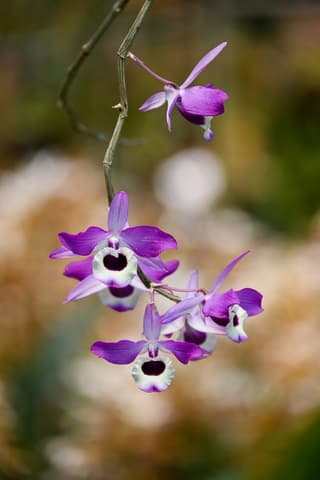
Dendrobium Orchid (genus)
Dendrobium
Dendrobium is one of the largest orchid genera, comprising over 1,800 species native to tropical and subtropical Asia, Oceania, and Pacific islands. These epiphytic plants grow on trees and are adapted to diverse climates — from humid tropical forests to cool mountain regions. They produce stunning flowers in a wide array of colors and are widely cultivated as ornamentals.
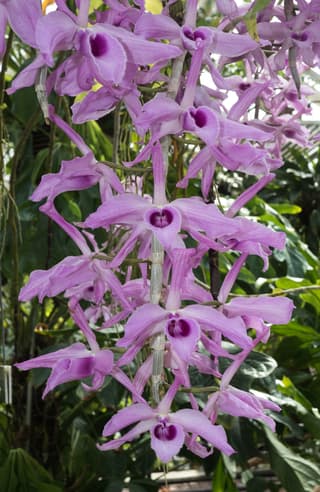
Honohono Orchid
Dendrobium anosmum
Dendrobium anosmum, commonly known as the honohono orchid or sanggumay, is a pendulous epiphytic orchid native to the Philippines, New Guinea, Thailand, and Sri Lanka. It produces long, cane-like deciduous pseudobulbs adorned with fragrant flowers in shades of pink, white, and lavender-purple, blooming profusely in spring. Despite the misleading epithet "anosmum" (odorless), most plants emit a delightfully sweet fragrance.
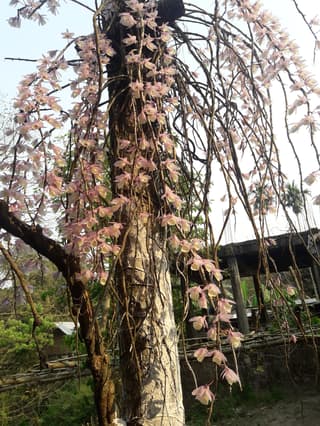
Hooded Orchid
Dendrobium aphyllum
Dendrobium aphyllum, commonly known as the Hooded Orchid, is a deciduous epiphytic orchid native to Southeast Asia, from India to Vietnam. It produces elegant, pendulous canes that shed their leaves during dormancy, then burst into bloom with delicate pinkish-violet and white fragrant flowers every spring. Its dramatic seasonal cycle makes it a prized specimen for intermediate to warm orchid growers.
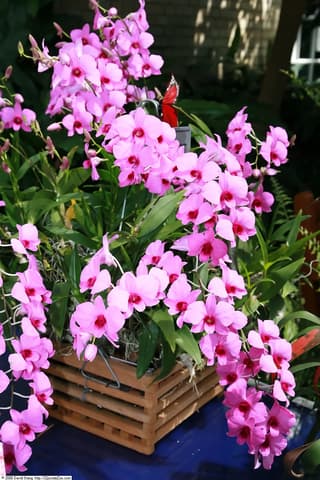
Cooktown Orchid
Dendrobium bigibbum
The Cooktown Orchid (Dendrobium bigibbum) is a stunning epiphytic orchid native to the tropical rainforests of northeastern Australia, particularly the Cape York Peninsula. It is Queensland's official state floral emblem and is prized for its arching sprays of lilac, mauve, purple, and white butterfly-shaped flowers. A popular choice for orchid enthusiasts and tropical gardens worldwide.
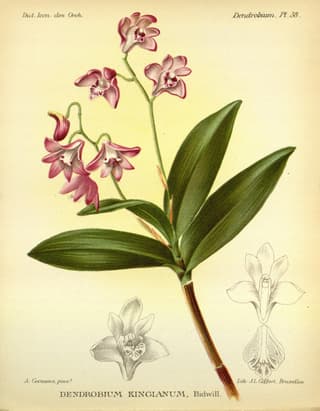
Pink Rock Orchid
Dendrobium kingianum
Dendrobium kingianum, commonly known as the Pink Rock Orchid, is a native Australian orchid that grows naturally on rocky cliff faces and outcrops along the eastern coast. It produces clusters of delicate pink, white, or purple flowers from late winter to spring, making it one of the most beloved cool-growing orchids for Australian gardeners and collectors worldwide.
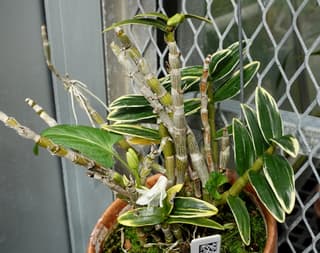
Sekkoku Orchid
Dendrobium moniliforme
Dendrobium moniliforme, known in Japan as Sekkoku and in Korea as Seokgok, is a compact epiphytic orchid native to cool, high-elevation forests of Japan, Korea, and China. Slender, cane-like pseudobulbs bear small clusters of fragrant white flowers with a yellow-green lip in late winter and spring. For centuries it has been cultivated as a prized ornamental in East Asia, admired for its resilience and delicate blooms rather than showy size.

Noble Dendrobium
Dendrobium nobile
Dendrobium nobile is a stunning deciduous orchid native to the Himalayan foothills and Southeast Asia, prized for its abundant fragrant flowers that bloom along mature canes in late winter to early spring. This sympodial orchid produces clusters of stout pseudobulbs that can reach up to 60cm in height, adorned with beautiful blooms in shades of white, pink, purple, and yellow. Popular as both an indoor and outdoor plant in warm climates, it requires a cool winter rest period to trigger flowering.

Den-Phal Orchid
Dendrobium phalaenopsis
Dendrobium phalaenopsis, commonly known as the Den-Phal orchid, is an epiphytic orchid native to northern Australia and New Guinea. Renowned for its arching sprays of purple, pink, or white blooms that last for weeks, it is the parent species behind the popular 'Den-Phal' hybrids sold in flower shops under the trade name Cooktown orchid, prized for generous flowering and comparatively easy care among orchids.
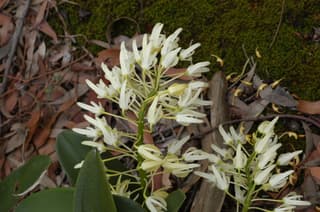
Rock Orchid
Dendrobium speciosum
Dendrobium speciosum, commonly known as the Rock Orchid or King Orchid, is a large epiphytic and lithophytic orchid native to eastern Australia. It grows naturally on rocks and tree trunks, producing robust pseudobulbs up to 45 cm long. In late winter to early spring, it produces spectacular arching sprays of white to creamy-yellow flowers with purple-spotted labellums and a soft honey fragrance.
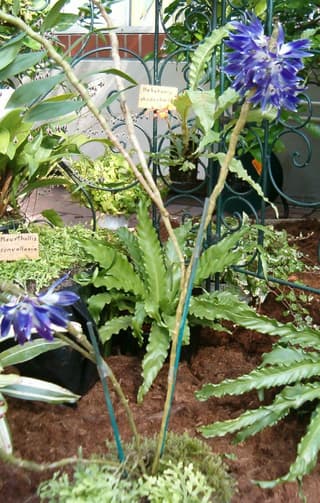
Queen Victoria's Dendrobium
Dendrobium victoriae-reginae
Dendrobium victoriae-reginae, known as Queen Victoria's dendrobium, is a striking epiphytic orchid endemic to the high-elevation cloud forests of the Philippines, found on Luzon, Mindanao, Mindoro, Negros, and Camiguin. It grows among oaks, rhododendrons, and azaleas at 1,300 to 2,700 meters elevation, where cool temperatures and near-constant moisture prevail. Its pendulous, cane-like stems are basally branching and swollen at the nodes, bearing papery, lance-shaped leaves. Short, erect racemes carry one to three flowers in variable shades of lilac to deep violet-blue, among the most prized colors in the genus.
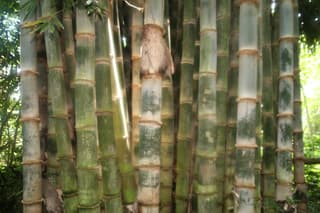
Giant Bamboo
Dendrocalamus giganteus
Dendrocalamus giganteus, commonly known as Giant Bamboo, is one of the largest bamboo species in the world, capable of reaching heights of up to 30 meters. Native to Southeast Asia — particularly India and Myanmar — it is prized for its impressive stature, extraordinarily fast growth, and versatile uses from construction to ornamental landscaping.
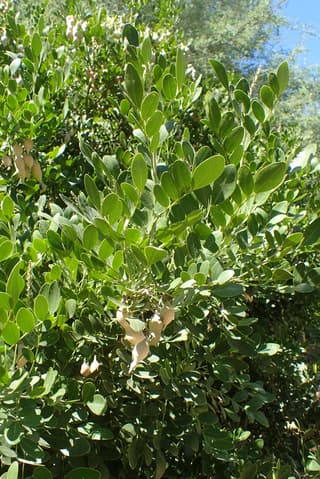
Texas mountain laurel
Dermatophyllum secundiflorum
Evergreen shrub or small tree in the Fabaceae family, native to southwestern USA and northern Mexico. Features showy clusters of fragrant purple flowers that resemble grape soda in scent. Extremely drought-tolerant and adapted to rocky limestone soils. Slow-growing, reaching 4-5 meters (15 feet) at maturity with a spread of 3-5 meters (10-15 feet). Dense, glossy compound foliage with leathery leaflets.
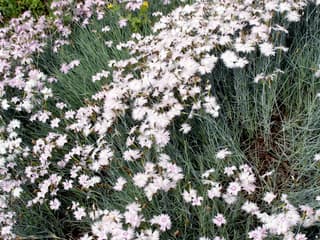
Carnation
Dianthus caryophyllus
Dianthus caryophyllus, commonly known as Carnation or Clove Pink, is a species of Dianthus native to the Mediterranean region. One of the oldest cultivated flowers in history, carnations have been grown for over 2,000 years. They produce fragrant, fringed blooms in a wide range of colors — white, pink, red, purple, orange, and yellow — atop stiff, glaucous stems. Carnations are prized for their long vase life, spicy clove-like fragrance, and deep cultural symbolism across many traditions.
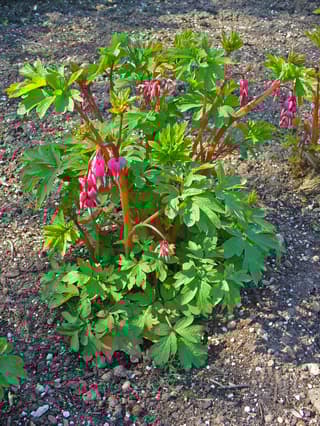
Bleeding Heart
Dicentra spectabilis
Dicentra spectabilis, commonly known as Bleeding Heart, is a shade-loving perennial native to northeastern China, Japan, and Korea. It produces stunning arching stems adorned with heart-shaped pink, red, or white flowers in spring, before going dormant in summer heat.
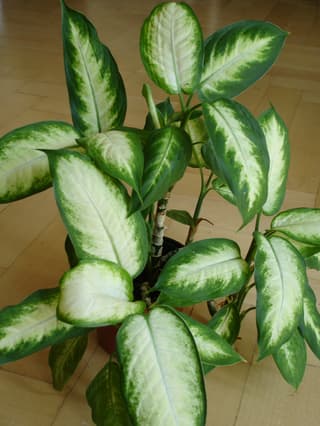
Bowmann Dumb Cane
Dieffenbachia bowmannii
Dieffenbachia bowmannii is one of the largest species in the genus, native to tropical regions of Central and South America. Its impressive leaves can reach up to 60 cm in length, displaying unique patterns of dark green with pale green to cream-white markings, making it a stunning centrepiece for indoor spaces.
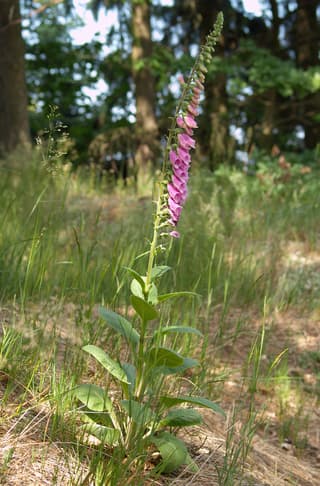
Common Foxglove
Digitalis purpurea
Common Foxglove (Digitalis purpurea) is a striking European biennial renowned for its tall spires of tubular flowers in shades of purple, pink, white, and cream. In its first year it forms a low rosette of leaves; in the second year it sends up dramatic flowering stalks reaching 1.5 meters tall. Beloved in cottage gardens, it is highly toxic yet historically invaluable as the source of cardiac glycosides used in modern medicine.
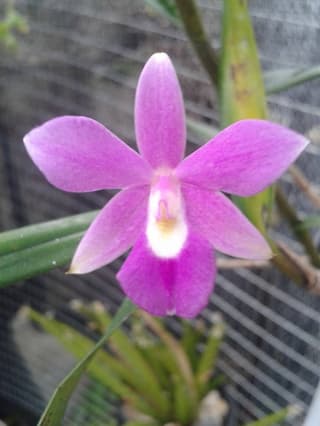
Pink Butterfly Orchid
Dimerandra emarginata
Dimerandra emarginata is a medium-sized epiphytic orchid native to the rainforests of Central America, northern South America, and the Caribbean, from Mexico south to Brazil. It grows on tree bark or rocks, producing slender, cane-like stems with leathery, notch-tipped leaves. From summer through fall, it bears clusters of small but vivid pink flowers with a white-and-pink lip, blooming successively over weeks. Commonly called the Pink Butterfly Orchid, it thrives mounted or in open, well-draining bark mixes that mimic its natural epiphytic habitat.
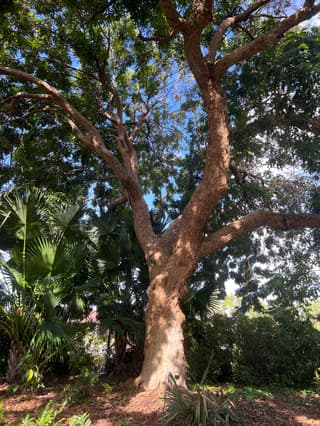
Longan
Dimocarpus longan
Dimocarpus longan, commonly known as longan or 'dragon's eye,' is an evergreen fruit tree belonging to the soapberry family (Sapindaceae), native to Southeast Asia. It grows up to 12 meters tall, forming a spreading crown with paripinnate, leathery leaves. Small, yellowish-white flowers appear in spring in abundant panicles and are faintly aromatic. The fruits—round, with a brown, brittle skin—contain a translucent, sweet pulp surrounding a single shiny, dark brown seed, resembling an eye. Longan is closely related to lychee and rambutan. It is primarily cultivated in China, Thailand, Vietnam, and other tropical countries for its delicious fruits, timber, and numerous medicinal uses.
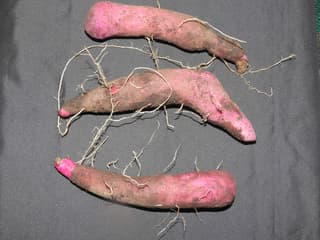
Yam
Dioscorea
Dioscorea is a large genus of over 600 species of twining vines in the family Dioscoreaceae, found across tropical and subtropical regions worldwide. The genus includes important food crops such as D. alata (water yam/purple yam), D. rotundata (white yam), and D. cayenensis (yellow yam), as well as the ornamental D. elephantipes (elephant's foot). Plants produce starchy, edible tubers and vigorous climbing vines that die back to dormancy in cooler or dry seasons.
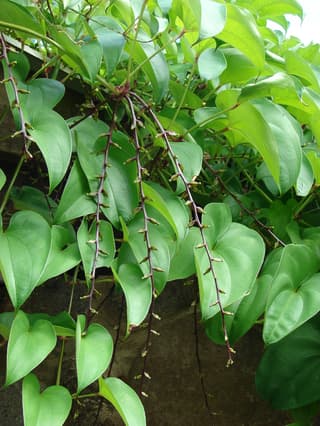
Purple Yam
Dioscorea alata
Purple Yam (Dioscorea alata) is a vigorous tropical climbing vine grown for its starchy, purple-to-white tubers. Native to Southeast Asia, it has spread throughout tropical Africa, the Americas, and the Pacific. It is one of the most widely cultivated yam species in the world, prized for its culinary versatility and cultural significance.

Elephant's Foot
Dioscorea elephantipes
Elephant's Foot (Dioscorea elephantipes) is a slow-growing caudiciform from South Africa, prized for its huge, corky, cracked caudex that resembles an elephant's foot or a tortoise shell. From the caudex, slender twining vines with heart-shaped leaves emerge in the growing season and die back during dormancy. It is a long-lived collector's succulent that can live for decades.
Medium Care Easy Care
Our selection of 1160 medium easy care combines the characteristics of this category with moderate care needs. Ideal for those with basic experience.
Why Choose Medium Easy Care?
Combining the beauty of easy care with medium difficulty level lets you enjoy this category with a balanced care commitment. Each plant was selected to offer the best characteristics of the category at the care level you are looking for.